Rental Lease Agreement Document With Inventory Checklist In Wayne
Description
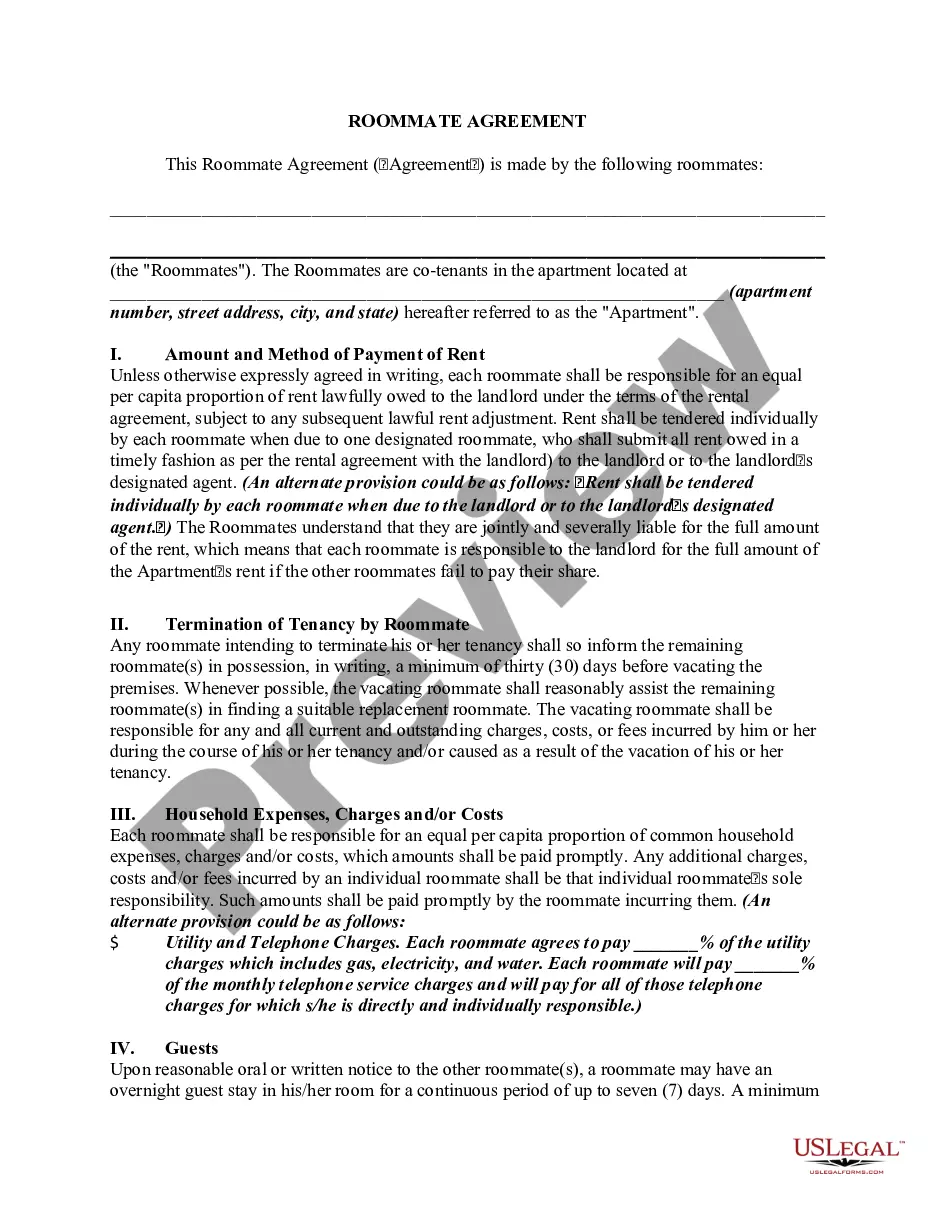
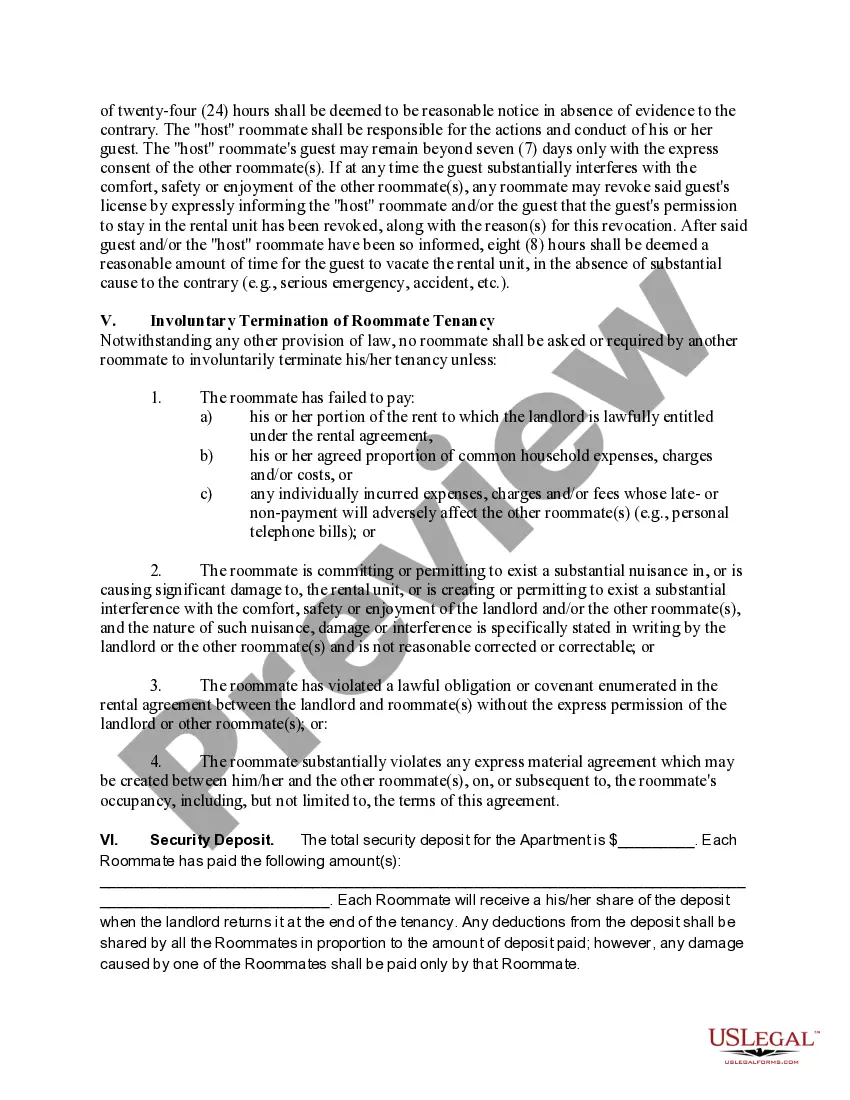
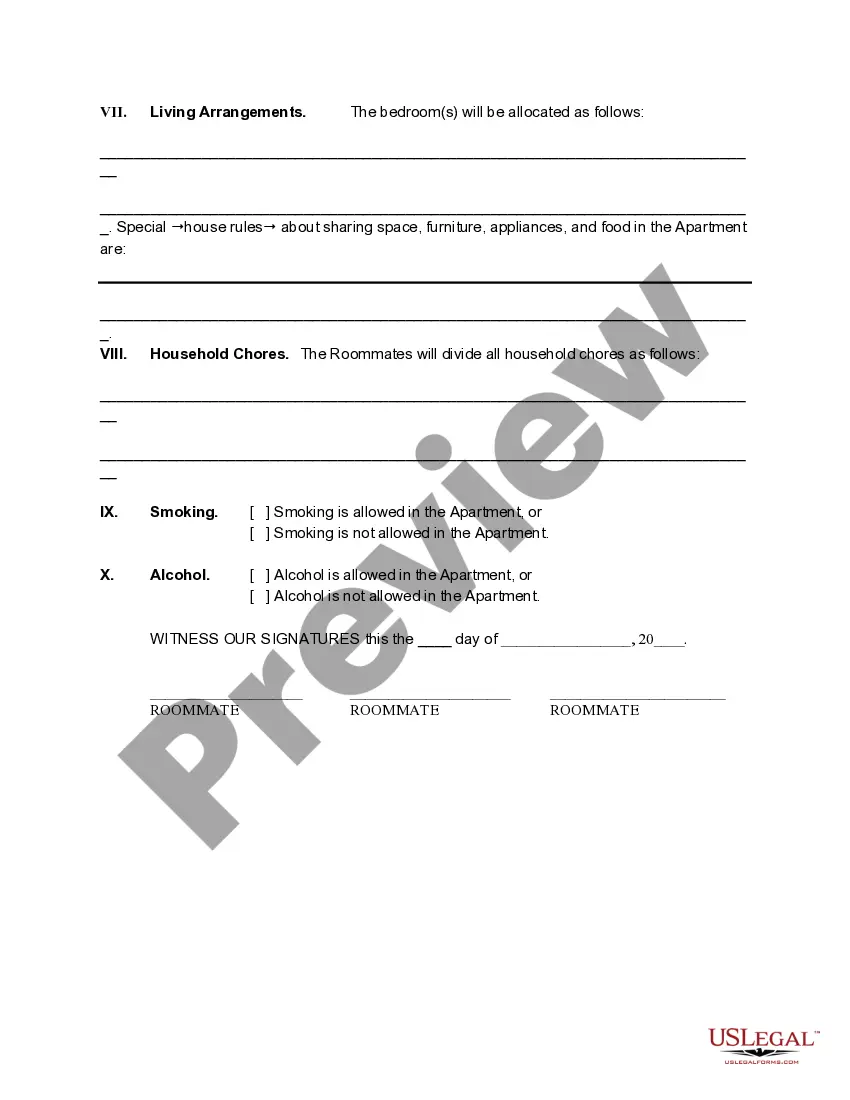

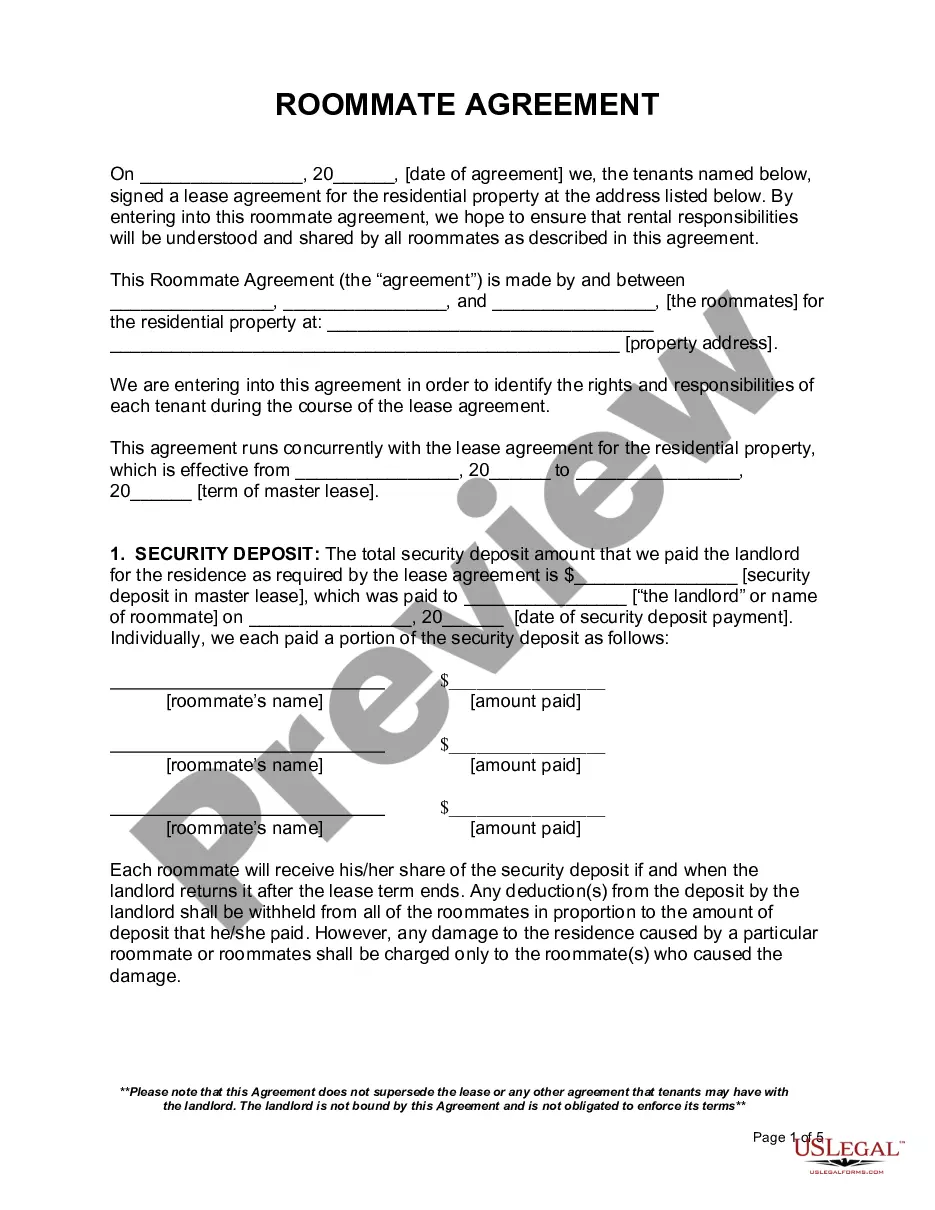
Get your form ready online
Our built-in tools help you complete, sign, share, and store your documents in one place.
Make edits, fill in missing information, and update formatting in US Legal Forms—just like you would in MS Word.
Download a copy, print it, send it by email, or mail it via USPS—whatever works best for your next step.
Sign and collect signatures with our SignNow integration. Send to multiple recipients, set reminders, and more. Go Premium to unlock E-Sign.
If this form requires notarization, complete it online through a secure video call—no need to meet a notary in person or wait for an appointment.
We protect your documents and personal data by following strict security and privacy standards.

Make edits, fill in missing information, and update formatting in US Legal Forms—just like you would in MS Word.

Download a copy, print it, send it by email, or mail it via USPS—whatever works best for your next step.

Sign and collect signatures with our SignNow integration. Send to multiple recipients, set reminders, and more. Go Premium to unlock E-Sign.

If this form requires notarization, complete it online through a secure video call—no need to meet a notary in person or wait for an appointment.

We protect your documents and personal data by following strict security and privacy standards.
Looking for another form?







Form popularity
FAQ
It is a list of the contents of your rental property as well as a log or record of the property's condition (including whether furnished or non-furnished).
Rental inventory refers to the items a rental business owns and rents out to its customers. This means that the business should be able to track the availability, condition, maintenance, utilization and overall working order of these items to minimize losses and damage.
A landlord must allow the tenant the ability to use and enjoy the rental property without landlord interference. The general rule is that a landlord can only enter the rental property with the tenant's permission, except in emergencies.
Michigan law does not state how much notice landlords must give before entering a rental unit or home. Both parties must mutually agree on this, it is recommended to outline it within the lease to avoid potential disputes.
Your landlord must not: Use force or threaten to use force to make you leave or keep you out of your home. Enter your home without your permission, unless it's an emergency.
In addition, it must go without saying, but a landlord cannot threaten tenants. Verbal threats, threats of physical violence, or actual physical contact are all instances of landlord harassment.
AN ACT to regulate rental agreements for residential premises; to prohibit the inclusion by lessors of certain clauses or provisions in residential rental agreements; to require the disclosure by lessors of certain information; to require the inclusion of certain provisions in residential rental agreements; to regulate ...
The tenancy agreement should include: the deposit amount and how it will be protected. when the deposit can be fully or partly withheld, for example to repair damage caused by tenants. the property address. the start and end date of the tenancy. any tenant or landlord obligations. which bills your tenants are responsible for.
Commercial leases require an effective default clause that allows the landlord to force a tenant to comply with all lease obligations. The default clause commonly provides the procedure for obtaining an eviction or the threat of an eviction for a commercial tenant's violation of the lease.
