Rental Lease Agreement Document With Inventory Checklist In Wake
Description
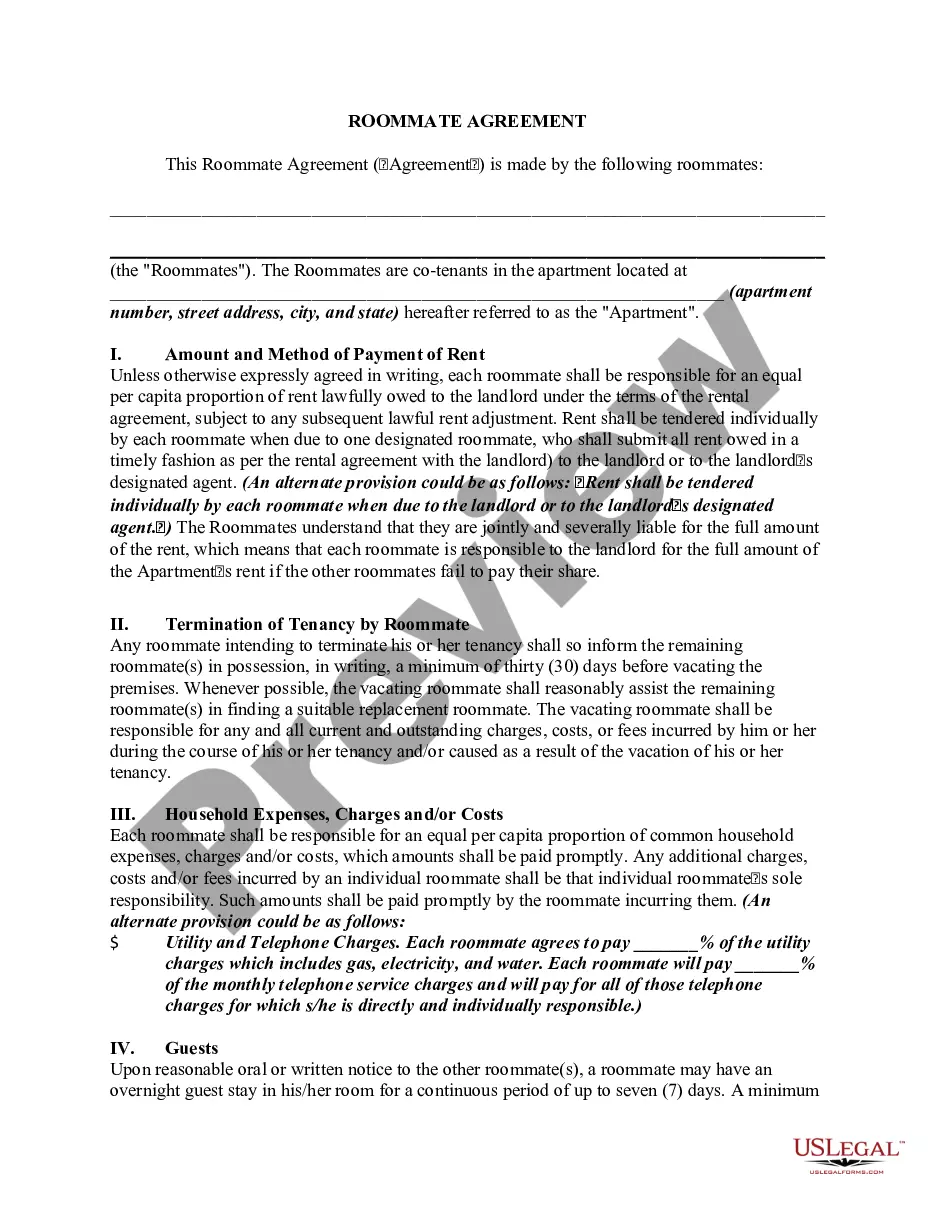
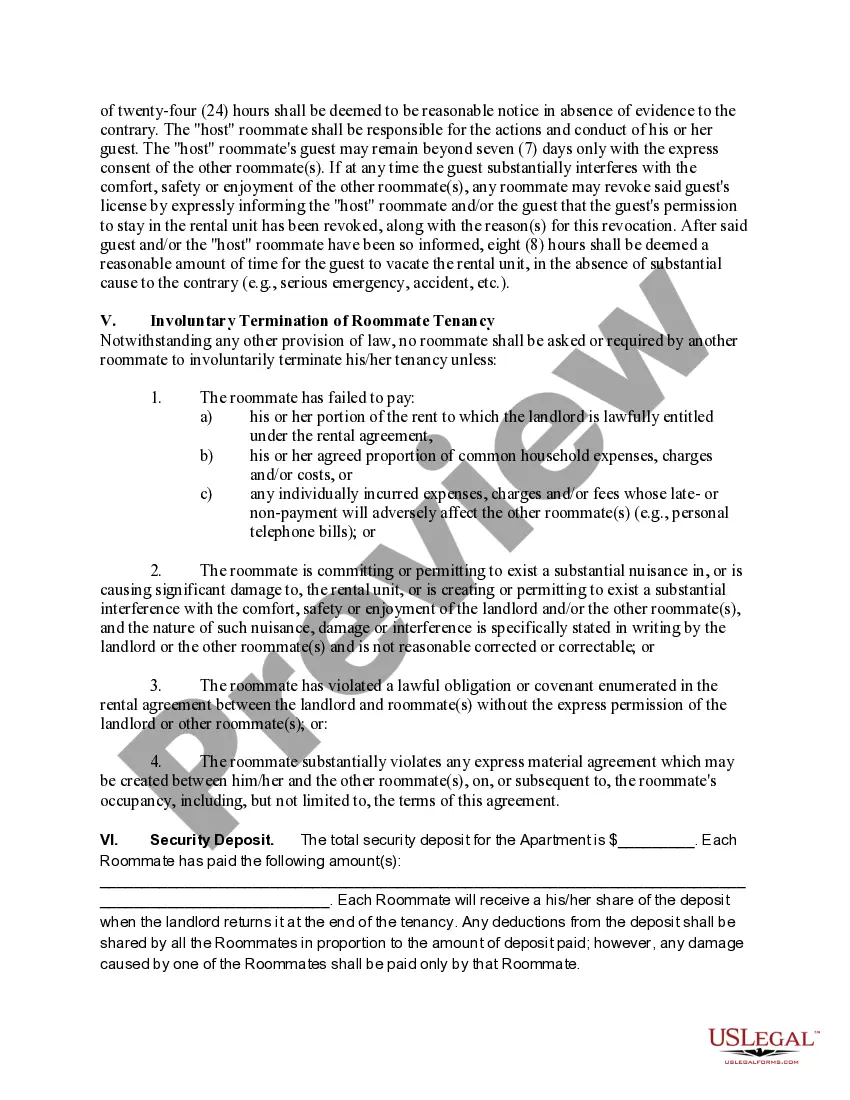
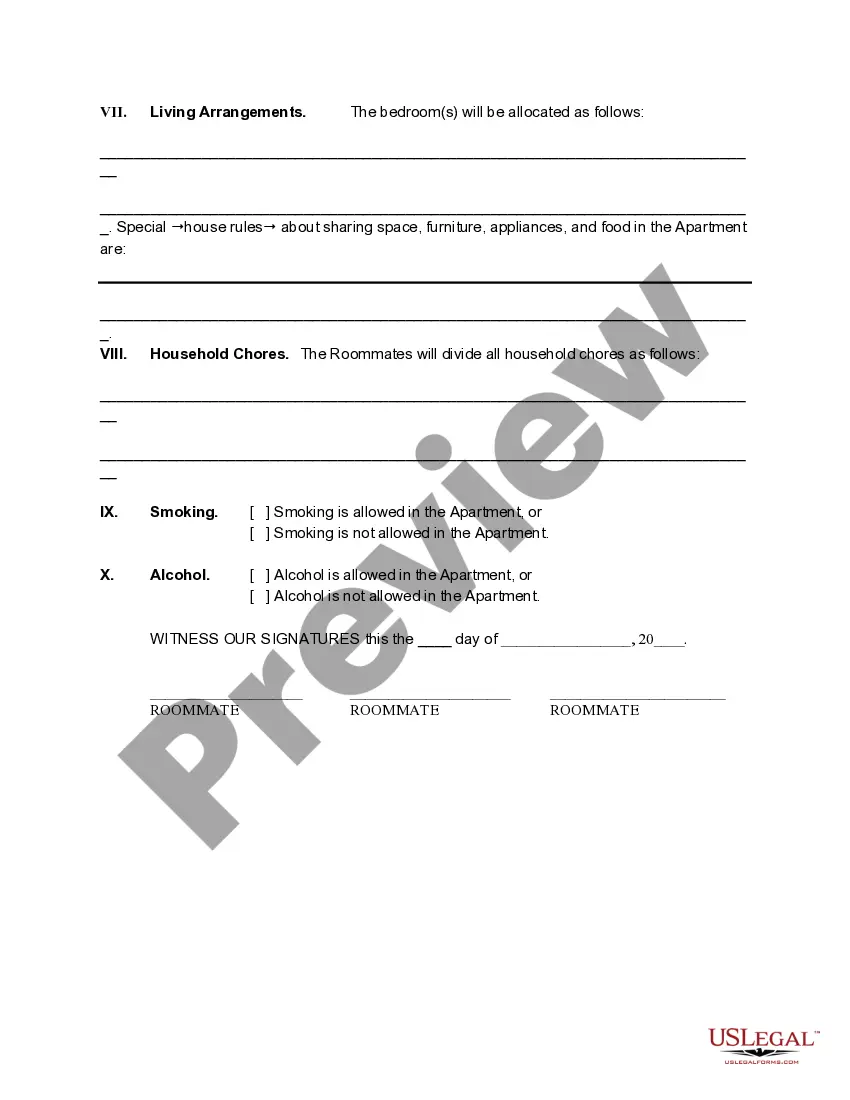

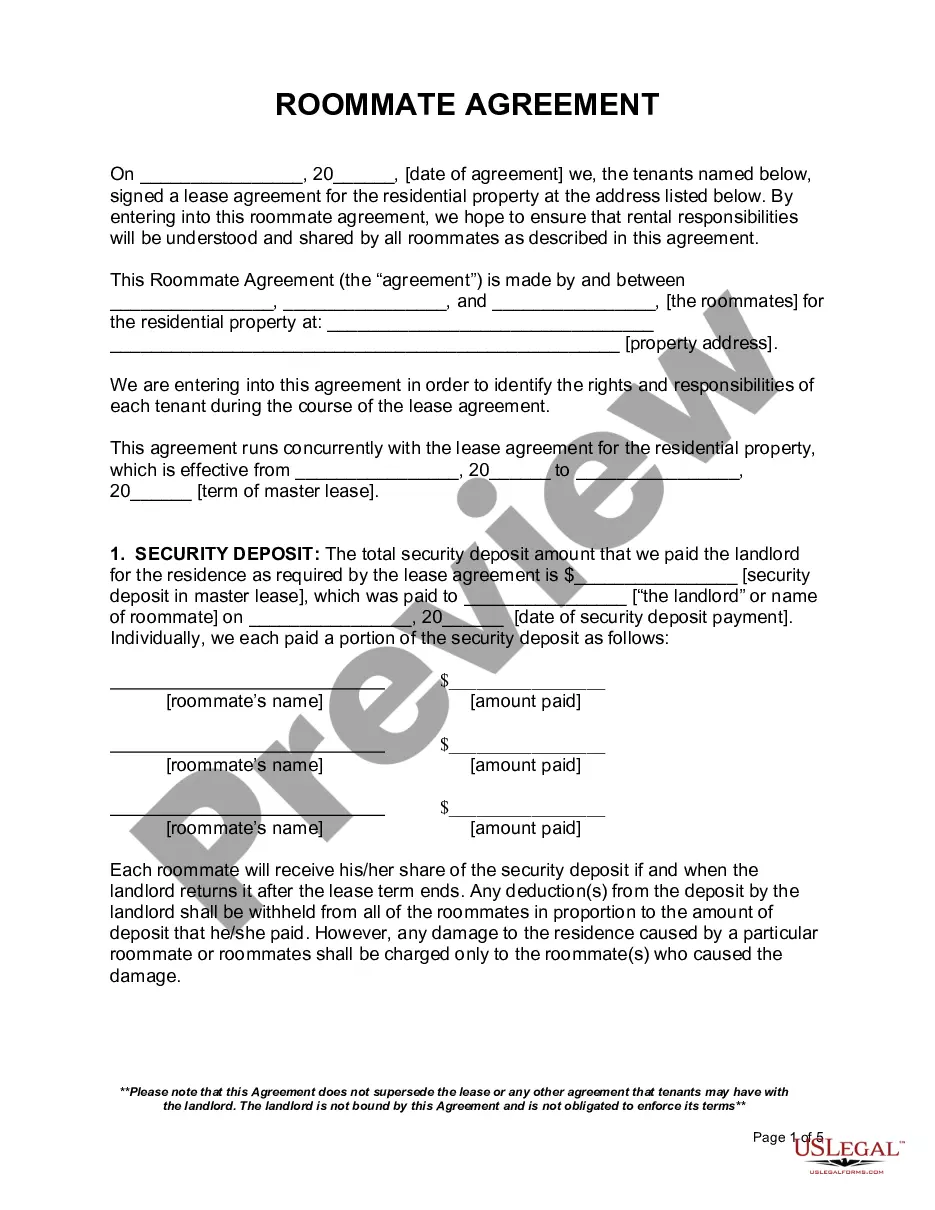
Get your form ready online
Our built-in tools help you complete, sign, share, and store your documents in one place.
Make edits, fill in missing information, and update formatting in US Legal Forms—just like you would in MS Word.
Download a copy, print it, send it by email, or mail it via USPS—whatever works best for your next step.
Sign and collect signatures with our SignNow integration. Send to multiple recipients, set reminders, and more. Go Premium to unlock E-Sign.
If this form requires notarization, complete it online through a secure video call—no need to meet a notary in person or wait for an appointment.
We protect your documents and personal data by following strict security and privacy standards.

Make edits, fill in missing information, and update formatting in US Legal Forms—just like you would in MS Word.

Download a copy, print it, send it by email, or mail it via USPS—whatever works best for your next step.

Sign and collect signatures with our SignNow integration. Send to multiple recipients, set reminders, and more. Go Premium to unlock E-Sign.

If this form requires notarization, complete it online through a secure video call—no need to meet a notary in person or wait for an appointment.

We protect your documents and personal data by following strict security and privacy standards.
Looking for another form?

Form popularity
FAQ
The inventory list should be a written document with pictures being an excellent addition. Unfortunately, a video of your inventory will not be sufficient since it needs to be in written form and signed for by the tenant. We recommend grouping inventory into rooms and then smaller sections of a specific room.
It is a list of the contents of your rental property as well as a log or record of the property's condition (including whether furnished or non-furnished).
What to Include in an Inventory Walls (note prior damage, holes, scratches, etc.) Fixtures (e.g. lamps, overhead lights) Fittings (e.g. kitchen taps, sinks) Flooring (whether carpeted, wooden, or stone) Ceilings (scratches, structural issues) Furniture (all furniture if the property is furnished)
Develop a list of categories for your belongings. Standard categories include furniture, clothing, entertainment and tech, jewelry, and collectibles. Tailor the categories to suit your needs and consider adding a “miscellaneous” group. Record an estimated value with each item.
Essential Lease Agreement Clauses Restricting resident's illegal activities. Late Payment. Occupancy. Pet Policy. Utilities. Rights to Enter the Property. Insurance. This is a great opportunity to discuss insurance coverage. Severability Clause. Include this crucial clause in your lease document to prevent future issues.
Rental inventory refers to the items a rental business owns and rents out to its customers. This means that the business should be able to track the availability, condition, maintenance, utilization and overall working order of these items to minimize losses and damage.
What is a property inventory? A property inventory is simply a comprehensive list and description of all the fixtures, fittings and contents in your rental property.
The fact that the terms of the lease has come to an end does not mean that you have to leave the property. Unless you or your landlord takes specific steps to end the agreement under the lease, it will simply continue on exactly the same terms. You do not need do anything unless you receive a notice from your landlord.
An inventory is a document which shows what the property was like when you moved in. It can help avoid disputes with your landlord about getting your deposit back. It should be easy to understand. It should say who did the inventory and when. Only sign and date the inventory when you are happy that it is accurate.
