Rental Lease Agreement Document Without In Middlesex
Description
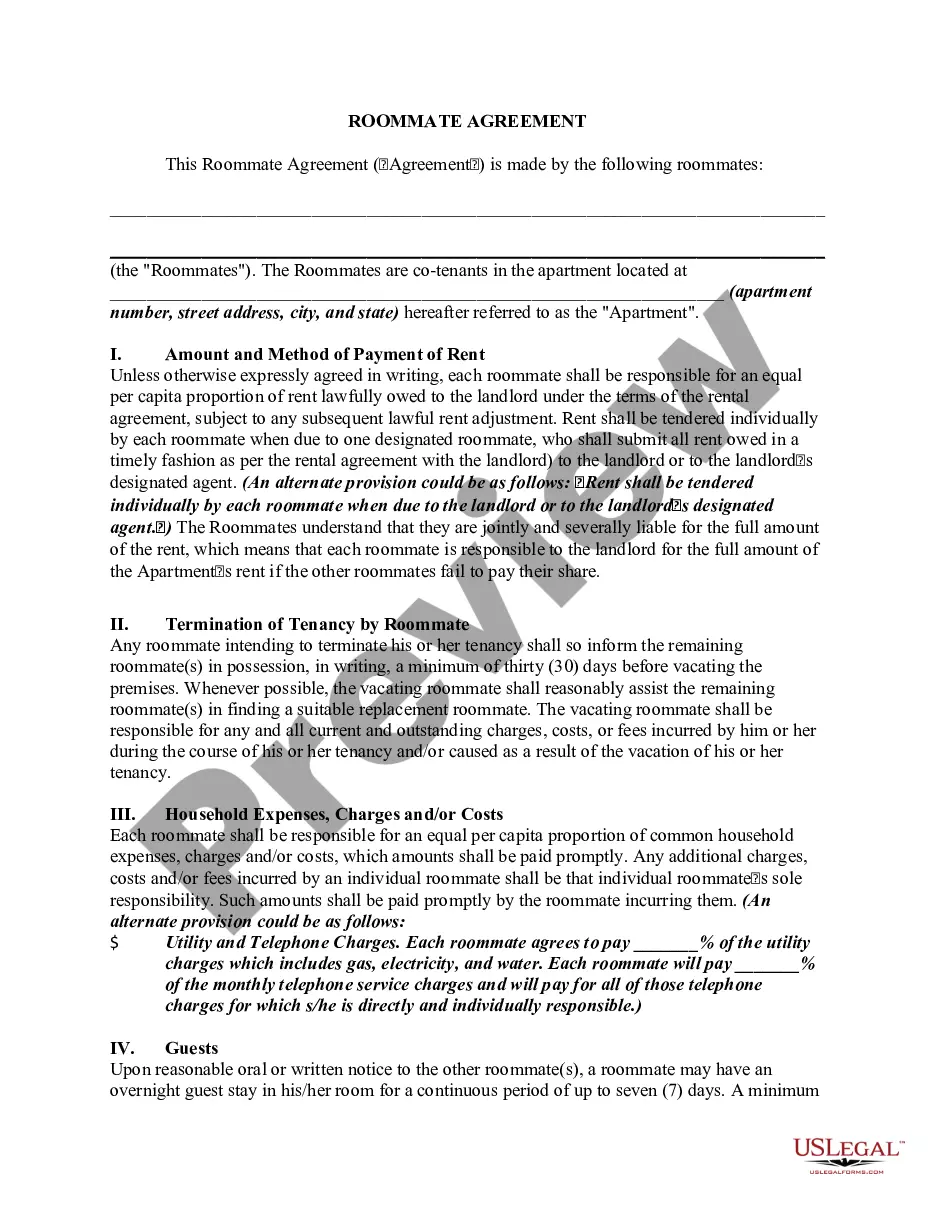
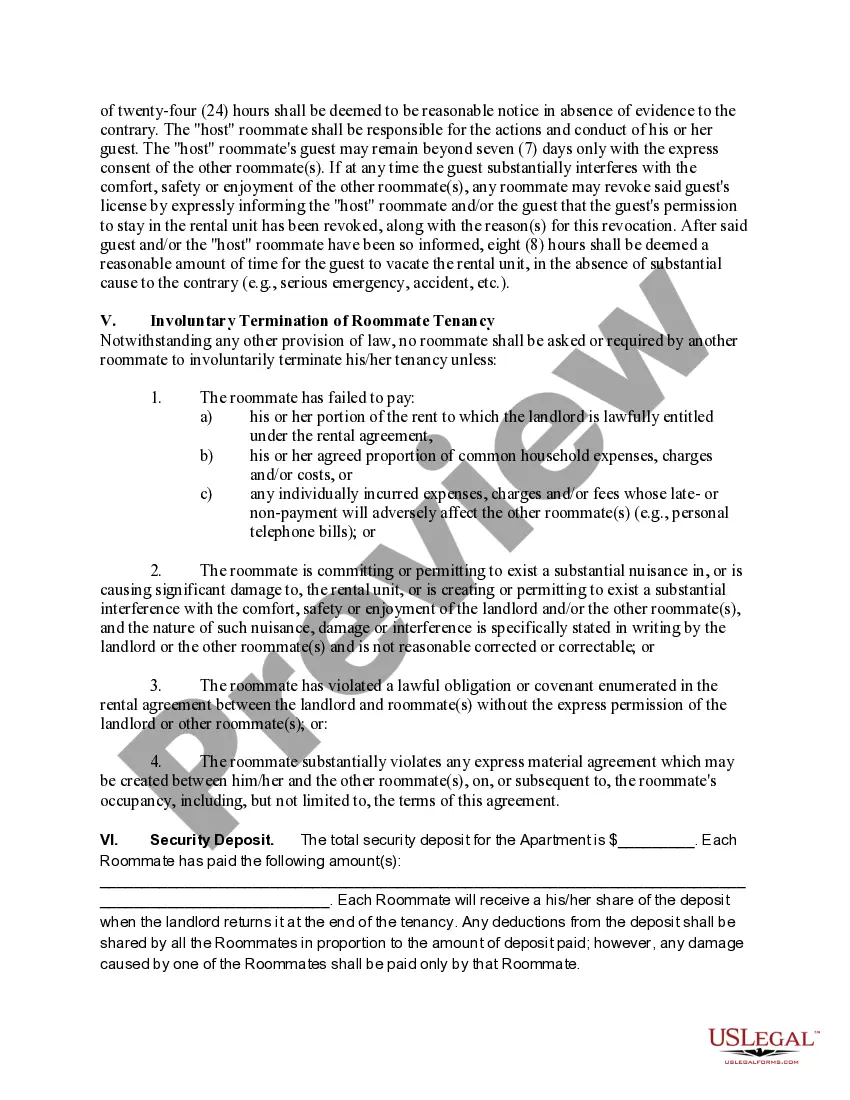
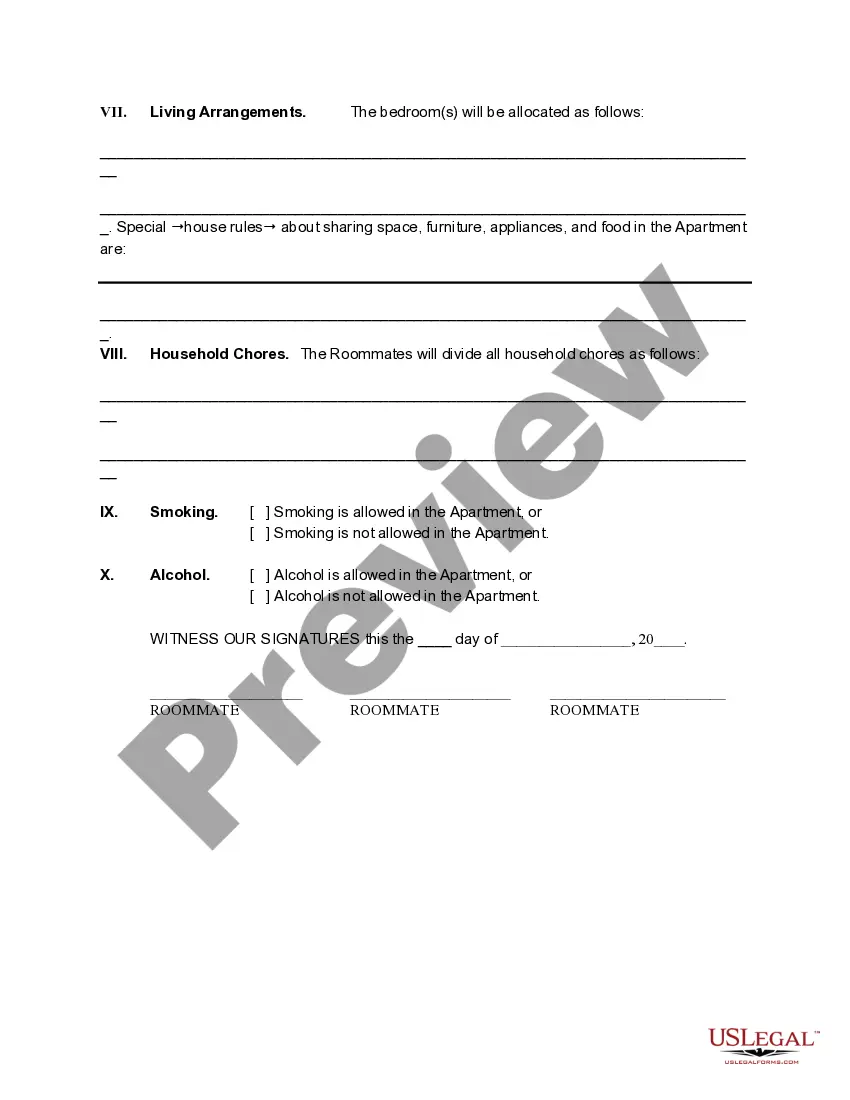

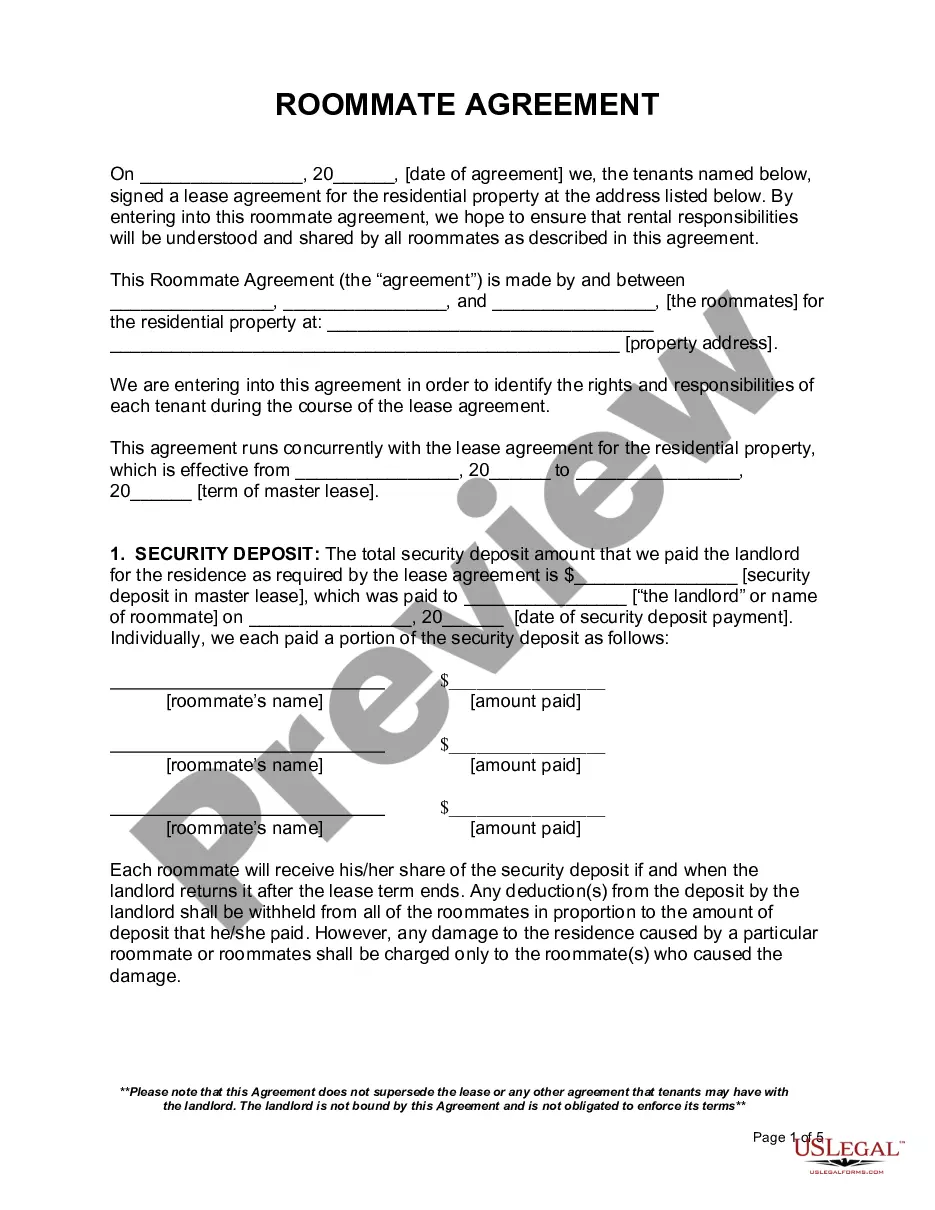
Get your form ready online
Our built-in tools help you complete, sign, share, and store your documents in one place.
Make edits, fill in missing information, and update formatting in US Legal Forms—just like you would in MS Word.
Download a copy, print it, send it by email, or mail it via USPS—whatever works best for your next step.
Sign and collect signatures with our SignNow integration. Send to multiple recipients, set reminders, and more. Go Premium to unlock E-Sign.
If this form requires notarization, complete it online through a secure video call—no need to meet a notary in person or wait for an appointment.
We protect your documents and personal data by following strict security and privacy standards.

Make edits, fill in missing information, and update formatting in US Legal Forms—just like you would in MS Word.

Download a copy, print it, send it by email, or mail it via USPS—whatever works best for your next step.

Sign and collect signatures with our SignNow integration. Send to multiple recipients, set reminders, and more. Go Premium to unlock E-Sign.

If this form requires notarization, complete it online through a secure video call—no need to meet a notary in person or wait for an appointment.

We protect your documents and personal data by following strict security and privacy standards.
Looking for another form?










Form popularity
FAQ
written rental agreement is absolutely valid and enforceable. It doesn't need to be notarized, but must be signed by both parties to the lease. Essential terms must be present in the writing, however.
Go To Your Landlord or Management Company For example, property owners in California must: Provide a copy of the rental agreement or lease to the tenant within 15 days of its execution by the tenant.
A gross lease, also known as a full-service lease, is the most common type of commercial lease agreement. In this type of lease, the lessee is responsible for paying the base rent and the lessor generally handles any other building expenses, such as utilities, maintenance costs, taxes, and insurance.
The tenancy agreement should include: the deposit amount and how it will be protected. when the deposit can be fully or partly withheld, for example to repair damage caused by tenants. the property address. the start and end date of the tenancy. any tenant or landlord obligations. which bills your tenants are responsible for.
The gross lease is MOST commonly used for residential leases. T/F Leases for space in a shopping mall are usually percentage leases.
Having a clearly drafted tenancy agreement that matches the type of tenancy granted is the best way of ensuring both parties understand these obligations. The NRLA has produced a number of tenancy agreements for you to either use, or use as guidance for creating your own.
You have the 'right to unwind' a tenancy agreement if you signed it because of misleading information given by the landlord or agent. Not mentioning something does not count as misleading information although this could still be an unfair trading practice.
Can I write my own tenancy agreement? You don't necessarily need a solicitor to produce a legal document like a tenancy agreement. You can do it yourself, just make sure to include all the relevant information. Ensure it is up to date with the law and in particular does not contain any illegal clauses.
If a term in the tenancy agreement gives either you or your landlord less than your statutory rights, that term cannot be enforced. A tenancy agreement can be made up of: express terms - these include what is in the written tenancy agreement (if there is one), in the rent book, and what was agreed verbally.
Each person named on the tenancy agreement needs to sign the agreement and all tenants must be over 18 years old. If someone under the age of 18 is occupying the property they can be named as an occupier but not legally sign the agreement.
