Rental Lease Agreement Document Without In Massachusetts
Description
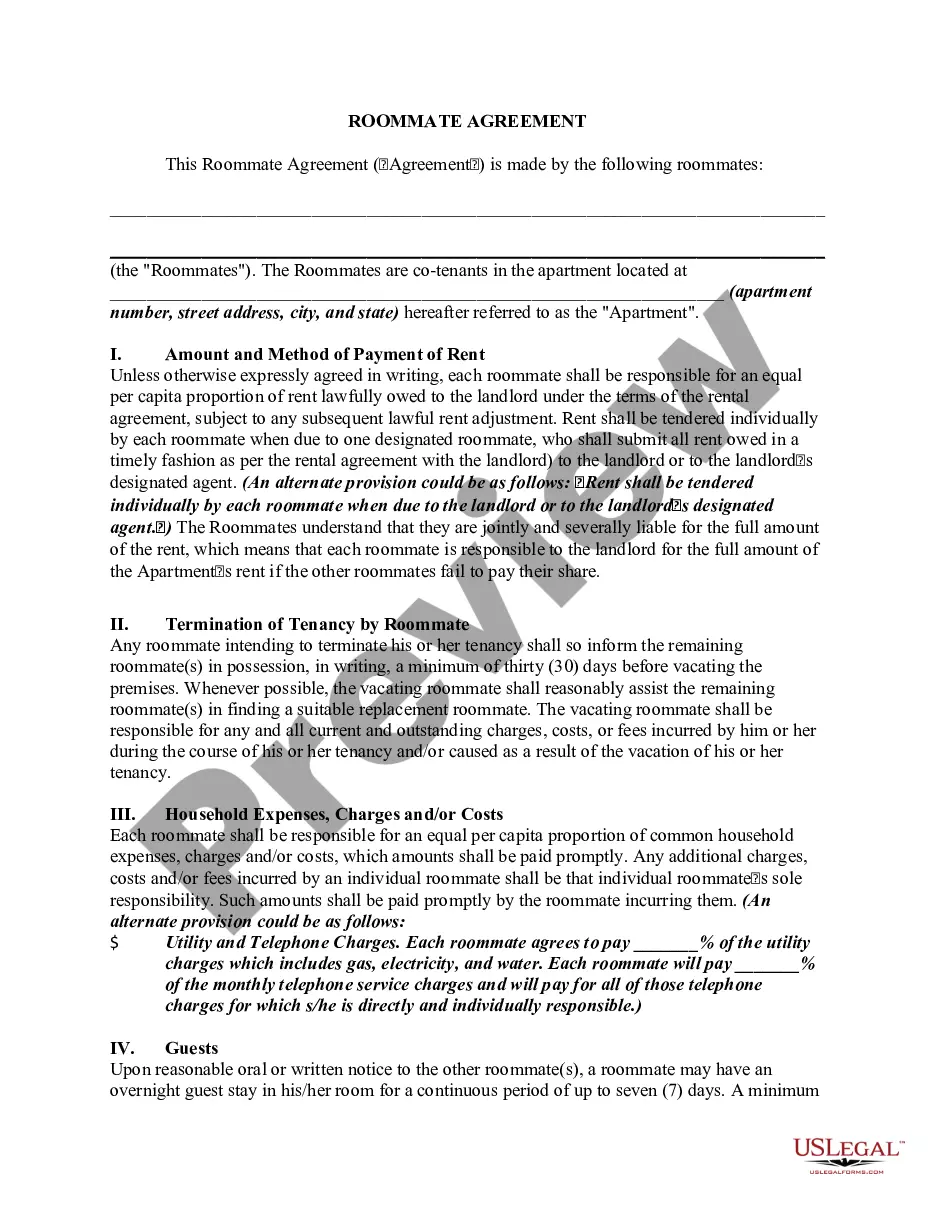
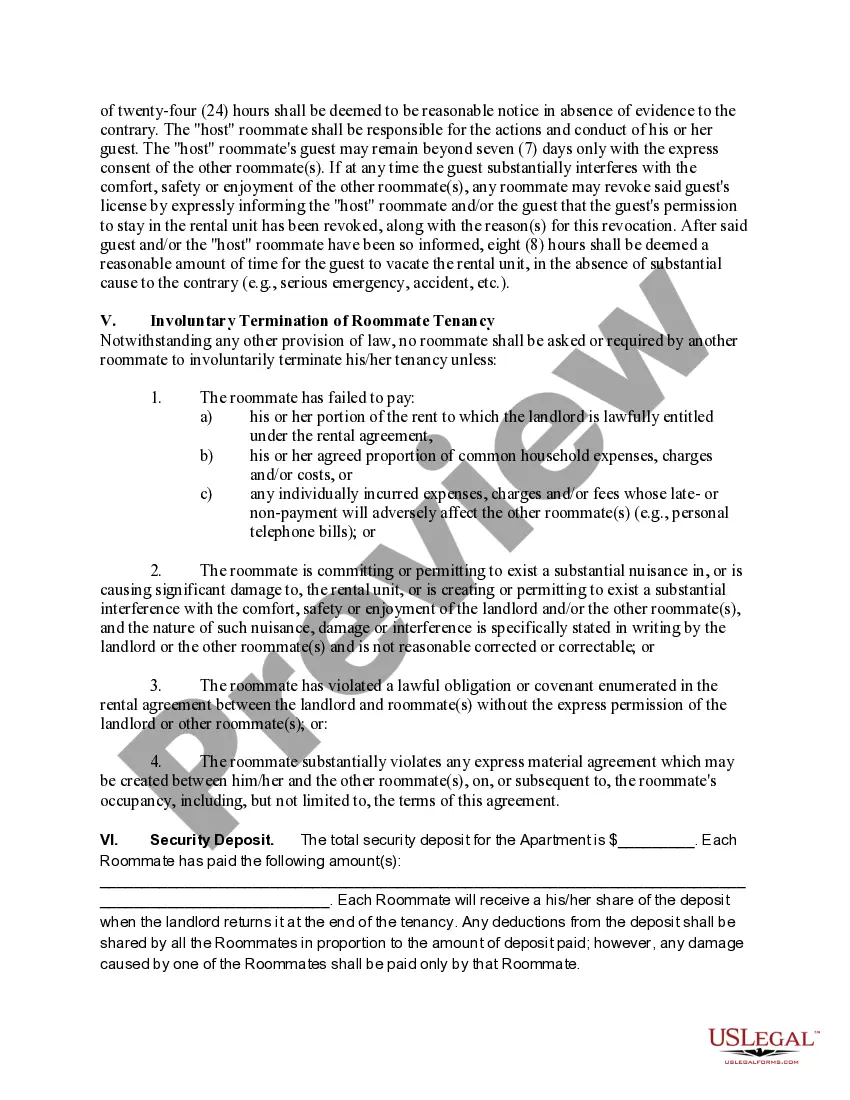
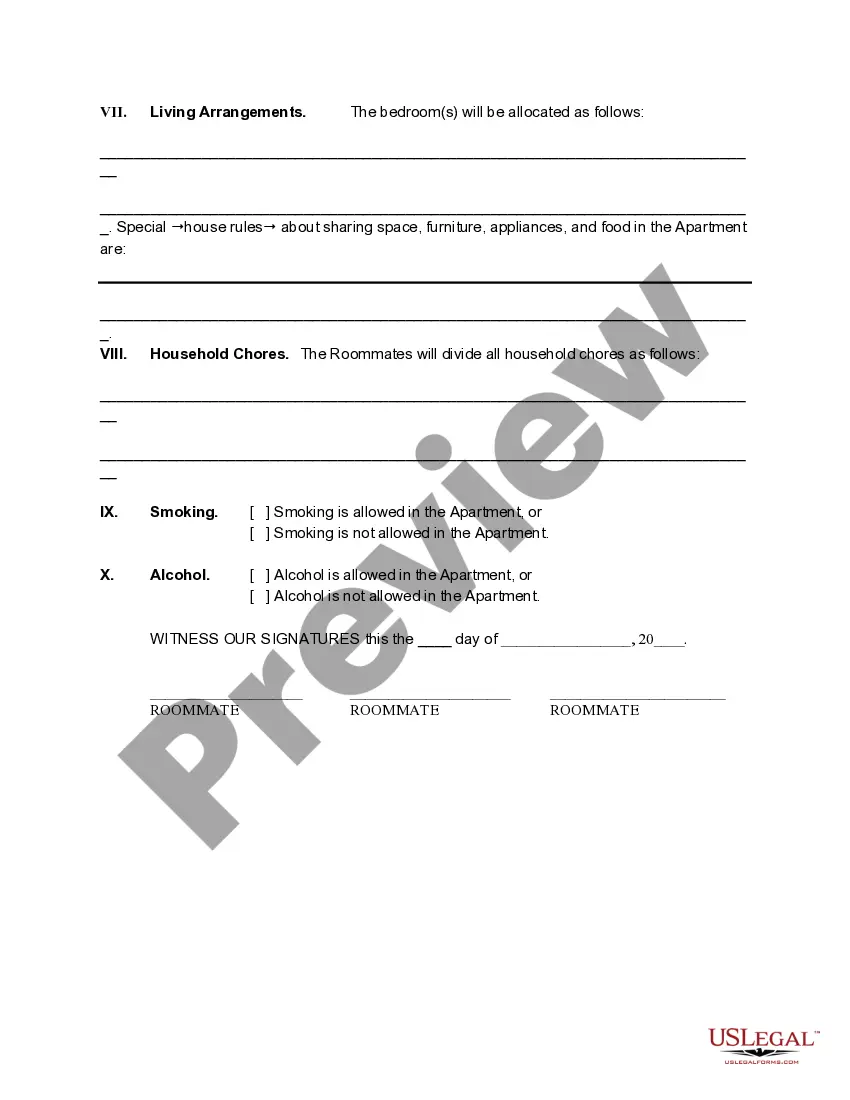

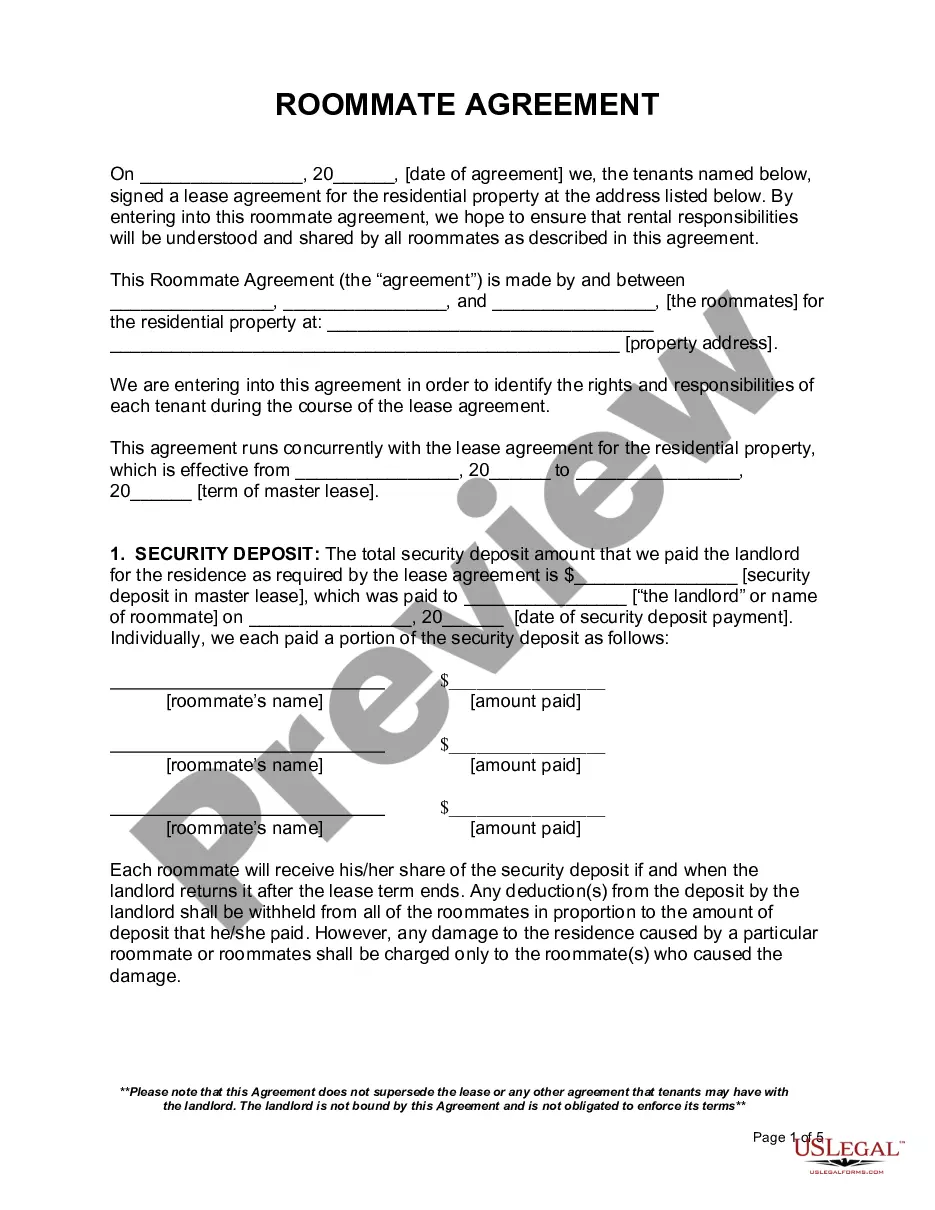
Get your form ready online
Our built-in tools help you complete, sign, share, and store your documents in one place.
Make edits, fill in missing information, and update formatting in US Legal Forms—just like you would in MS Word.
Download a copy, print it, send it by email, or mail it via USPS—whatever works best for your next step.
Sign and collect signatures with our SignNow integration. Send to multiple recipients, set reminders, and more. Go Premium to unlock E-Sign.
If this form requires notarization, complete it online through a secure video call—no need to meet a notary in person or wait for an appointment.
We protect your documents and personal data by following strict security and privacy standards.

Make edits, fill in missing information, and update formatting in US Legal Forms—just like you would in MS Word.

Download a copy, print it, send it by email, or mail it via USPS—whatever works best for your next step.

Sign and collect signatures with our SignNow integration. Send to multiple recipients, set reminders, and more. Go Premium to unlock E-Sign.

If this form requires notarization, complete it online through a secure video call—no need to meet a notary in person or wait for an appointment.

We protect your documents and personal data by following strict security and privacy standards.
Looking for another form?






Form popularity
FAQ
When a tenant signs a lease with a landlord, the tenant agrees that the tenancy will last for a certain amount of time, often one year. During that time, the monthly rent must stay the same and the landlord cannot end the tenancy (evict the tenant) unless the tenant fails to satisfy the conditions in the lease.
Unfortunately, the landlord can refuse to renew, but you can ask for a month to month rental so you can get more time to find a new place. If you have been there 10 years, the landlord should be understanding I would hope, especially if you are not a trouble tenant or short time one.
If you are evicting for a reason other than nonpayment, or for no reason, you must give the tenant a 30 day Notice to Quit. If the eviction is for nonpayment, you must give a 14 day Notice to Quit.
In Massachusetts, if a landlord does not intend to renew a lease, they typically must provide the tenant with at least 30 days' notice before the lease term ends.
It is a legally binding contract detailing the responsibilities both the landlord and the tenant promise to uphold. In addition to specifics like amenities, renovations and other apartment features, the lease includes legal details like: Grounds for lease termination and eviction.
A Massachusetts month-to-month rental agreement creates a short-term lease that allows a tenant to lease a residential property until canceled. Either the landlord or tenant can cancel the agreement by providing sufficient notice of at least 30 days.
Proper Notice Regarding tenancies-at-will, Massachusetts law mandates that landlords provide tenants with at least 30 days' notice before raising rent or if longer, a period equivalent to the frequency of rental payments.
In this type of agreement, you as a landlord give exclusive rights to one agent or company to rent your property during a specified period of time. What's unique in this arrangement, is that it entitles the agency to be the exclusive listing agent for that property.
The amount of notice will depend on the length of the lease term: Monthly Leases - Either 30 days or a number of days equal to the interval between each rent payment. Yearly Leases - Three months of notice, as long as the payment intervals are three months or longer.
The right to enter the apartment A landlord may generally enter the apartment at reasonable times and upon reasonable notice for these reasons: To show the apartment to prospective tenants, purchasers, lenders or their agents. To inspect the premises. To make repairs.
