Roommate Agreement For Couples Format In Travis
Description

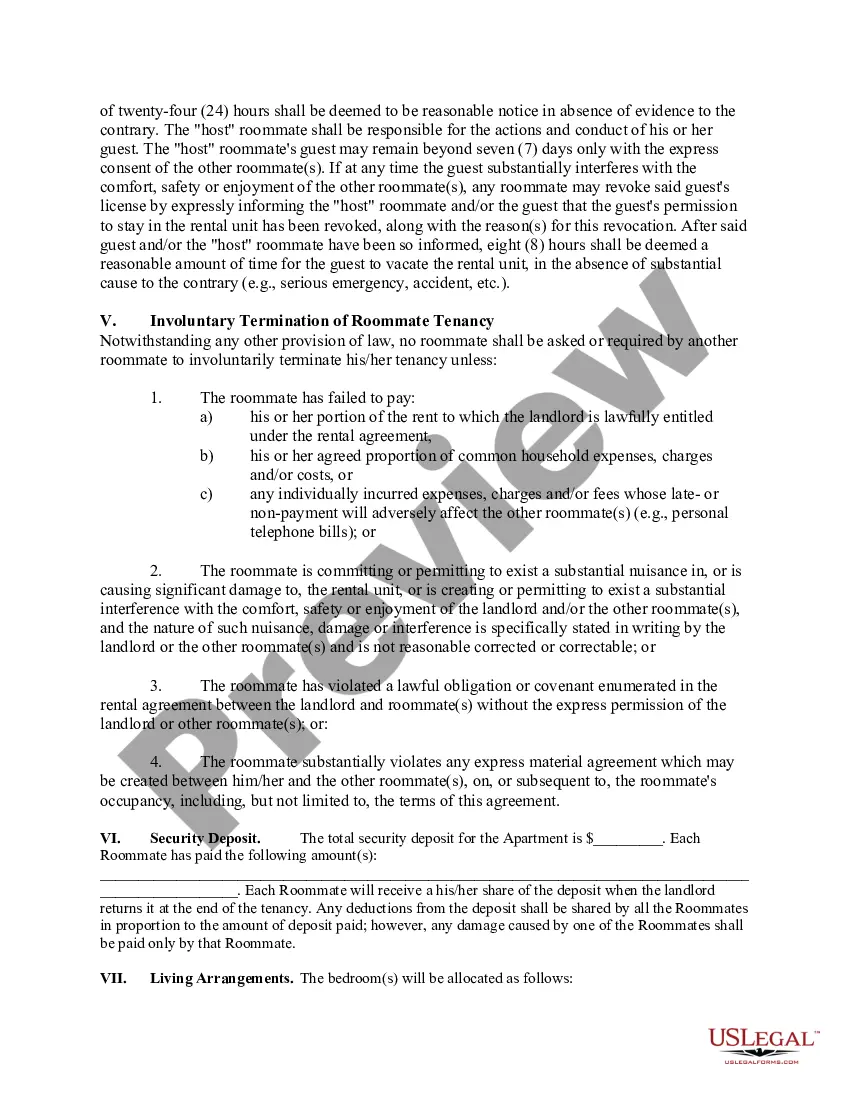
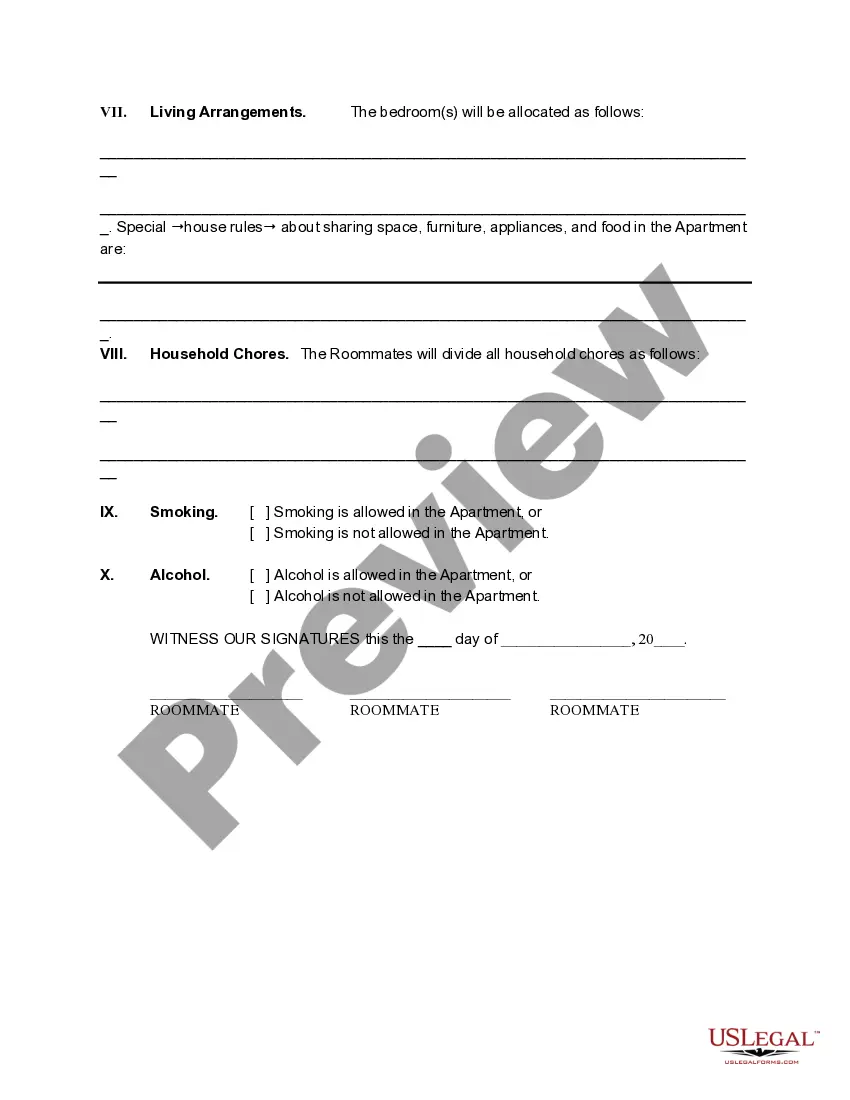

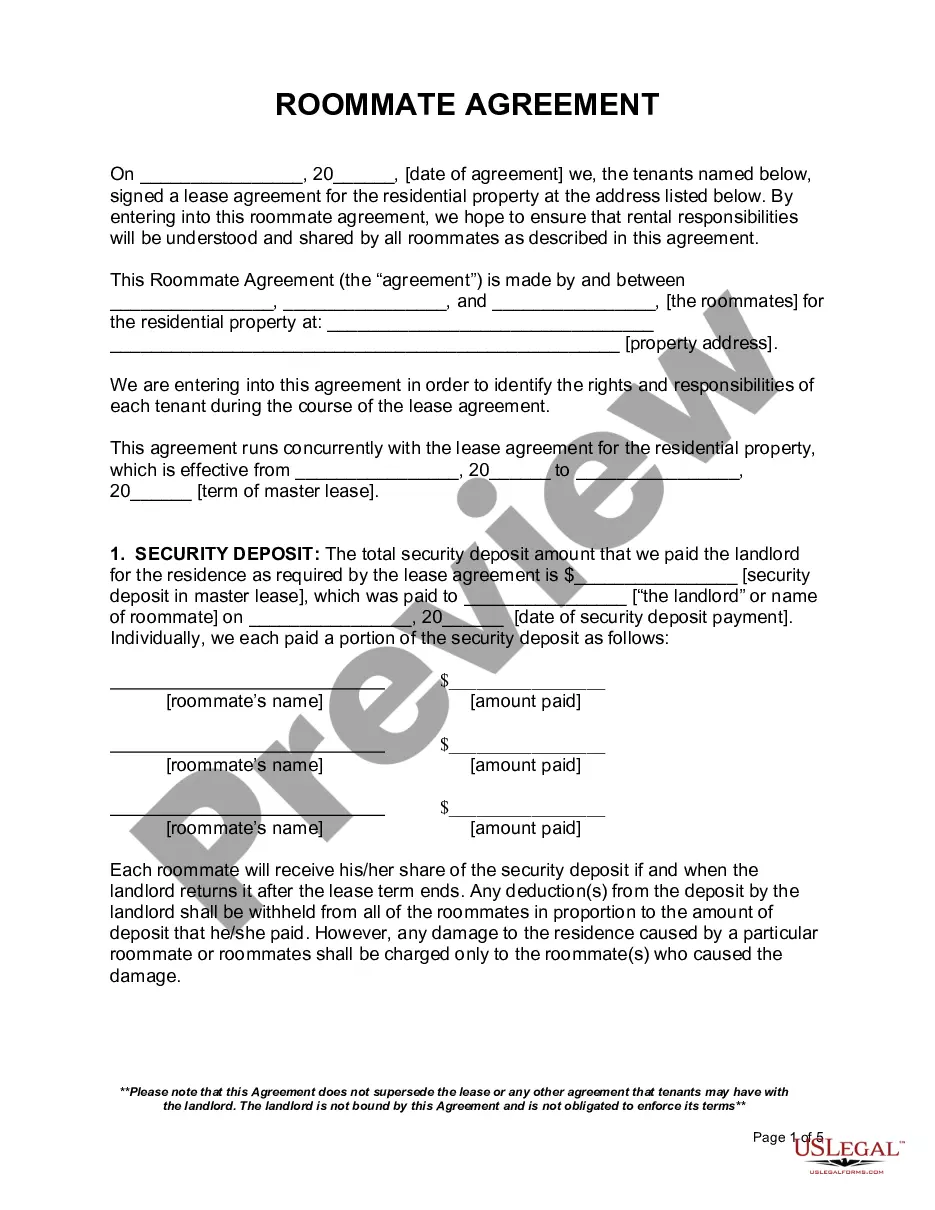
Get your form ready online
Our built-in tools help you complete, sign, share, and store your documents in one place.
Make edits, fill in missing information, and update formatting in US Legal Forms—just like you would in MS Word.
Download a copy, print it, send it by email, or mail it via USPS—whatever works best for your next step.
Sign and collect signatures with our SignNow integration. Send to multiple recipients, set reminders, and more. Go Premium to unlock E-Sign.
If this form requires notarization, complete it online through a secure video call—no need to meet a notary in person or wait for an appointment.
We protect your documents and personal data by following strict security and privacy standards.

Make edits, fill in missing information, and update formatting in US Legal Forms—just like you would in MS Word.

Download a copy, print it, send it by email, or mail it via USPS—whatever works best for your next step.

Sign and collect signatures with our SignNow integration. Send to multiple recipients, set reminders, and more. Go Premium to unlock E-Sign.

If this form requires notarization, complete it online through a secure video call—no need to meet a notary in person or wait for an appointment.

We protect your documents and personal data by following strict security and privacy standards.
Looking for another form?

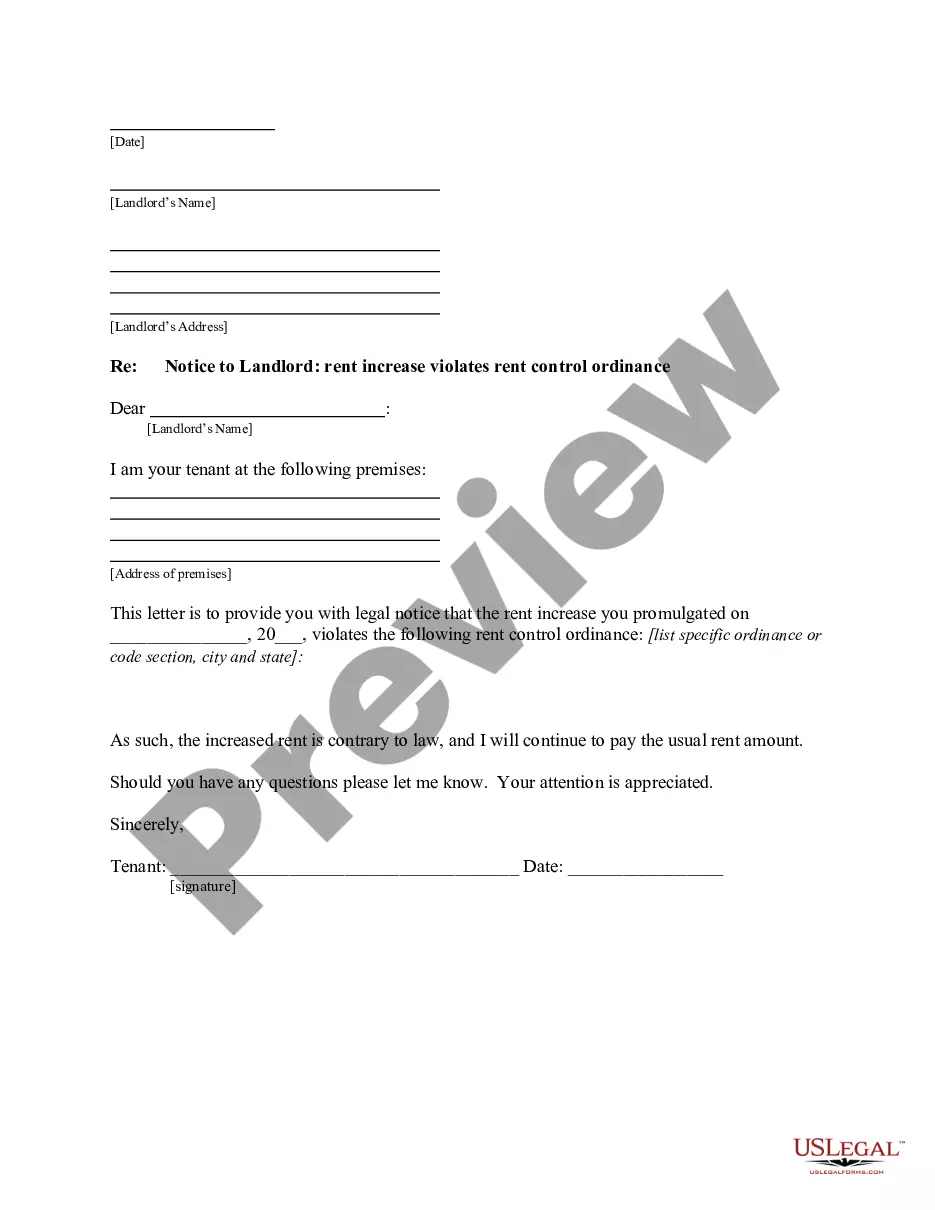





Form popularity
FAQ
A roommate arrangement is when multiple adults occupy a single unit together. In most cases, the renters are not related, but siblings and cousins can be roommates as well. With a traditional roommate arrangement, all roommates share a single lease.
However, it's crucial to remember that while your roommate agreement is a binding contract between the roommates, it's not the same as a formal lease agreement. Thus, any eviction based on it must still adhere to Florida's landlord-tenant laws.
How to write a roommate agreement Names of both tenants. The property address. The dates the lease begins and ends. The amount of rent each person pays. Who pays for utilities. Who pays the security deposit. Which bedroom each person occupies. Who buys food, or if you're each buying your own food.
Florida law allows for a legal action know as an Ejectment to remove a non-rent paying person living in your home, who has not signed a lease and has no title or interest in the property. Often times, this involves a person whom you have allowed to live in your home and who later refuses to leave when asked.
An “occupant/roommate” is someone who rents from another tenant with whom they live – not the landlord. Occupants/roommates are not protected by the RTA and cannot access the RTB's services. Legal disputes between roommates can be resolved through the Civil Resolution Tribunal.
An “occupant/roommate” is a person who rents from a tenant with whom they live, rather than the landlord, and is therefore not covered under the Residential Tenancy Act. This type of living situation is common in shared houses where a “head-tenant” rents out bedrooms to roommates.
Roommate caps in British Columbia Roommate caps vary by municipality, but in general they prohibit more than five unrelated people from living together in one home.
In the United Kingdom, the term "roommate" means a person sharing the same bedroom; in the United States and Canada, "roommate" and "housemate" are used interchangeably regardless of whether a bedroom is shared, although at US universities having a roommate commonly implies sharing a bedroom.
