Lease Agreement Between Boyfriend And Girlfriend For Divorce In Suffolk
Description

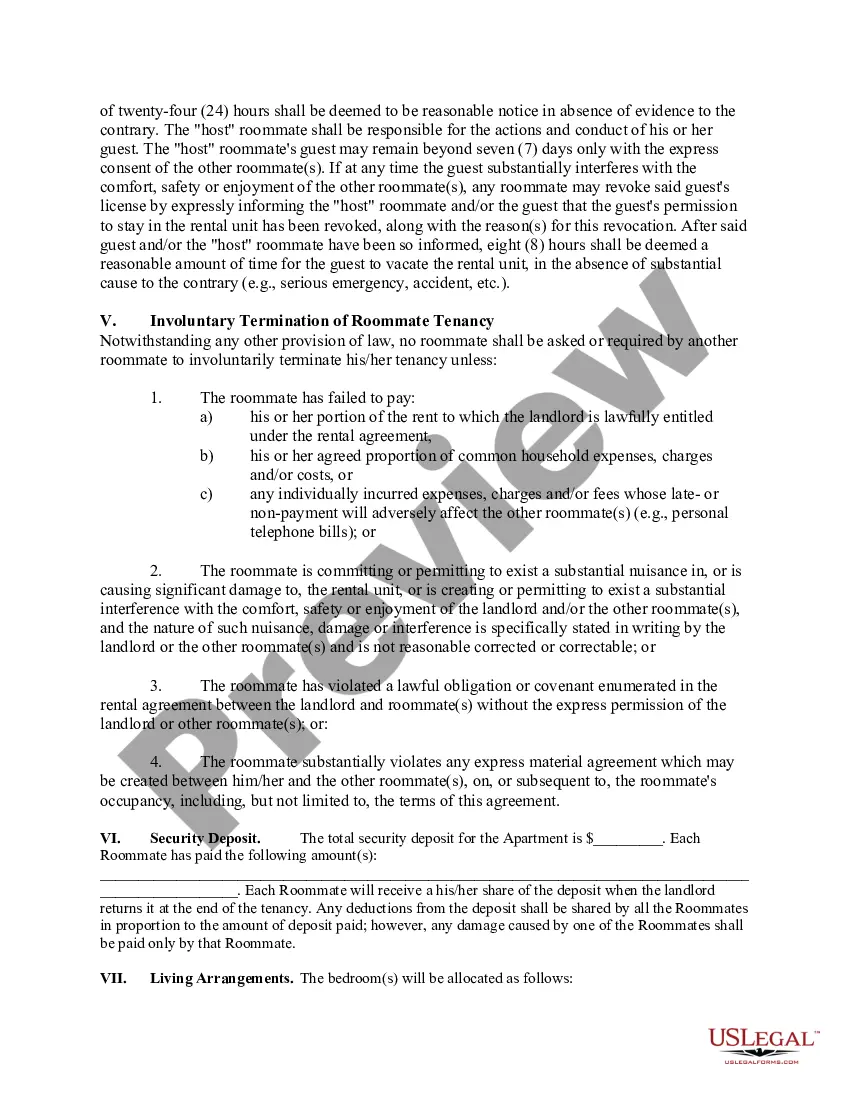
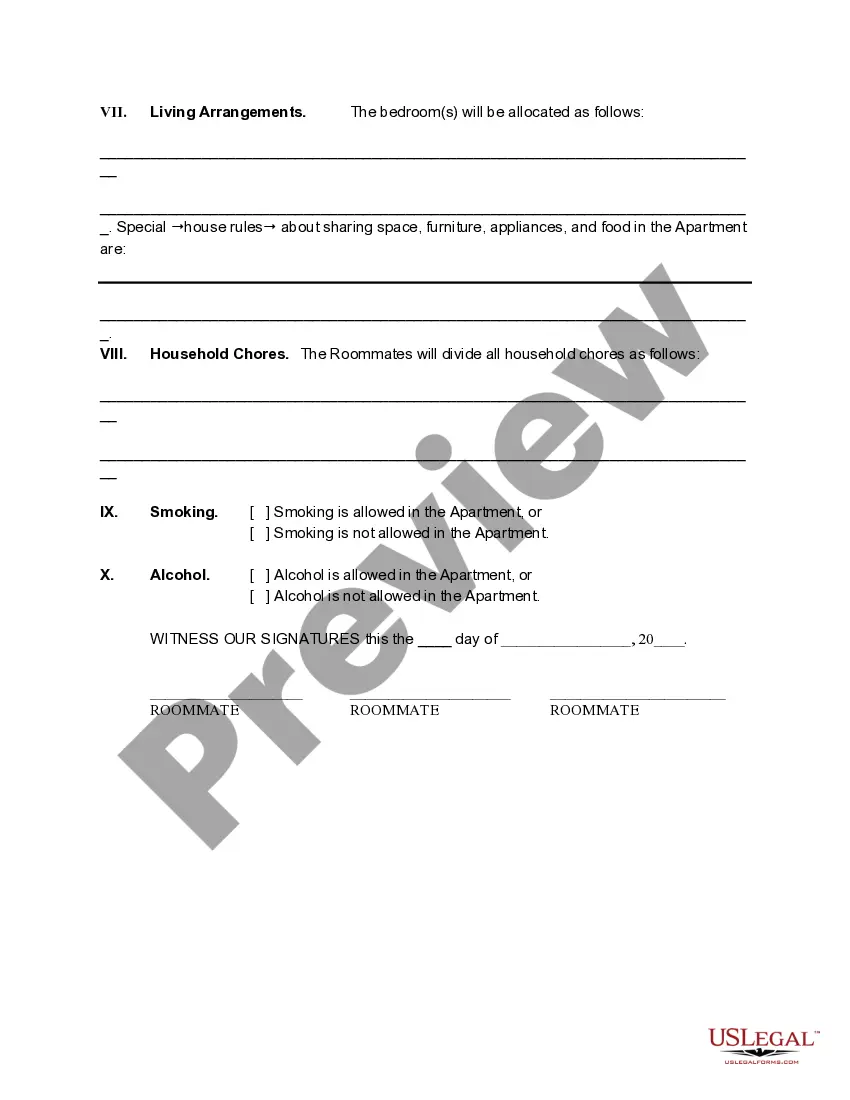

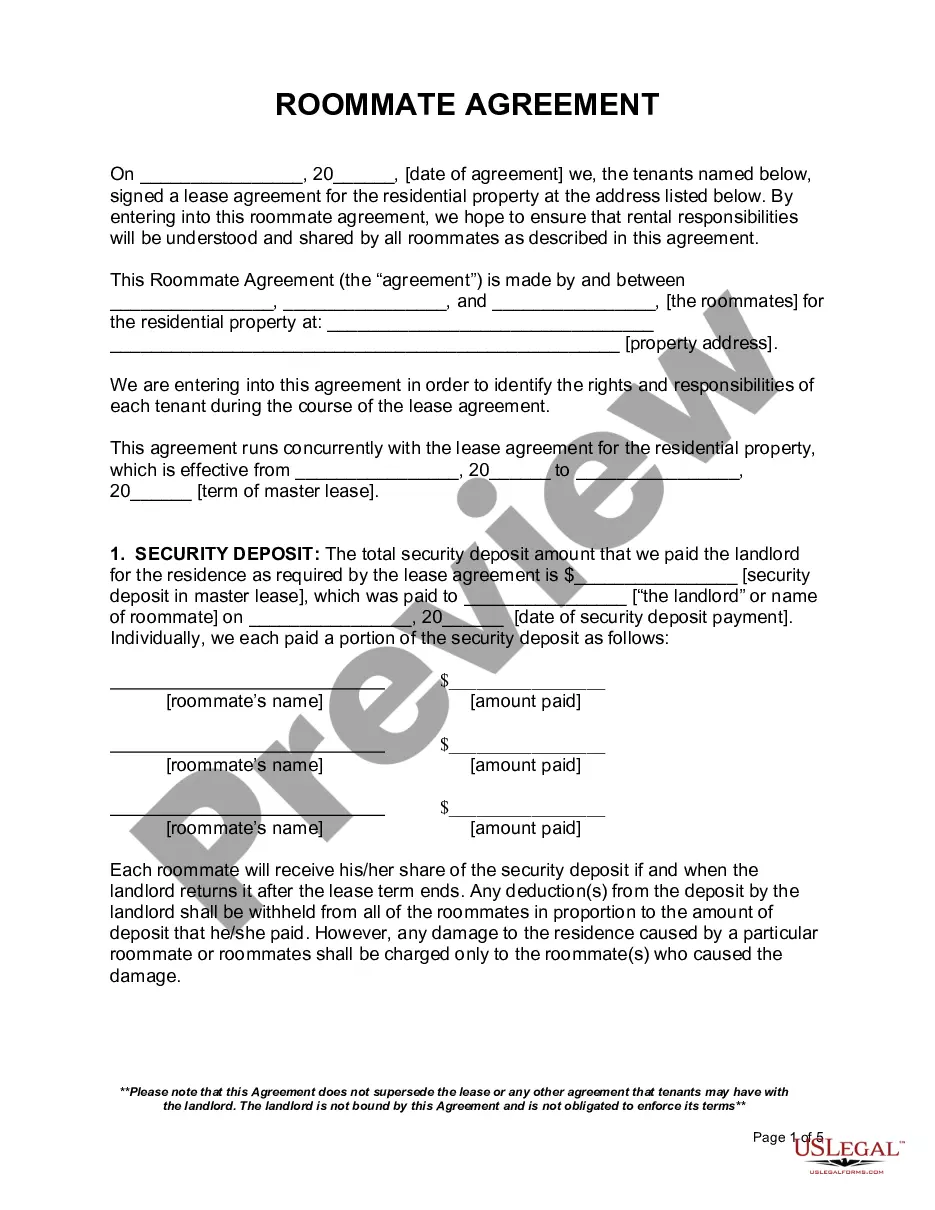
Get your form ready online
Our built-in tools help you complete, sign, share, and store your documents in one place.
Make edits, fill in missing information, and update formatting in US Legal Forms—just like you would in MS Word.
Download a copy, print it, send it by email, or mail it via USPS—whatever works best for your next step.
Sign and collect signatures with our SignNow integration. Send to multiple recipients, set reminders, and more. Go Premium to unlock E-Sign.
If this form requires notarization, complete it online through a secure video call—no need to meet a notary in person or wait for an appointment.
We protect your documents and personal data by following strict security and privacy standards.

Make edits, fill in missing information, and update formatting in US Legal Forms—just like you would in MS Word.

Download a copy, print it, send it by email, or mail it via USPS—whatever works best for your next step.

Sign and collect signatures with our SignNow integration. Send to multiple recipients, set reminders, and more. Go Premium to unlock E-Sign.

If this form requires notarization, complete it online through a secure video call—no need to meet a notary in person or wait for an appointment.

We protect your documents and personal data by following strict security and privacy standards.
Looking for another form?
Form popularity
FAQ
They simply need to prepare a simple lease amendment that states that the parties intend to amend that certain lease dated XX between them and you & boyfriend and state that your boyfriend is hereby released from the lease and the lease is amended to remove all references to his name.
If the lease is solely in your name, you could do a formal eviction of partner vs having to move out. The process varies by state and some cities. But usually you have to give at least 30 days notice and follow the legal steps for it to be enforceable.
What usually happens is that one or both parties moves out. The one that remains retains the lease and the one who leaves is quits (absent a prior contractual arrangement). If both leave, the lease is dissolved (ing to the terms of the lease arrangement).
Yes, someone can live in a house without being on the lease, but there are important considerations: Permission from the Leaseholder: The primary leaseholder (the person whose name is on the lease) must give permission for the person to live there. This is often referred to as a guest or unauthorized occupant.
You may have a legal tenancy even if you don't have a written agreement, as long as you are paying rent and living in the property. However, your rights and obligations may be limited or unclear without a written contract.
Moving out during a divorce can be seen as a significant mistake for several reasons: Legal Implications: Leaving the marital home can affect custody arrangements and property division. Courts may view the move as a relinquishment of rights to the home or as a factor in custody decisions.
There's no law preventing anyone from living with someone who's not their spouse during a divorce.
Each person named on the tenancy agreement needs to sign the agreement and all tenants must be over 18 years old. If someone under the age of 18 is occupying the property they can be named as an occupier but not legally sign the agreement.
If you're married or in a civil partnership Your partner will have rights in the home after they move in, even if they're not on the tenancy agreement: you cannot end the tenancy without their permission, unless you apply for a court order.
What usually happens is that one or both parties moves out. The one that remains retains the lease and the one who leaves is quits (absent a prior contractual arrangement). If both leave, the lease is dissolved (ing to the terms of the lease arrangement).