Girlfriend Contract With Husband In Kings
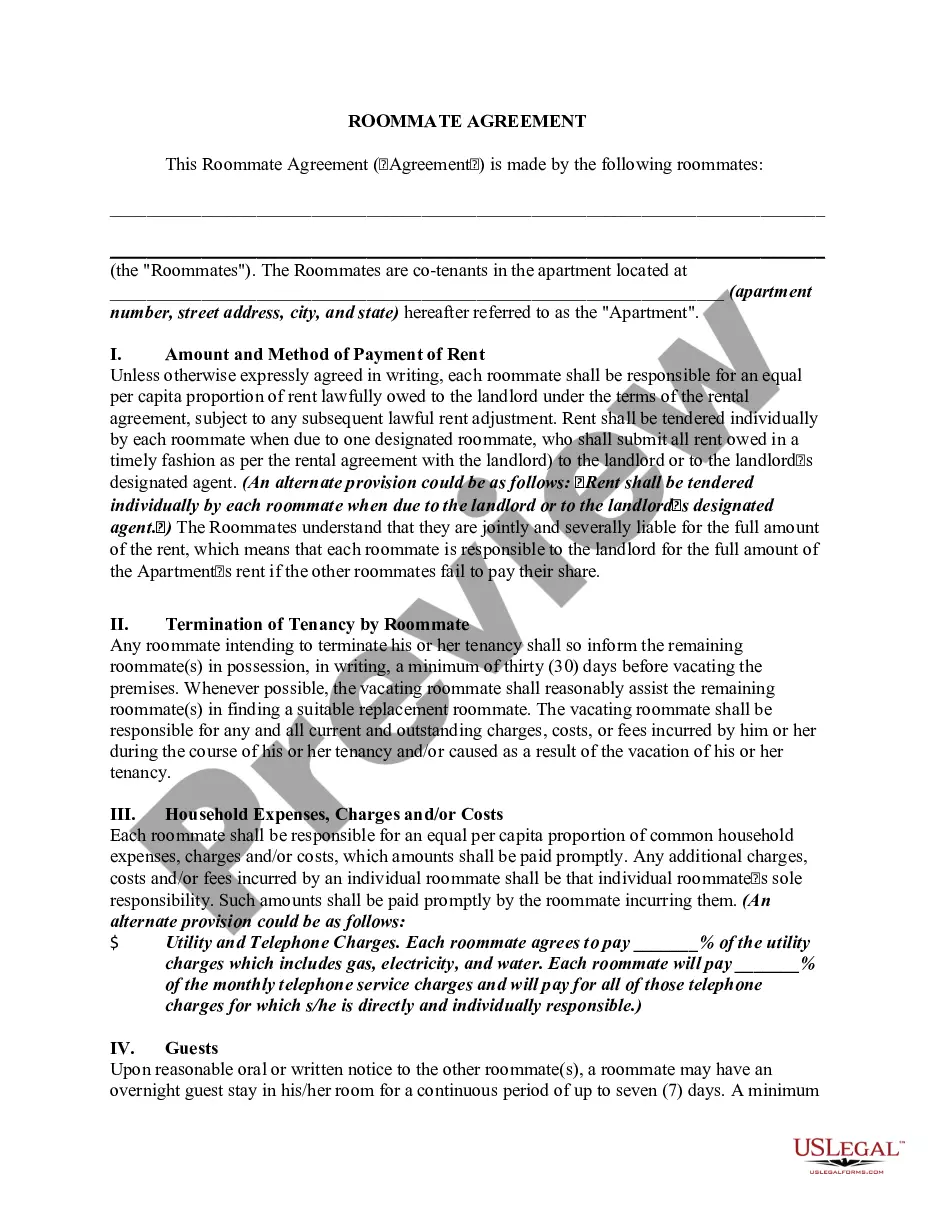
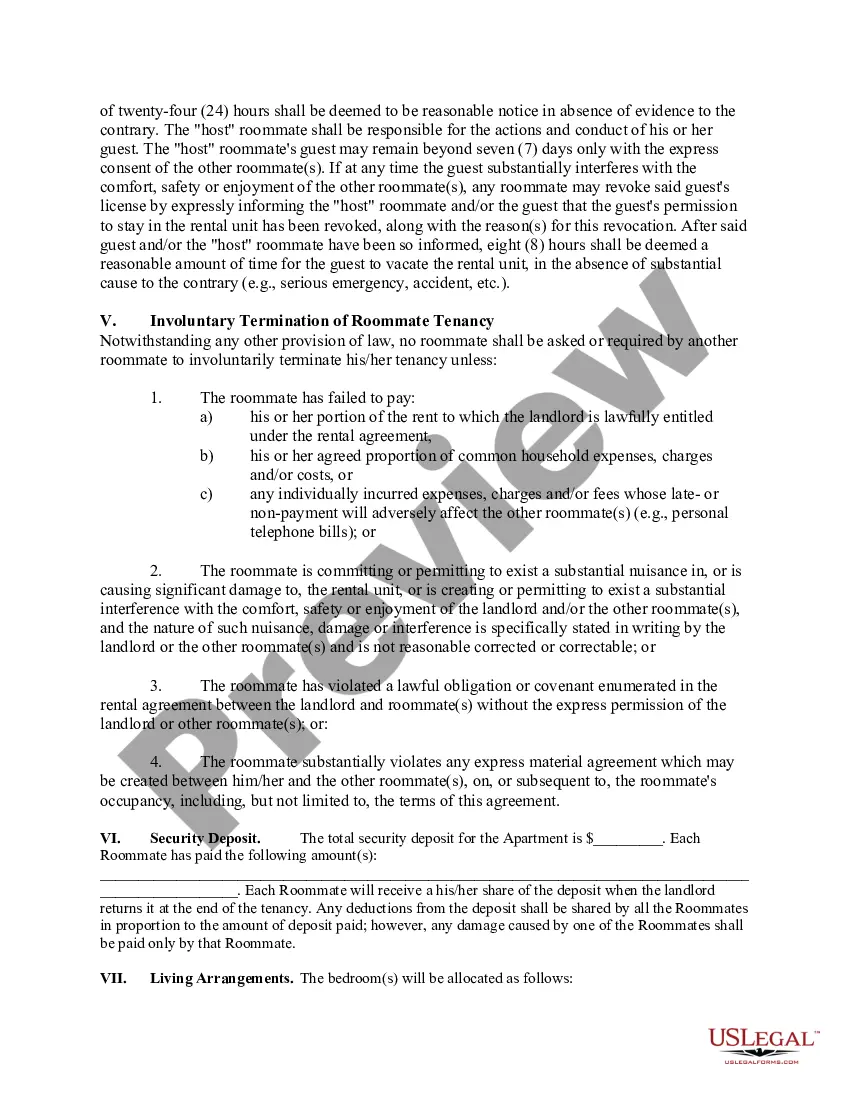
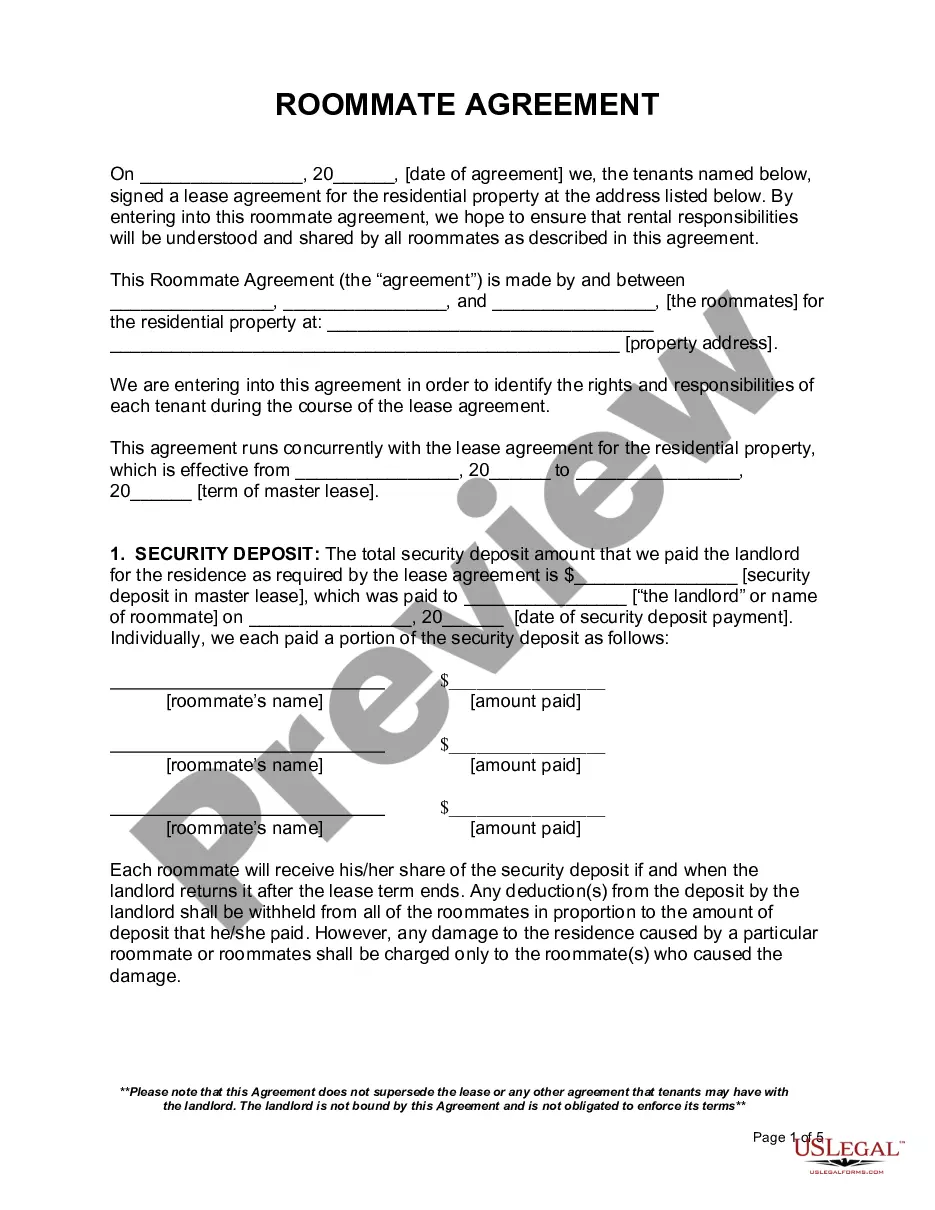
Description

Get your form ready online
Our built-in tools help you complete, sign, share, and store your documents in one place.
Make edits, fill in missing information, and update formatting in US Legal Forms—just like you would in MS Word.
Download a copy, print it, send it by email, or mail it via USPS—whatever works best for your next step.
Sign and collect signatures with our SignNow integration. Send to multiple recipients, set reminders, and more. Go Premium to unlock E-Sign.
If this form requires notarization, complete it online through a secure video call—no need to meet a notary in person or wait for an appointment.
We protect your documents and personal data by following strict security and privacy standards.

Make edits, fill in missing information, and update formatting in US Legal Forms—just like you would in MS Word.

Download a copy, print it, send it by email, or mail it via USPS—whatever works best for your next step.

Sign and collect signatures with our SignNow integration. Send to multiple recipients, set reminders, and more. Go Premium to unlock E-Sign.

If this form requires notarization, complete it online through a secure video call—no need to meet a notary in person or wait for an appointment.

We protect your documents and personal data by following strict security and privacy standards.
Looking for another form?
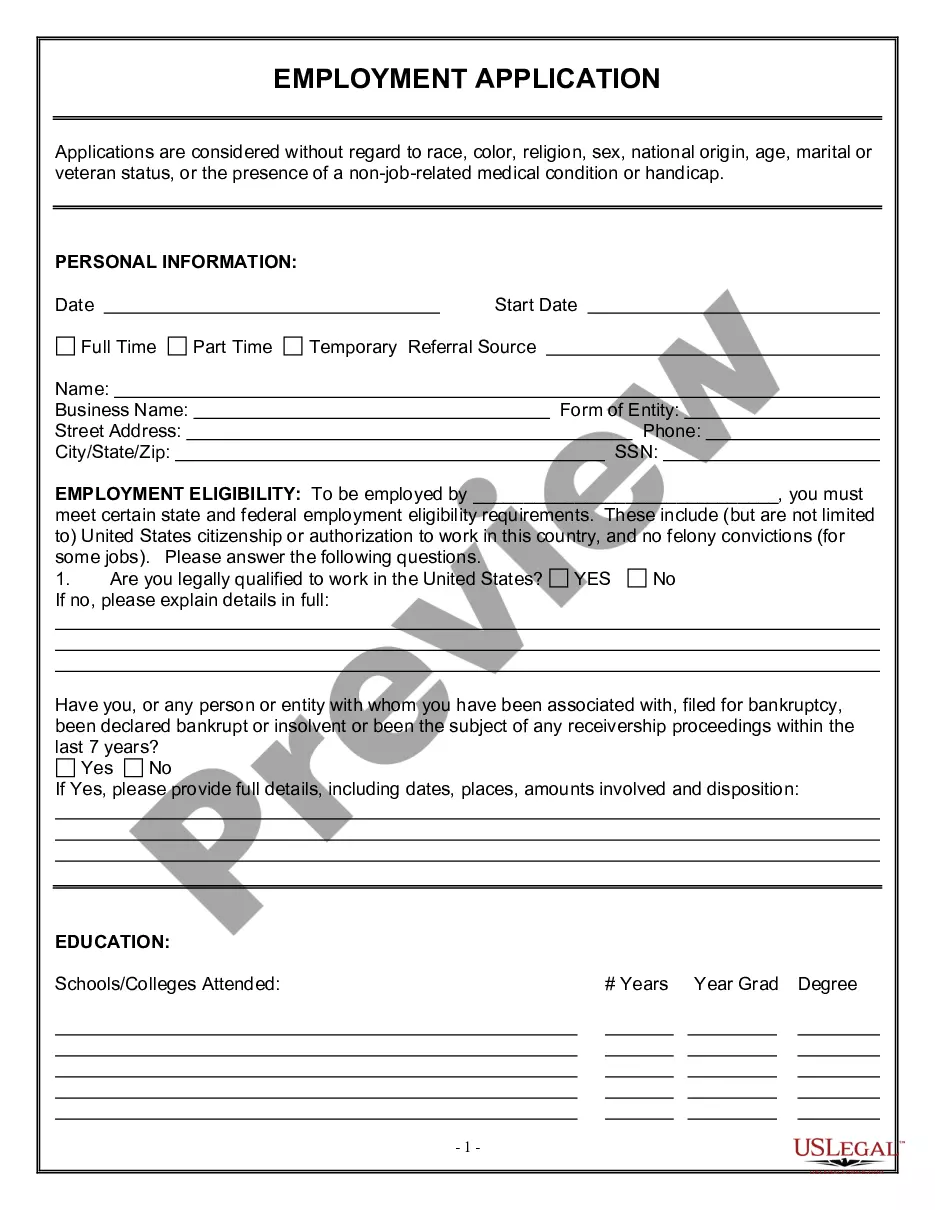
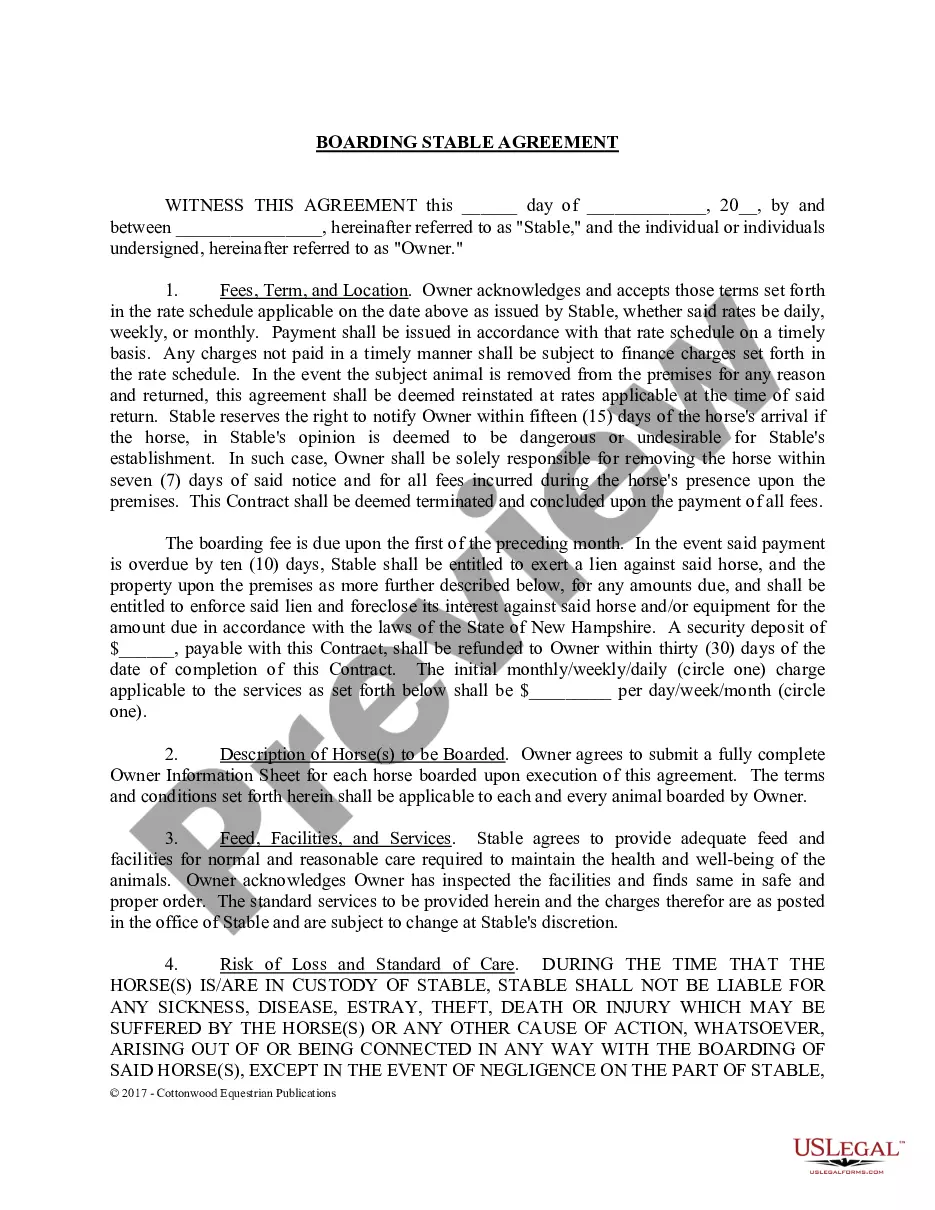

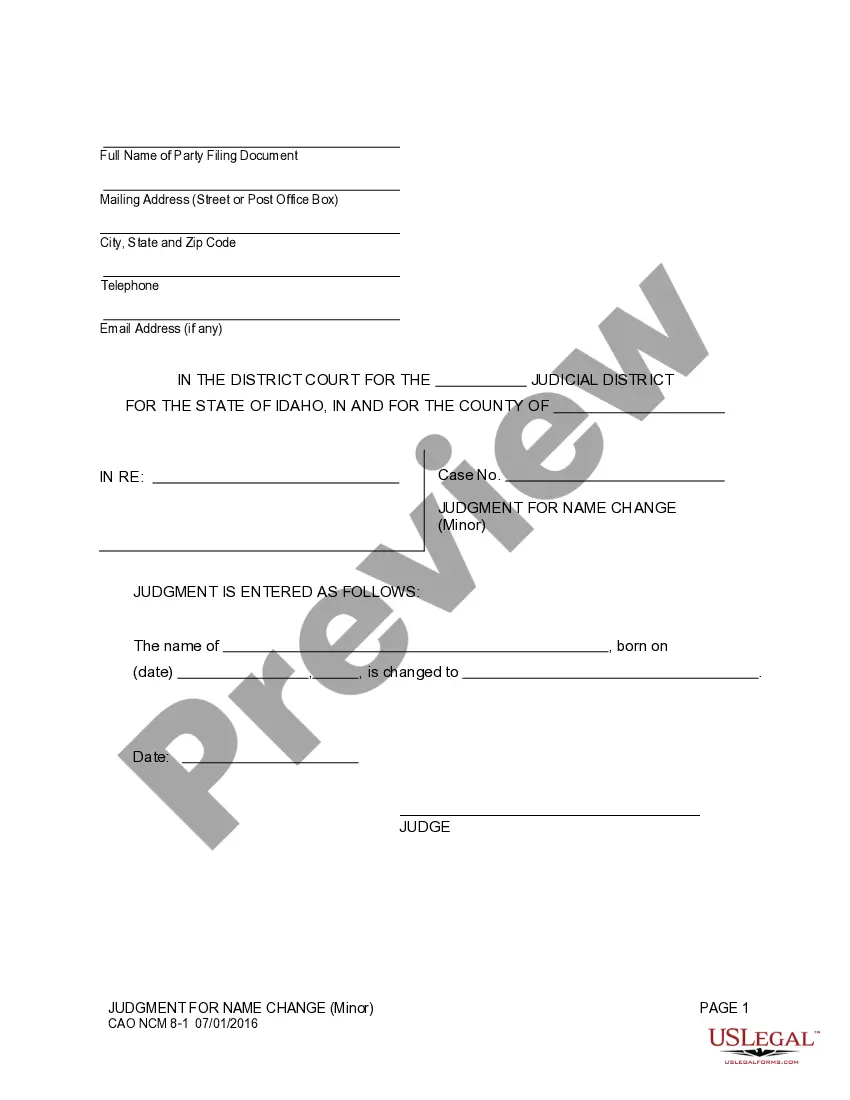
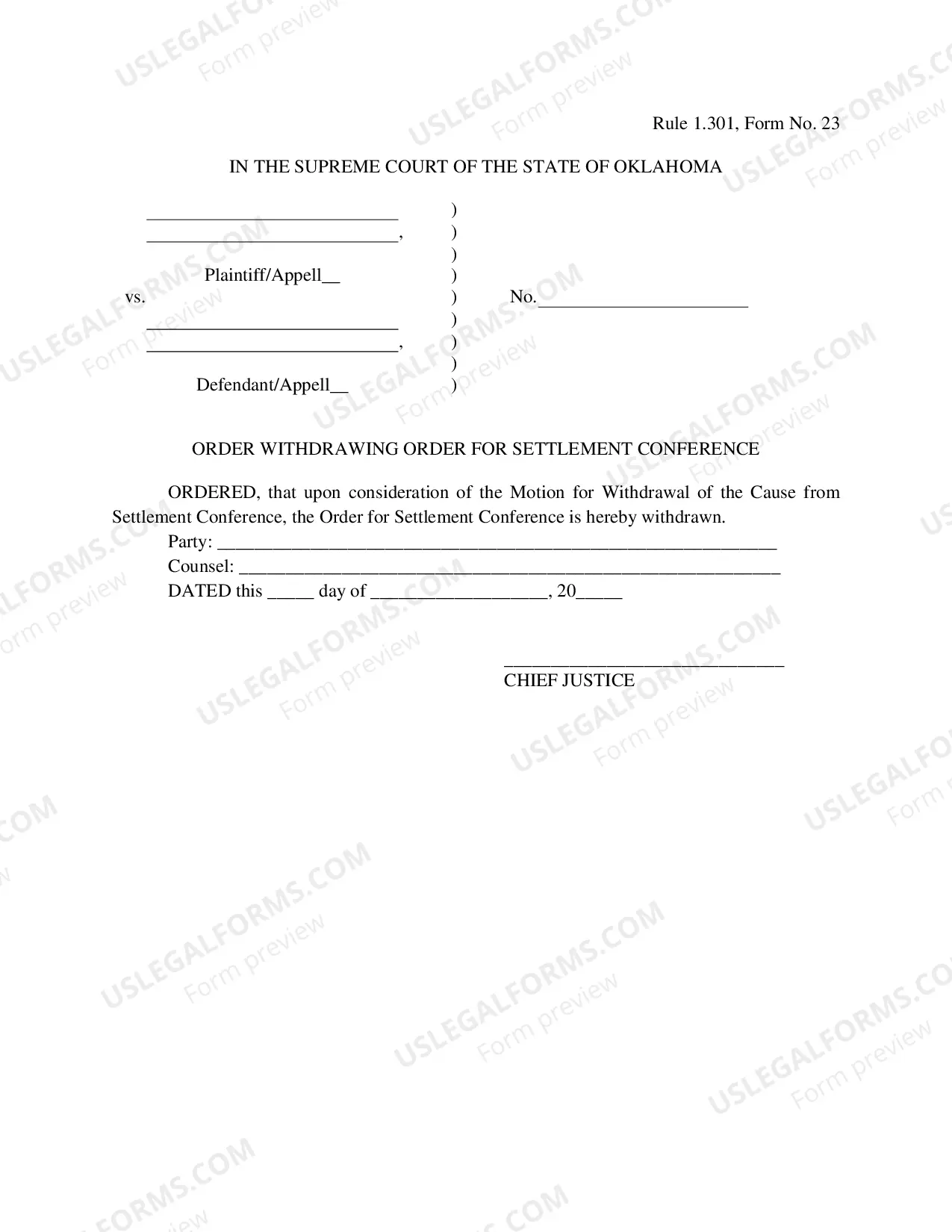


Form popularity
FAQ
No, those didn't start to catch on in the west until around the end of the 18th century. Before that, the notion that people should marry for love (and on their own decision) was frequently mocked as silly and unworkable. They happened occasionally, but were absolutely not the norm.
Registered marriage and contract marriage are two different types of marriage, with some key differences. Here are some of the main differences: 1. Legal status: Registered marriages are recognized by law and are legally binding, whereas contract marriages are not recognized by law and are not legally binding. 2.
Henry VII. By contemporary reports, Henry VII seems to have loved his wife, Elizabeth of York and was faithful to her.
Bachelor King Rules England For the First Time Since 1760; Four Monarchs Were Never Wed -- Thirteen Married After Their Accession -- William II, Son of the Conqueror, Was the First Unmarried King After the Norman Conquest.
Marriage is the legal union of individuals. The basic elements of a marriage are: (1) the parties' legal ability to marry each other, (2) mutual consent of the parties, and (3) a marriage contract as required by law. See also Common-Law Marriage .
For those in the higher echelons of society in the Tudor period, a good marriage was one that brought about mutual prosperity and advancement in status, or strengthened alliances. Romantic love was frowned upon, and was certainly no basis for matrimony.
There are examples such as Henry VII of England and Elizabeth of York. Henry VII was one of the few faithful Kings in a time where it was expected for Kings to have a mistress, and though the marriage was a political one, the two did eventually fall in love with one another.
Yes, many kings and queens throughout history have genuinely been in love, though the nature of their relationships often varied due to political pressures, dynastic obligations, and societal norms. Here are a few notable examples: Queen Victoria and Prince Albert: Their marriage is often cited as a true love match.
Yes, it is possible for a boyfriend and girlfriend to create a contract. This contract could cover various aspects of their relationship, such as financial agreements, living arrangements, division of responsibilities, and expectations from each other.
Yes, it is possible for a boyfriend and girlfriend to create a contract. This contract could cover various aspects of their relationship, such as financial agreements, living arrangements, division of responsibilities, and expectations from each other.
