Lease Agreement Between Boyfriend And Girlfriend For The First Time In Florida
Description
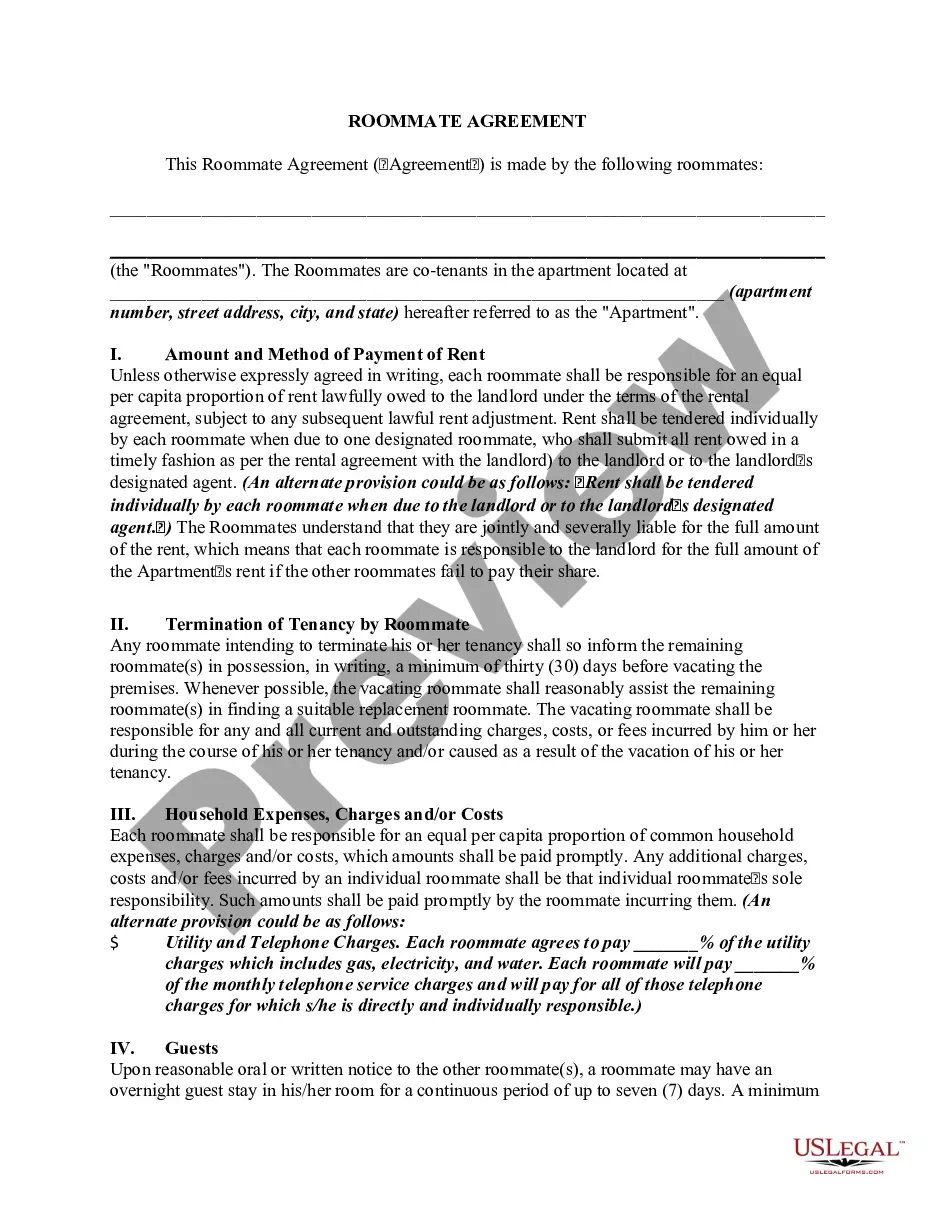
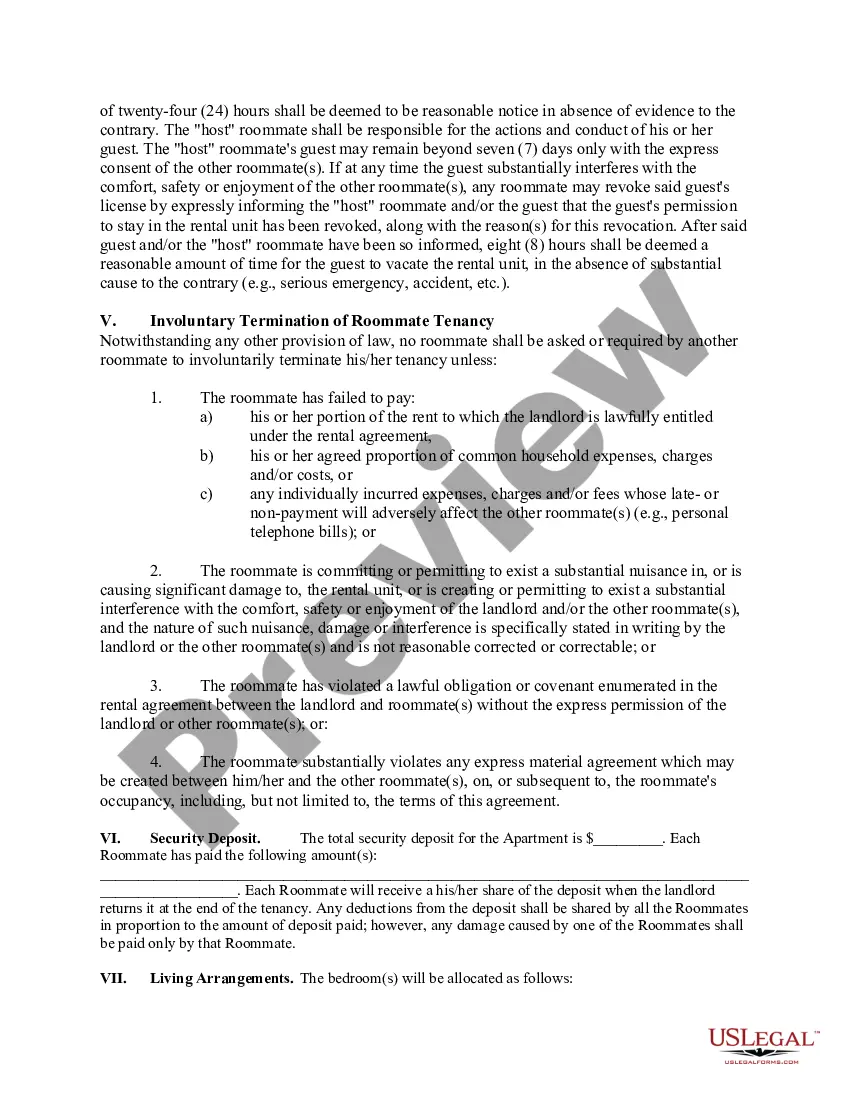
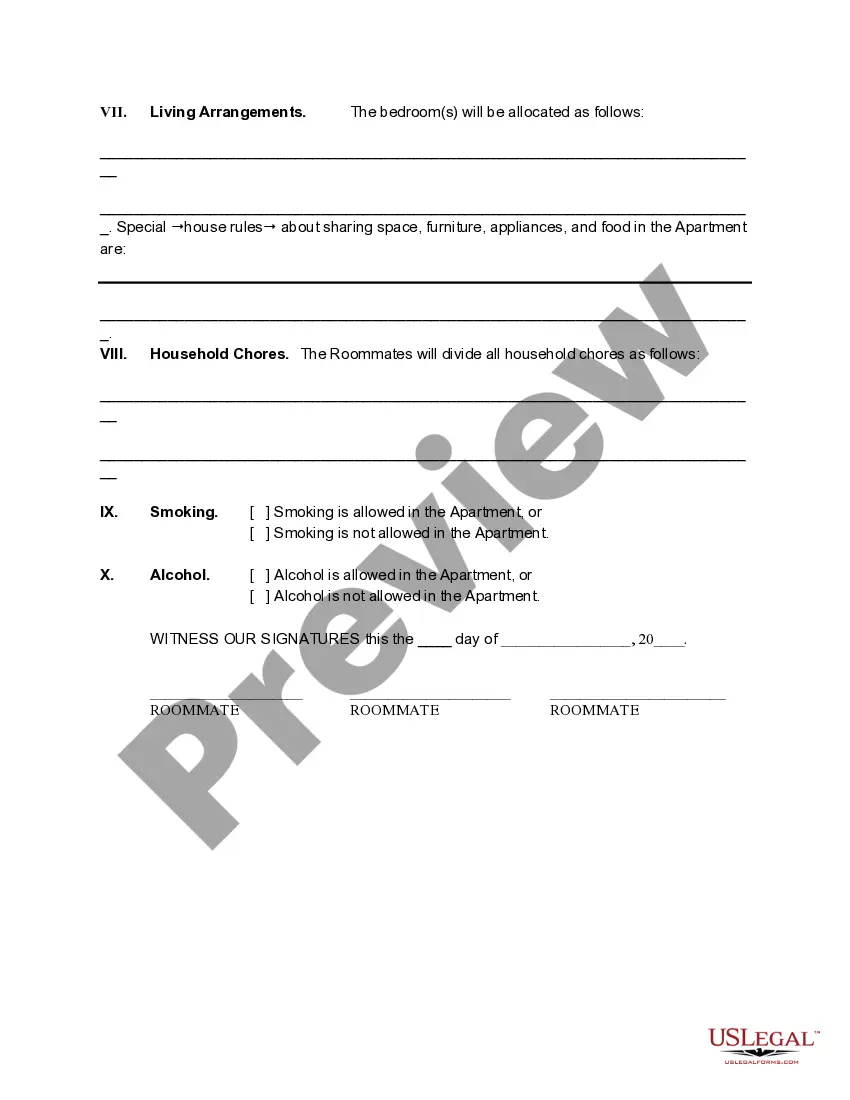
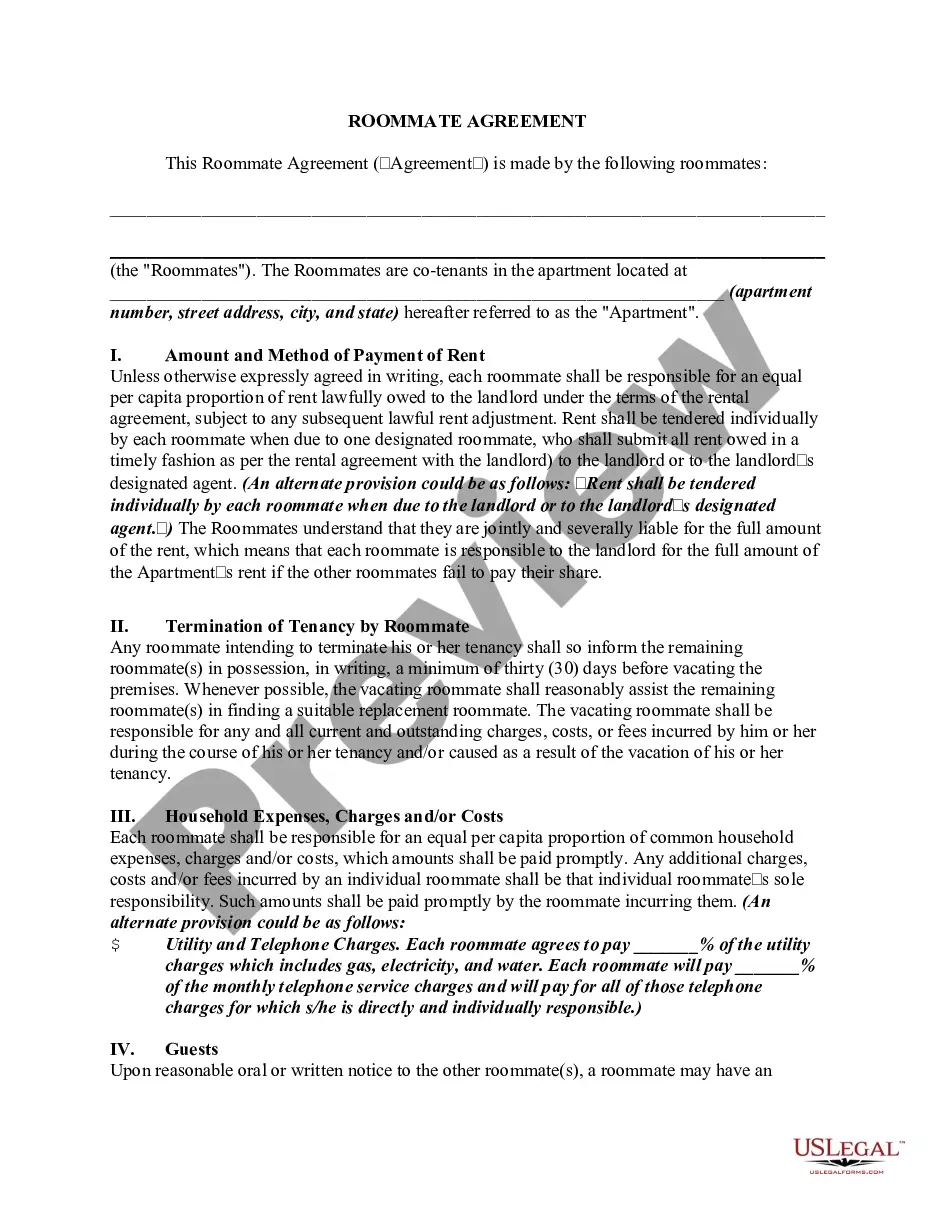
Get your form ready online
Our built-in tools help you complete, sign, share, and store your documents in one place.
Make edits, fill in missing information, and update formatting in US Legal Forms—just like you would in MS Word.
Download a copy, print it, send it by email, or mail it via USPS—whatever works best for your next step.
Sign and collect signatures with our SignNow integration. Send to multiple recipients, set reminders, and more. Go Premium to unlock E-Sign.
If this form requires notarization, complete it online through a secure video call—no need to meet a notary in person or wait for an appointment.
We protect your documents and personal data by following strict security and privacy standards.

Make edits, fill in missing information, and update formatting in US Legal Forms—just like you would in MS Word.

Download a copy, print it, send it by email, or mail it via USPS—whatever works best for your next step.

Sign and collect signatures with our SignNow integration. Send to multiple recipients, set reminders, and more. Go Premium to unlock E-Sign.

If this form requires notarization, complete it online through a secure video call—no need to meet a notary in person or wait for an appointment.

We protect your documents and personal data by following strict security and privacy standards.
Looking for another form?
Form popularity
FAQ
On March 22, 2016, the Florida legislature voted to repeal the state's ban on cohabitation. After passing the Senate unanimously, SB 498 passed the House by a vote of 112–5, and governor Rick Scott signed the bill into law on 6 April 2016.
The Need to Establish Cohabitation Examples could include acting in a manner expected of a permanent supportive relationship, comingling finances, jointly purchasing property, supporting each other's children and the amount of time they have resided together.
Cohabitation agreements are valid and enforceable in the State of Florida if drafted properly. This is not something you should draft on your own. There must be consideration for the cohabitation agreement other than sexual relations. A cohabitation agreement must also be in writing.
The Legal Status of Cohabitating Partners Cohabitating partners do not have the same legal status as married couples. Without a marriage certificate, cohabitating partners are not legally recognized as spouses. This means they do not have automatic rights to each other's property or assets in the event of a separation.
Contact Eko Law today to work with our business attorney in Clearwater. While you can legally write your own commercial lease agreement in Florida, the risks often outweigh the benefits. For most landlords and business owners, the expertise of a qualified attorney is invaluable in this process.
Cohabitation Agreement The Florida cohabitation landscape changed significantly in 2016 when Governor Rick Scott repealed the longstanding Florida statutes. Since 1868, it was technically illegal for an unmarried couple in Florida to live together. This prohibition remained in place despite its rare enforcement.
No, common-law marriages in Florida do not exist. Florida does not recognize couples as having entered into a marriage relationship or agreement after seven years—or any other length of time—of living together, even if the couple has otherwise developed the habits of and reputation as a married couple.
To ensure a Florida lease agreement is legally valid, certain requirements must be met. These include having a written agreement, disclosing necessary information, adhering to security deposit limits, and protecting tenant rights and protections.
Lease agreements are considered to be legally binding once the document is signed by both parties.
How to write a Florida lease agreement Begin with the basics. Include the names and addresses of both the landlord (lessor) and the tenant (lessee), along with the residential property's address. Specify the term of the lease. Address security deposits. Include maintenance responsibilities. Add additional provisions.