Master Deed Condominium Meaning In Sacramento
Description

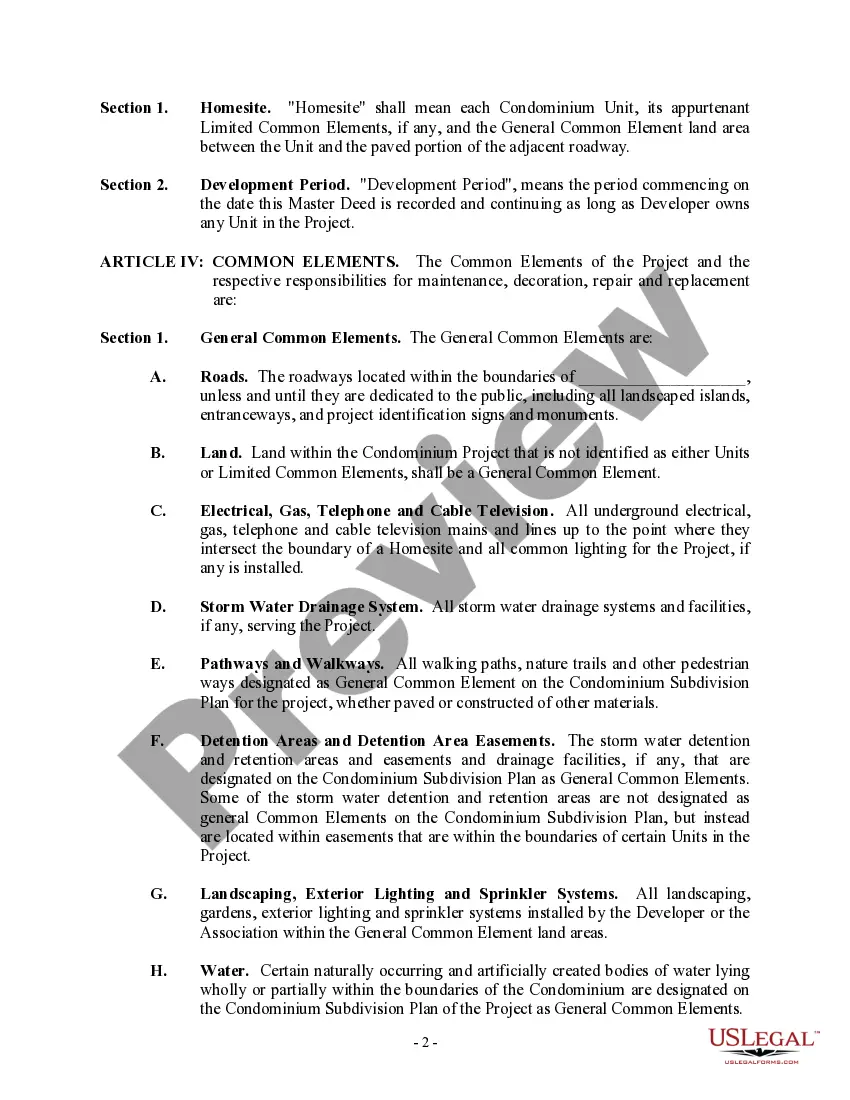
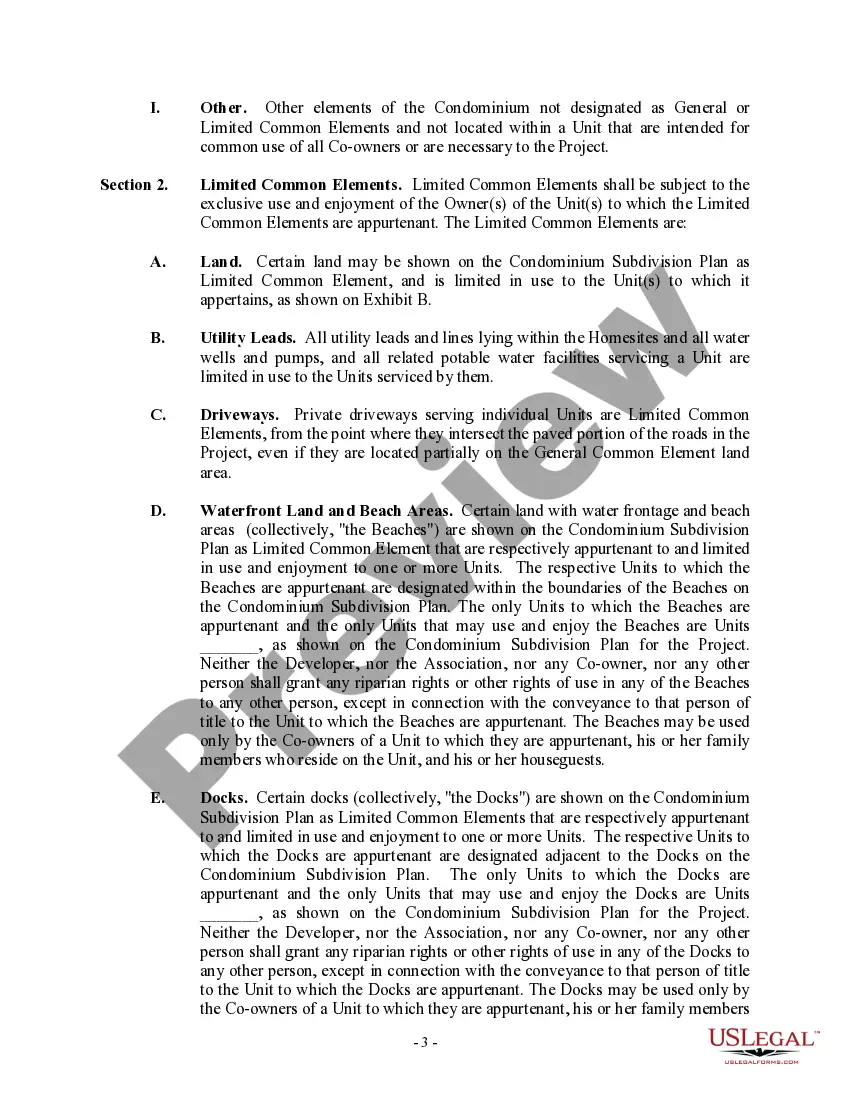
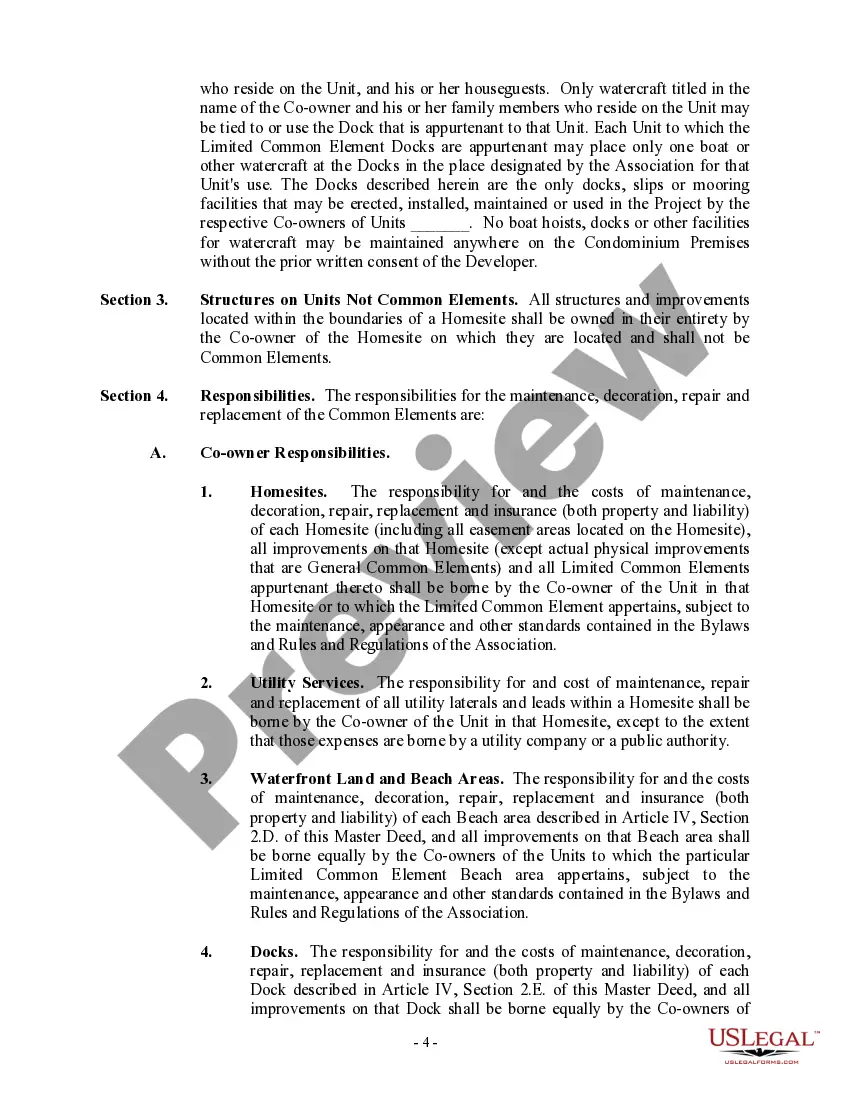
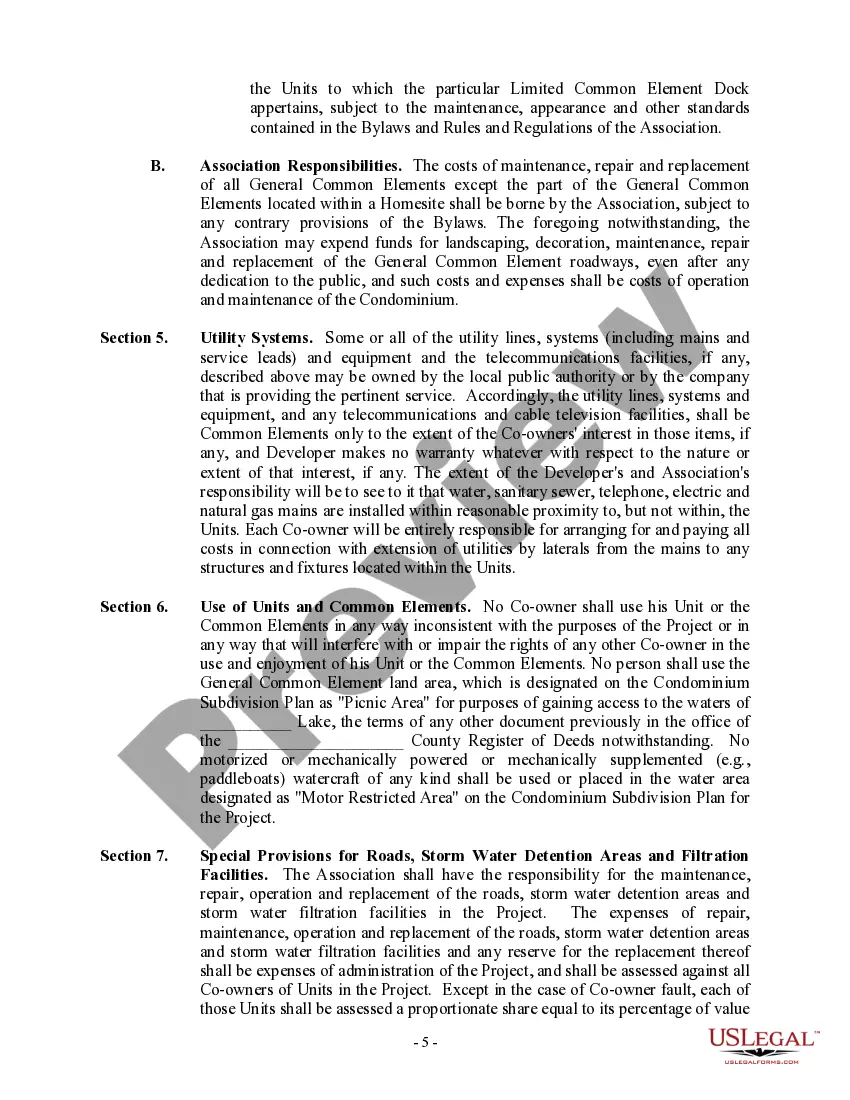


Get your form ready online
Our built-in tools help you complete, sign, share, and store your documents in one place.
Make edits, fill in missing information, and update formatting in US Legal Forms—just like you would in MS Word.
Download a copy, print it, send it by email, or mail it via USPS—whatever works best for your next step.
Sign and collect signatures with our SignNow integration. Send to multiple recipients, set reminders, and more. Go Premium to unlock E-Sign.
If this form requires notarization, complete it online through a secure video call—no need to meet a notary in person or wait for an appointment.
We protect your documents and personal data by following strict security and privacy standards.

Make edits, fill in missing information, and update formatting in US Legal Forms—just like you would in MS Word.

Download a copy, print it, send it by email, or mail it via USPS—whatever works best for your next step.

Sign and collect signatures with our SignNow integration. Send to multiple recipients, set reminders, and more. Go Premium to unlock E-Sign.

If this form requires notarization, complete it online through a secure video call—no need to meet a notary in person or wait for an appointment.

We protect your documents and personal data by following strict security and privacy standards.
Looking for another form?








Form popularity
FAQ
A master inium is a relatively new concept in inium law. The definition of a master inium is a inium in which the inium instruments permit one or more of the units to be submitted to a subinium.
Changing the bylaws or covenants usually requires a vote from the membership. As such, the board should provide proper notice of the change and the board meeting where the discussion/voting will occur. Bear in mind that notice requirements can vary as well.
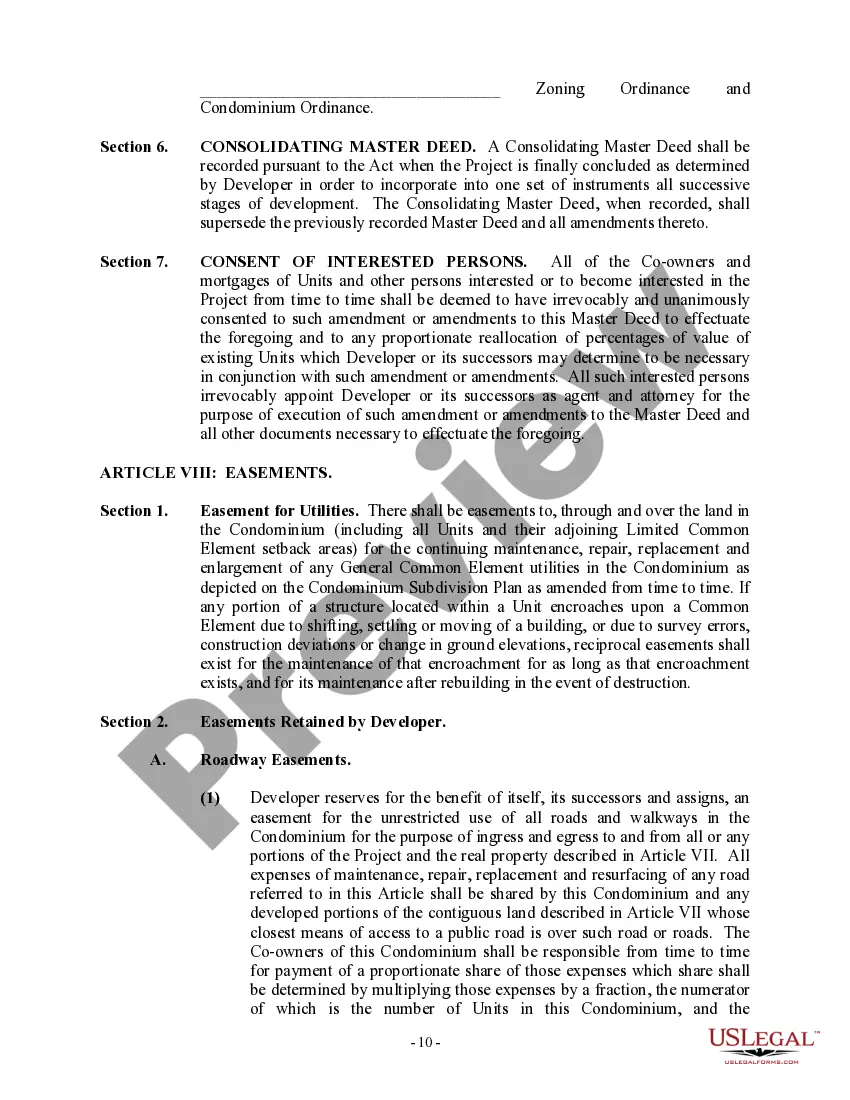
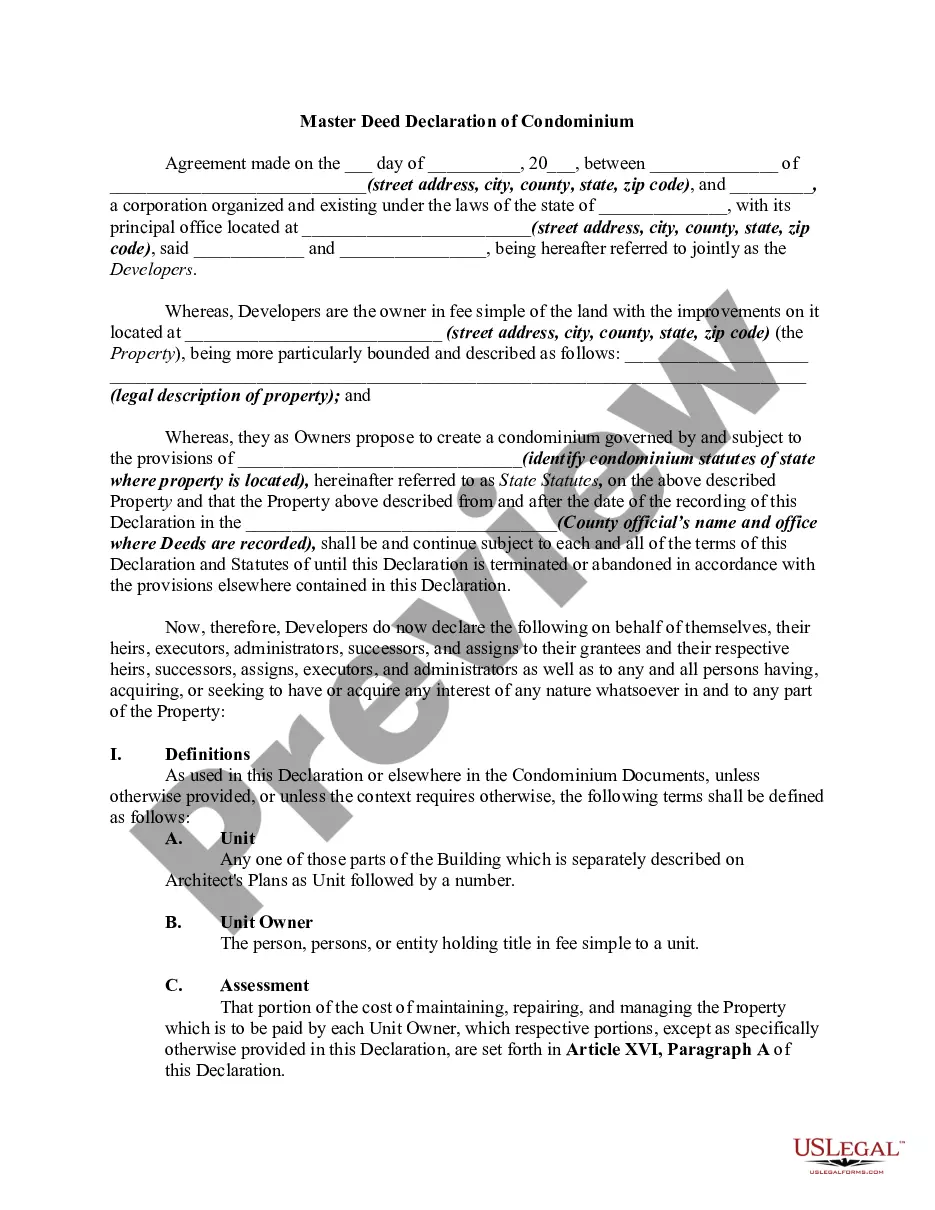
A Master Deed is a legal document that outlines the rules and regulations for a inium or cooperative property. It's a document that's created by the developer of the property and it's used to govern how the property is managed and maintained.
The master deed. Affected unit owners and mortgage lenders must give written consent for changes. This means getting a certain number of unit owner votes – often 67% (two-thirds) or 75% (three-fourths), or even a supermajority of 80%.
The master deed is a document that outlines the rights and responsibilities of the property owners, tenants, and property management company. The plaintiff must show that the terms of the master deed were not followed by the property management company.
The ByLaws is the corporate governance: The bylaws describe among other things, how the common expenses will be shared to maintain the building. Any restrictions on the use of the units and common areas. The bylaws are actually a part of the Master Deed itself.
You may want to talk with your HOA, city council or community association to alter the restriction. Consult the covenant and contact the governing body directly. You may be able to get permission to ignore the deed restriction.
A inium (or condo for short) is an ownership regime in which a building (or group of buildings) is divided into multiple units that are either each separately owned, or owned in common with exclusive rights of occupation by individual owners.
With a few important exceptions, no subdivision can be offered for sale in California until the Commissioner has issued a subdivision public report. A public report includes important information and disclosures concerning the subdivision offering.
"Owning:" Why Condo Owners Don't Own the Land. One of the main differences between buying a house versus buying a condo is that condo owners are not landowners. A condo owner is purchasing an "interest" in the condo association that runs the day-to-day operations of the building, similar to a homeowners association.
