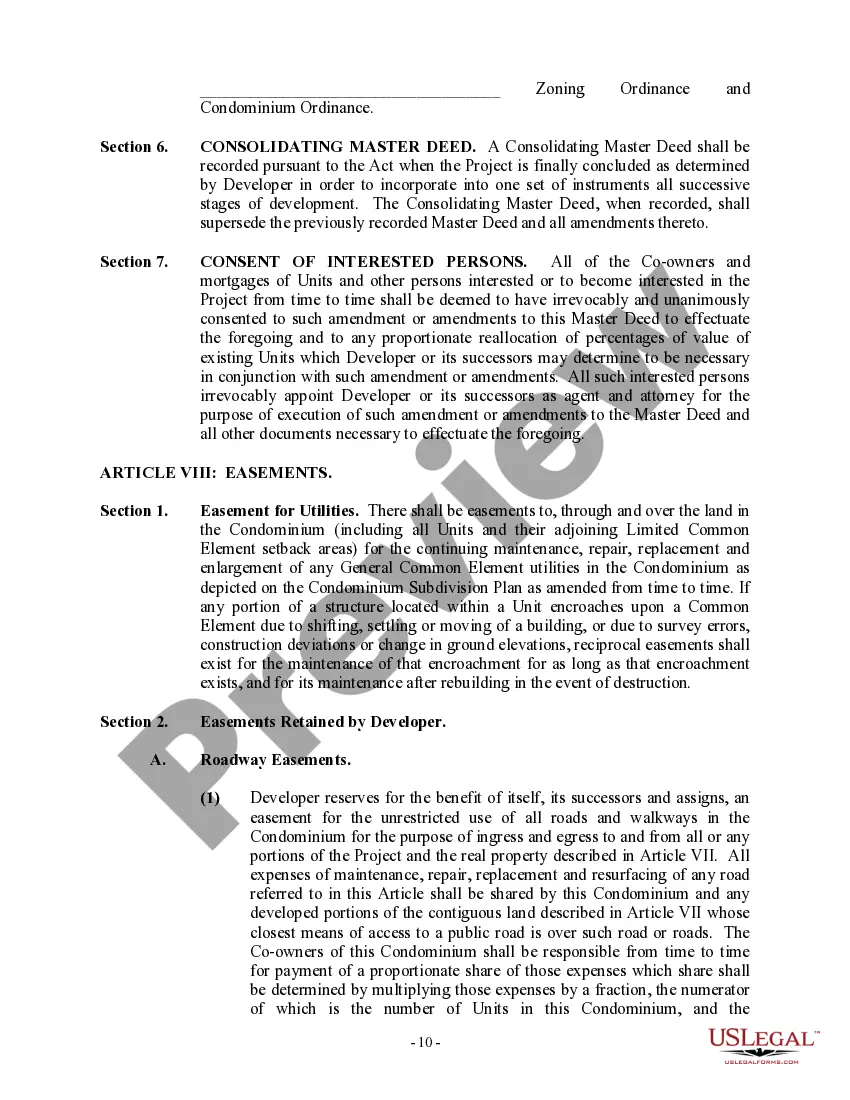
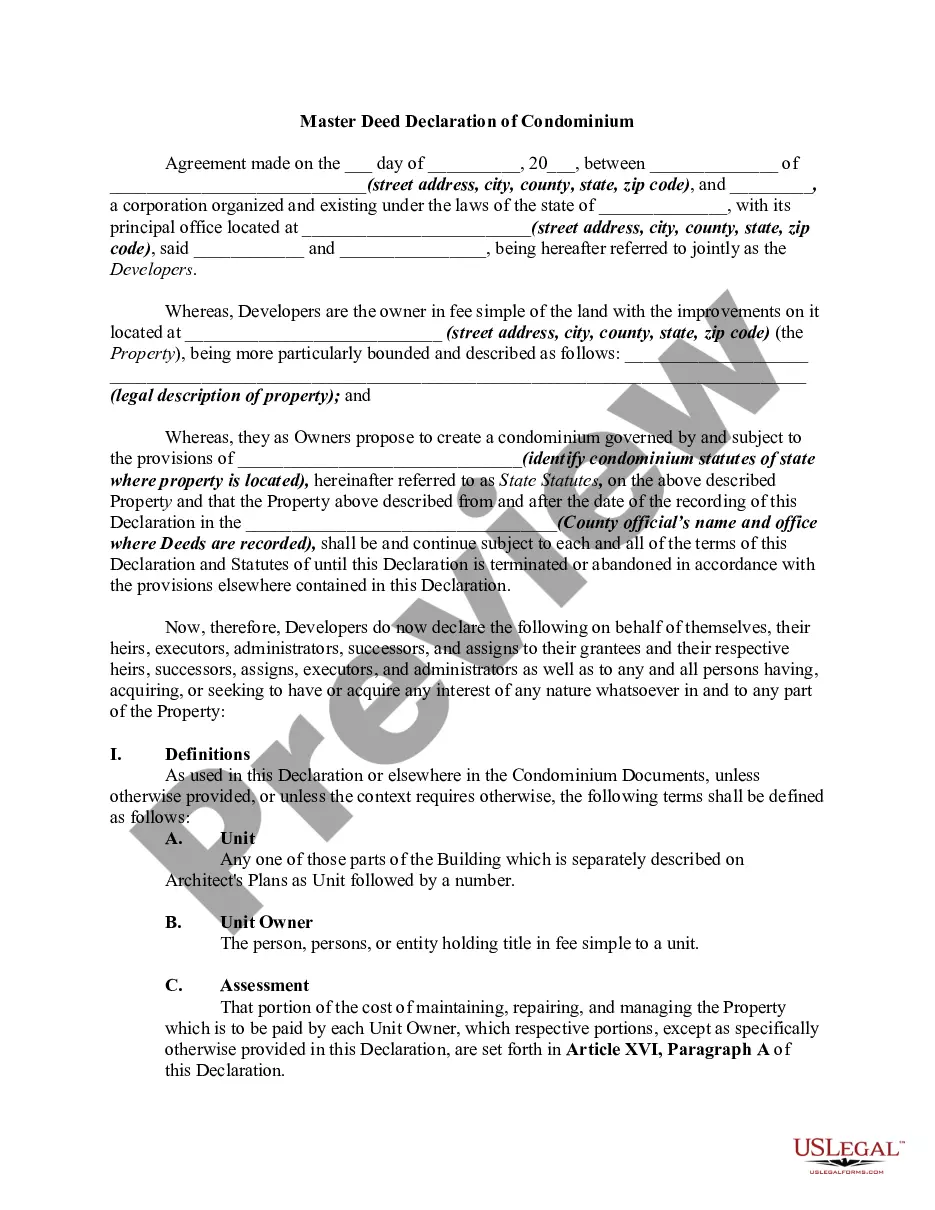
Master Deed Condominium Meaning In Ohio
Description



Get your form ready online
Our built-in tools help you complete, sign, share, and store your documents in one place.
Make edits, fill in missing information, and update formatting in US Legal Forms—just like you would in MS Word.
Download a copy, print it, send it by email, or mail it via USPS—whatever works best for your next step.
Sign and collect signatures with our SignNow integration. Send to multiple recipients, set reminders, and more. Go Premium to unlock E-Sign.
If this form requires notarization, complete it online through a secure video call—no need to meet a notary in person or wait for an appointment.
We protect your documents and personal data by following strict security and privacy standards.

Make edits, fill in missing information, and update formatting in US Legal Forms—just like you would in MS Word.

Download a copy, print it, send it by email, or mail it via USPS—whatever works best for your next step.

Sign and collect signatures with our SignNow integration. Send to multiple recipients, set reminders, and more. Go Premium to unlock E-Sign.

If this form requires notarization, complete it online through a secure video call—no need to meet a notary in person or wait for an appointment.

We protect your documents and personal data by following strict security and privacy standards.
Looking for another form?








Form popularity
FAQ
(A) No person shall be found in a public place in a state of voluntary intoxication. (B) When to an ordinary observer a person appears to be intoxicated, there shall be probable cause to believe that such person is voluntarily intoxicated. (C) Whoever violates this section shall be guilty of a minor misdemeanor.
Ohio law consists of the Ohio Constitution, the Ohio Revised Code and the Ohio Administrative Code. The Constitution is the state's highest law superseding all others. The Revised Code is the codified law of the state while the Administrative Code is a compilation of administrative rules adopted by state agencies.
In addition to any other debt or obligation, a mortgage may secure unpaid balances of advances made, with respect to the mortgaged premises, for the payment of taxes, assessments, insurance premiums, or costs incurred for the protection of the mortgaged premises, if such mortgage states that it shall secure such unpaid ...
Section 4511.215 | Local authorization for operation of low-speed, under-speed, or utility vehicle, or a mini-truck. (A) By ordinance or resolution, a local authority may authorize the operation of under-speed or utility vehicles or mini-trucks on a public street or highway under its jurisdiction.
Inium is a Latin word that means "Owning property together." That's what it is like when someone buys a condo unit. They have an "interest" in the land beneath the building, but the building's association owns the actual land.
An attorney licensed to practice law in Ohio must prepare deeds, powers of attorney, and other instruments that are to be recorded. One exception is that a party to the transaction may prepare an instrument in which they are a party.
A deed is a legal document that secures property ownership. The Auditor is responsible for maintaining the accuracy of these records by means of a "deed transfer" for every parcel of real estate in Montgomery County. This procedure is required for the transfer to be considered a legal transaction.
The most common deed form in Ohio is the warranty deed. Warranty deeds provide a form of protection to the buyer in the form of a warranty by the seller that guarantees no issues with the title.
Deed not recognized in Ohio: Ohio does not recognize joint tenancy with right of survivorship—a common-law form of joint ownership under which a surviving co-owner automatically receives a deceased co-owner's interest.
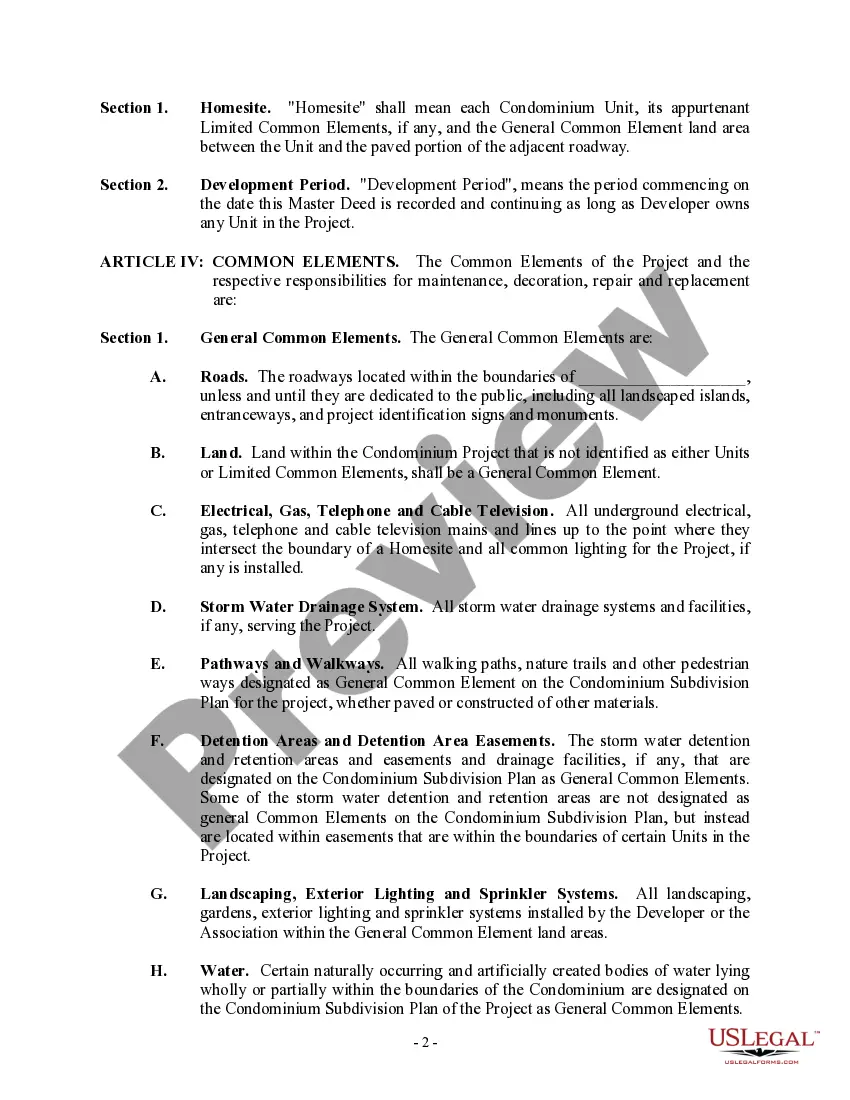
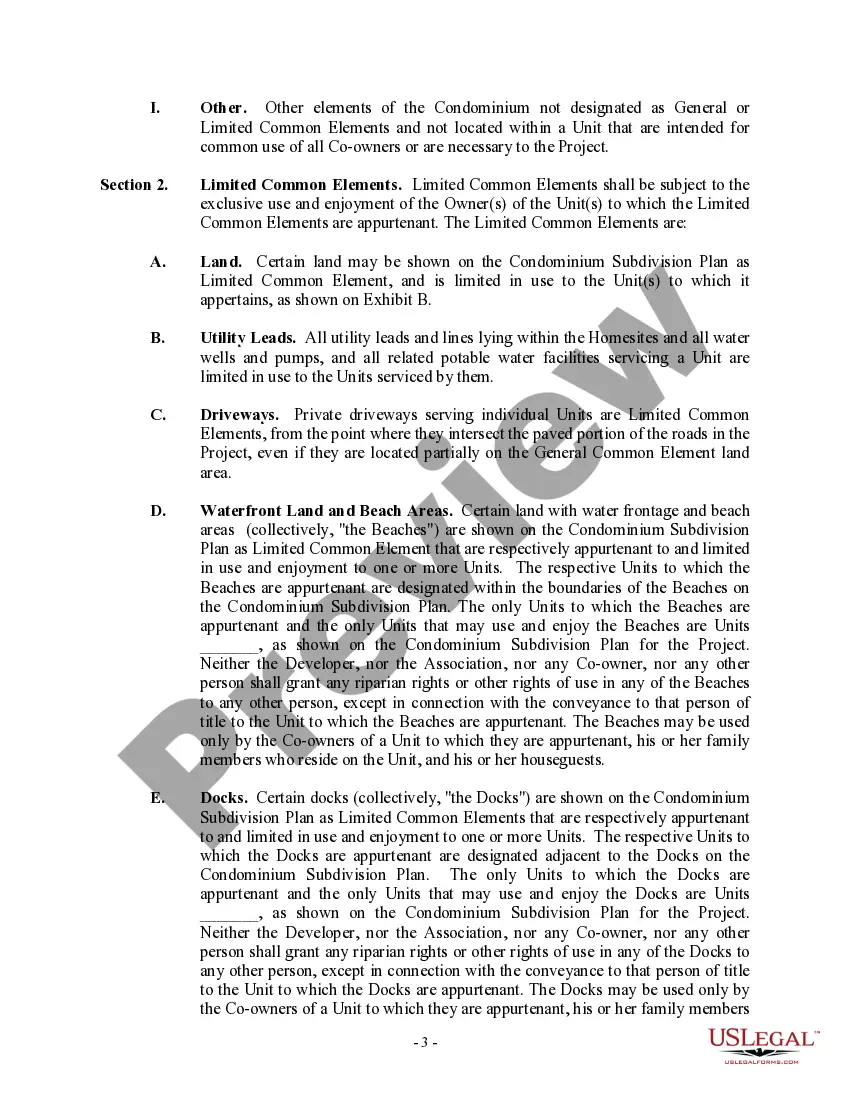
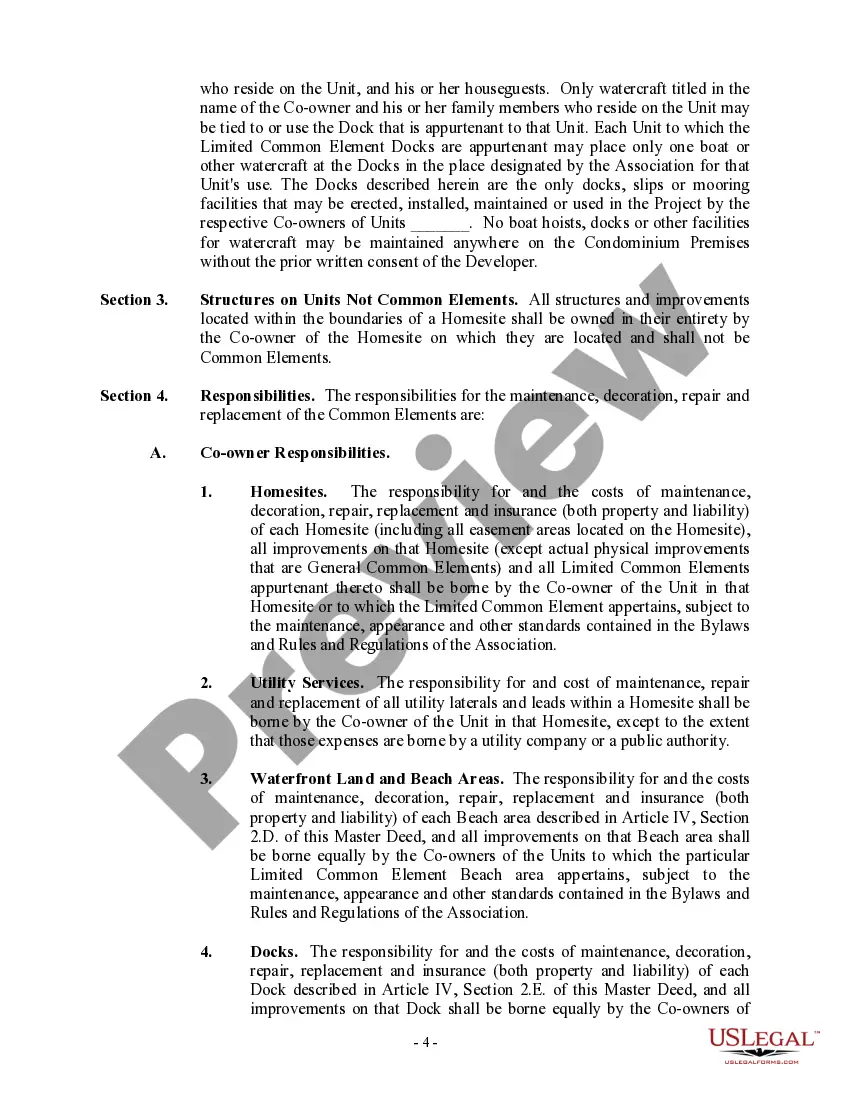
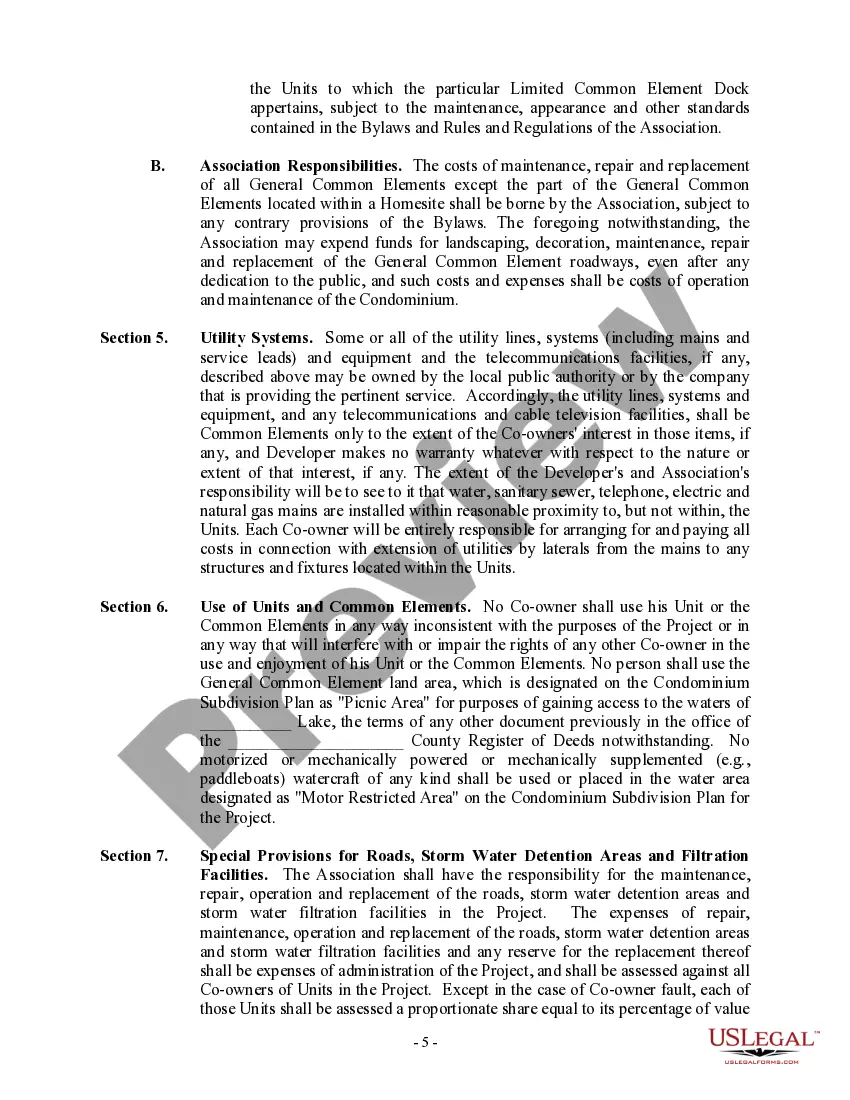
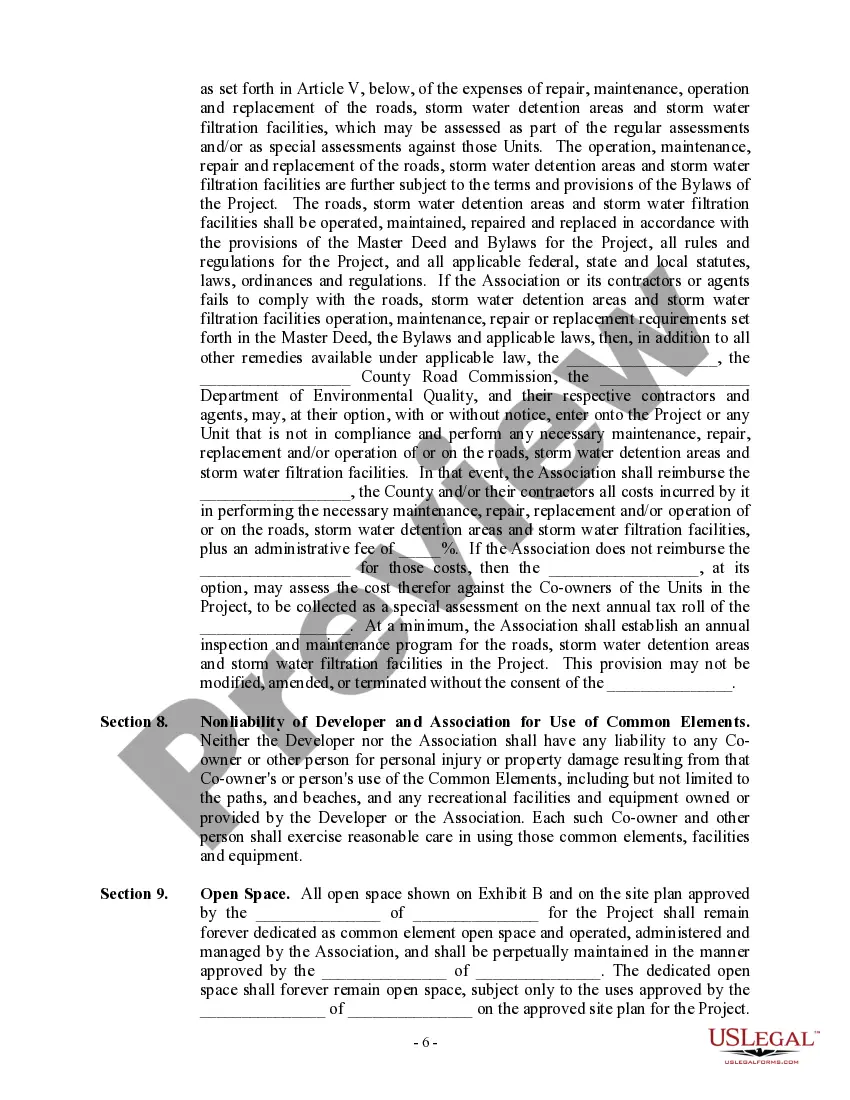
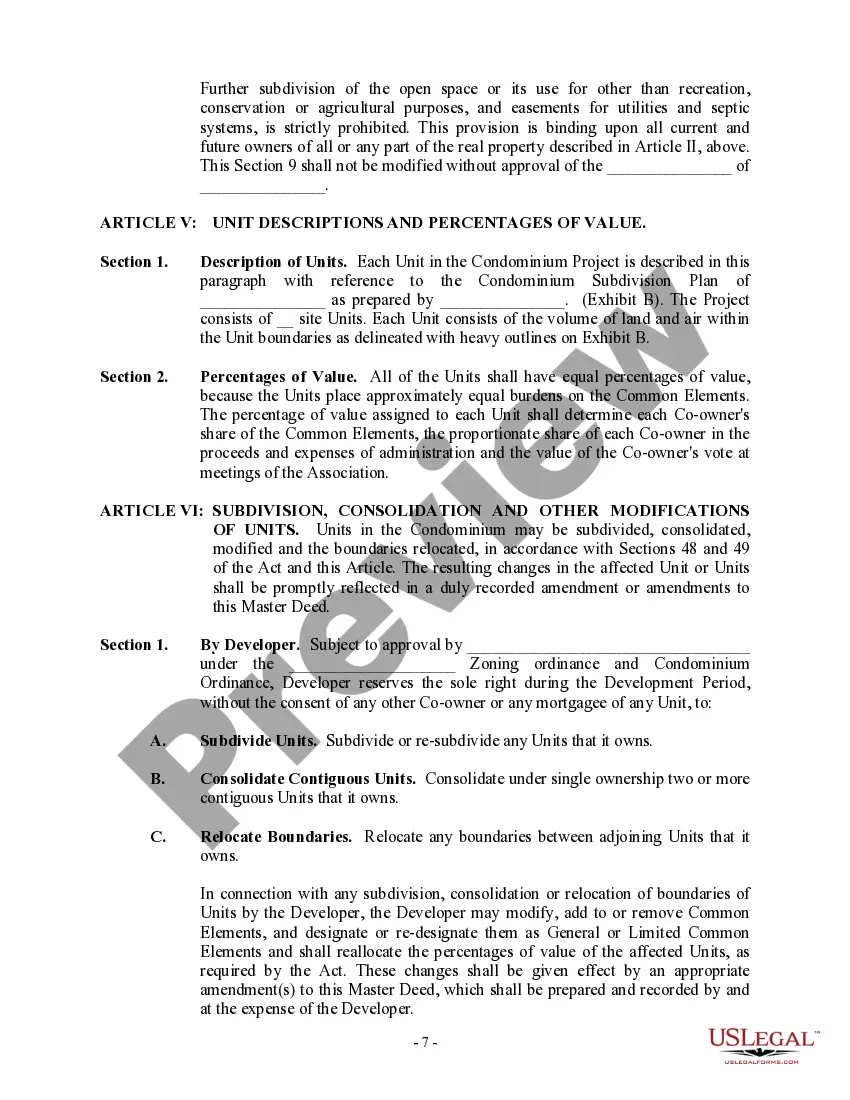
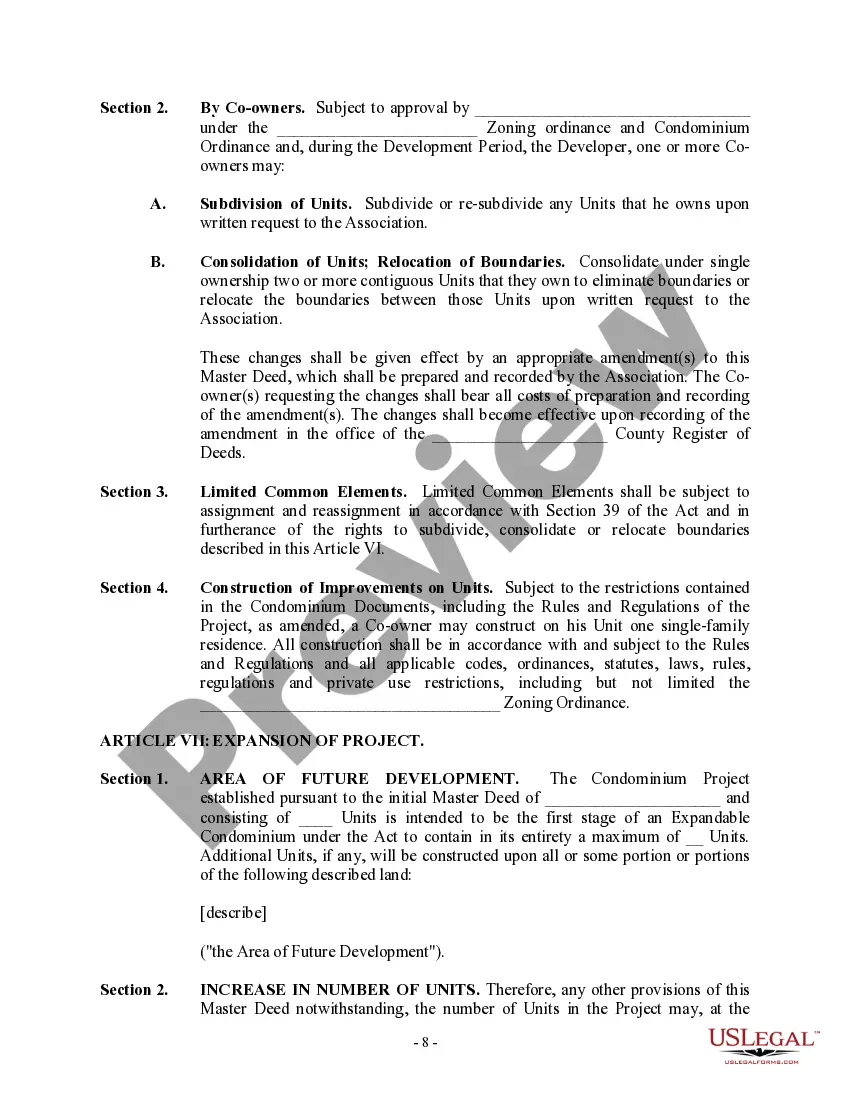
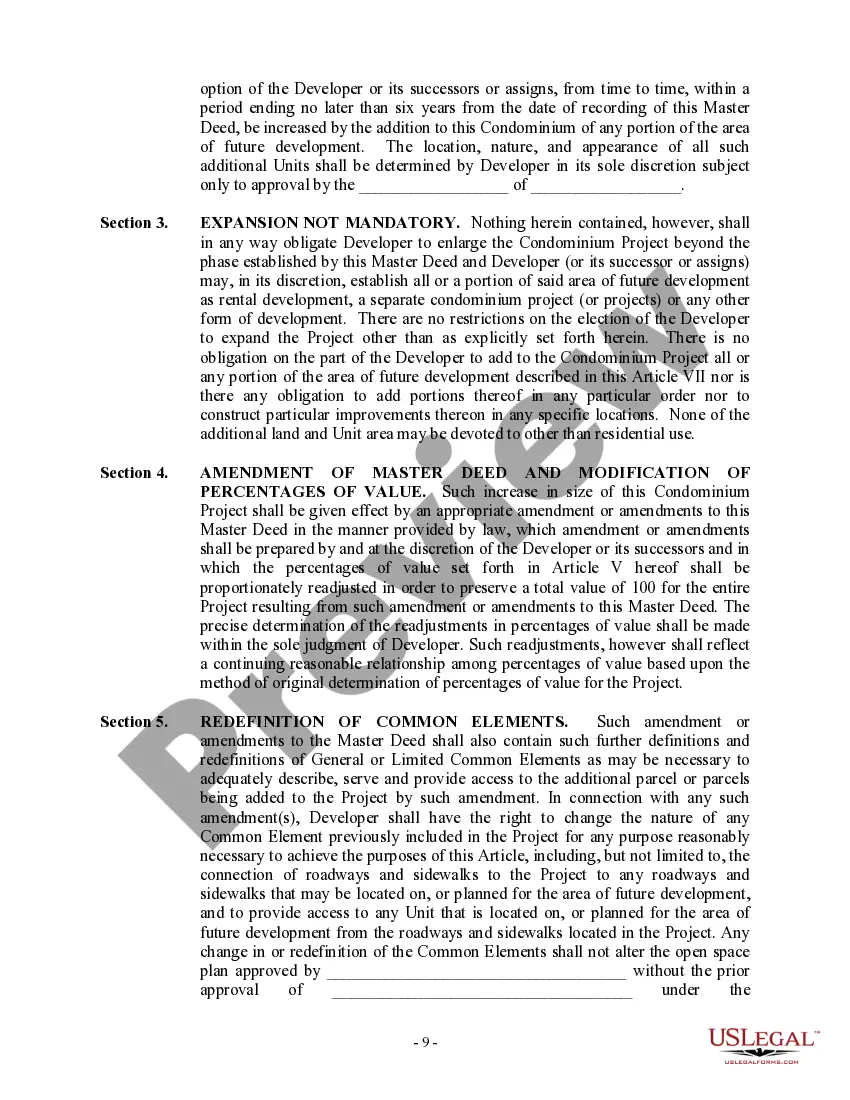
Master Deed/Declaration of Covenants and Restrictions It is filed with the county clerk's office where the community is located and outlines the physical boundaries of the property, including common areas, limited common elements or areas, and individual units/lots.
