Condo Master Deed And Bylaws In Minnesota
Description



Get your form ready online
Our built-in tools help you complete, sign, share, and store your documents in one place.
Make edits, fill in missing information, and update formatting in US Legal Forms—just like you would in MS Word.
Download a copy, print it, send it by email, or mail it via USPS—whatever works best for your next step.
Sign and collect signatures with our SignNow integration. Send to multiple recipients, set reminders, and more. Go Premium to unlock E-Sign.
If this form requires notarization, complete it online through a secure video call—no need to meet a notary in person or wait for an appointment.
We protect your documents and personal data by following strict security and privacy standards.

Make edits, fill in missing information, and update formatting in US Legal Forms—just like you would in MS Word.

Download a copy, print it, send it by email, or mail it via USPS—whatever works best for your next step.

Sign and collect signatures with our SignNow integration. Send to multiple recipients, set reminders, and more. Go Premium to unlock E-Sign.

If this form requires notarization, complete it online through a secure video call—no need to meet a notary in person or wait for an appointment.

We protect your documents and personal data by following strict security and privacy standards.
Looking for another form?






Form popularity
FAQ
Maintenance, repair, and replacement of a limited common element is usually the responsibility of the association except to the extent the declaration shifts that duty to the unit owner.
Pennsylvania Uniform inium Act §§ 3101 to. 3414) was adopted in 1980 to govern the formation and operation of iniums. Prior to the UCA, iniums in Pennsylvania were governed by the since-repealed Unit Property Act. By definition, a inium is a form of real estate ownership.
The Minnesota Uniform inium Act (MCUA) was the governing Act for community ownership in the state from August 1, 1980, until it was replaced by the Minnesota Common Interest Ownership Act (MCIOA) on June 1, 1994.
To initiate the process of dissolving your HOA in Minnesota, follow these steps: Gather all evidence of the HOA's failures, broken promises, and abuses of power, including unpaid dues and promised amenities not delivered. Consult an attorney to review your case and guide you through the process.
Inium Rules means the Rules for the use of the Premises that are adopted from time to time by the Board of Directors. inium Rules . Your unit is confirmed with the understanding that you will adhere to the rules and regulations set by individual inium or homeowner associations.
Minnesota Nonprofit Corporation Act This legislation oversees nonprofit corporations and sets rules and guidelines on their organizational makeup and procedures. The Minnesota Nonprofit Corporation Act governs the majority of Minnesota HOAs, as most choose to be incorporated as nonprofit corporations.
The Minnesota Common Interest Ownership Act, or MCIOA, governs the legal standing and obligations of townhome associations, primarily inium associations, created on or after June 1, 1994. Townhome associations created before this date must opt into the MCIOA.
The Oregon inium Act, the declaration and the bylaws control the rights and obligations of the unit owners with respect to each other, the common elements and their respective units. The provisions of these documents are intended to be, and in most cases are, enforceable in a court of law.
Yes, if the HOA fails to maintain common areas as required by the governing documents, you may have grounds for a lawsuit. Proper maintenance is often a primary duty of the HOA, and failure to uphold this duty can lead to property damage or safety hazards.
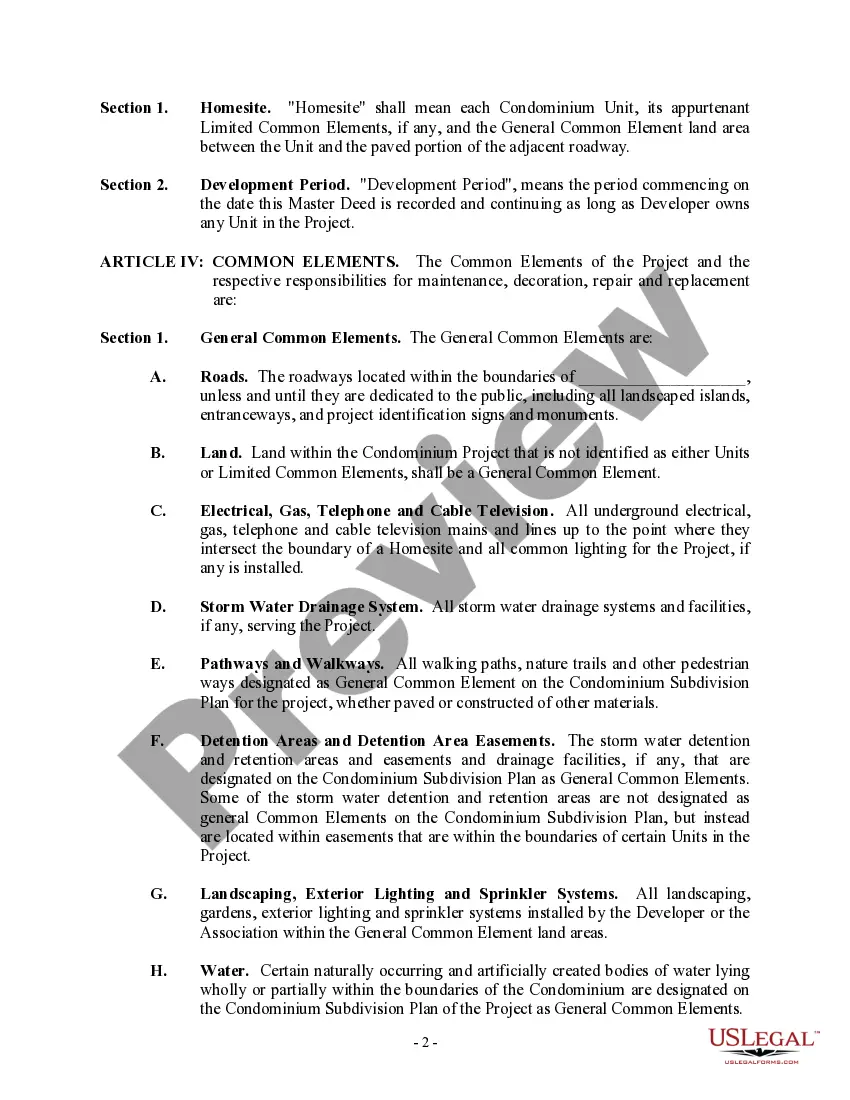
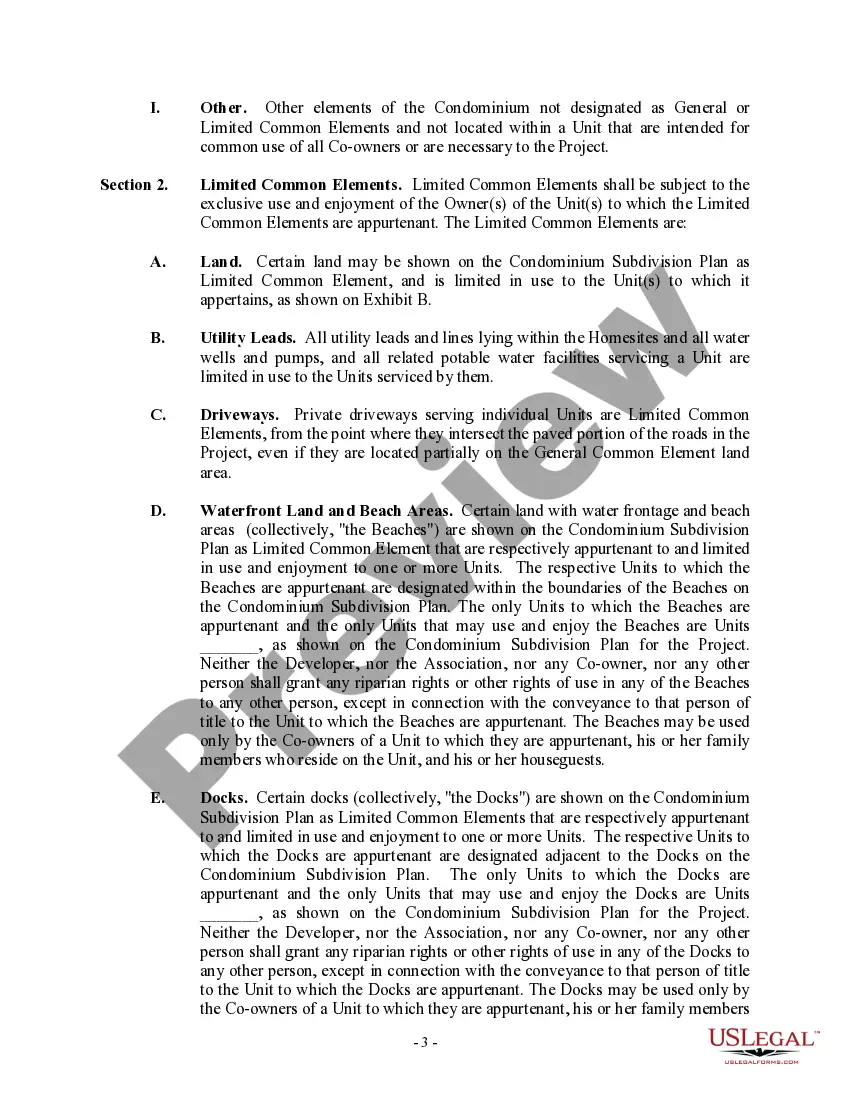
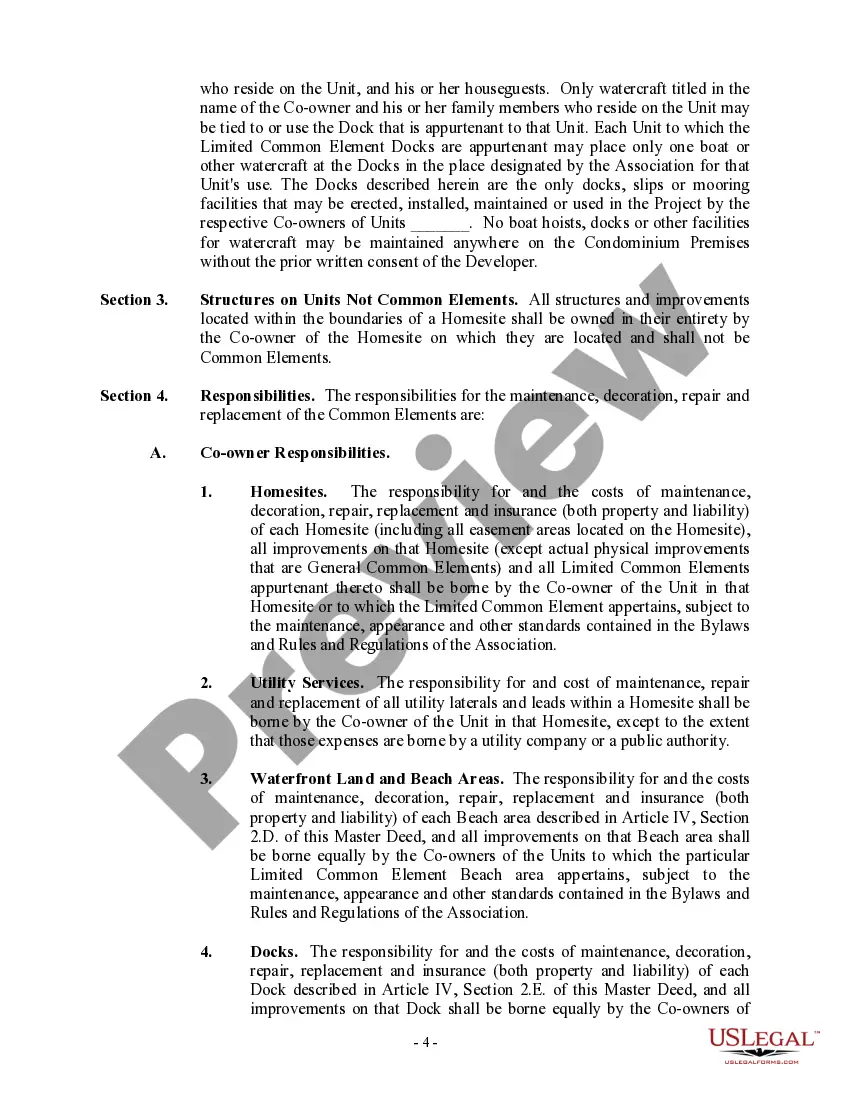
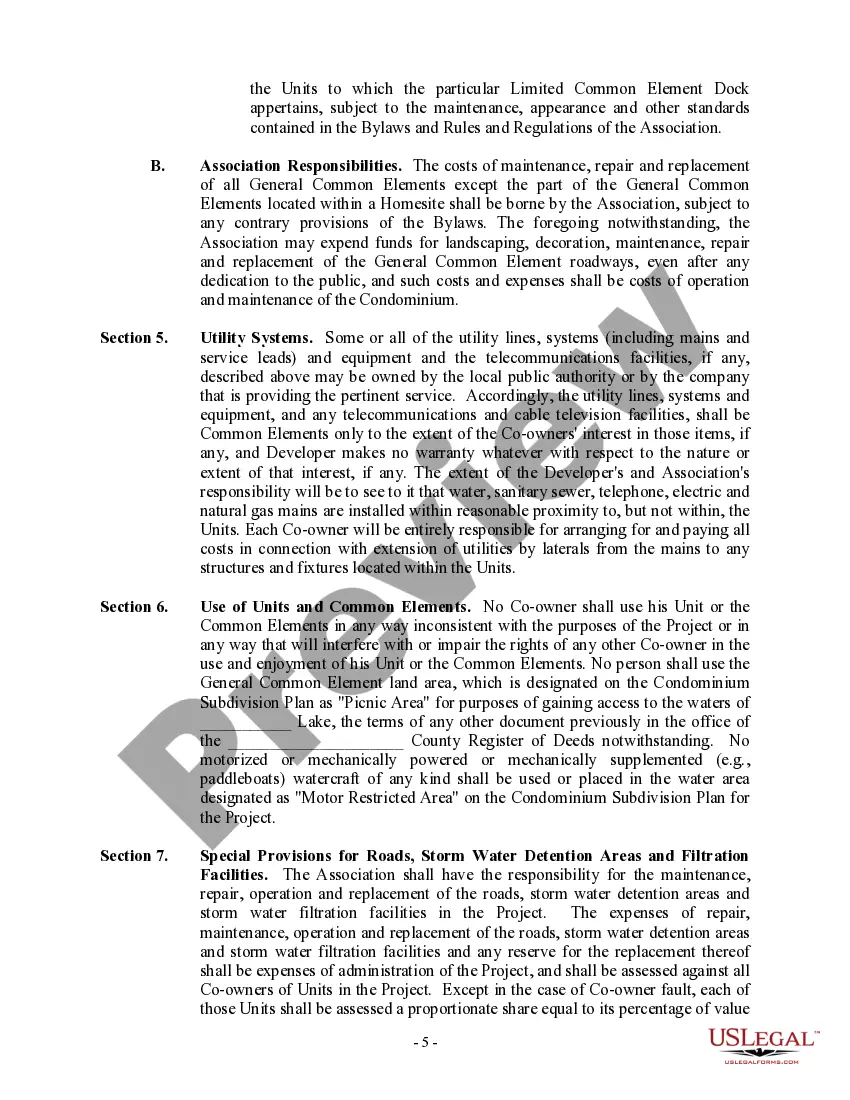
Limited Common Elements "Hybrids" It is well settled that maintenance and repair of the unit is the responsibility of the unit owner while maintenance and repair of the general common elements falls upon the association. Limited common elements are frequently treated as hybrids.
