Master Deed Condominium Meaning In Massachusetts
Description



Get your form ready online
Our built-in tools help you complete, sign, share, and store your documents in one place.
Make edits, fill in missing information, and update formatting in US Legal Forms—just like you would in MS Word.
Download a copy, print it, send it by email, or mail it via USPS—whatever works best for your next step.
Sign and collect signatures with our SignNow integration. Send to multiple recipients, set reminders, and more. Go Premium to unlock E-Sign.
If this form requires notarization, complete it online through a secure video call—no need to meet a notary in person or wait for an appointment.
We protect your documents and personal data by following strict security and privacy standards.

Make edits, fill in missing information, and update formatting in US Legal Forms—just like you would in MS Word.

Download a copy, print it, send it by email, or mail it via USPS—whatever works best for your next step.

Sign and collect signatures with our SignNow integration. Send to multiple recipients, set reminders, and more. Go Premium to unlock E-Sign.

If this form requires notarization, complete it online through a secure video call—no need to meet a notary in person or wait for an appointment.

We protect your documents and personal data by following strict security and privacy standards.
Looking for another form?










Form popularity
FAQ
Every deed must adequately describe the property conveyed, including boundaries. The deed may state easements, restrictions, covenants, or takings on the property. The deed also will reference the last prior deed to track ownership. A notary public must notarize all property deeds.
Massachusetts Recorded Document Search - Visit your county recorder's office to find HOA documents, like CC&Rs, Amendments, Bylaws, HOA Notices, Subdivision Maps, Plats, Recorded Land Surveys, Deeds, Deeds of Trust, Liens, and Judgments. Search under the subdivision or community name.
The Declaration of Covenants, Conditions and Restrictions, or “CC&Rs”, is the primary and most important governing document for a inium or planned development, and is required for all iniums and planned developments.
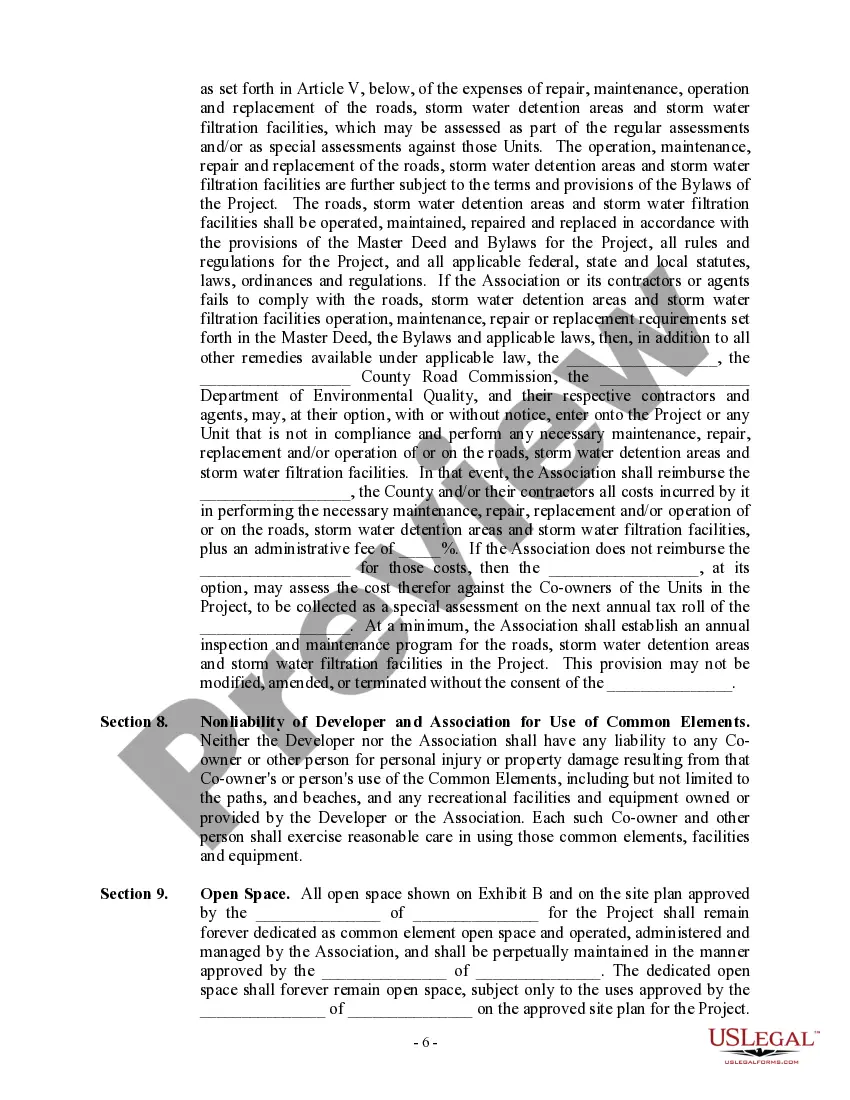
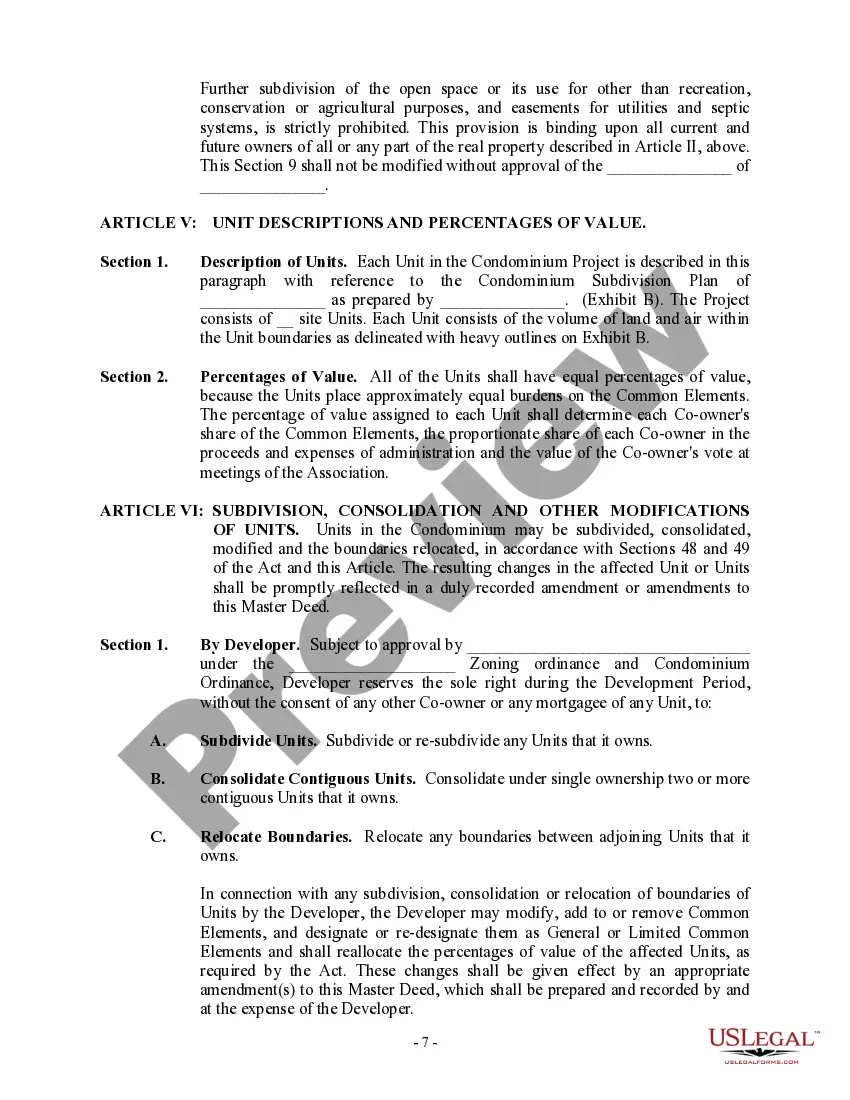
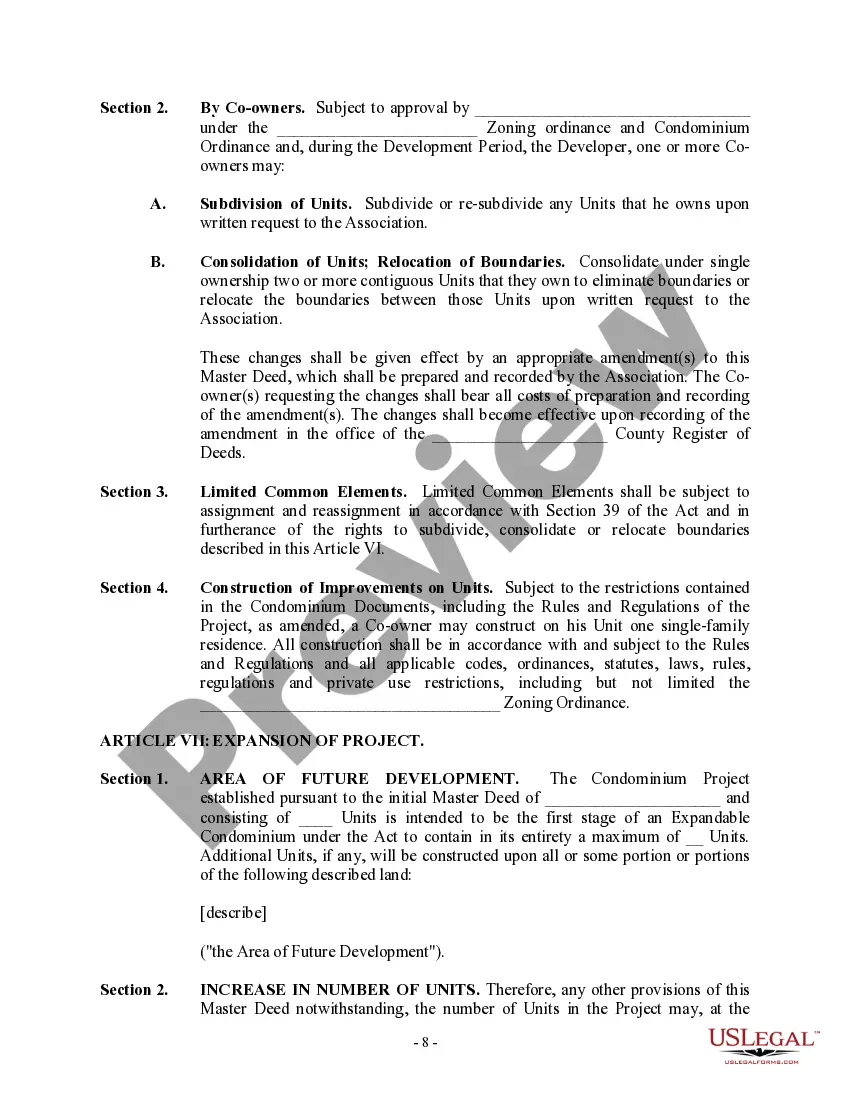
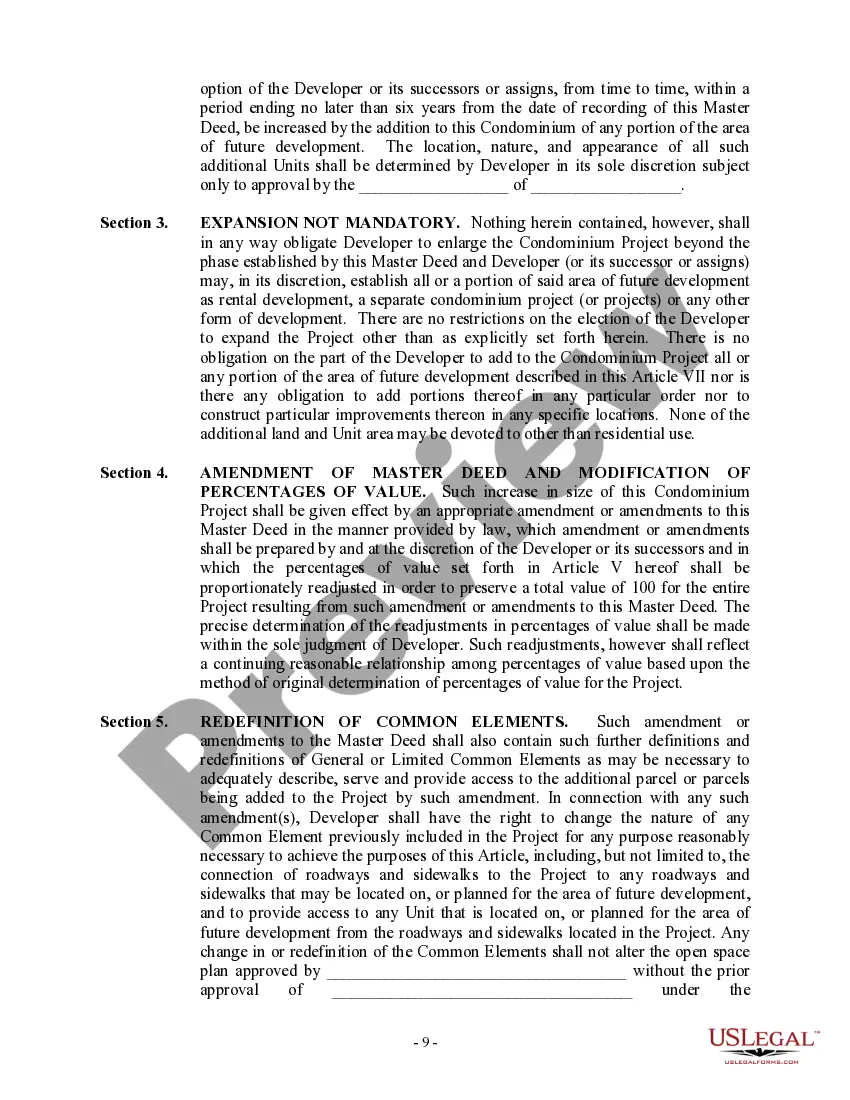
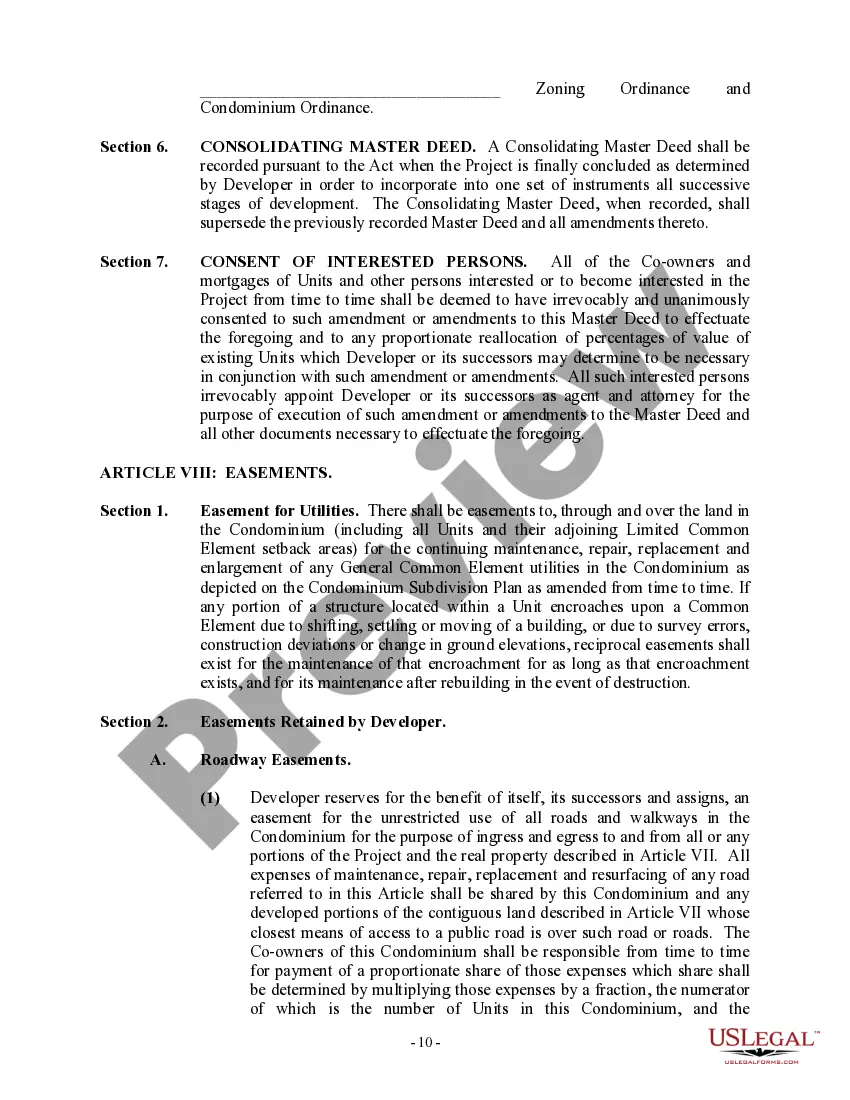
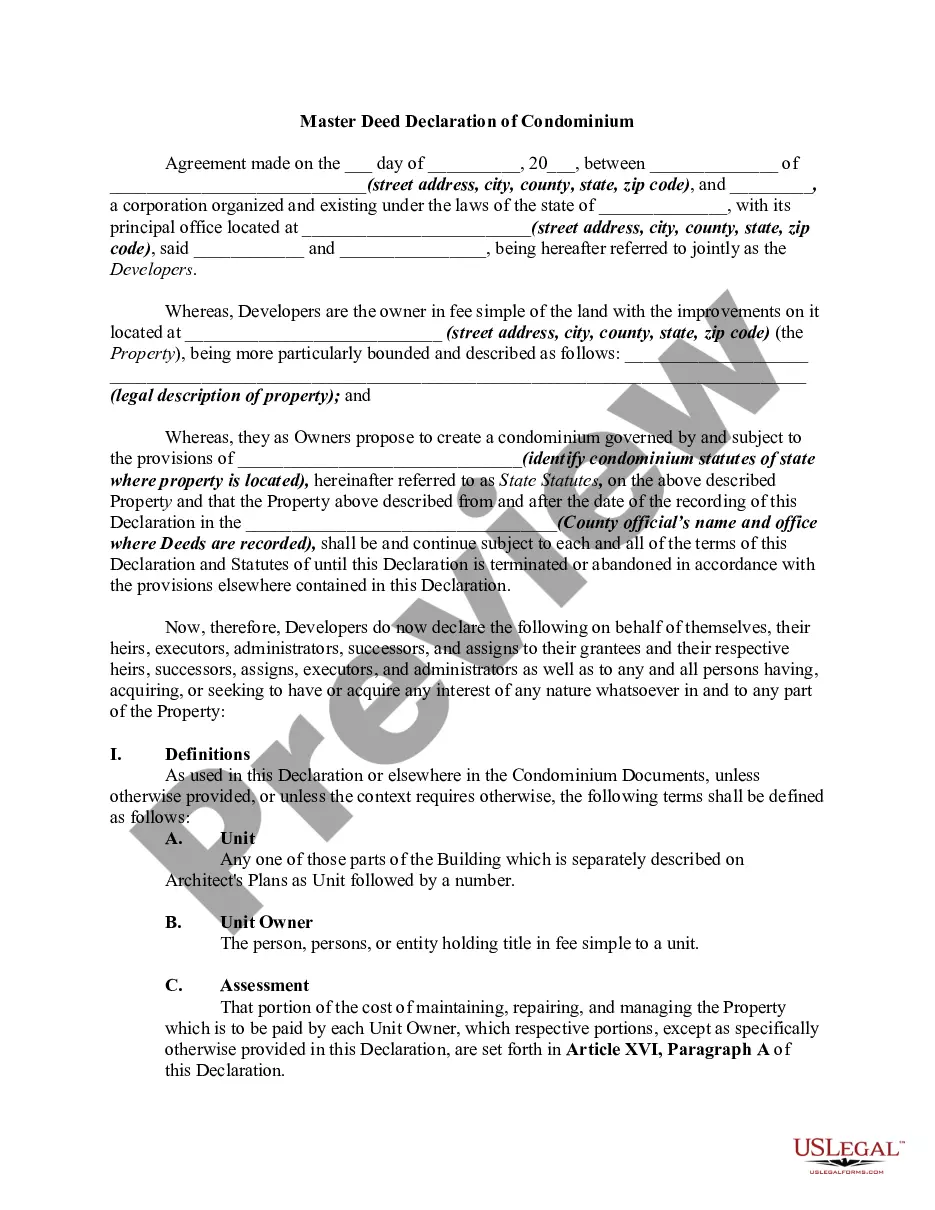
The master deed is one of the documents that transfer property to be owned by the inium. It includes a description of the land and buildings, a description of what is the common area and what the individual owners own, a determination of percentage interest, a plot plan, and use restrictions.
Massachusetts Recorded Document Search - Visit your county recorder's office to find HOA documents, like CC&Rs, Amendments, Bylaws, HOA Notices, Subdivision Maps, Plats, Recorded Land Surveys, Deeds, Deeds of Trust, Liens, and Judgments. Search under the subdivision or community name.
Contact Your Assessor's Office First, contact your local assessor's office. They can answer questions about your assessment, provide appropriate paperwork, and assist with any special circumstances. Your assessor's office may also provide information that could assist with your tax bill.
In Massachusetts, there are primarily three types of deeds that are used in all transactions: Release Deeds, Quitclaim Deeds, and Warranty Deeds. The vast majority of property in Massachusetts is transferred via a quitclaim deed.
Massachusetts General Laws chapter 183, section 61 governs the payment of interest on tax escrow accounts by a mortgagee. It is only applicable to real estate tax escrow accounts and does not apply to escrow accounts for insurance premiums.
The state condo law provides that in most situations a landlord who wants to convert their rental units to iniums or a cooperative must provide every tenant with the following protections: Proper notice of any condo conversion eviction, The right of "first refusal" to buy the apartment, Rent protections, and.
A deed will include a detailed description of the property, including property lines, and name the seller (grantor) and buyer (grantee). Both buyer and seller must sign a deed to make it official.
