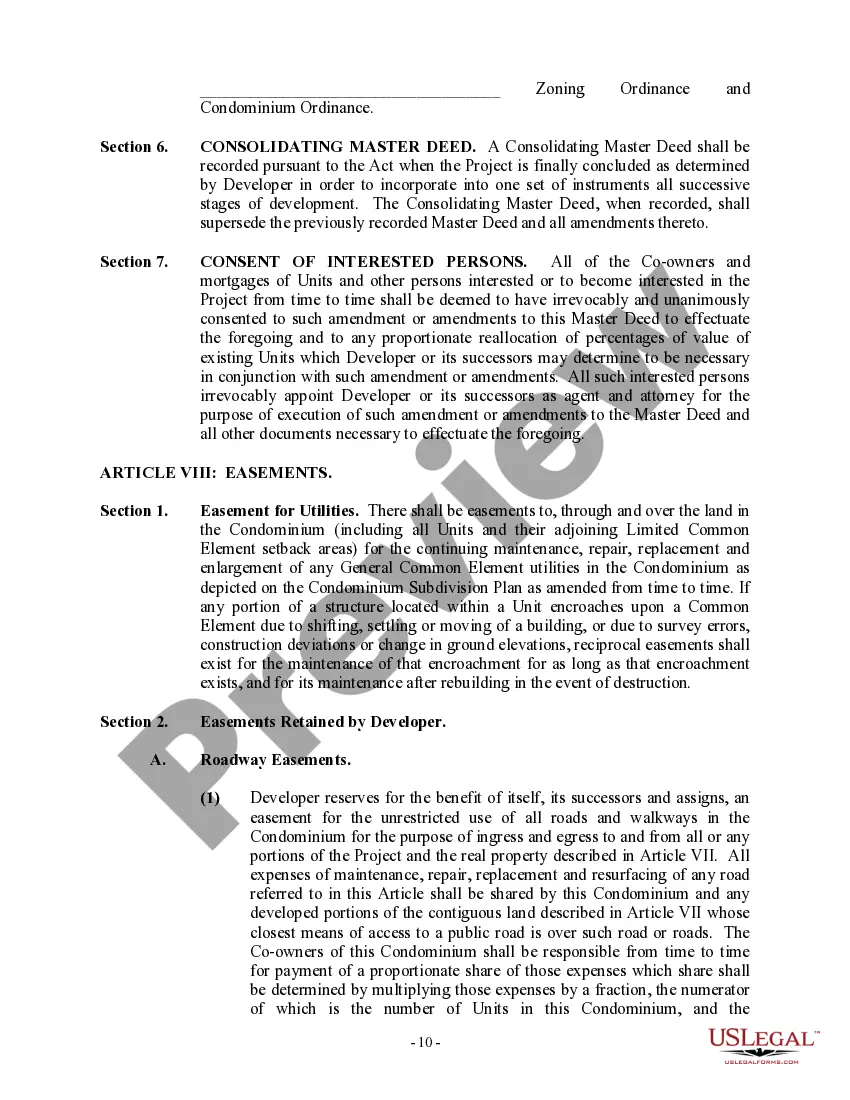
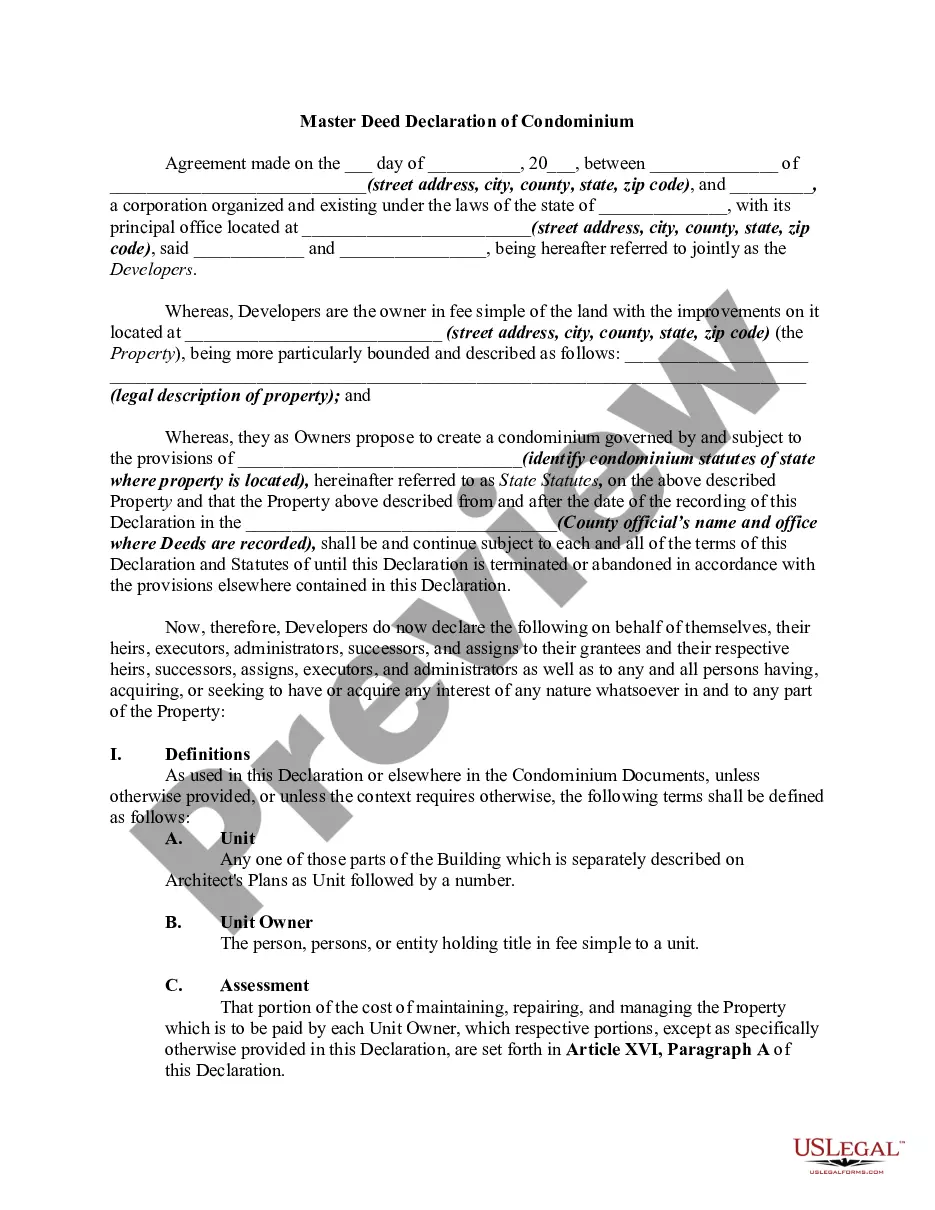
Master Deed Condominium Meaning In California
Description

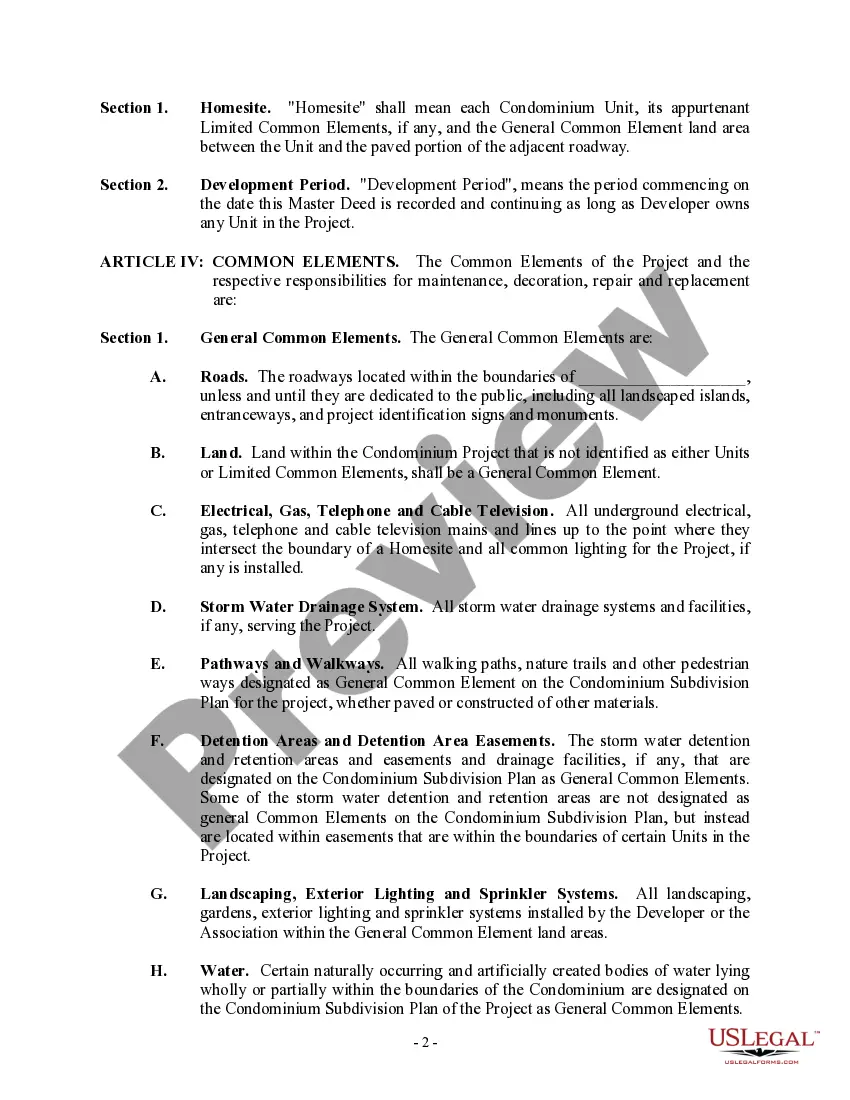
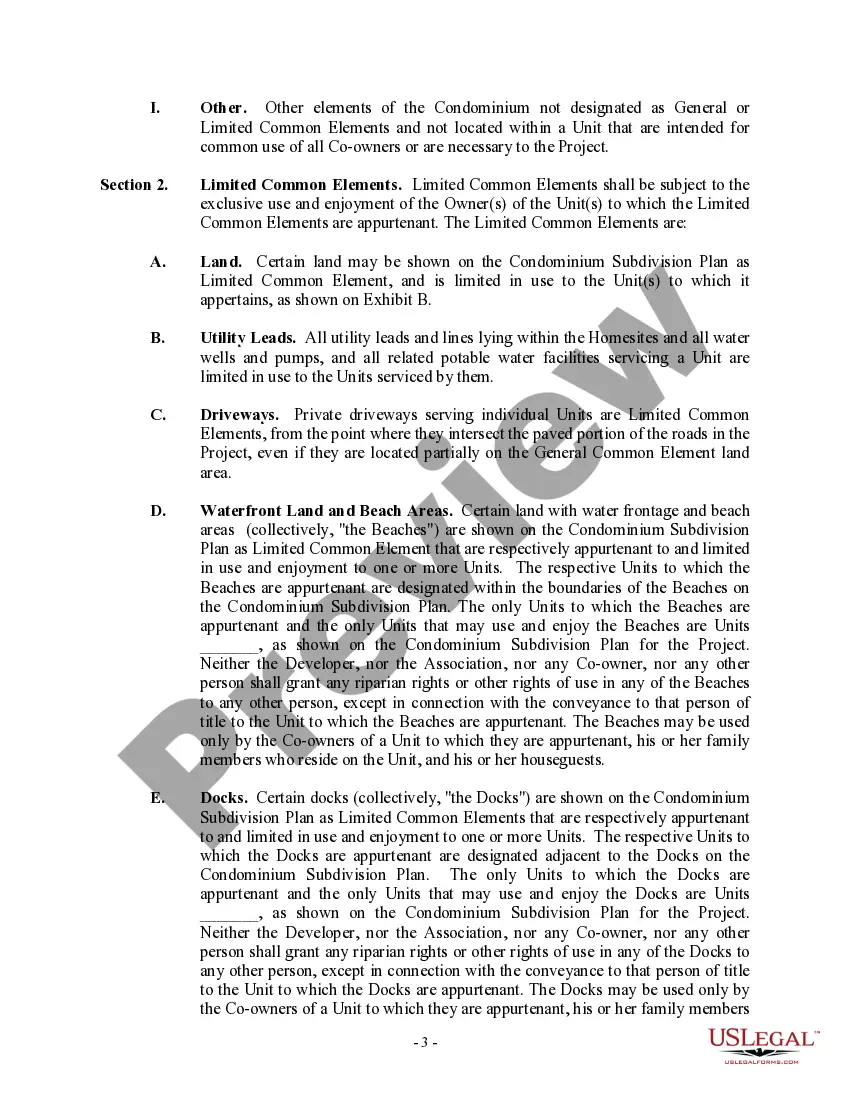
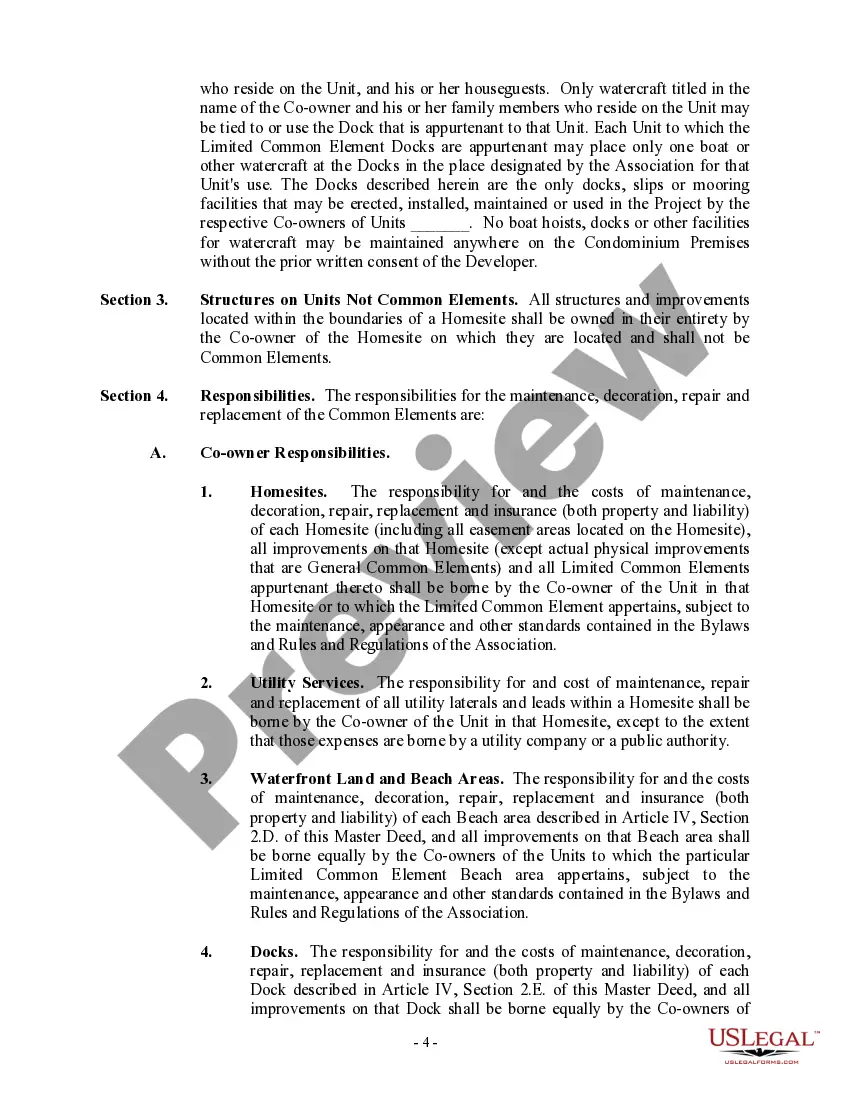
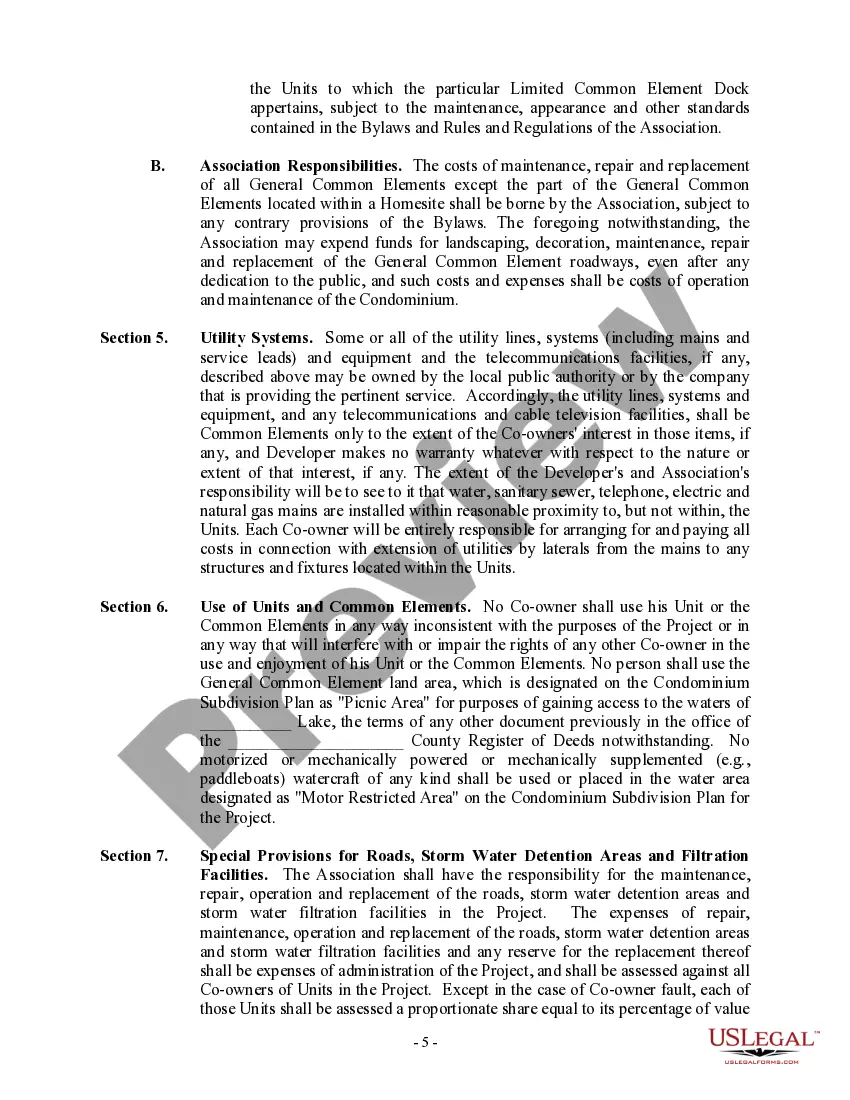


Get your form ready online
Our built-in tools help you complete, sign, share, and store your documents in one place.
Make edits, fill in missing information, and update formatting in US Legal Forms—just like you would in MS Word.
Download a copy, print it, send it by email, or mail it via USPS—whatever works best for your next step.
Sign and collect signatures with our SignNow integration. Send to multiple recipients, set reminders, and more. Go Premium to unlock E-Sign.
If this form requires notarization, complete it online through a secure video call—no need to meet a notary in person or wait for an appointment.
We protect your documents and personal data by following strict security and privacy standards.

Make edits, fill in missing information, and update formatting in US Legal Forms—just like you would in MS Word.

Download a copy, print it, send it by email, or mail it via USPS—whatever works best for your next step.

Sign and collect signatures with our SignNow integration. Send to multiple recipients, set reminders, and more. Go Premium to unlock E-Sign.

If this form requires notarization, complete it online through a secure video call—no need to meet a notary in person or wait for an appointment.

We protect your documents and personal data by following strict security and privacy standards.
Looking for another form?









Form popularity
FAQ
Today, Californians most often transfer title to real property by a simple written instrument, the grant deed. The word “grant” is expressly designated by statute as a word of conveyance. (Civil Code Section 1092) A second form of deed is the quitclaim deed.
It's why grant deeds are the go-to choice for most property sales in California, with lenders and title insurance companies often insisting on them. If the seller breaks these promises, the buyer can take legal action, making grant deeds a reliable way to transfer property ownership.
A grantor may make a gift of property to the grantee, and use a grant deed form or a quitclaim deed form for the purpose.
DEEDS IN GENERAL When properly executed, delivered and accepted, a deed transfers title to real property from one person (the grantor) to another person (the grantee). Transfer may be voluntary, or involuntary by act of law, such as a foreclosure sale. 8 See Civil Code Section 683. 9 See Civil Code Section 683.2.
In California, the vast majority of property is transferred through one of two types of deeds: the grant deed – by far the most commonly used – and the quitclaim deed.
Inium is a Latin word that means "Owning property together." That's what it is like when someone buys a condo unit. They have an "interest" in the land beneath the building, but the building's association owns the actual land.
Ownership of a inium unit is evidenced by a inium certificate of title. With respect to real property other than land and inium units, there is no system that is equivalent to the Torrens system for registration under which a document is issued to evidence the owner's title.
A inium consists of an undivided interest in common in a portion of real property coupled with a separate interest in space called a unit, the boundaries of which are described on a recorded final map, parcel map, or inium plan in sufficient detail to locate all boundaries thereof…
The main difference comes down to ownership. iniums are owned by individuals and rented out privately (this is your typical landlord). In contrast, apartments are generally owned by property management companies who rent and manage all the units, creating a more standard approach and leasing process.
A inium (or condo for short) is an ownership regime in which a building (or group of buildings) is divided into multiple units that are either each separately owned, or owned in common with exclusive rights of occupation by individual owners.
