Condominium Bylaws Condo With Hoa In Wayne
Description

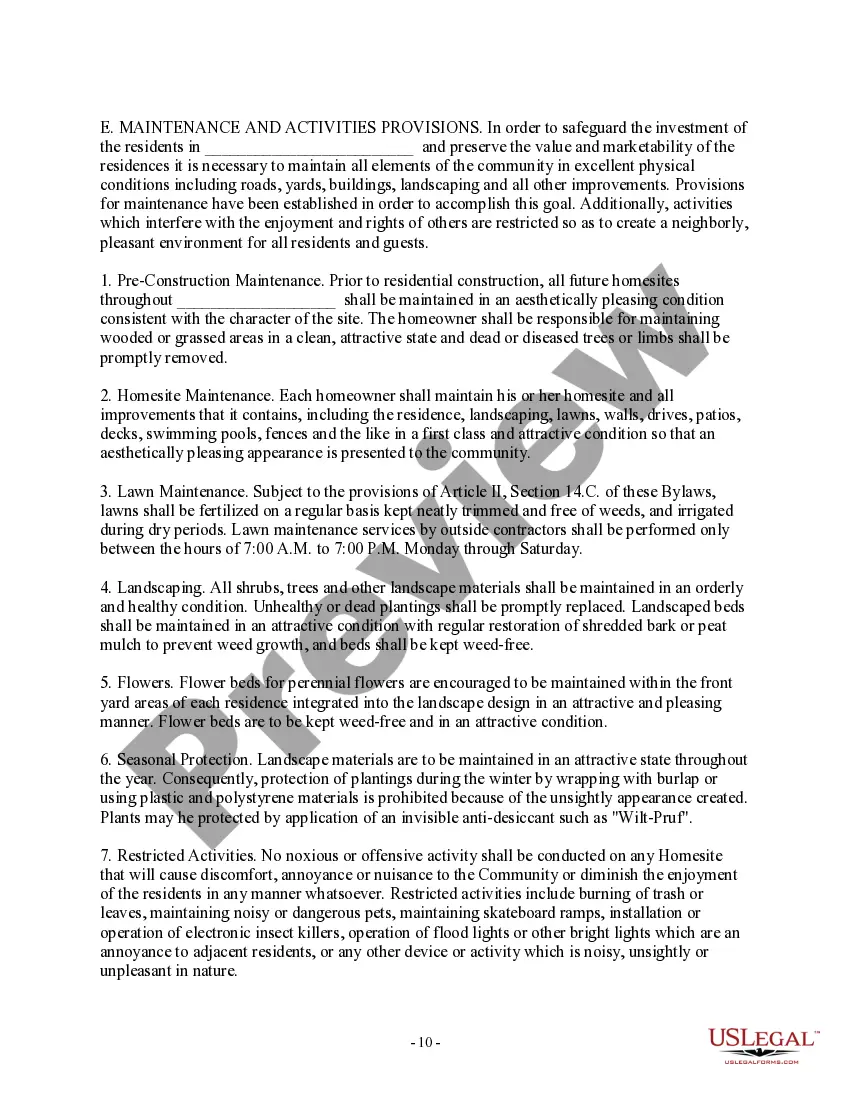


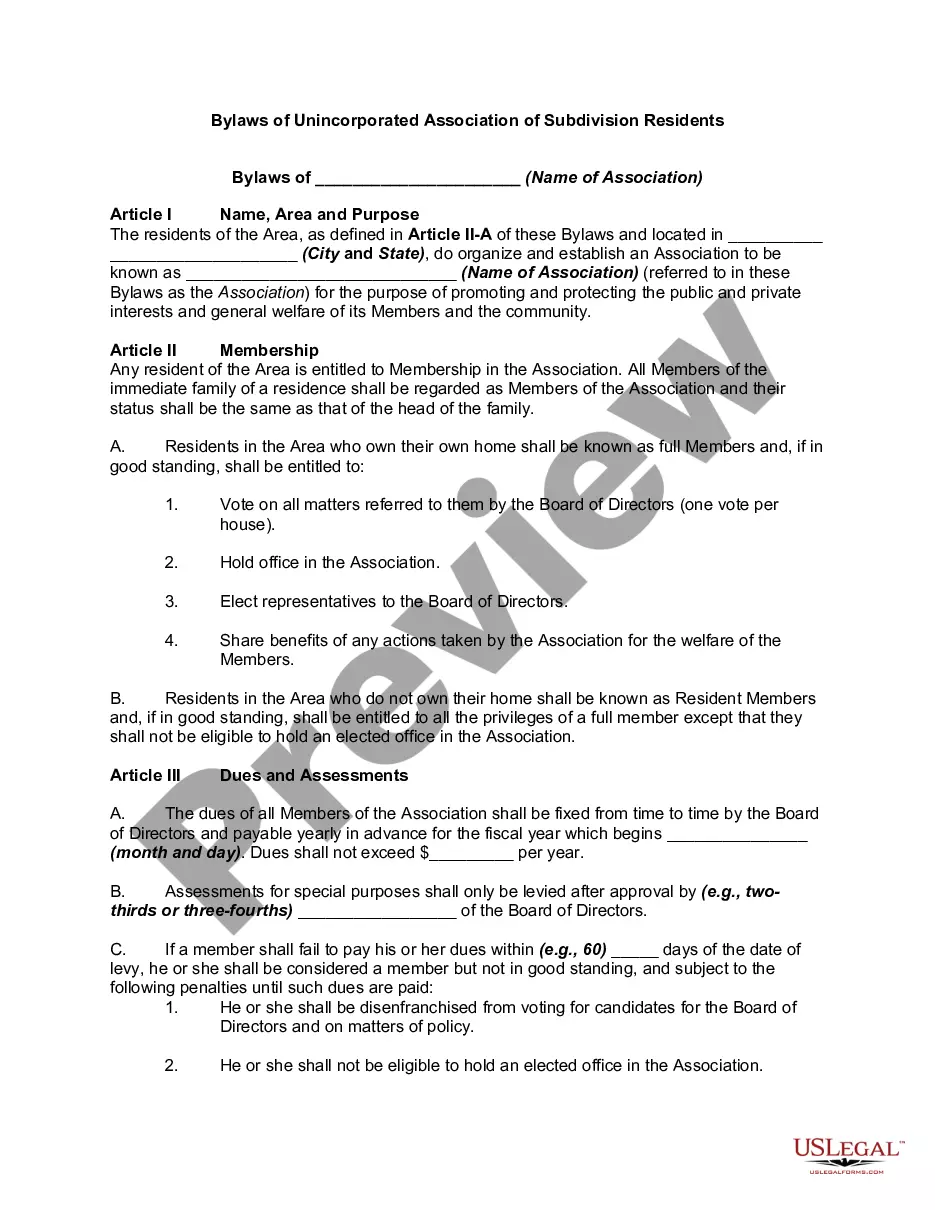
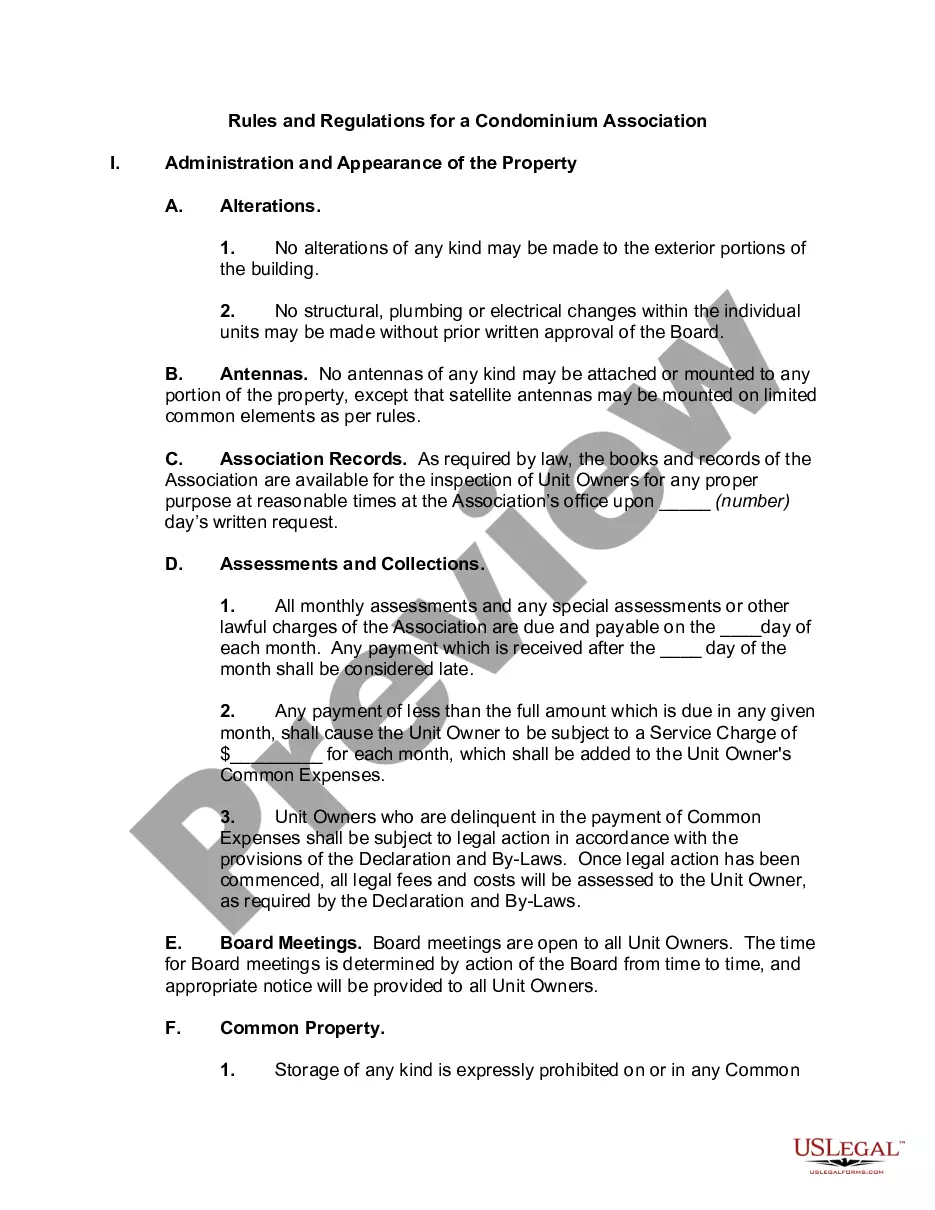
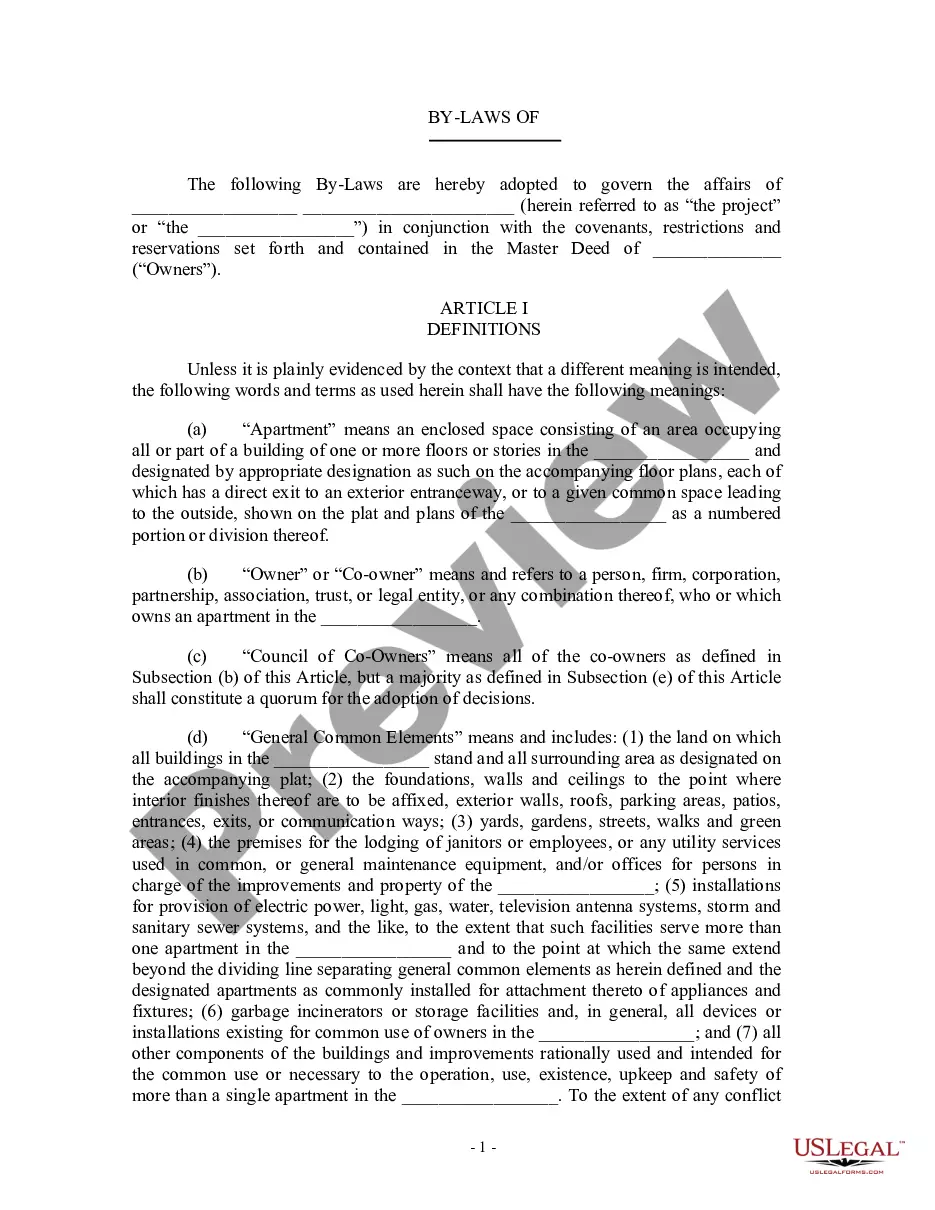
Get your form ready online
Our built-in tools help you complete, sign, share, and store your documents in one place.
Make edits, fill in missing information, and update formatting in US Legal Forms—just like you would in MS Word.
Download a copy, print it, send it by email, or mail it via USPS—whatever works best for your next step.
Sign and collect signatures with our SignNow integration. Send to multiple recipients, set reminders, and more. Go Premium to unlock E-Sign.
If this form requires notarization, complete it online through a secure video call—no need to meet a notary in person or wait for an appointment.
We protect your documents and personal data by following strict security and privacy standards.

Make edits, fill in missing information, and update formatting in US Legal Forms—just like you would in MS Word.

Download a copy, print it, send it by email, or mail it via USPS—whatever works best for your next step.

Sign and collect signatures with our SignNow integration. Send to multiple recipients, set reminders, and more. Go Premium to unlock E-Sign.

If this form requires notarization, complete it online through a secure video call—no need to meet a notary in person or wait for an appointment.

We protect your documents and personal data by following strict security and privacy standards.
Looking for another form?










Form popularity
FAQ
Gain board approval – Present the proposed amendments to the HOA board. Discuss the changes, address any concerns or questions the board members may have, and open the floor to also allow homeowners to ask questions. Then, hold a formal vote to approve the new rule or amendment.
Changing Your Condo Manager: A Step By Step Guide EVALUATE YOUR CURRENT SITUATION. CONSULT WITH YOUR BOARD. RESEARCH POTENTIAL OPTIONS. SCHEDULE MEETINGS AND GATHER INFORMATION. CONSIDER COSTS. MAKE A DECISION. NOTIFY YOUR CURRENT CONDO MANAGEMENT COMPANY. NEGOTIATE THE TERMS OF THE NEW CONTRACT.
Although a board may propose a rule that changes or modifies the declaration the board will still need to have the owners vote to approve the change and follow the procedures for amending the declaration. The board may not act alone in this regard.
HOAs can no longer prohibit homeowners or guests from parking personal vehicles, including pickup trucks, in driveways or legal parking areas. First responders can park assigned vehicles on public roads within the HOA. HOAs cannot ban vegetable gardens or clotheslines if they're not visible from public areas.
In Florida, Homeowners Associations (HOA)s and inium Owners Associations (COA)s are not for profit corporations and therefore are governed partly by Florida Statutes Chapter 617 (the Not for Profit Act).
Chapter 720 of the Florida Statutes empowers and controls the ability of HOAs to enforce their rules, whereas Chapter 718 of the Florida Statutes empowers and controls the ability of COAs to enforce their rules.
Both Chapter 720 and Chapter 617 govern homeowner associations and only if the two conflict, then Chapter 720 prevails. Chapter 617 even states in some sections the section does not apply to community associations (homeowner associations and condo associations).
The key difference between a condo association and a homeowners' association is what the individual members actually own. With a condo, each member owns their individual unit and they have a joint ownership interest in the common areas.
Florida Recorded Document Search - Visit the county recorder's office where the property is located to find an association's Declaration of Covenants, Conditions, and Restrictions (CC&Rs), Amendments to CC&Rs, Bylaws, Lien Notices, HOA Notices, Plats, Maps, and other community documents.
