Bylaws Residential Association With Board Members In Washington
Description

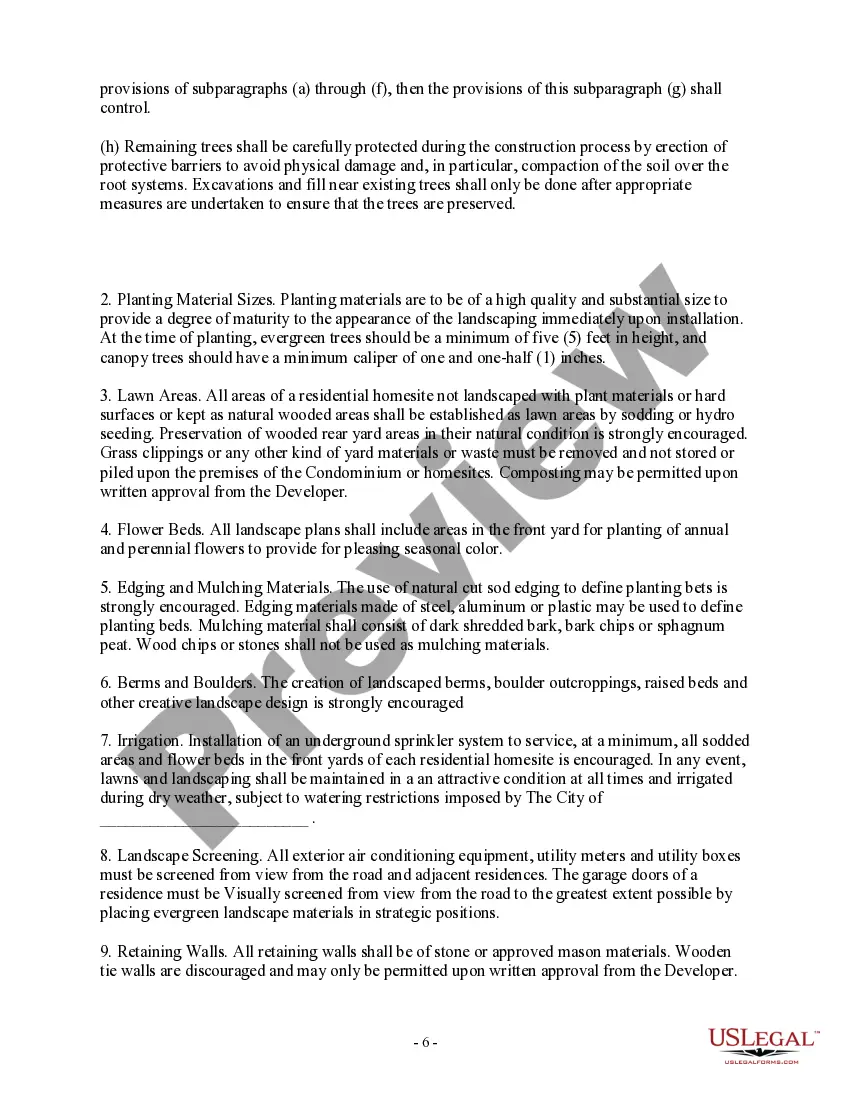
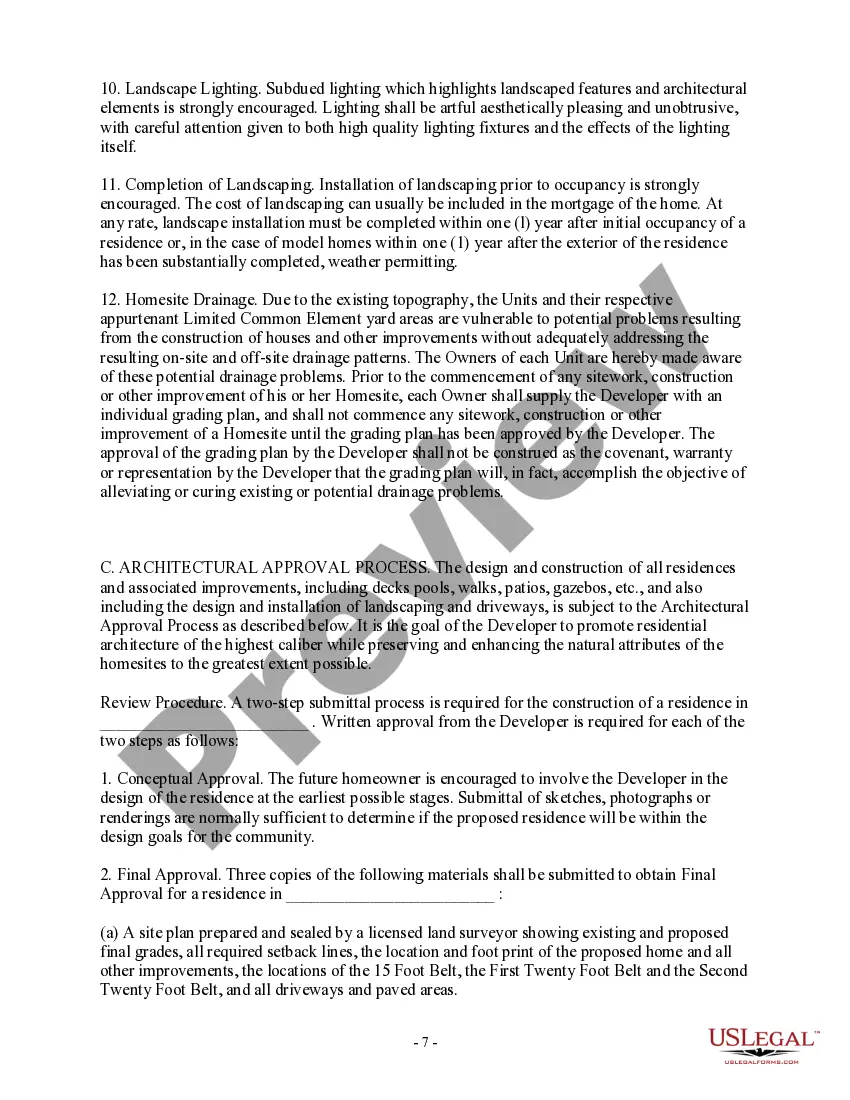
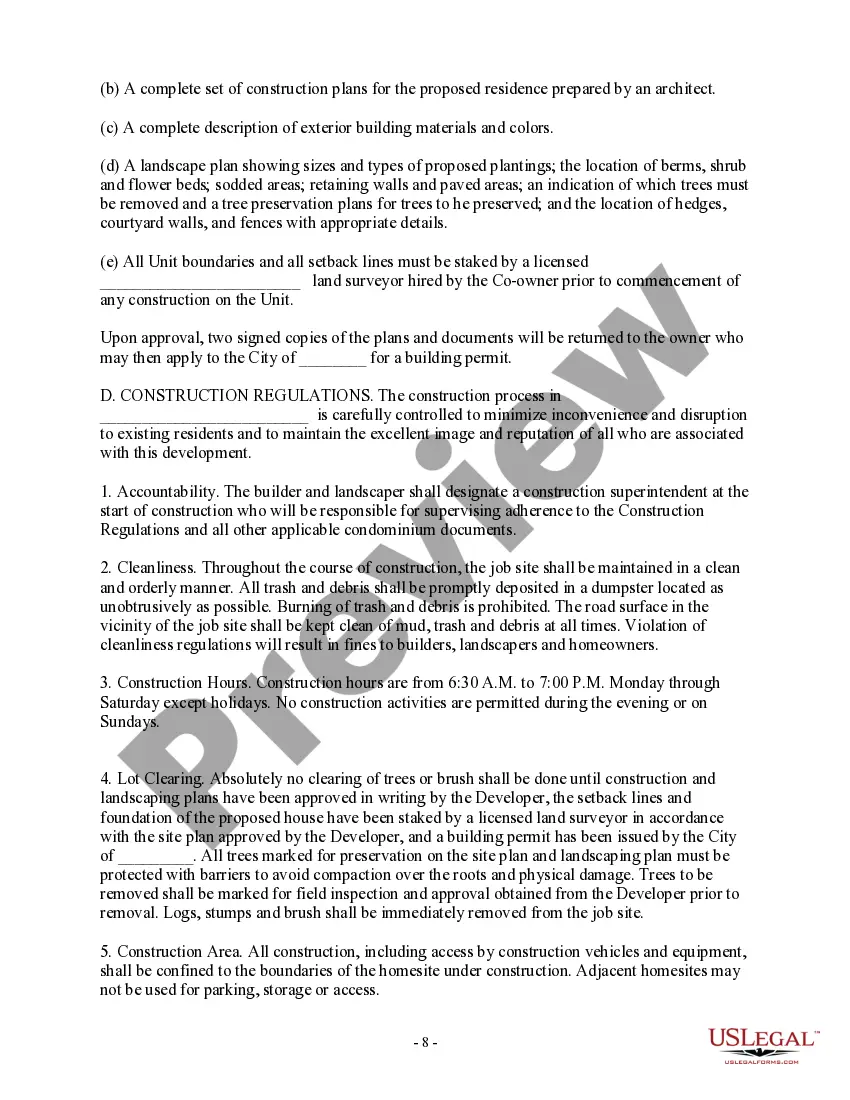
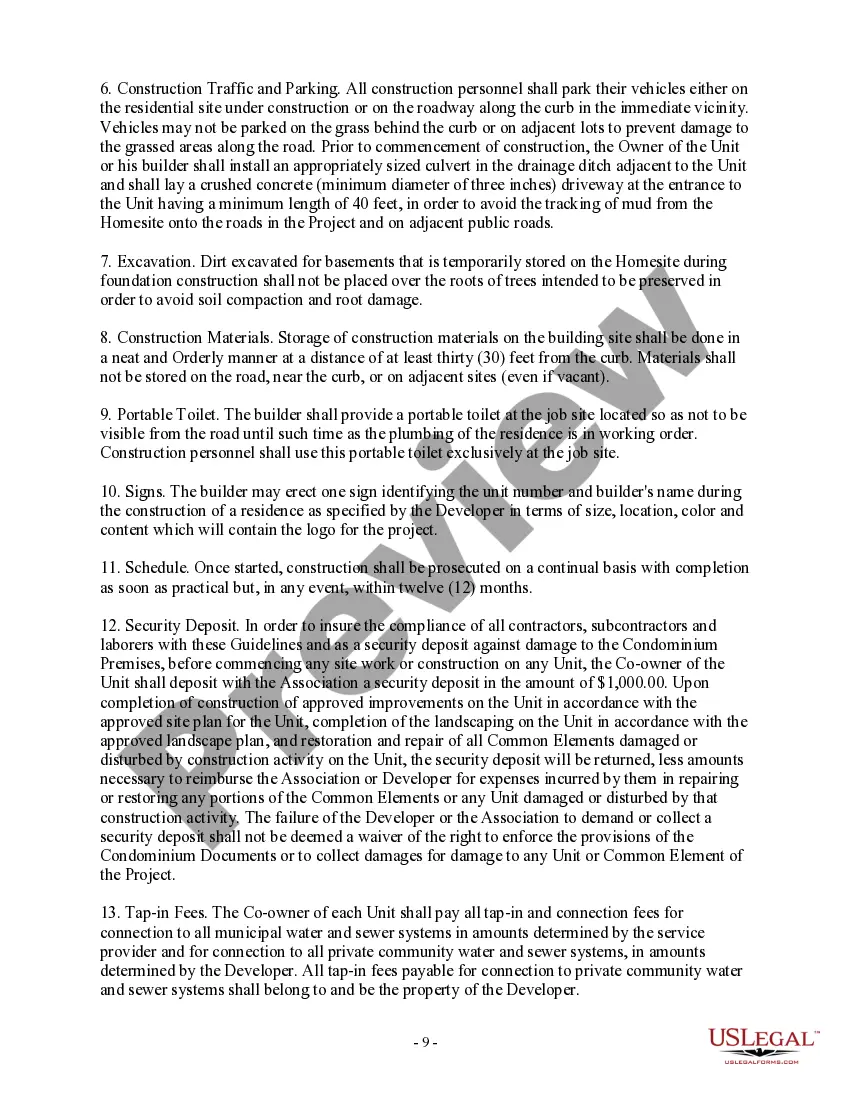
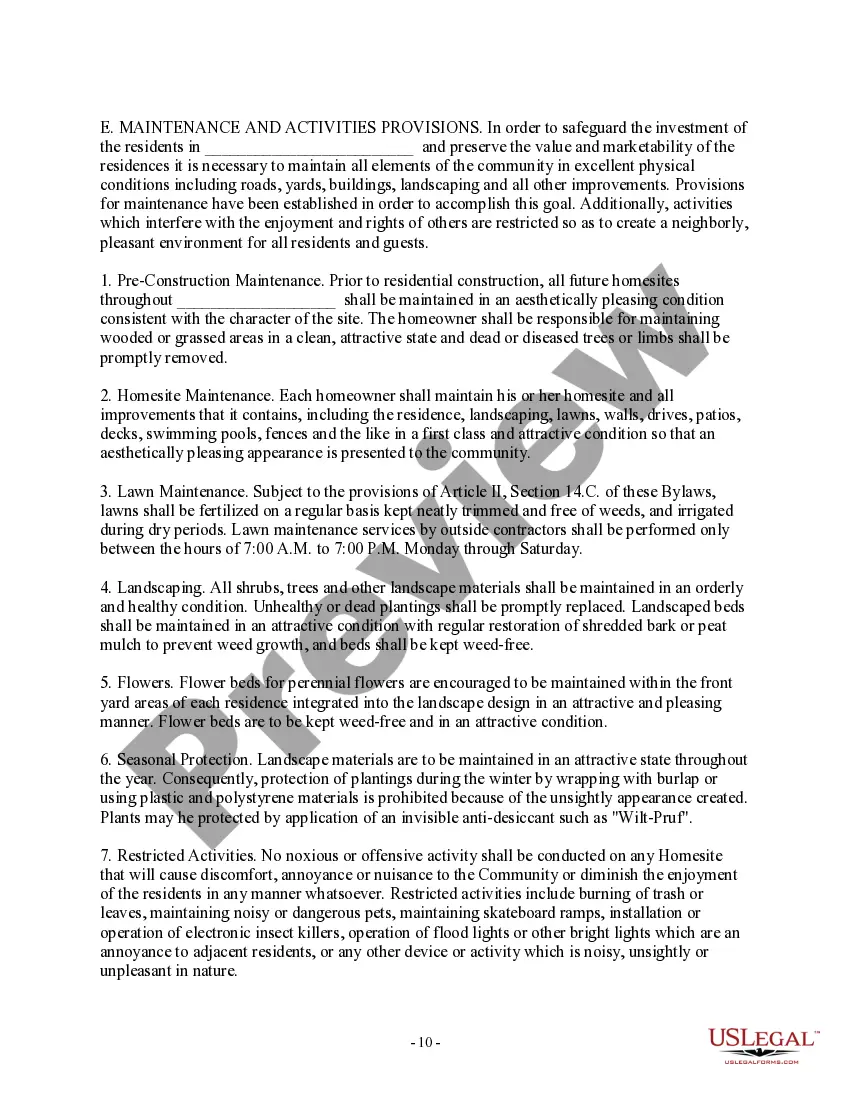


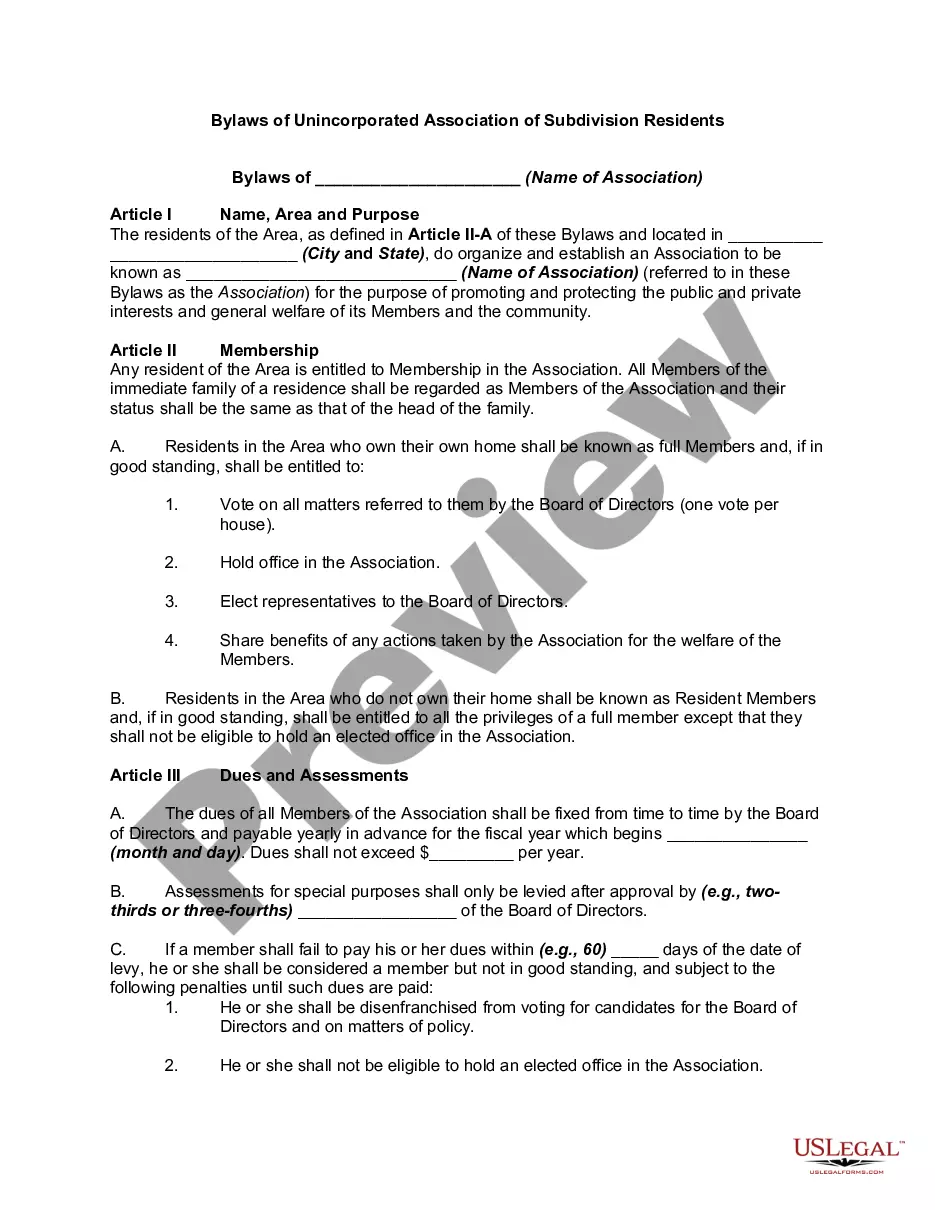
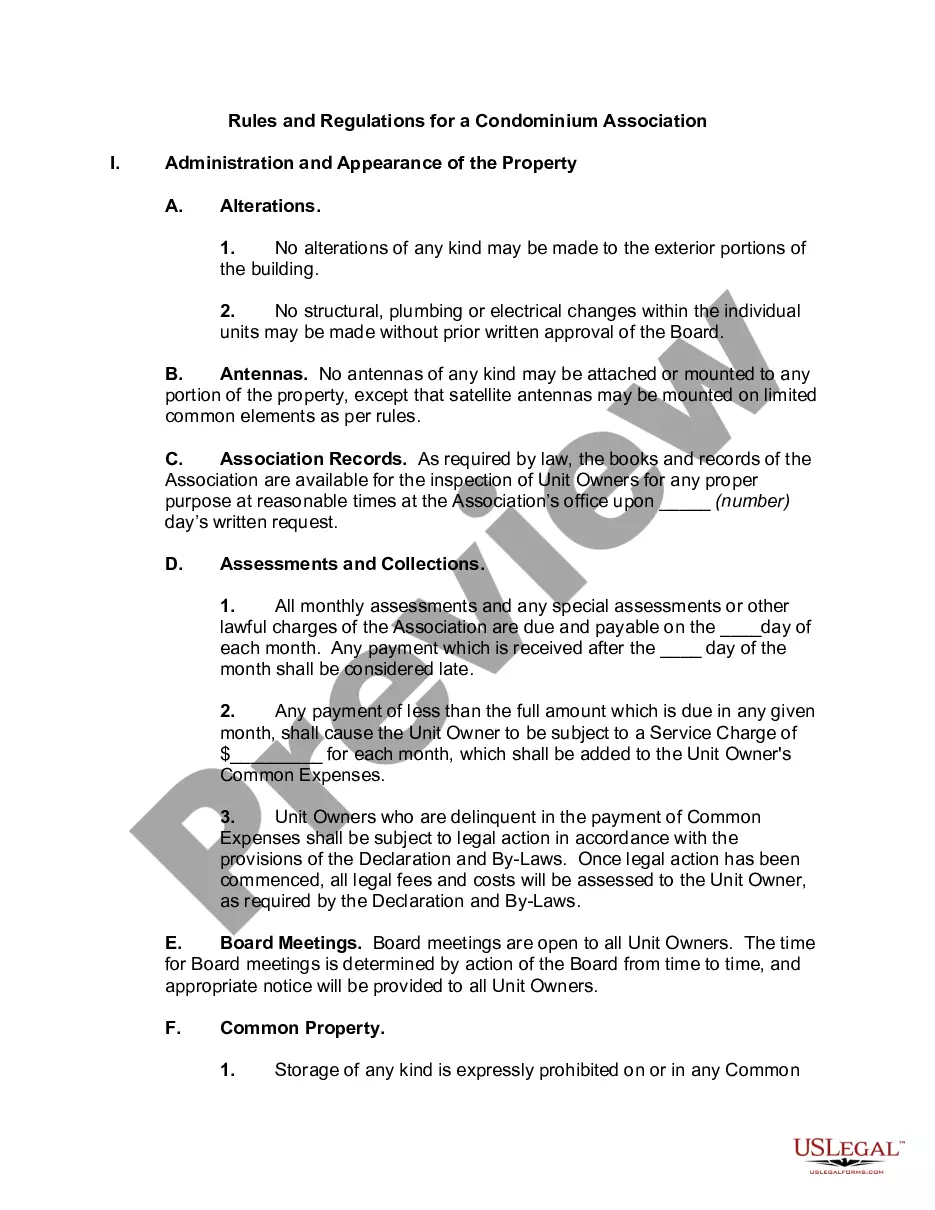
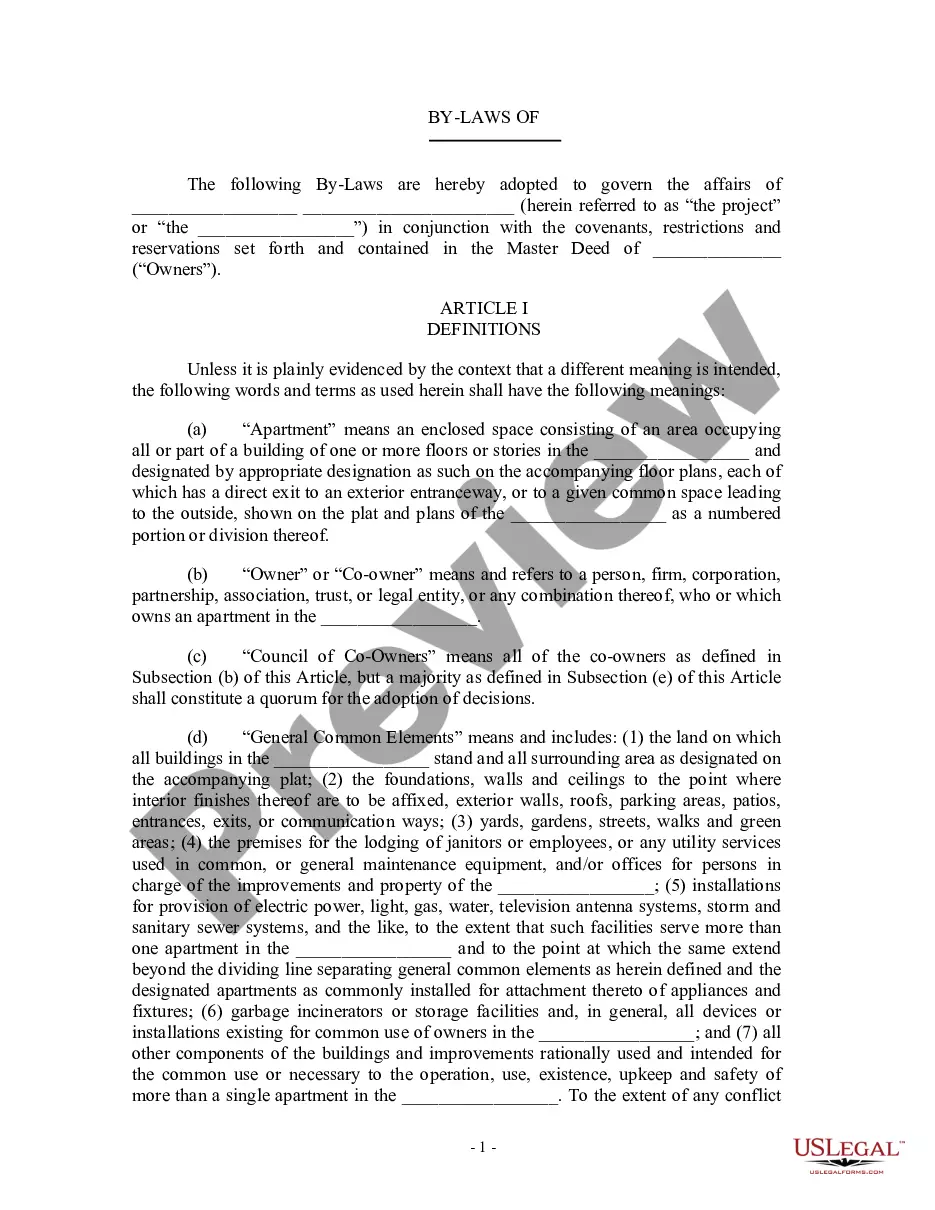
Get your form ready online
Our built-in tools help you complete, sign, share, and store your documents in one place.
Make edits, fill in missing information, and update formatting in US Legal Forms—just like you would in MS Word.
Download a copy, print it, send it by email, or mail it via USPS—whatever works best for your next step.
Sign and collect signatures with our SignNow integration. Send to multiple recipients, set reminders, and more. Go Premium to unlock E-Sign.
If this form requires notarization, complete it online through a secure video call—no need to meet a notary in person or wait for an appointment.
We protect your documents and personal data by following strict security and privacy standards.

Make edits, fill in missing information, and update formatting in US Legal Forms—just like you would in MS Word.

Download a copy, print it, send it by email, or mail it via USPS—whatever works best for your next step.

Sign and collect signatures with our SignNow integration. Send to multiple recipients, set reminders, and more. Go Premium to unlock E-Sign.

If this form requires notarization, complete it online through a secure video call—no need to meet a notary in person or wait for an appointment.

We protect your documents and personal data by following strict security and privacy standards.
Looking for another form?







Form popularity
FAQ
Washington Uniform Common Interest Ownership Act (WUCIOA) Homeowners' associations in Washington are governed by the WUCIOA.
Homeowners Associations (HOAs) in Washington State are governed by a series of state and federal laws, the most comprehensive of which is the Washington Uniform Common Interest Ownership Act (WUCIOA). These laws provide a framework for HOA operations, including financial management and property rights.
HOA governing documents are public record in Washington. An HOA must record its governing documents with the county land records to be enforceable.
Typically, an HOA board must send adequate notice to members of the vote for dissolution. The members will then vote using the method/s that state laws and the bylaws allow. If the vote passes, then the HOA will dissolve.
The members of any association may by the vote of two-thirds of the members voting thereon, at any regular meeting or at any special meeting called for that purpose, vote to dissolve said association after notice of the proposed dissolution has been given to all members entitled to vote thereon, in the manner provided ...
In Washington State, homeowners' associations (HOAs) have the authority to place liens on properties for unpaid assessments, which can lead to foreclosure. Understanding the specifics of the lien process and the rights of property owners is crucial.
If your HOA board is partaking in illegal conduct, it is important to report the case to local authorities. For housing discrimination cases, you may report the issue to the Washington State Human Rights Commission. If you are unsatisfied with your HOA board, consider removing problematic board members.
10 things to include in your HOA bylaws Name and purpose. The very first bylaws are the ones in which the association states its. Membership requirements. Board duties. Officer duties. Board member meetings. Member meetings. Committees. Non-compliance to bylaws.
Must be a member of the association. No delinquent dues/assessments or current violations of the governing documents. Not involved in legal issues (including litigation) with the association. Must not have a familial relationship or be a co-owner with any other serving board member.
