Bylaws Condo Association With Low Reserves In Washington
Description

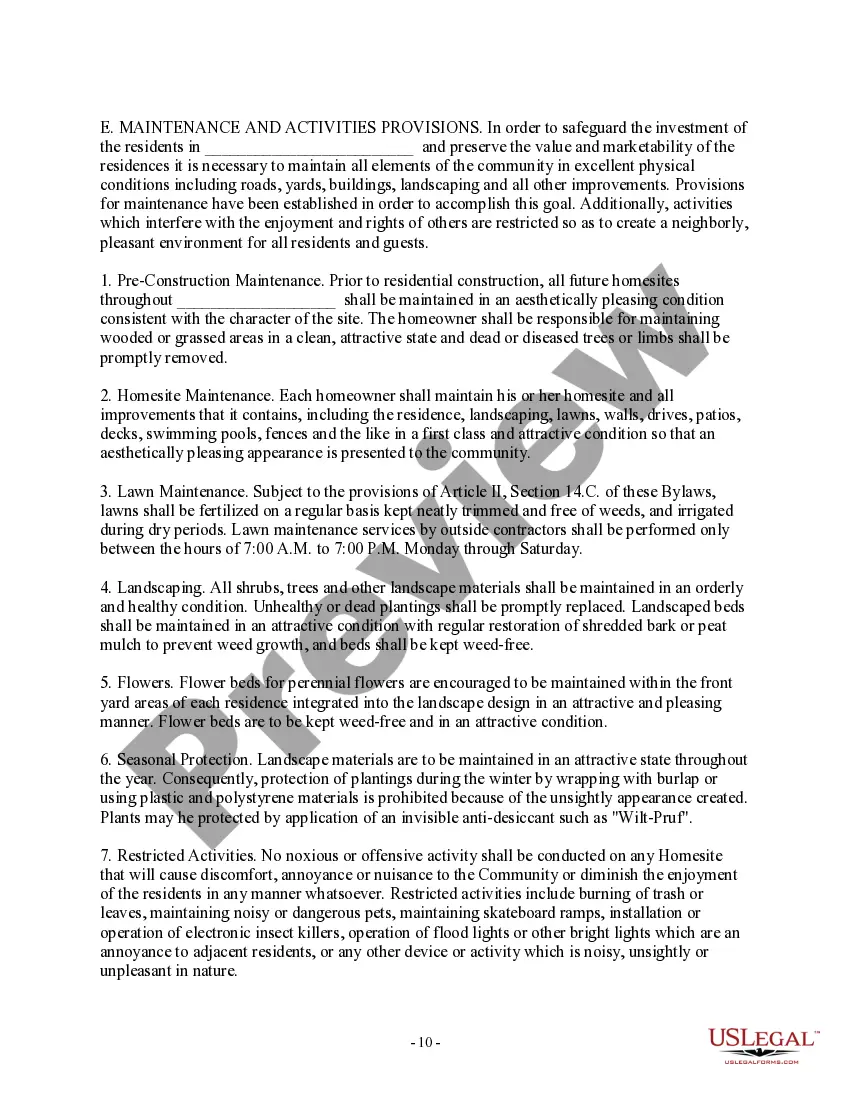


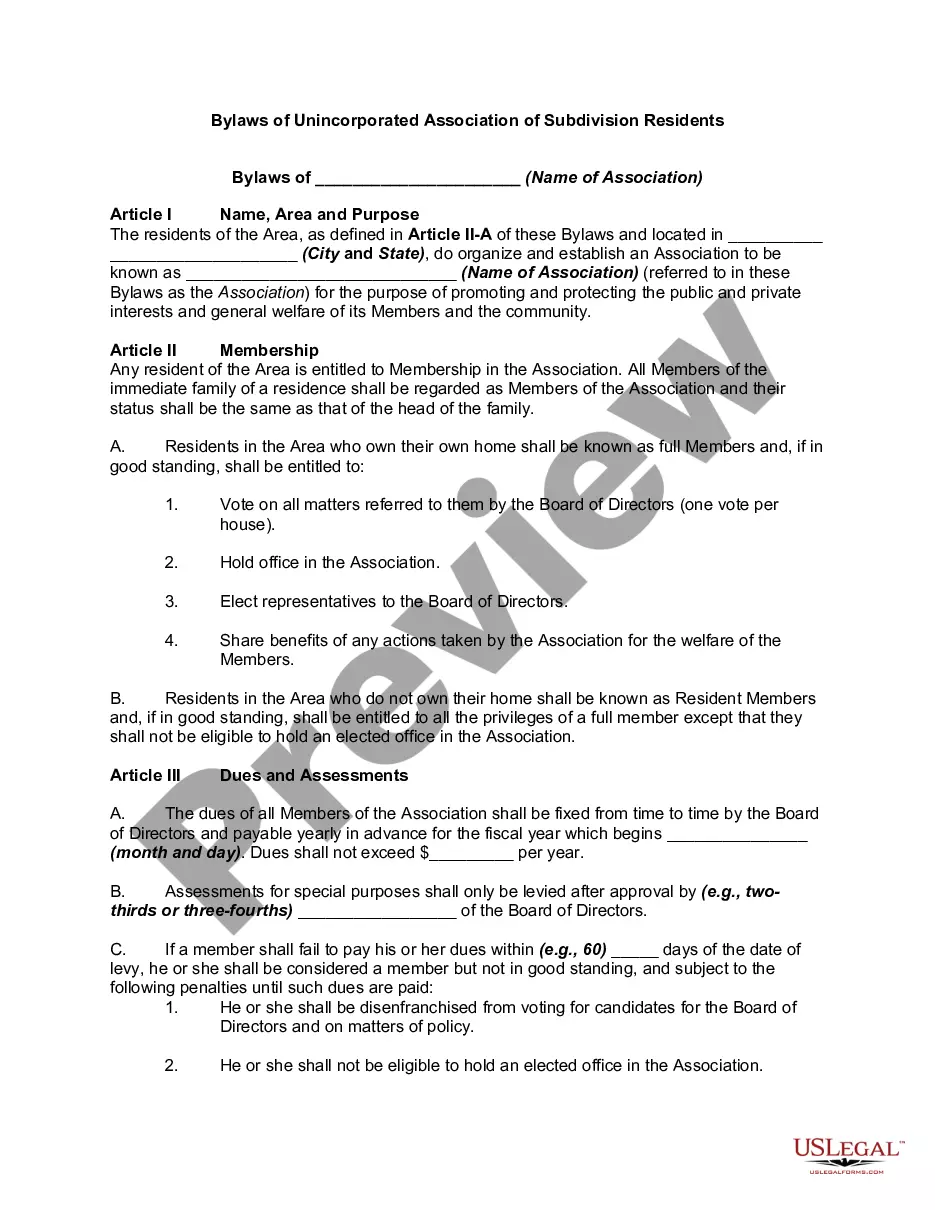
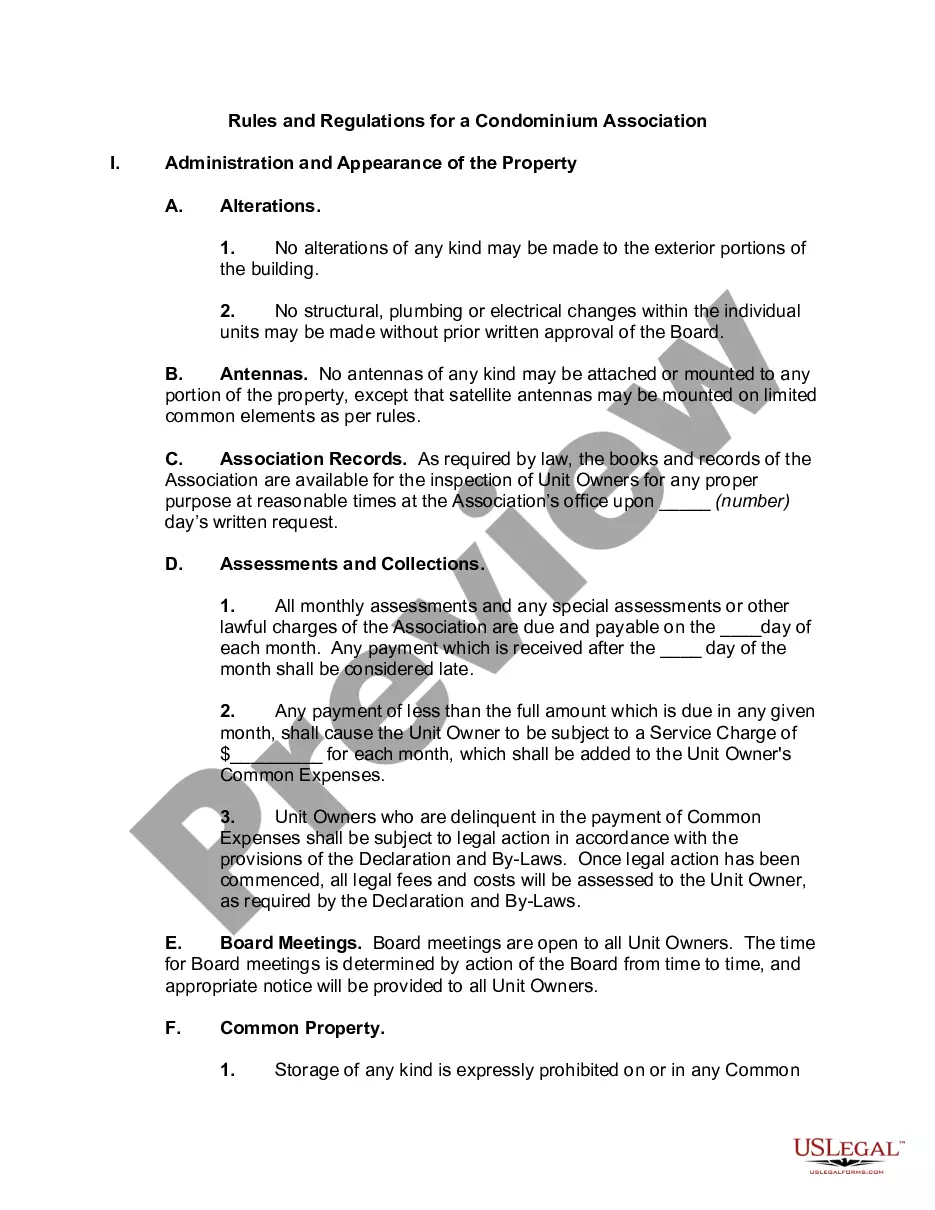
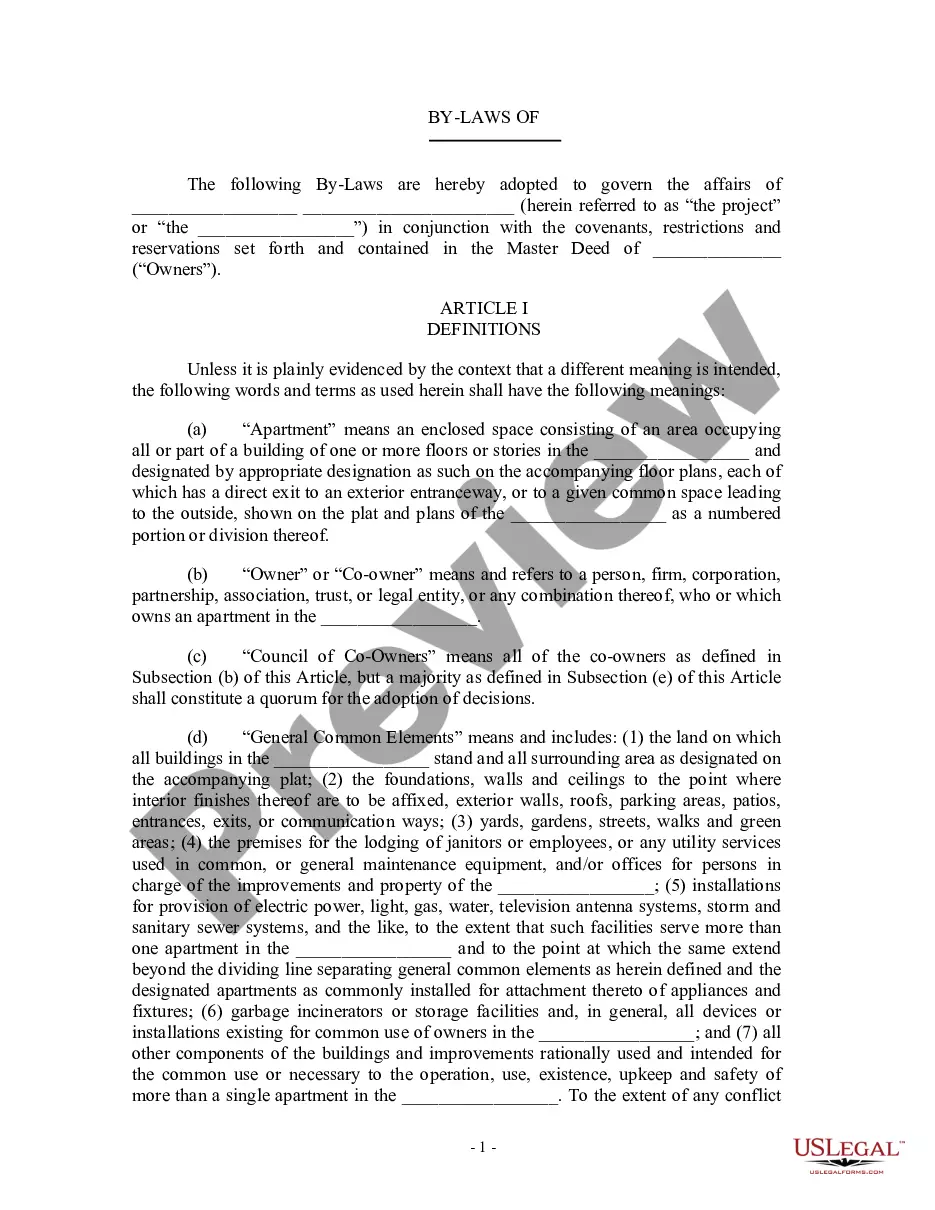
Get your form ready online
Our built-in tools help you complete, sign, share, and store your documents in one place.
Make edits, fill in missing information, and update formatting in US Legal Forms—just like you would in MS Word.
Download a copy, print it, send it by email, or mail it via USPS—whatever works best for your next step.
Sign and collect signatures with our SignNow integration. Send to multiple recipients, set reminders, and more. Go Premium to unlock E-Sign.
If this form requires notarization, complete it online through a secure video call—no need to meet a notary in person or wait for an appointment.
We protect your documents and personal data by following strict security and privacy standards.

Make edits, fill in missing information, and update formatting in US Legal Forms—just like you would in MS Word.

Download a copy, print it, send it by email, or mail it via USPS—whatever works best for your next step.

Sign and collect signatures with our SignNow integration. Send to multiple recipients, set reminders, and more. Go Premium to unlock E-Sign.

If this form requires notarization, complete it online through a secure video call—no need to meet a notary in person or wait for an appointment.

We protect your documents and personal data by following strict security and privacy standards.
Looking for another form?






Form popularity
FAQ
Every property has its own unique list of common area assets that the HOA is responsible to maintain. On average, HOAs should be setting aside 15% to 40% of their total assessments towards Reserves. This percentage holds true for all types of associations.
Rule of thumb says there should be at least 10% of your annual operating budget in your condo reserve fund at any time. In fact, for FHA insured loans, Fannie Mae or Freddie Mac loans, it is actually a requirement that an amount equal to 10% of your annual operating budget be set aside in your condo reserve fund.
HOA reserves act like a cushion that protects the association from unplanned expenses and essential upgrades over time. Associations are able to fund their reserve account by allotting a certain percentage of the HOA dues each month. For some HOAs, this is usually about 20 to 40 percent.
No Reserve Fund Equals Higher Dues or Special Assessments An HOA without an adequate reserve fund may have to increase dues significantly right away or levy special assessments. Neither of these options will get you popularity points with the development's homeowners.
Reserve studies or a reserve schedule for inium associations are required in the following 13 states: California, Colorado, Delaware, Florida, Hawaii, Maryland, New Jersey, Nevada, Oregon, Tennessee, Utah, Virginia, and Washington State.
An underfunded reserve account signals poor financial management. Buyers will think twice about buying into the community because they see potential dues increases or special assessments in the near future.
Percent funded is calculated by dividing the current reserve fund balance by the fully funded balance. In the above example, if the association has $30,000 in reserves in year 10, it is 60% funded ($30,000 / $50,000).
Achieving a 70% funded reserve is considered a milestone for inium associations, indicating a reasonable level of financial preparedness. It signifies that the association has taken proactive steps to ensure the long-term sustainability of the community and mitigate the risk of financial instability.
HOA governing documents are public record in Washington. An HOA must record its governing documents with the county land records to be enforceable.
