Bylaws Condo Association With Board Of Directors In Wake
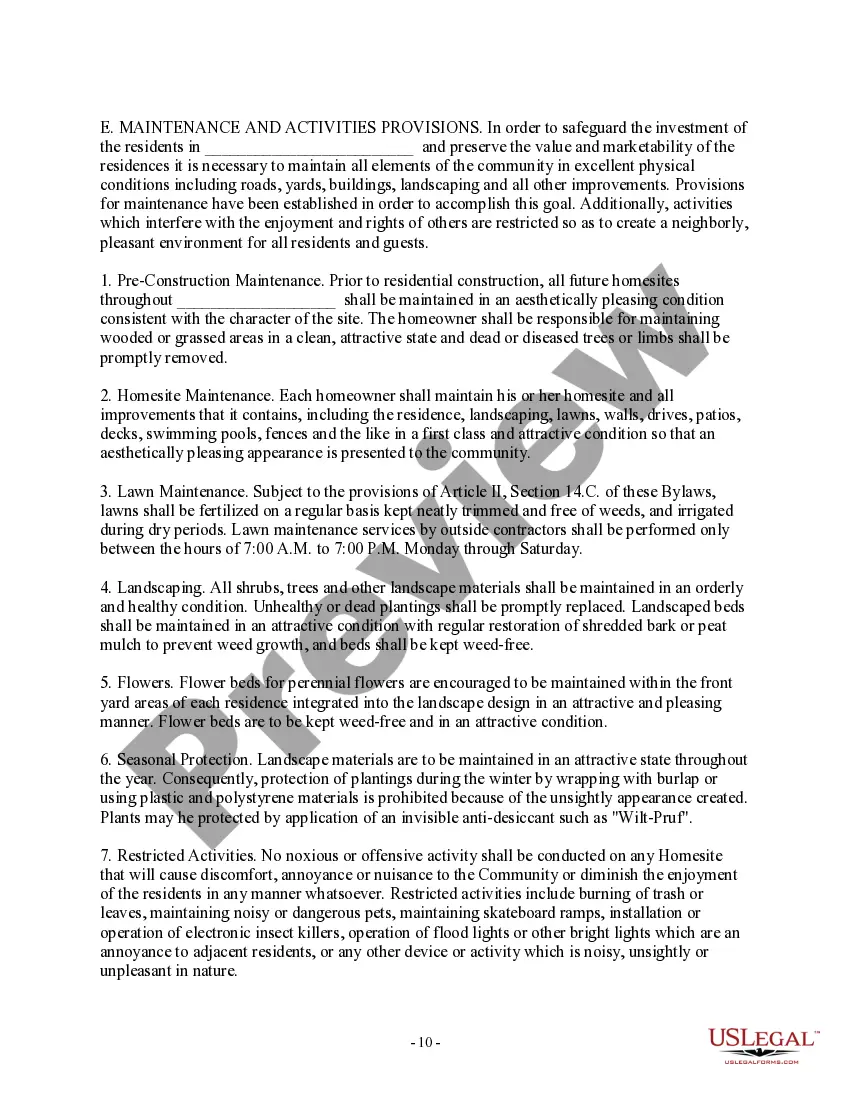
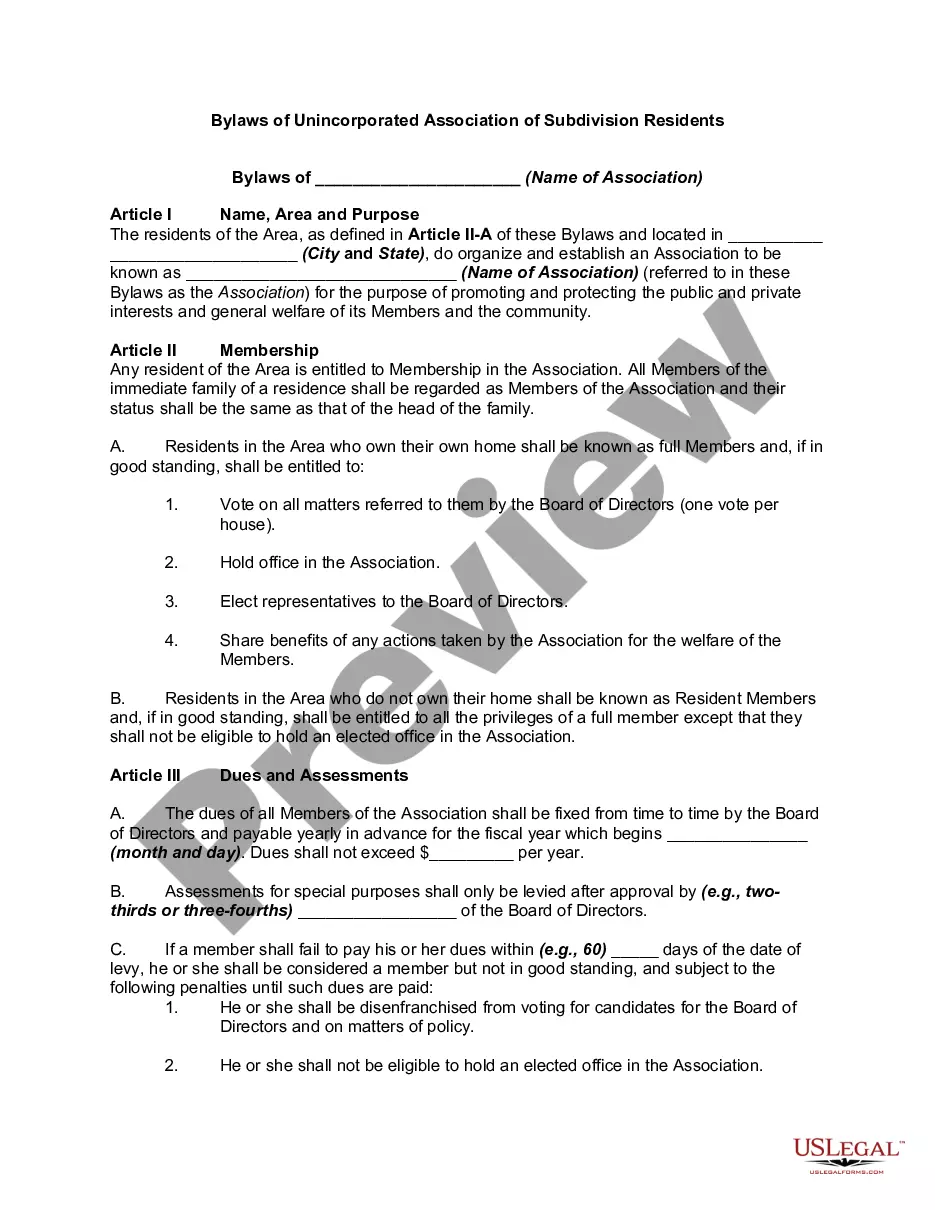
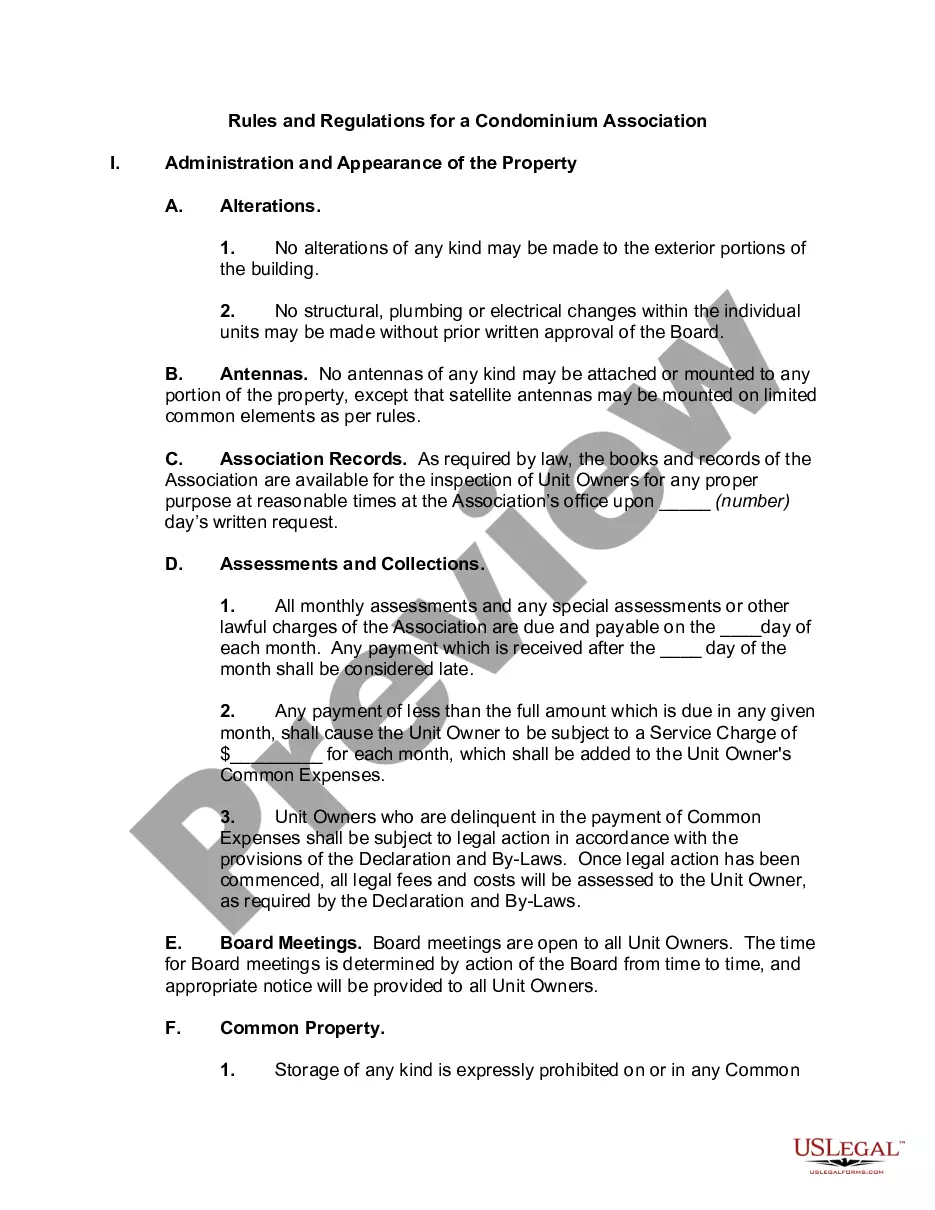
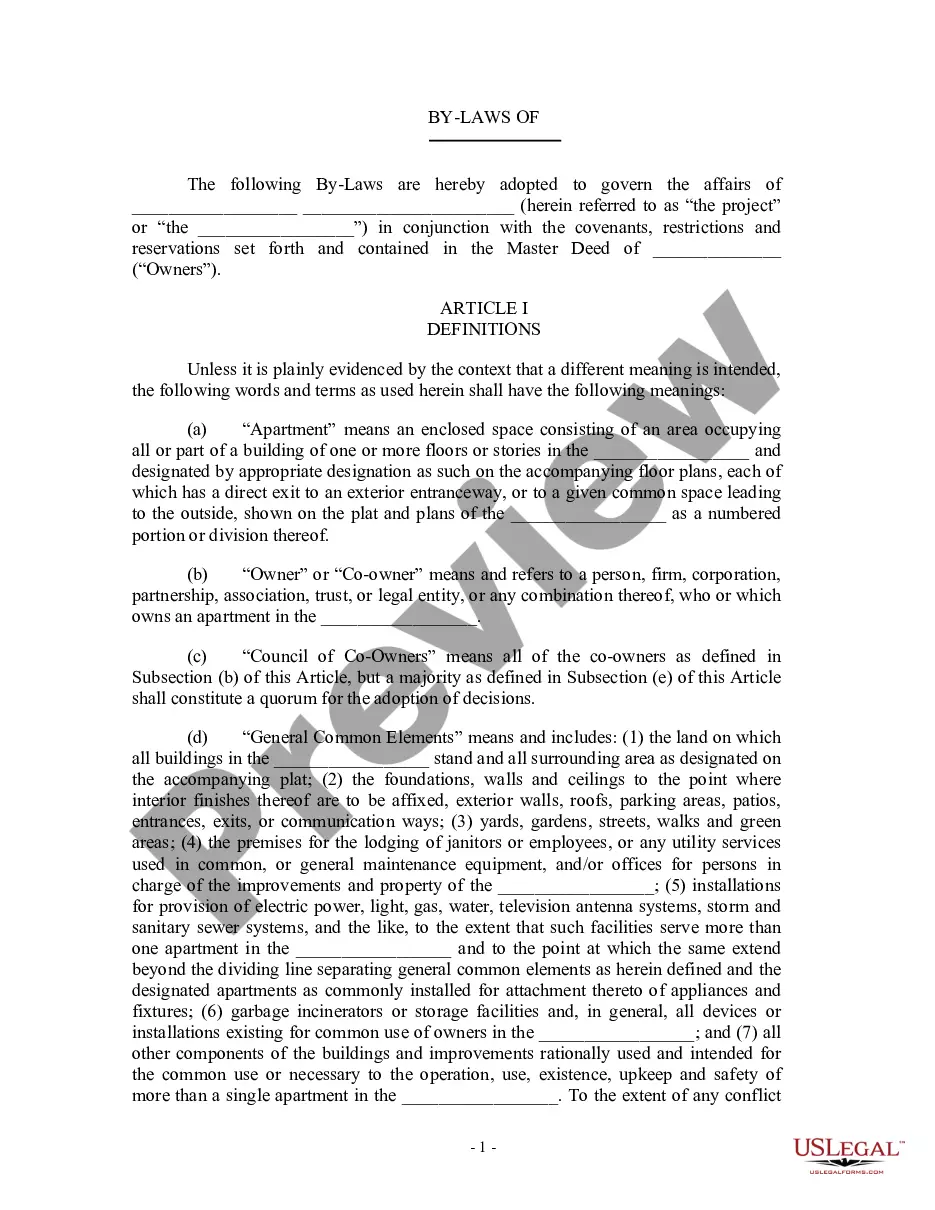
Description



Get your form ready online
Our built-in tools help you complete, sign, share, and store your documents in one place.
Make edits, fill in missing information, and update formatting in US Legal Forms—just like you would in MS Word.
Download a copy, print it, send it by email, or mail it via USPS—whatever works best for your next step.
Sign and collect signatures with our SignNow integration. Send to multiple recipients, set reminders, and more. Go Premium to unlock E-Sign.
If this form requires notarization, complete it online through a secure video call—no need to meet a notary in person or wait for an appointment.
We protect your documents and personal data by following strict security and privacy standards.

Make edits, fill in missing information, and update formatting in US Legal Forms—just like you would in MS Word.

Download a copy, print it, send it by email, or mail it via USPS—whatever works best for your next step.

Sign and collect signatures with our SignNow integration. Send to multiple recipients, set reminders, and more. Go Premium to unlock E-Sign.

If this form requires notarization, complete it online through a secure video call—no need to meet a notary in person or wait for an appointment.

We protect your documents and personal data by following strict security and privacy standards.
Looking for another form?






Form popularity
FAQ
What are the roles and responsibilities of the board of directors? Keeping the organization financially secure and sustainable. Managing enterprise-wide risk. Driving effective board management. Overseeing environmental, social and governance (ESG) issues. Building relationships with shareholders.
The board of directors is the cornerstone of any association, as the guiding force responsible for ensuring smooth operations. It plays a crucial role in safeguarding stakeholders' interests and overseeing the effective functioning of every organ within the association.
Essentially, it is the role of the board of directors to hire the CEO or general manager of the business and assess the overall direction and strategy of the business. The CEO or general manager is responsible for hiring all of the other employees and overseeing the day-to-day operation of the business.
The board of directors is the cornerstone of any association, as the guiding force responsible for ensuring smooth operations. It plays a crucial role in safeguarding stakeholders' interests and overseeing the effective functioning of every organ within the association.
Board members are volunteers who are elected to the position by other association members. Homeowners' association board responsibilities include handling a variety of tasks, including creating and enforcing guidelines, overseeing finances, and maintaining shared spaces.
Most condos and HOAs will have a board consisting of 5 or 7 directors, but a small community may only require 3 people. Bylaws usually outline how many members must serve on the board and how long terms last. At the very least, a condo or HOA will have a president, secretary, and treasurer.
Bylaws. The Bylaws of a inium or planned development contain the operating procedures of the homeowners association. These generally include how to call and conduct a meeting, how to vote, how to levy assessments, how to manage association business, and how to keep records.
Essentially, it is the role of the board of directors to hire the CEO or general manager of the business and assess the overall direction and strategy of the business. The CEO or general manager is responsible for hiring all of the other employees and overseeing the day-to-day operation of the business.
In general, the role of the board is to provide high-level oversight of corporate activities and performance, while some individual board members may take on more involved or activist roles.
