Bylaws Condo Association With Low Reserves In Pima
Description















Get your form ready online
Our built-in tools help you complete, sign, share, and store your documents in one place.
Make edits, fill in missing information, and update formatting in US Legal Forms—just like you would in MS Word.
Download a copy, print it, send it by email, or mail it via USPS—whatever works best for your next step.
Sign and collect signatures with our SignNow integration. Send to multiple recipients, set reminders, and more. Go Premium to unlock E-Sign.
If this form requires notarization, complete it online through a secure video call—no need to meet a notary in person or wait for an appointment.
We protect your documents and personal data by following strict security and privacy standards.

Make edits, fill in missing information, and update formatting in US Legal Forms—just like you would in MS Word.

Download a copy, print it, send it by email, or mail it via USPS—whatever works best for your next step.

Sign and collect signatures with our SignNow integration. Send to multiple recipients, set reminders, and more. Go Premium to unlock E-Sign.

If this form requires notarization, complete it online through a secure video call—no need to meet a notary in person or wait for an appointment.

We protect your documents and personal data by following strict security and privacy standards.
Looking for another form?




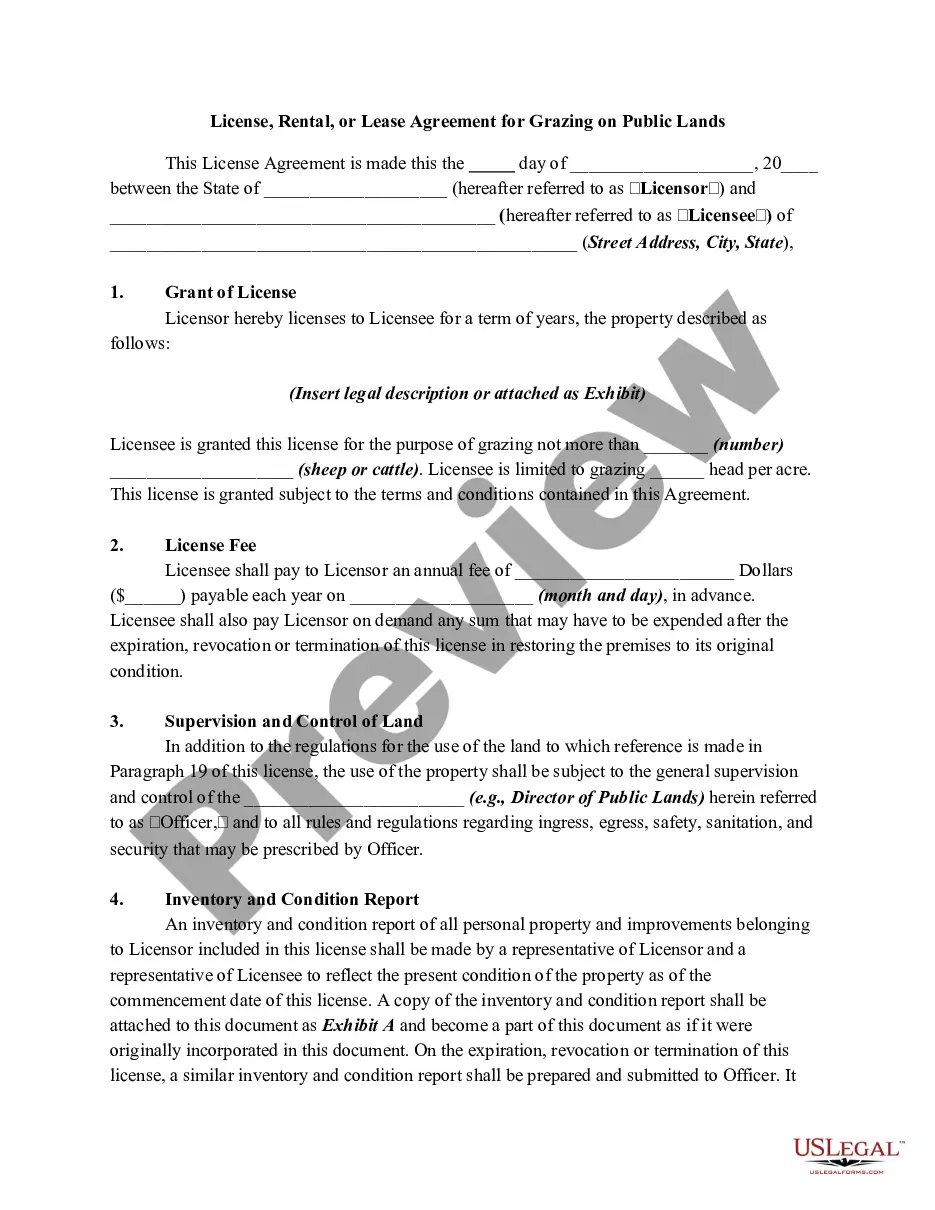

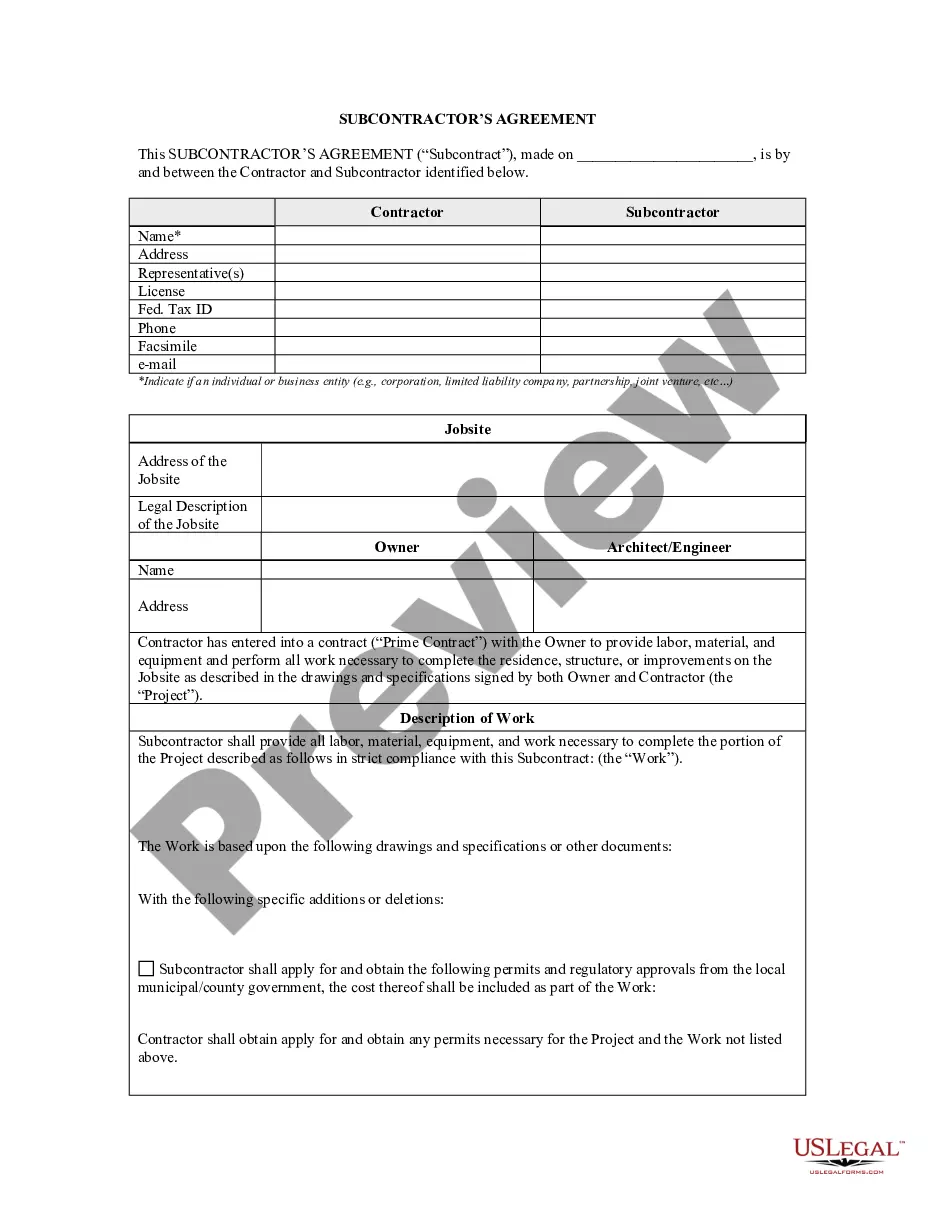
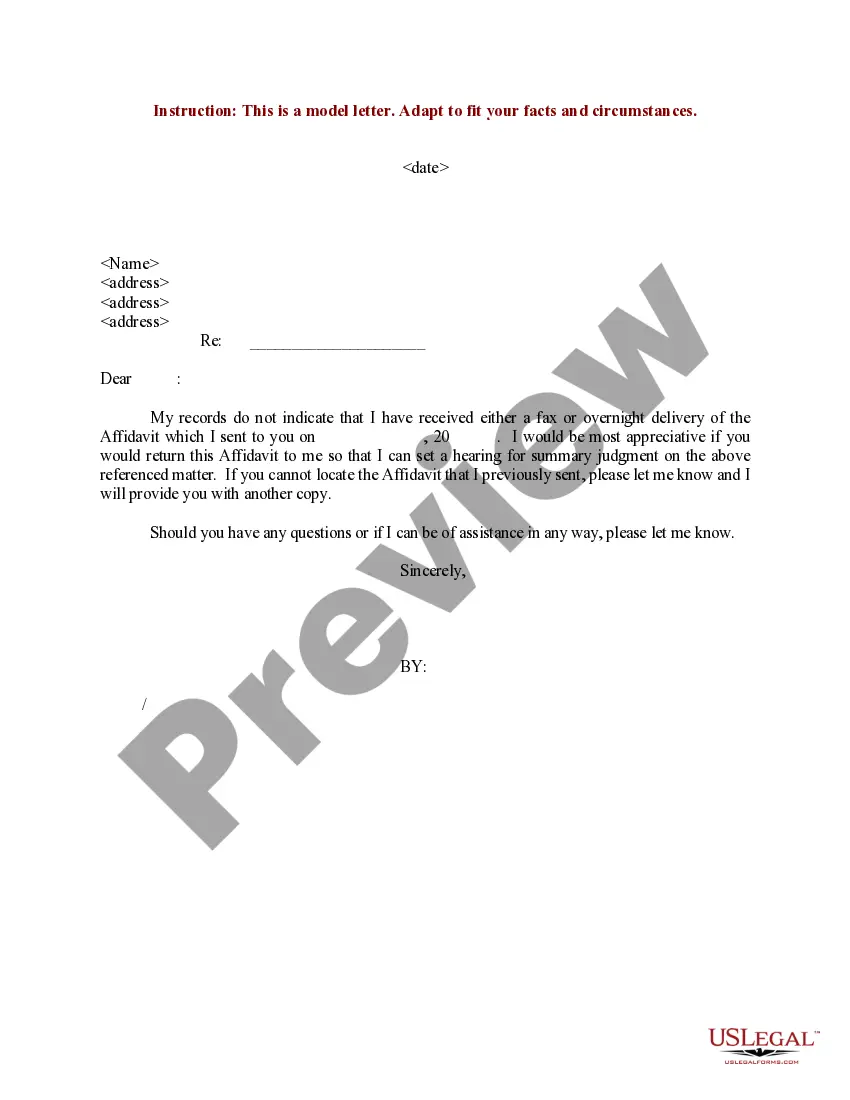
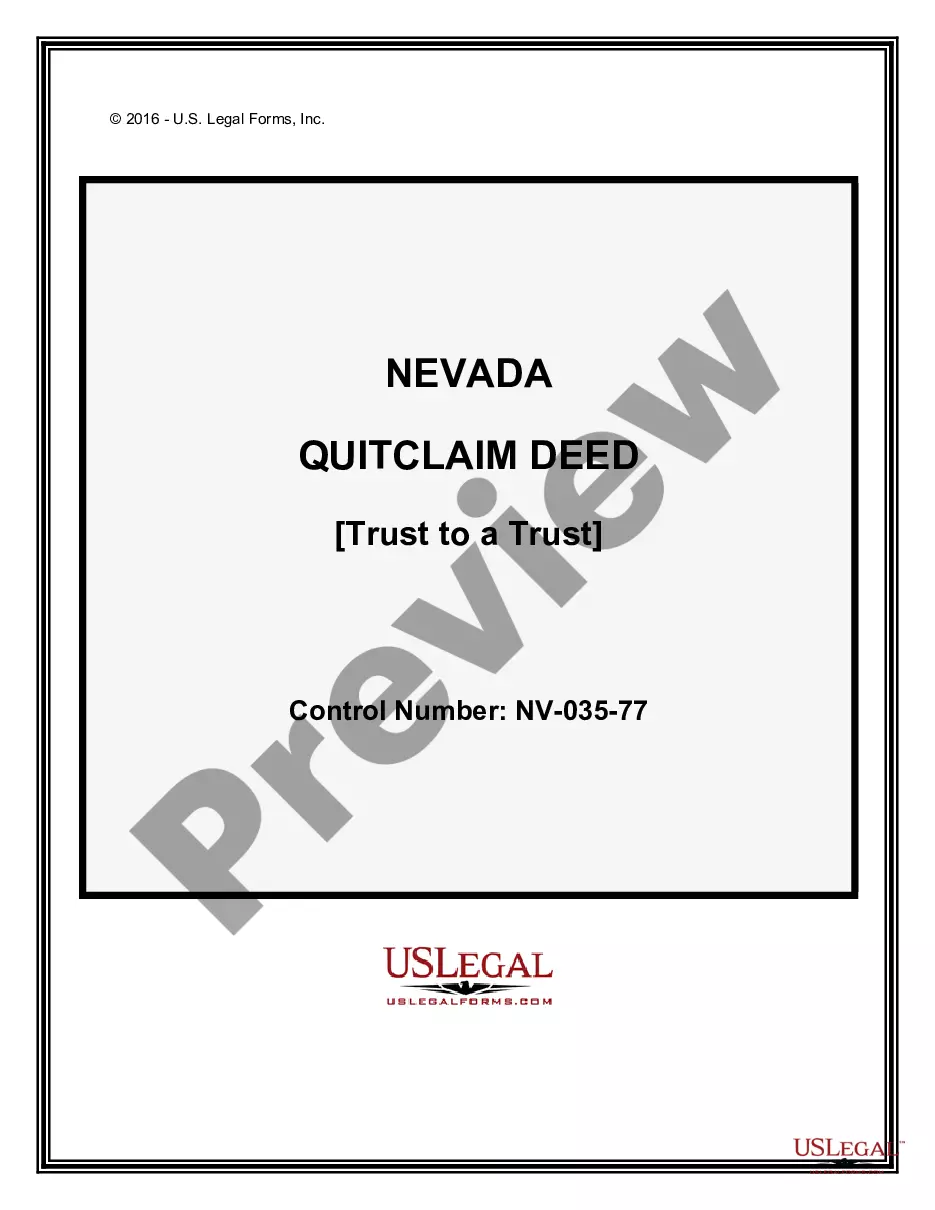
Form popularity
FAQ
What are the potential legal actions against a negligent condo association in Connecticut? If a condo association in Connecticut fails to comply with its legal obligations, unit owners may have grounds to pursue legal actions.
Ing to the Illinois Department of Financial and Professional Regulation, an individual condo owner may be forced to sell their property only if 75 percent of unit owners vote in favor of a bulk sale.
Reserves are like savings accounts – an accumulation of funds for a future purpose. The source of funding for a reserve might be surpluses from operations, or scheduled transfers that have been planned and budgeted.
Introduction. Reservists are citizens of a country who combine a military career with a civilian career. They are not normally on active duty and their predominant function is to be available for military service when a state mobilises to deal with a crisis, the possibility of a crisis or when needed otherwise.
Passed by the Connecticut legislature on June 3, 1983, became the first state law in the United States to unify and modernize the law of common interest communities. This Act covers in a uniform manner the law of iniums, real estate cooperatives, planned unit developments, and reciprocal easement regimes.
Raise your concerns to a condo association board member. If they are not responsive, document your concerns and forward them formally to the condo association board. You should attend a condo board meeting and voice your concerns to the board.
Answer: As of 2024, Florida law requires all condos over three stories to conduct mandatory building inspections and a Structural Integrity Reserve Study (SIRS) every 10 years. Additionally, associations can no longer waive or reduce reserve funds, ensuring they are fully funded to cover future repairs.
The Connecticut Common Interest Ownership Act oversees the formation, alteration, termination, sale, and management of common interest communities established after January 1, 1984. This includes homeowners associations, iniums, and cooperatives.
