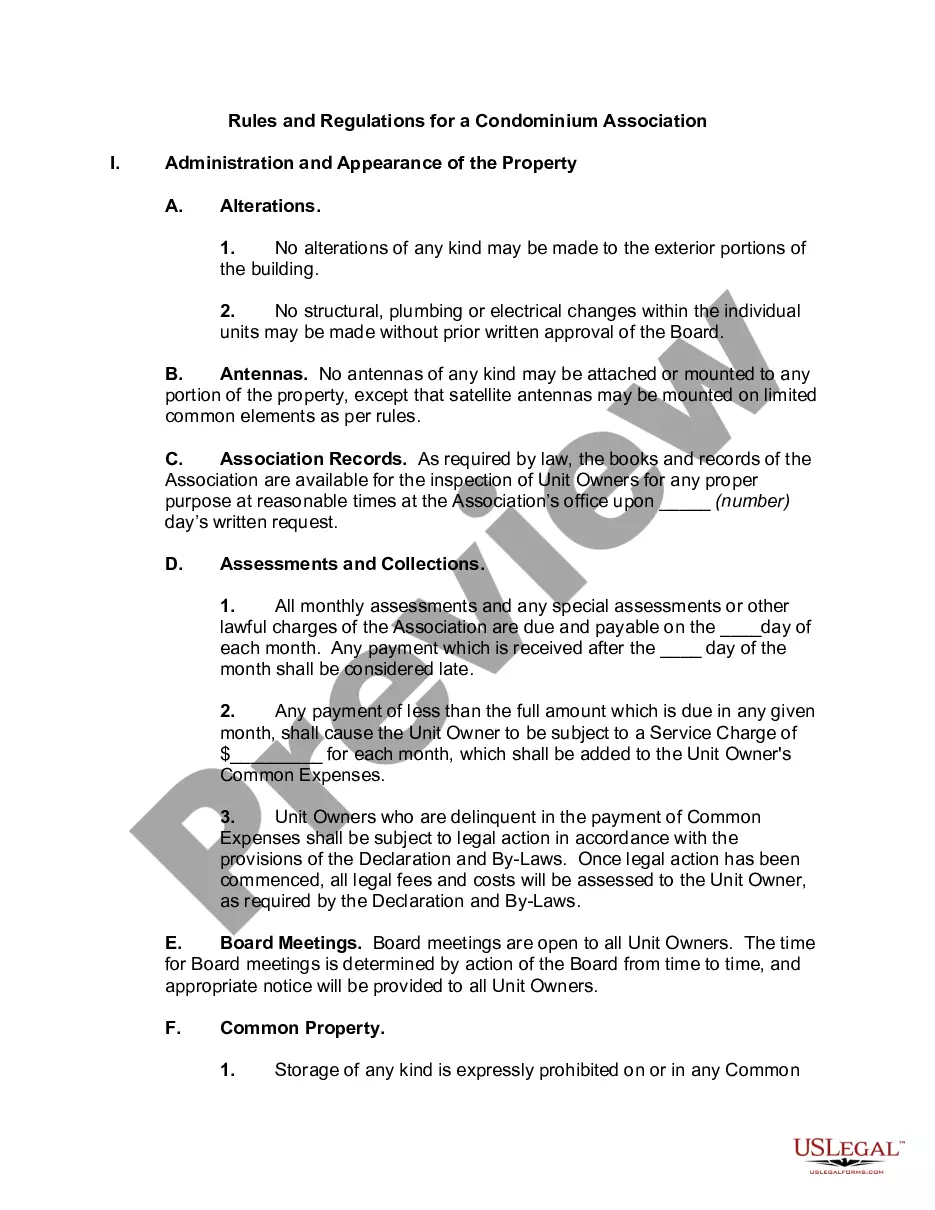
Condominium Bylaws And Declarations In Pennsylvania
Description














Get your form ready online
Our built-in tools help you complete, sign, share, and store your documents in one place.
Make edits, fill in missing information, and update formatting in US Legal Forms—just like you would in MS Word.
Download a copy, print it, send it by email, or mail it via USPS—whatever works best for your next step.
Sign and collect signatures with our SignNow integration. Send to multiple recipients, set reminders, and more. Go Premium to unlock E-Sign.
If this form requires notarization, complete it online through a secure video call—no need to meet a notary in person or wait for an appointment.
We protect your documents and personal data by following strict security and privacy standards.

Make edits, fill in missing information, and update formatting in US Legal Forms—just like you would in MS Word.

Download a copy, print it, send it by email, or mail it via USPS—whatever works best for your next step.

Sign and collect signatures with our SignNow integration. Send to multiple recipients, set reminders, and more. Go Premium to unlock E-Sign.

If this form requires notarization, complete it online through a secure video call—no need to meet a notary in person or wait for an appointment.

We protect your documents and personal data by following strict security and privacy standards.
Looking for another form?









Form popularity
FAQ
In general, homeowners can request HOA documents that cover the following: Governing documents, including the CC&Rs, bylaws, articles of incorporation, community plat, and operating rules; All board and membership meeting minutes and notices; Membership lists; All insurance policies of the association;
In Pennsylvania, homeowner associations (HOAs) are governed by specific state laws to maintain order and regulate affairs within planned communities. These regulations are primarily outlined in the Uniform Planned Community Act (UPCA), codified in Title 68, Chapters 51-54 of the Pennsylvania statutes.
Pennsylvania's inium property acts require that a registered land surveyor prepare a plat showing the elevations of floors and ceilings on a vertical plane and the boundaries of a inium unit with reference to an official datum.
There are three common real property measurement methods; the Gross Building Area (GBA), Gross Living Area (GLA), and the American National Standard Institute (ANSI). While each method is specific in what areas are included and excluded, all of them calculate the property size based on square footage.
A property survey confirms the boundaries of a given property ing to records and legal descriptions. It can be potentially significant to know where your property line is for legal purposes and if you're adding structures to your property.
Iniums in Pennsylvania are governed by the Uniform inium Act, 68 Pa. Stat. §§ 3101 to 3414 (the “UCA”). Although “inium” is a term generally used to refer to an individually-owed unit, it is also a form of ownership where property other than the individual unit is deemed to be common property.
