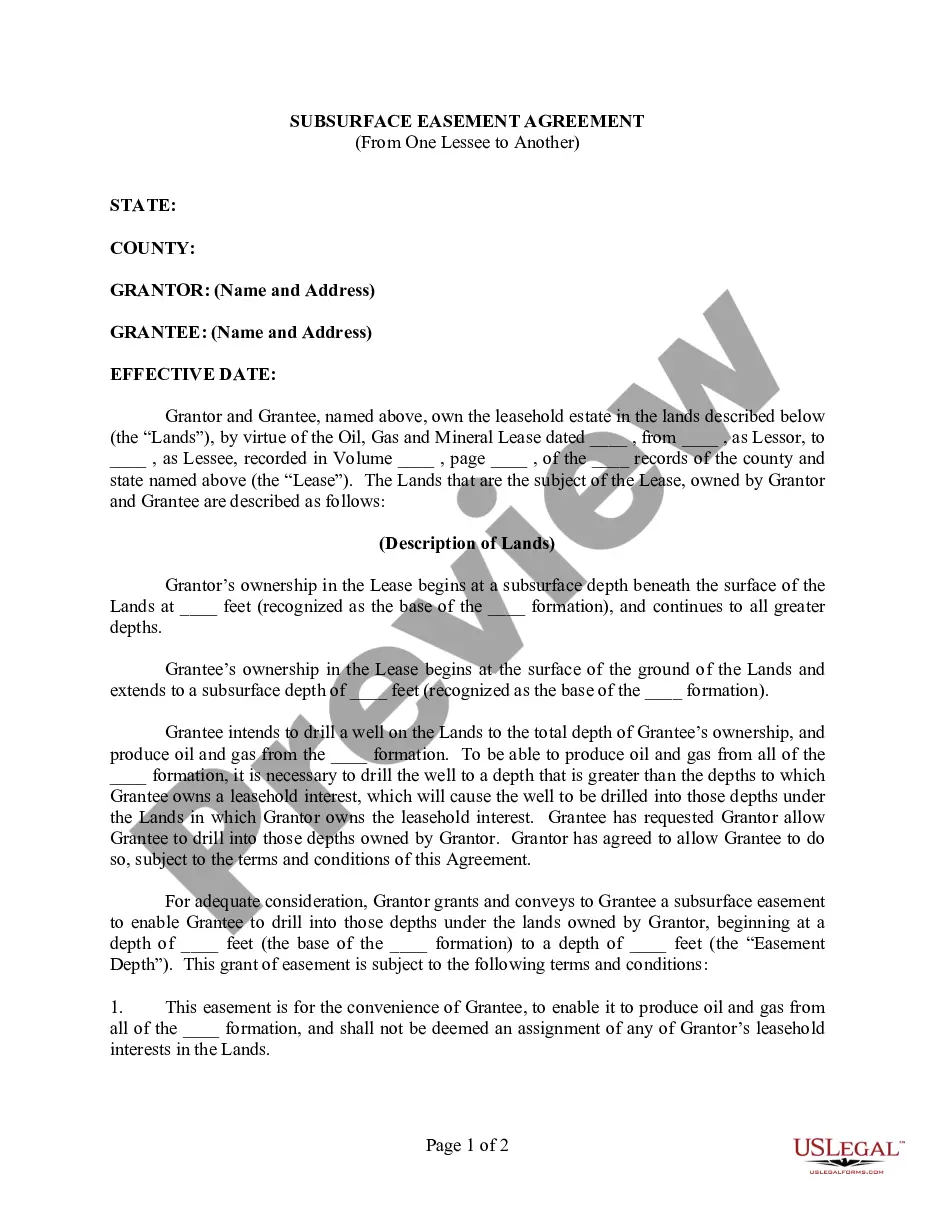
Bylaws Residential Association Format In Pennsylvania
Description

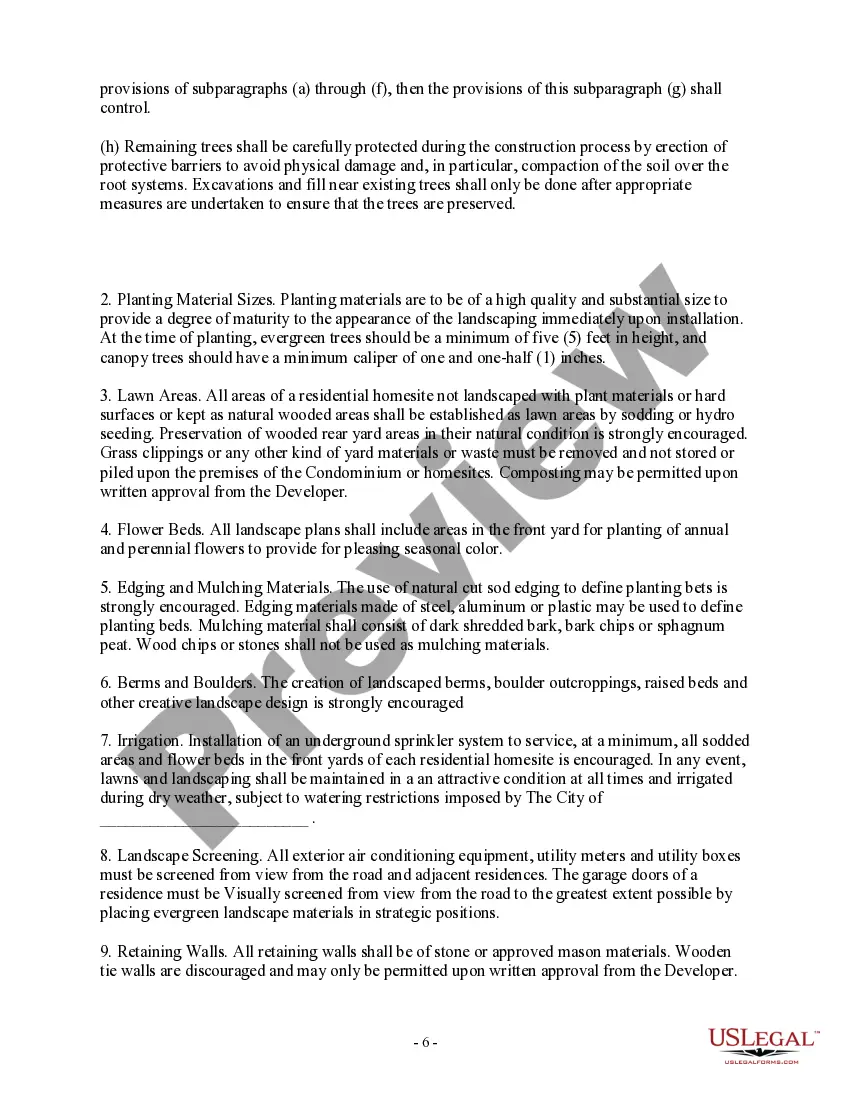
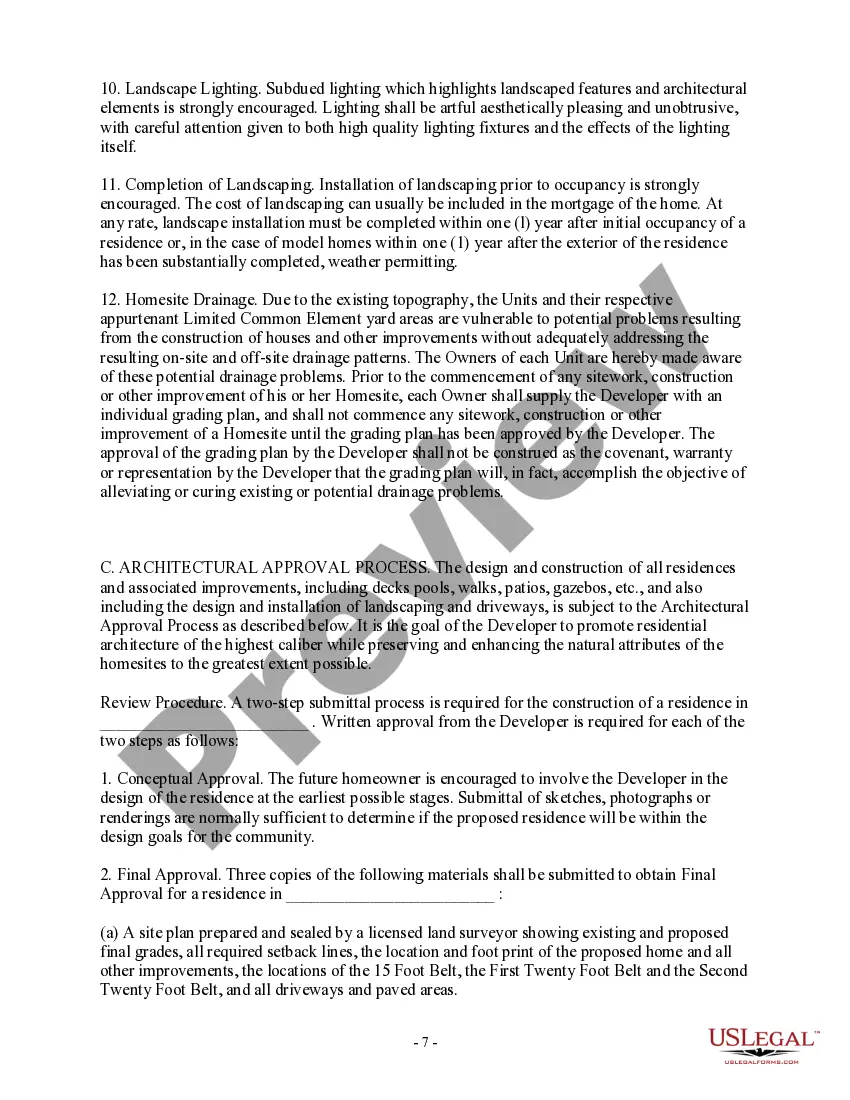
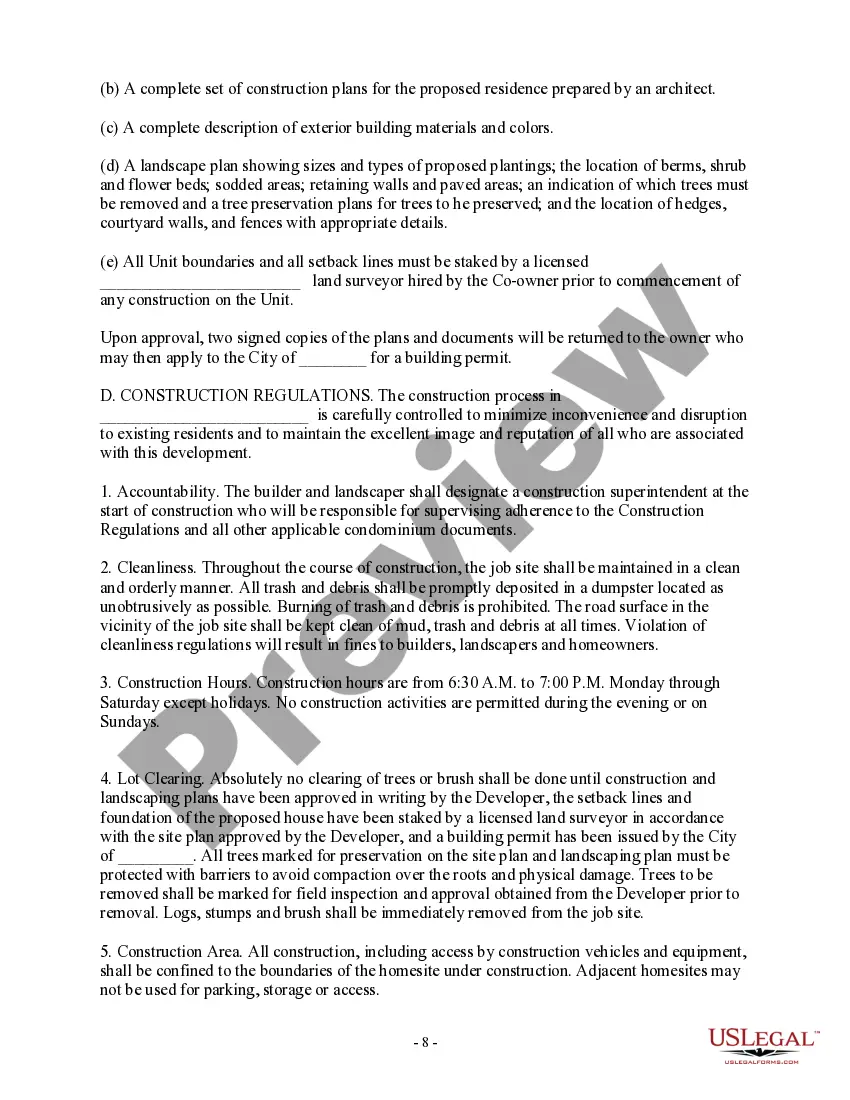
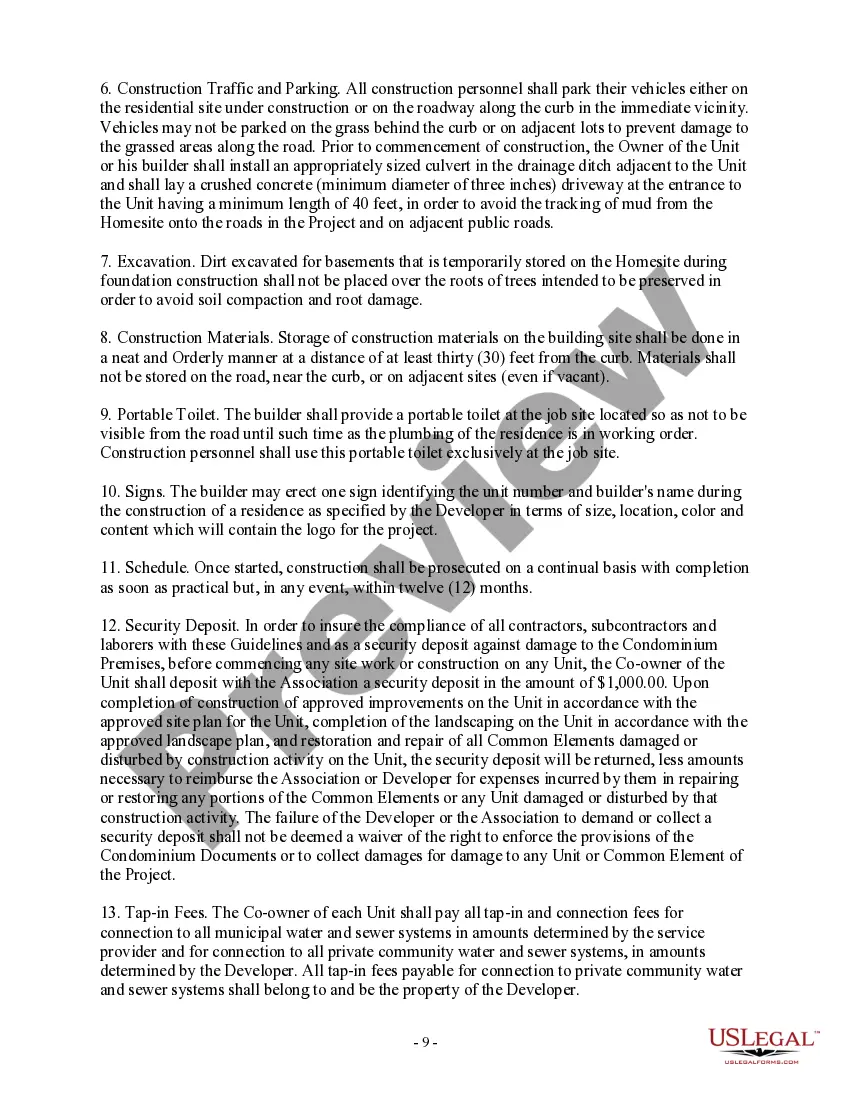


Get your form ready online
Our built-in tools help you complete, sign, share, and store your documents in one place.
Make edits, fill in missing information, and update formatting in US Legal Forms—just like you would in MS Word.
Download a copy, print it, send it by email, or mail it via USPS—whatever works best for your next step.
Sign and collect signatures with our SignNow integration. Send to multiple recipients, set reminders, and more. Go Premium to unlock E-Sign.
If this form requires notarization, complete it online through a secure video call—no need to meet a notary in person or wait for an appointment.
We protect your documents and personal data by following strict security and privacy standards.

Make edits, fill in missing information, and update formatting in US Legal Forms—just like you would in MS Word.

Download a copy, print it, send it by email, or mail it via USPS—whatever works best for your next step.

Sign and collect signatures with our SignNow integration. Send to multiple recipients, set reminders, and more. Go Premium to unlock E-Sign.

If this form requires notarization, complete it online through a secure video call—no need to meet a notary in person or wait for an appointment.

We protect your documents and personal data by following strict security and privacy standards.
Looking for another form?








Form popularity
FAQ
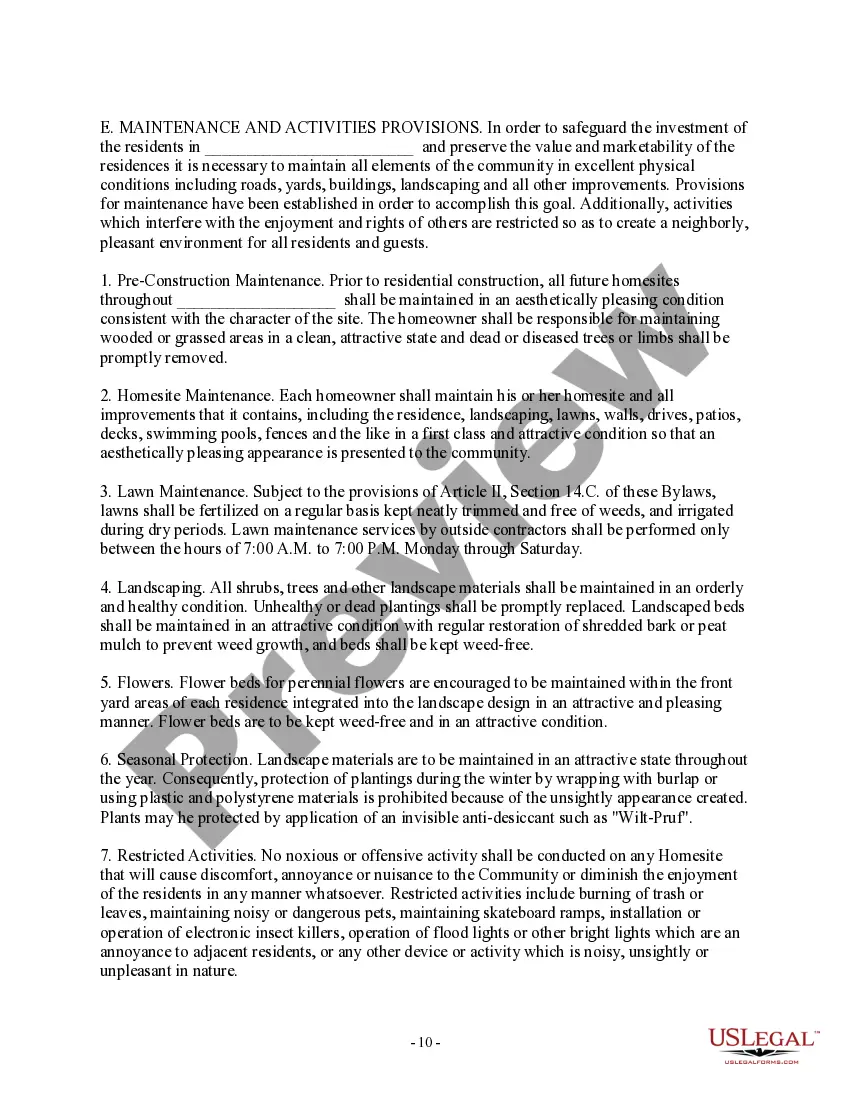
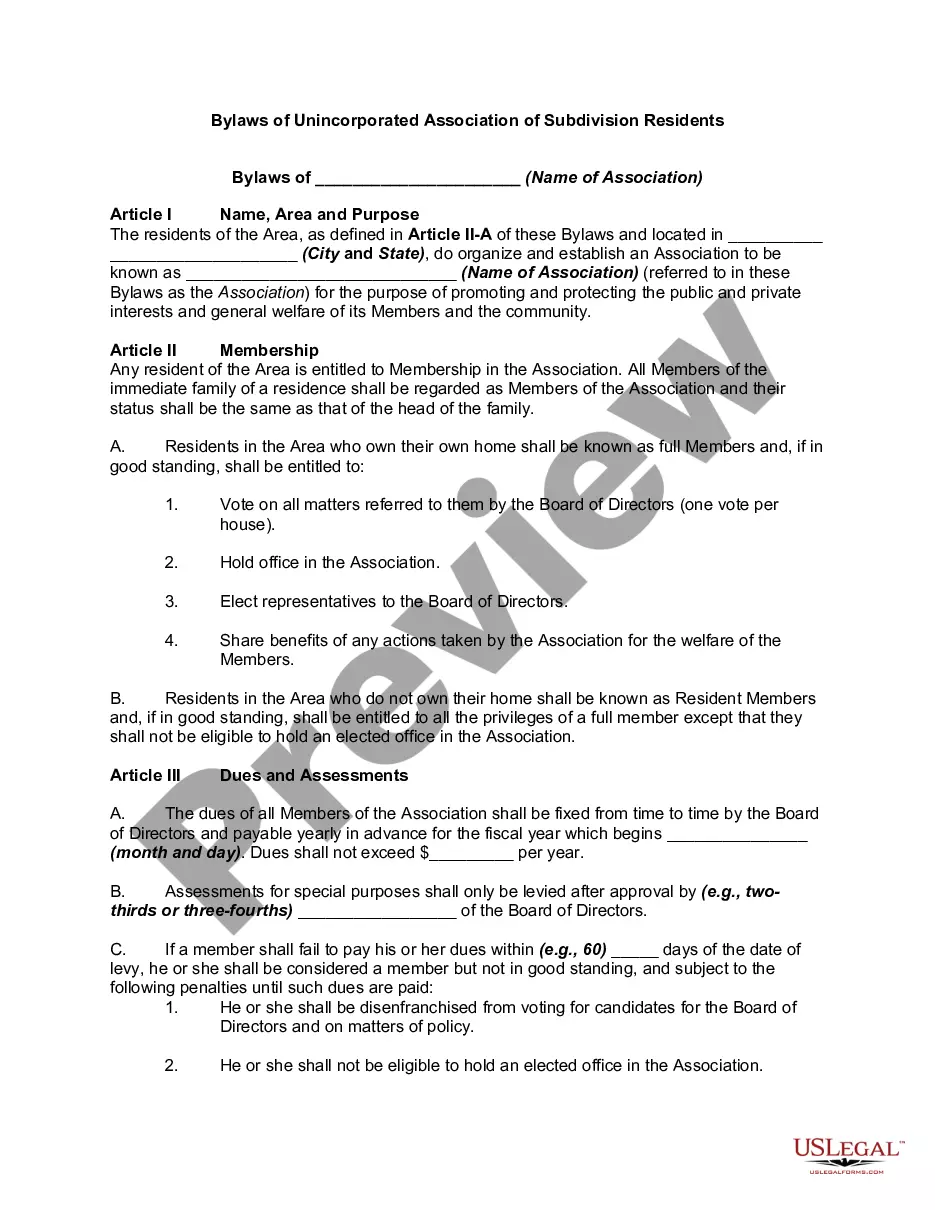
If CC&Rs cover the “what” of the HOA, the Bylaws cover the “how.” Your community's bylaws establish the structure of day-to-day governance of your homeowners association. This includes things like: Frequency of HOA board elections. Process for nominating and electing new board members.
In Pennsylvania, homeowner associations (HOAs) are governed by specific state laws to maintain order and regulate affairs within planned communities. These regulations are primarily outlined in the Uniform Planned Community Act (UPCA), codified in Title 68, Chapters 51-54 of the Pennsylvania statutes.
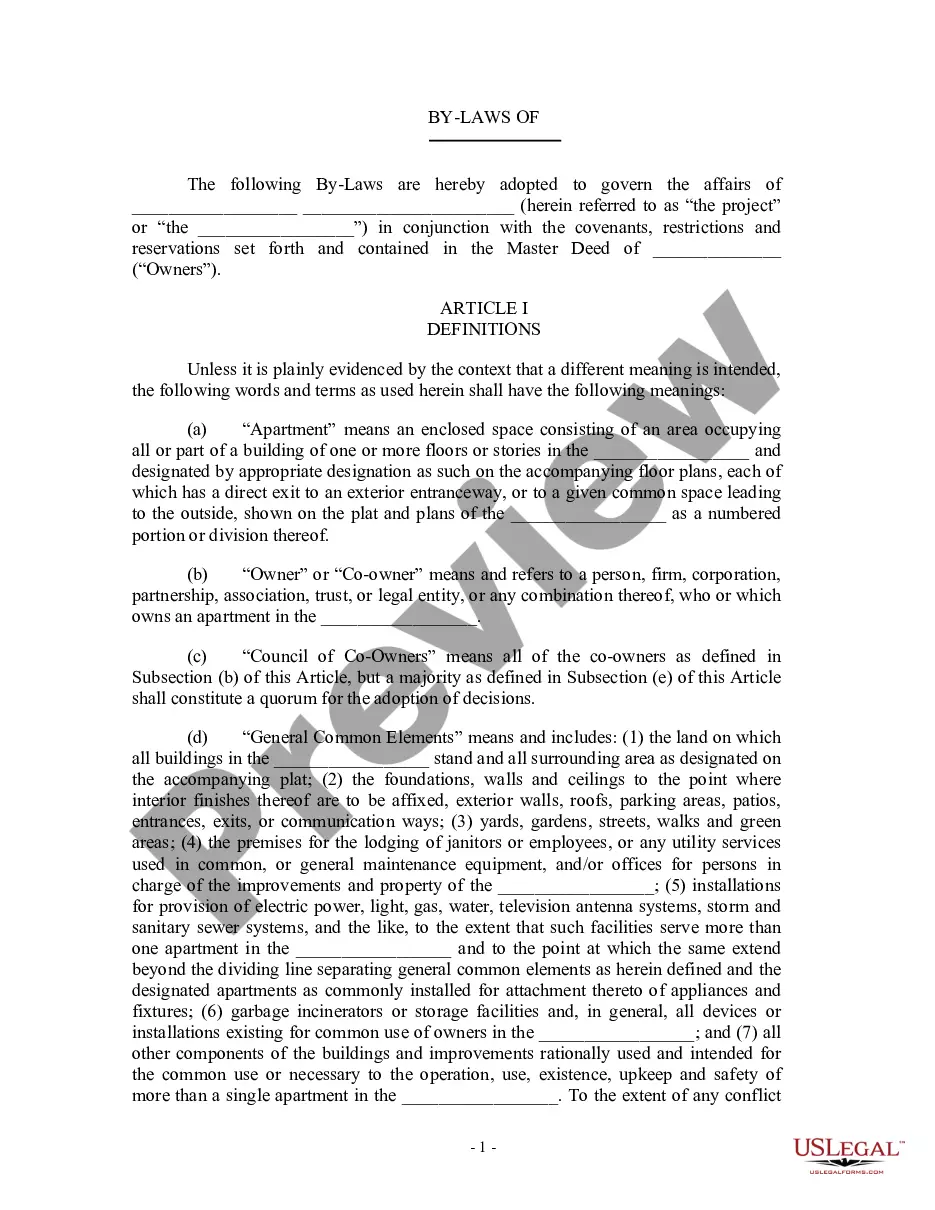
Does Pennsylvania Require Corporate Bylaws? Pennsylvania's statute's don't explicitly state that you need corporate bylaws. However, Pennsylvania Consolidated Statute § 1310 implies the necessity of bylaws by stating that an organizing meeting “shall be held… for the purpose of adopting bylaws.”
What are association bylaws? Simply put, association bylaws are the legal guidelines for internal operations that an association needs to follow. They include the rules, regulations and processes that map out how to run an association day-to-day.
The Uniform Planned Community Act, which is located in Title 68 of Chapters 51 through 54 of the Pennsylvania General Assembly, governs homeowner's associations in the state of Pennsylvania.
Act 115 now requires that bylaws contain a provision that allows for “pre-election sessions” for elections where there are more candidates than open positions. At these sessions, candidates can meet with unit owners prior to the meeting to share their election platform.
In general, homeowners can request HOA documents that cover the following: Governing documents, including the CC&Rs, bylaws, articles of incorporation, community plat, and operating rules; All board and membership meeting minutes and notices; Membership lists; All insurance policies of the association;
Iniums in Pennsylvania are governed by the Uniform inium Act, 68 Pa. Stat. §§ 3101 to 3414 (the “UCA”). Although “inium” is a term generally used to refer to an individually-owed unit, it is also a form of ownership where property other than the individual unit is deemed to be common property.
The Pennsylvania General Assembly enacted Act 115, which amends Title 68 of the Pennsylvania Consolidated Statutes and impacts the governance of homeowners associations (also known as planned communities), inium associations and cooperatives in the Commonwealth.
