Condominium Bylaws Condo For Rent In Ohio
Description















Get your form ready online
Our built-in tools help you complete, sign, share, and store your documents in one place.
Make edits, fill in missing information, and update formatting in US Legal Forms—just like you would in MS Word.
Download a copy, print it, send it by email, or mail it via USPS—whatever works best for your next step.
Sign and collect signatures with our SignNow integration. Send to multiple recipients, set reminders, and more. Go Premium to unlock E-Sign.
If this form requires notarization, complete it online through a secure video call—no need to meet a notary in person or wait for an appointment.
We protect your documents and personal data by following strict security and privacy standards.

Make edits, fill in missing information, and update formatting in US Legal Forms—just like you would in MS Word.

Download a copy, print it, send it by email, or mail it via USPS—whatever works best for your next step.

Sign and collect signatures with our SignNow integration. Send to multiple recipients, set reminders, and more. Go Premium to unlock E-Sign.

If this form requires notarization, complete it online through a secure video call—no need to meet a notary in person or wait for an appointment.

We protect your documents and personal data by following strict security and privacy standards.
Looking for another form?

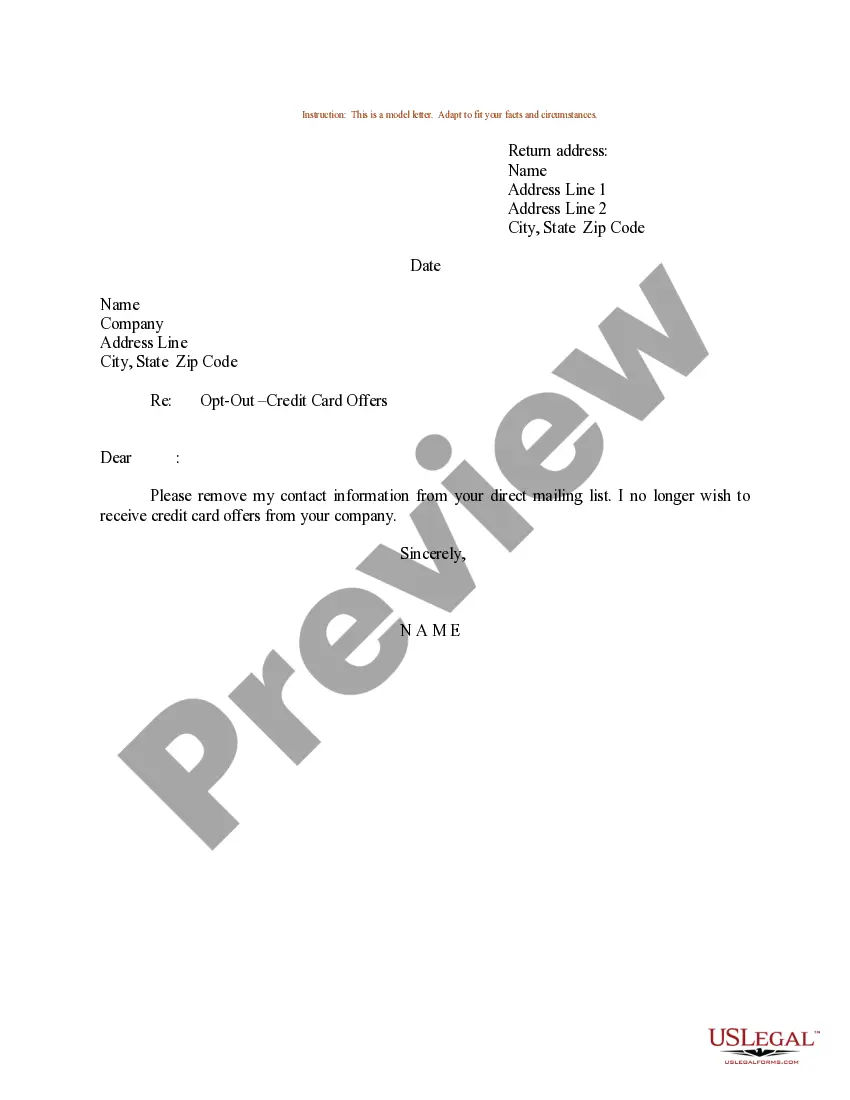

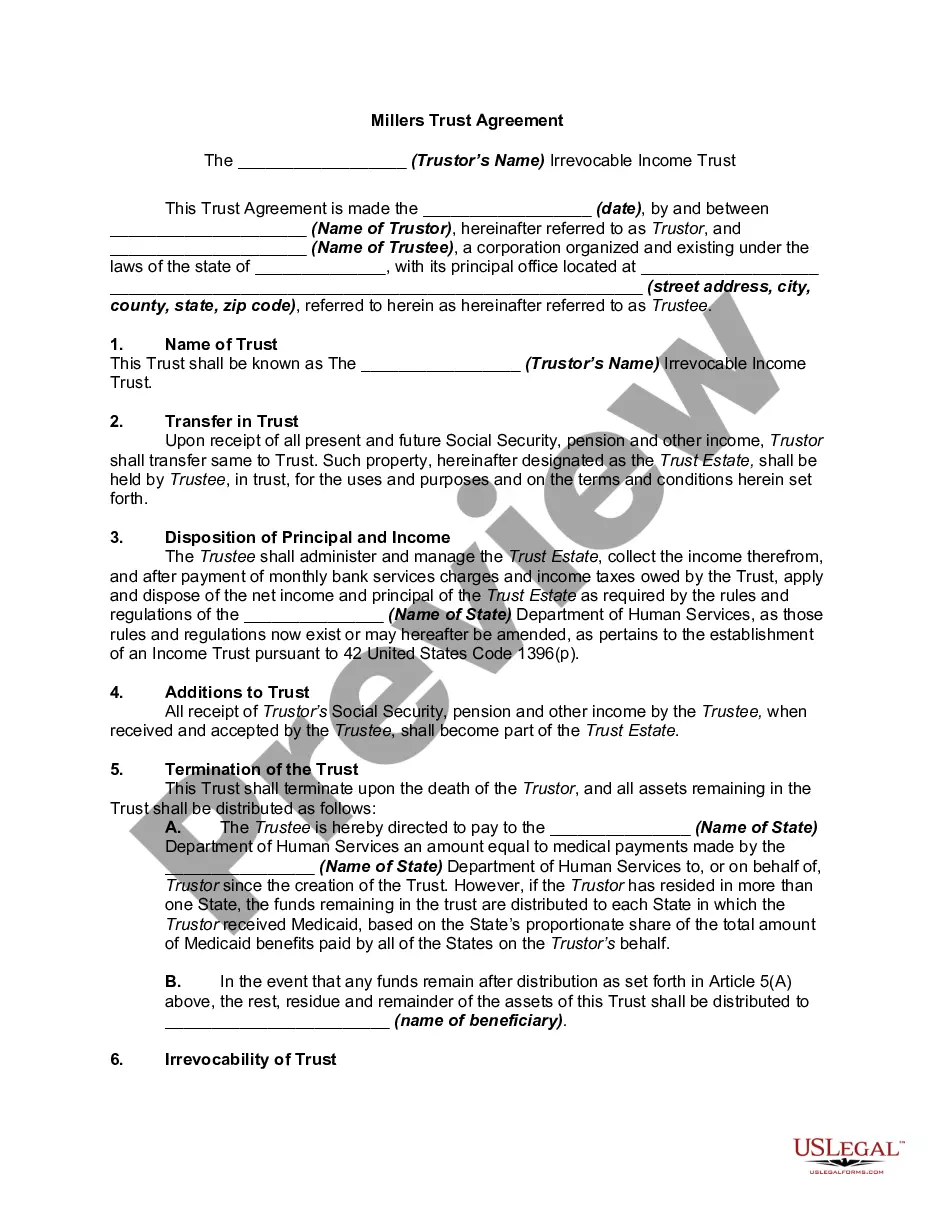

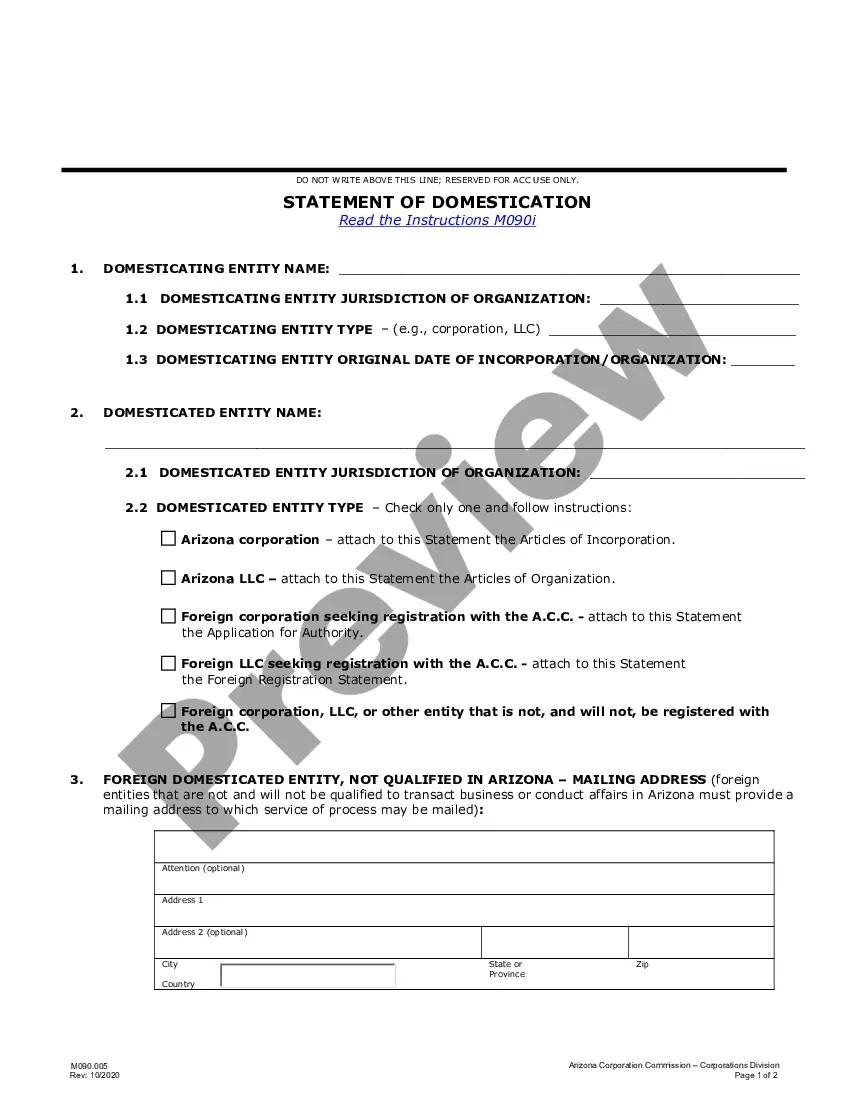




Form popularity
FAQ
3 Types of HOA Fiduciary Duty The Duty of Care. The duty of care states that HOA board members must make informed decisions when voting on community matters. The Duty of Loyalty. The duty of loyalty declares. The Duty to Act Within the Scope of Authority. Budgeting, Assessments, and Accounting. Uniform Enforcement of Rules.
Ohio HOA's are required to organize as nonprofit corporations. O.R.C. §5312.03(B). Thus, with regard to its organizational structure and general management, an association is subject to the authority of the Ohio Secretary of State.
If an association is a non-profit, as is the case with most Ohio associations, it it will be governed by the Ohio Nonprofit Corporation Law. Visit the Ohio Secretary of State to search an association's corporate status, and view the articles of incorporation.
HOAs in Ohio are granted powers to enforce community rules, collect dues, and maintain common areas. They can also impose fines for non-compliance and set regulations for property use. For a detailed breakdown, refer to the Ohio Planned Community Law.
Budgeting for reserve contributions Ohio inium law requires associations to adopt and amend budgets for revenues, expenditures, and reserves in an amount sufficient to repair and replace major capital items without the need for special assessments.
Renting out a condo in Ohio can be a profitable venture, but it requires careful planning and preparation. Whether you're a first-time landlord or a seasoned investor, understanding the Ohio rental market and the necessary steps to renting out your condo is essential.
Homeowners can typically access their association's rules and regulations through a request to the HOA board. All governing documents, including bylaws and covenants, should be made available to members. Documentation might also be obtained via the Ohio Secretary of State.
Both HOAs and iniums can enforce leasing restrictions as long as they are reasonable and consistent with Ohio law and the community's governing documents. In most cases, adopting or changing a leasing restriction will require an amendment to the declaration. This usually requires approval from 75% of the owners.
