Condo Rules For Renters In Ohio
Description

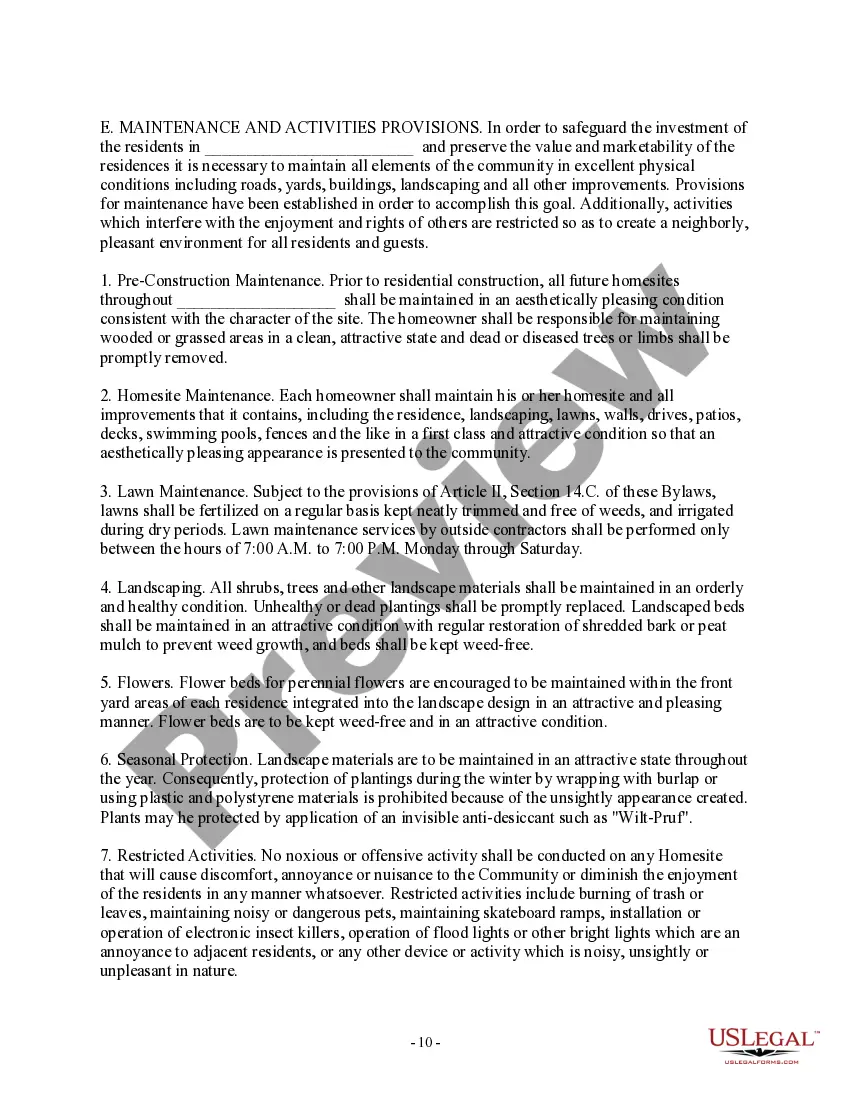


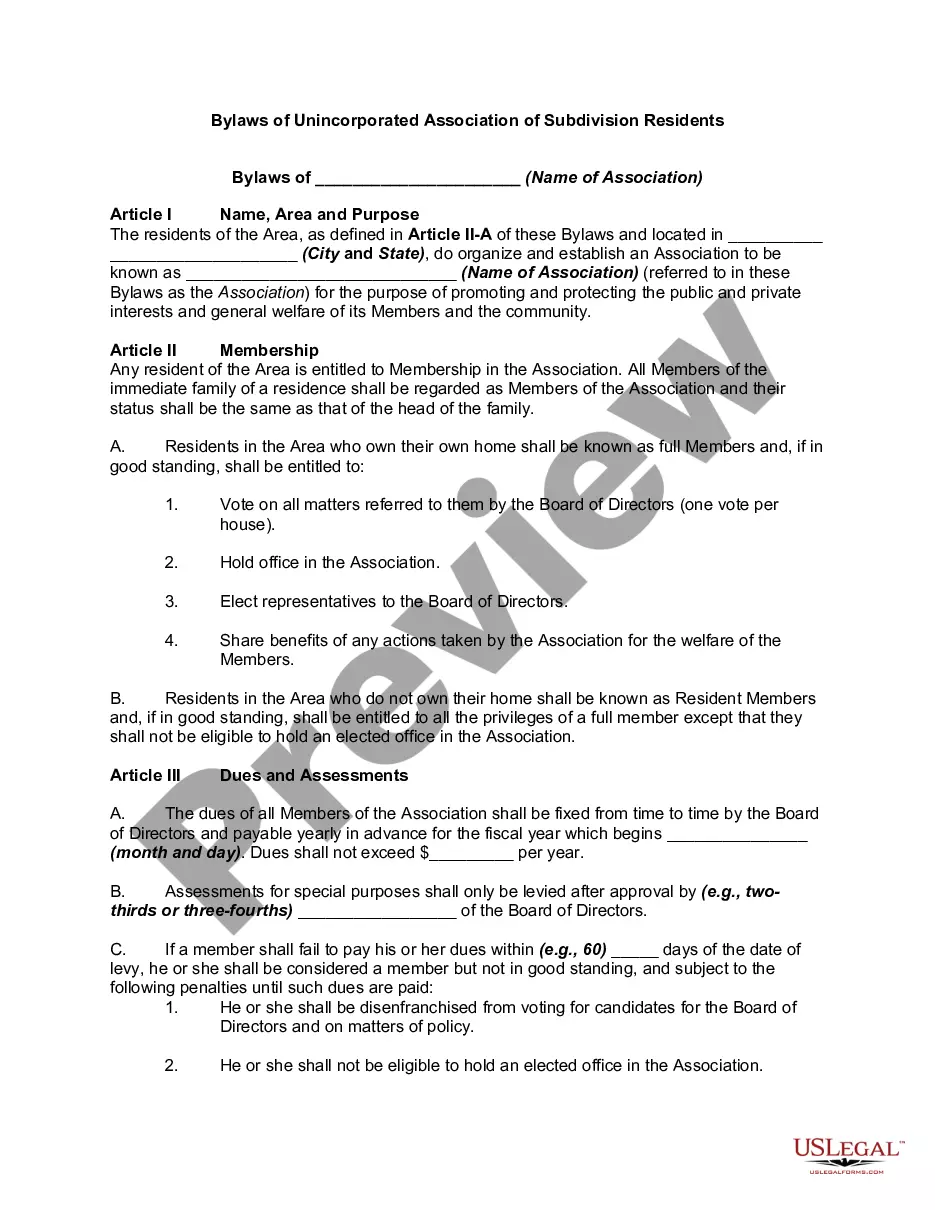
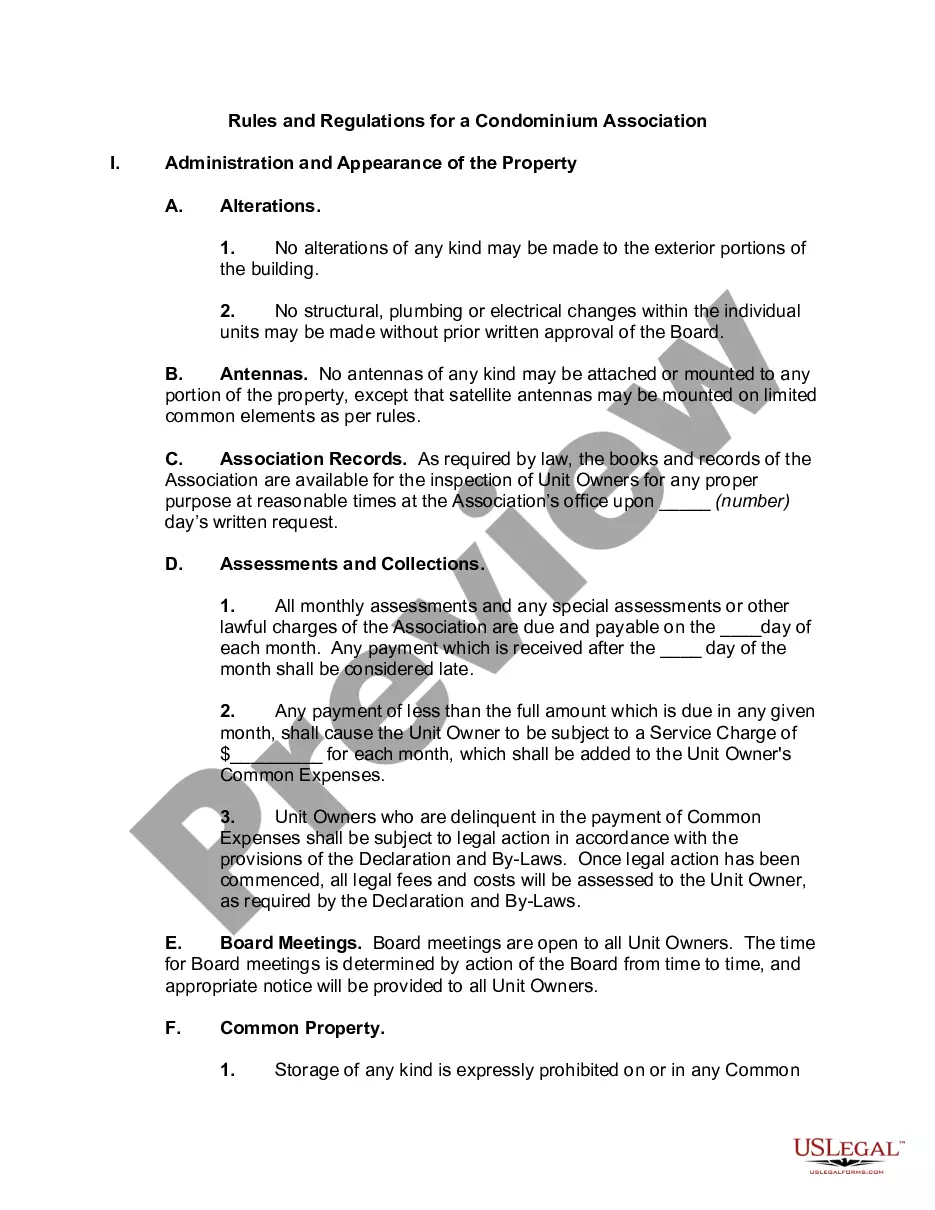
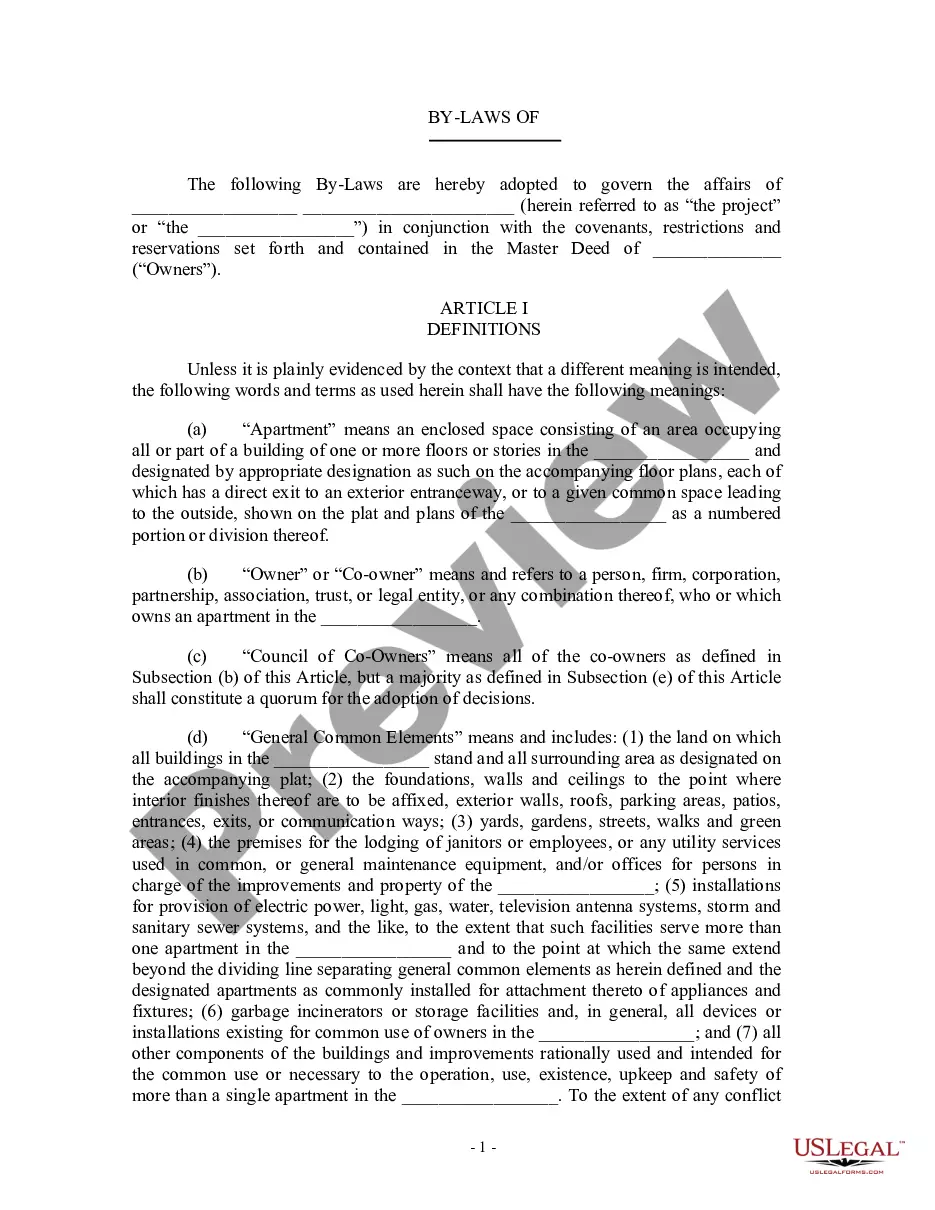
Get your form ready online
Our built-in tools help you complete, sign, share, and store your documents in one place.
Make edits, fill in missing information, and update formatting in US Legal Forms—just like you would in MS Word.
Download a copy, print it, send it by email, or mail it via USPS—whatever works best for your next step.
Sign and collect signatures with our SignNow integration. Send to multiple recipients, set reminders, and more. Go Premium to unlock E-Sign.
If this form requires notarization, complete it online through a secure video call—no need to meet a notary in person or wait for an appointment.
We protect your documents and personal data by following strict security and privacy standards.

Make edits, fill in missing information, and update formatting in US Legal Forms—just like you would in MS Word.

Download a copy, print it, send it by email, or mail it via USPS—whatever works best for your next step.

Sign and collect signatures with our SignNow integration. Send to multiple recipients, set reminders, and more. Go Premium to unlock E-Sign.

If this form requires notarization, complete it online through a secure video call—no need to meet a notary in person or wait for an appointment.

We protect your documents and personal data by following strict security and privacy standards.
Looking for another form?










Form popularity
FAQ
(8) Except in the case of emergency or if it is impracticable to do so, give the tenant reasonable notice of the landlord's intent to enter and enter only at reasonable times. Twenty-four hours is presumed to be a reasonable notice in the absence of evidence to the contrary.
You must give at least 30 days' written notice before the next rental period if you don't intend to renew the lease. Tenants must be given at least 24-hour notice for property showings or any other access to the unit. Tenants may not unreasonably withhold access to the property for showings.
If your landlord changes the locks, removes your belongings, or shuts off your utilities without a court order, this is called “Self-Help Eviction” and is illegal in Ohio.
Ohio HOA's are required to organize as nonprofit corporations. O.R.C. §5312.03(B). Thus, with regard to its organizational structure and general management, an association is subject to the authority of the Ohio Secretary of State.
Both HOAs and iniums can enforce leasing restrictions as long as they are reasonable and consistent with Ohio law and the community's governing documents. In most cases, adopting or changing a leasing restriction will require an amendment to the declaration. This usually requires approval from 75% of the owners.
If you do what the lease and/or the law requires, you have the right of exclusive possession of the property until the lease expires. You have the right to complain to a governmental agency if your landlord violates housing laws or regulations affecting health and safety.
In Ohio, tenants have a reasonable expectation of privacy in their rental unit. Landlords cannot enter the premises without proper notice, except in cases of emergency. The law aims to balance the tenant's right to privacy with the landlord's need to access the property for legitimate purposes.
Ohio Rental Application Requirements Personal information and references: This includes their full name, date of birth, contact details, and social security number (SSN). Employment details: These include their current employment status, the name of their employer, their monthly income, and their duration of employment.
The Housing Code requires owners of all rental property to annually obtain a Housing Rental License and all owners of two-family dwellings to annually obtain either a Housing Rental License or an Exemption.
Renting out a condo in Ohio can be a profitable venture, but it requires careful planning and preparation. Whether you're a first-time landlord or a seasoned investor, understanding the Ohio rental market and the necessary steps to renting out your condo is essential.
