Condominium Bylaws Condo For Rent In Nassau
Description

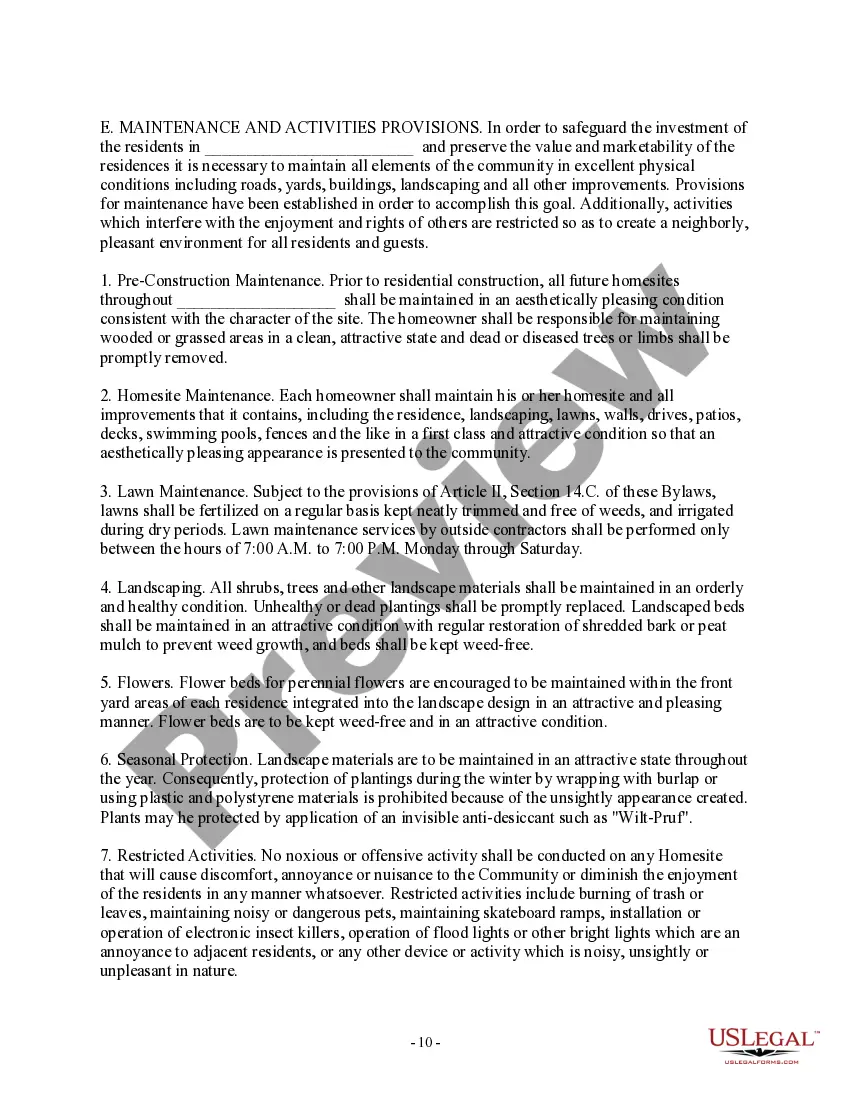


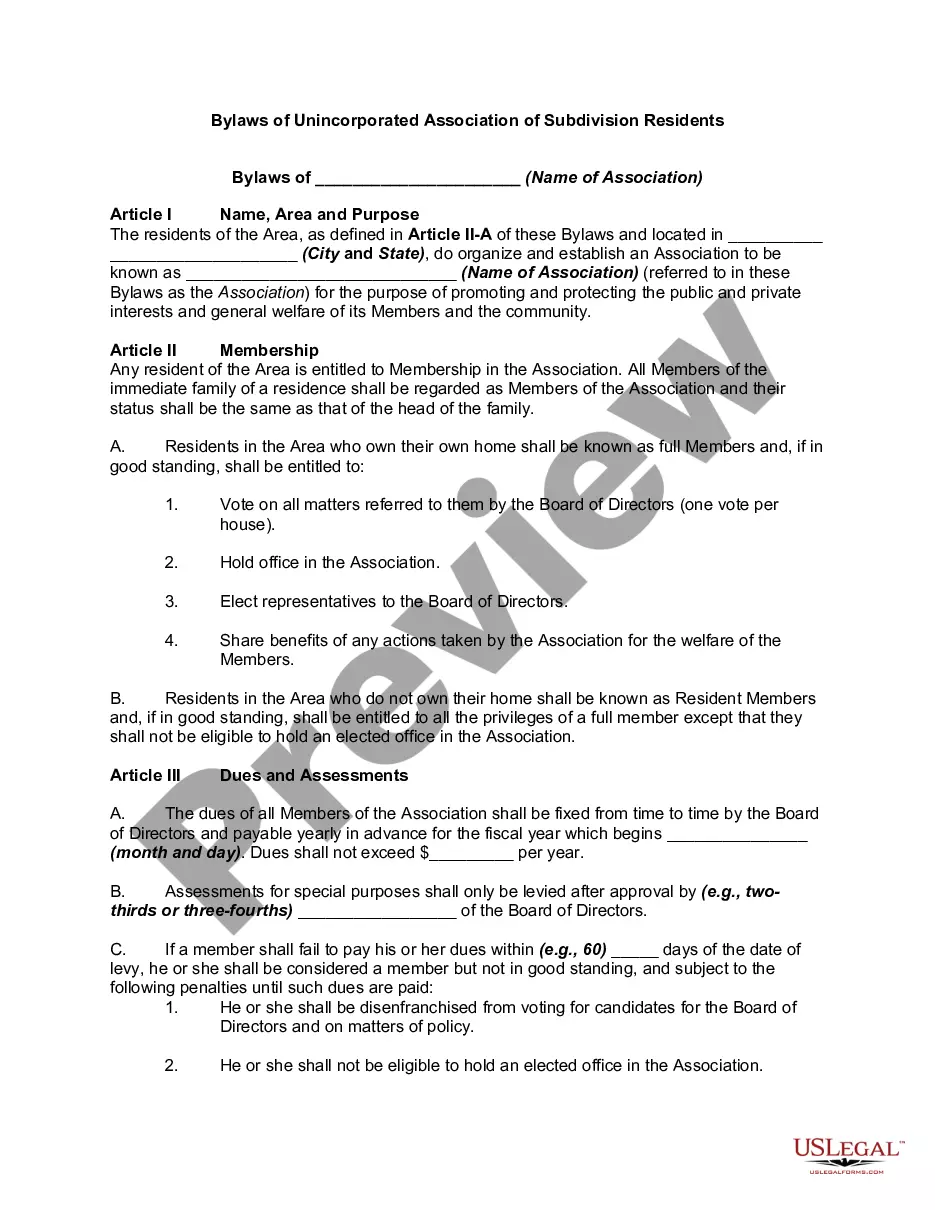
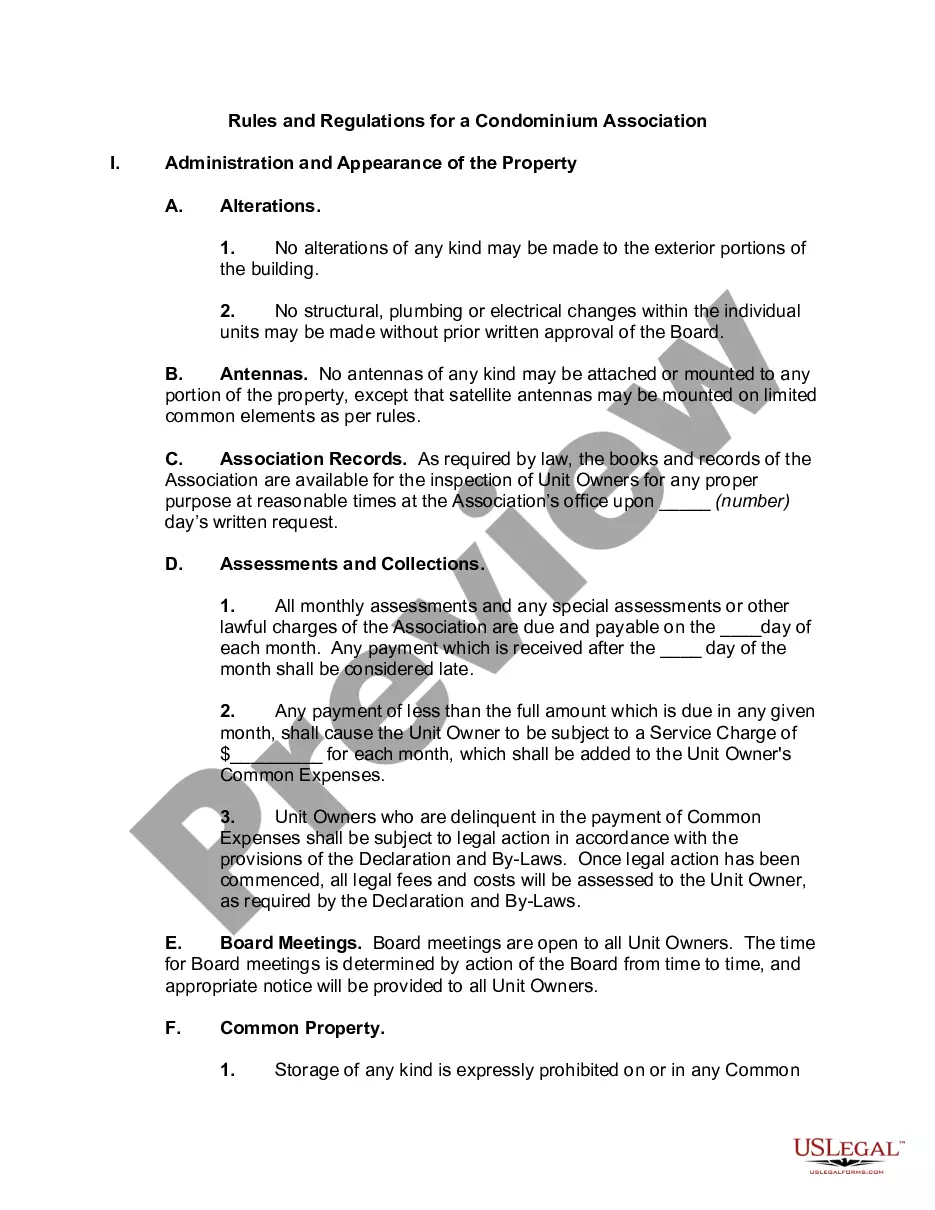
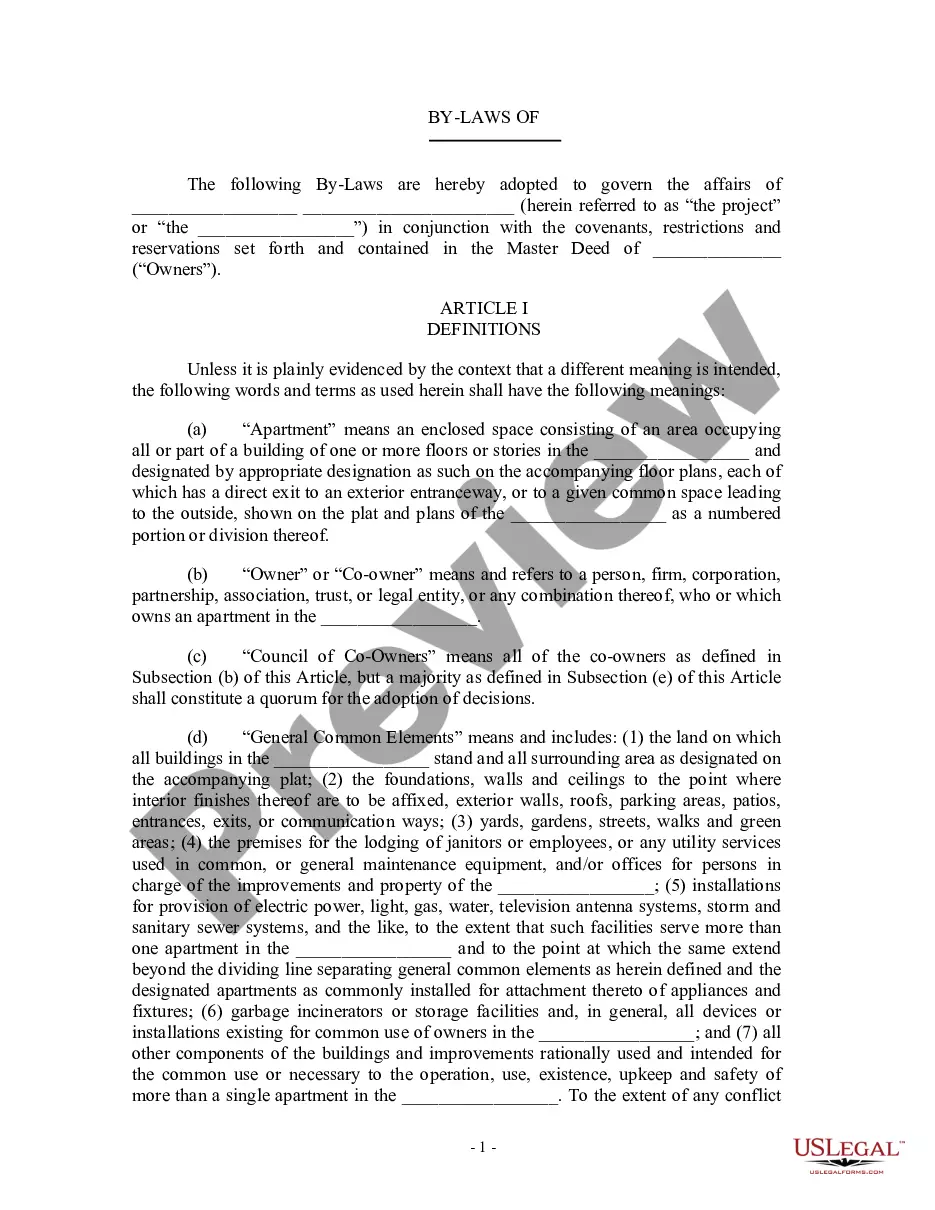
Get your form ready online
Our built-in tools help you complete, sign, share, and store your documents in one place.
Make edits, fill in missing information, and update formatting in US Legal Forms—just like you would in MS Word.
Download a copy, print it, send it by email, or mail it via USPS—whatever works best for your next step.
Sign and collect signatures with our SignNow integration. Send to multiple recipients, set reminders, and more. Go Premium to unlock E-Sign.
If this form requires notarization, complete it online through a secure video call—no need to meet a notary in person or wait for an appointment.
We protect your documents and personal data by following strict security and privacy standards.

Make edits, fill in missing information, and update formatting in US Legal Forms—just like you would in MS Word.

Download a copy, print it, send it by email, or mail it via USPS—whatever works best for your next step.

Sign and collect signatures with our SignNow integration. Send to multiple recipients, set reminders, and more. Go Premium to unlock E-Sign.

If this form requires notarization, complete it online through a secure video call—no need to meet a notary in person or wait for an appointment.

We protect your documents and personal data by following strict security and privacy standards.
Looking for another form?










Form popularity
FAQ
The condo Board gets what's called the “right of first refusal.” But does this mean a condo Board can reject anyone without a fair or justified reason? Most definitely not. The Board cannot make any rejection without its presence being noted in the bylaws.
To have a pleasant condo living experience, keep in mind these legal rights for condo owners. The Right to Access Condo Documents. The Right to Equality and Non-Discrimination. The Right to Notice and Meetings. The Right to Run and Vote During Elections. The Right to Protest.
Finally, condo owners have the right to take legal action against other condo owners or the condo association itself. When board members or condo owners fail to comply with the condo bylaws, regulations, or state or federal laws, you have a right to bring a lawsuit against them for damages or injunctive relief.
Homeowners' Associations in New York, or otherwise known as Common Interest Communities, are regulated by the Attorney General's office and must be set up as non-profit organizations. They are governed by NY Not-For-Profit Corporation Law, the Association's Articles of Declaration, and Bylaws.
The inium Act is the New York State law which governs the establishment of iniums. The decisions made by courts in cases involving the inium Act are the case law which interprets the statute.
Hosts - both owners and tenants - cannot rent out an entire apartment or home to visitors for fewer than 30 days, even if the host owns or lives in the building. This applies to all permanent residential buildings regardless of the number of units. As a host, you must: Stay in the same unit or apartment as the guests.
New York residents should know that lease-to-own, rent-to-own and land installment contracts may violate New York laws and regulations regarding fair lending, mortgage protections, interest rates, habitability, property condition and/or real property disclosures.
A family may rent one or more living rooms in a private dwelling to not more than two boarders, roomers or lodgers, except as otherwise prohibited under the zoning resolution of the city of New York. § 27-2079 Single room occupancy.
Section 339-s of the New York State Real Property Law requires any inium Declaration, and any amendment thereof, to be filed with the New York Department of State.
