Bylaws Condo Association With Board Members In Nassau
Description

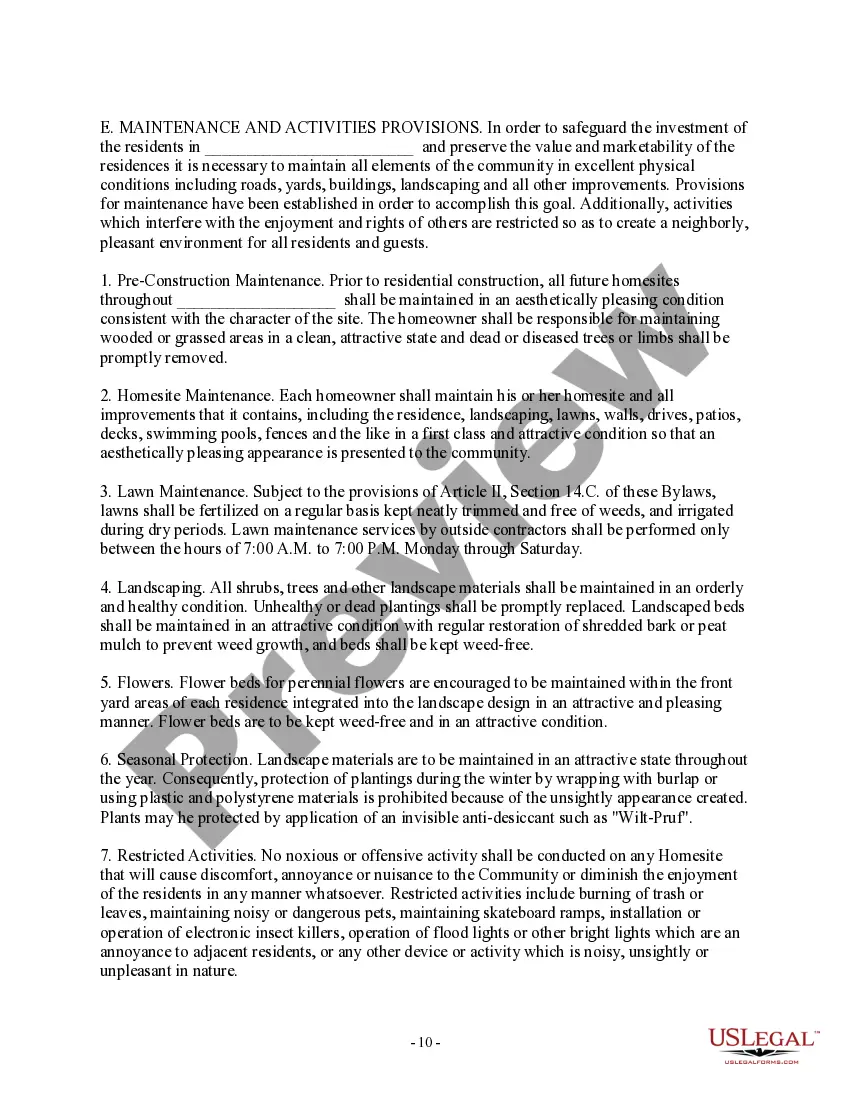


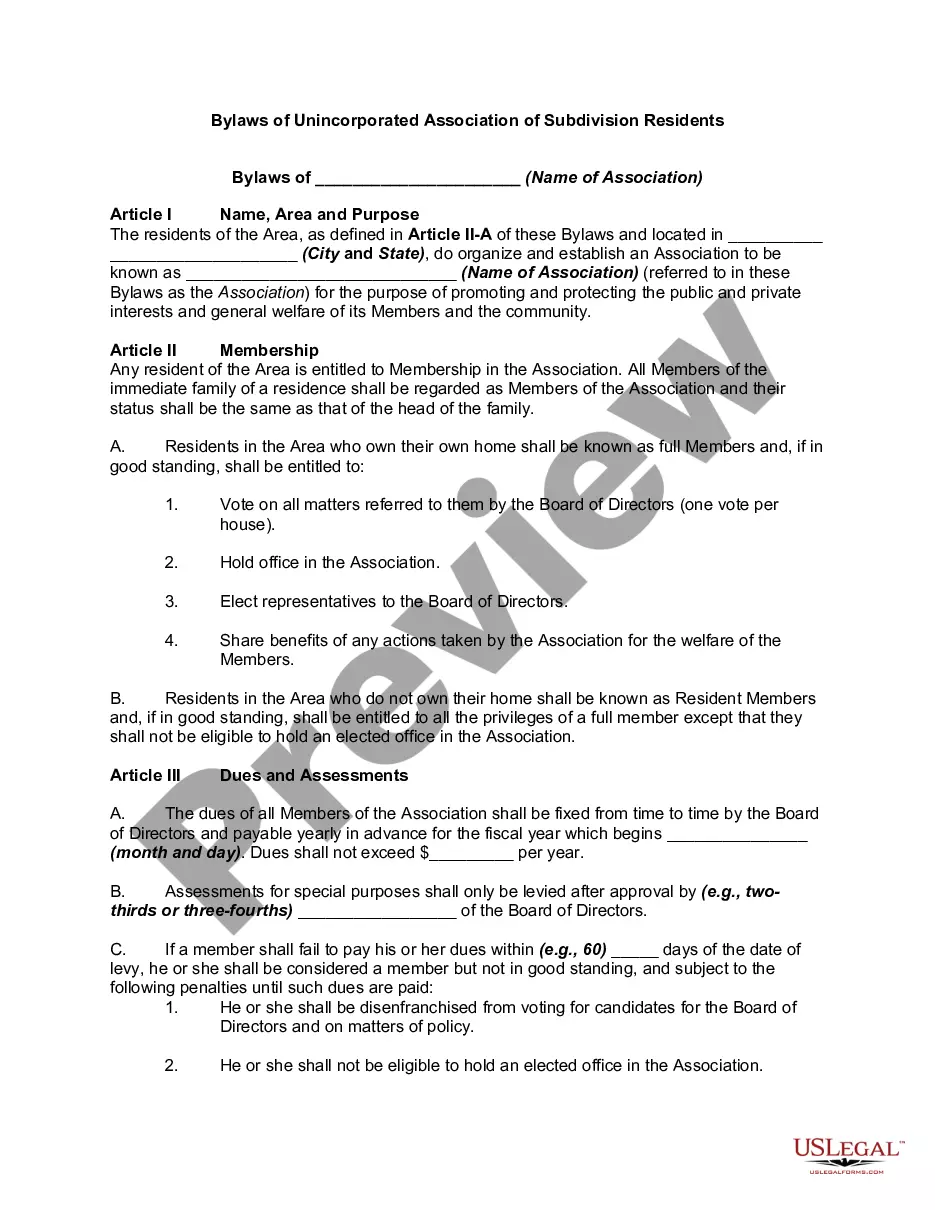
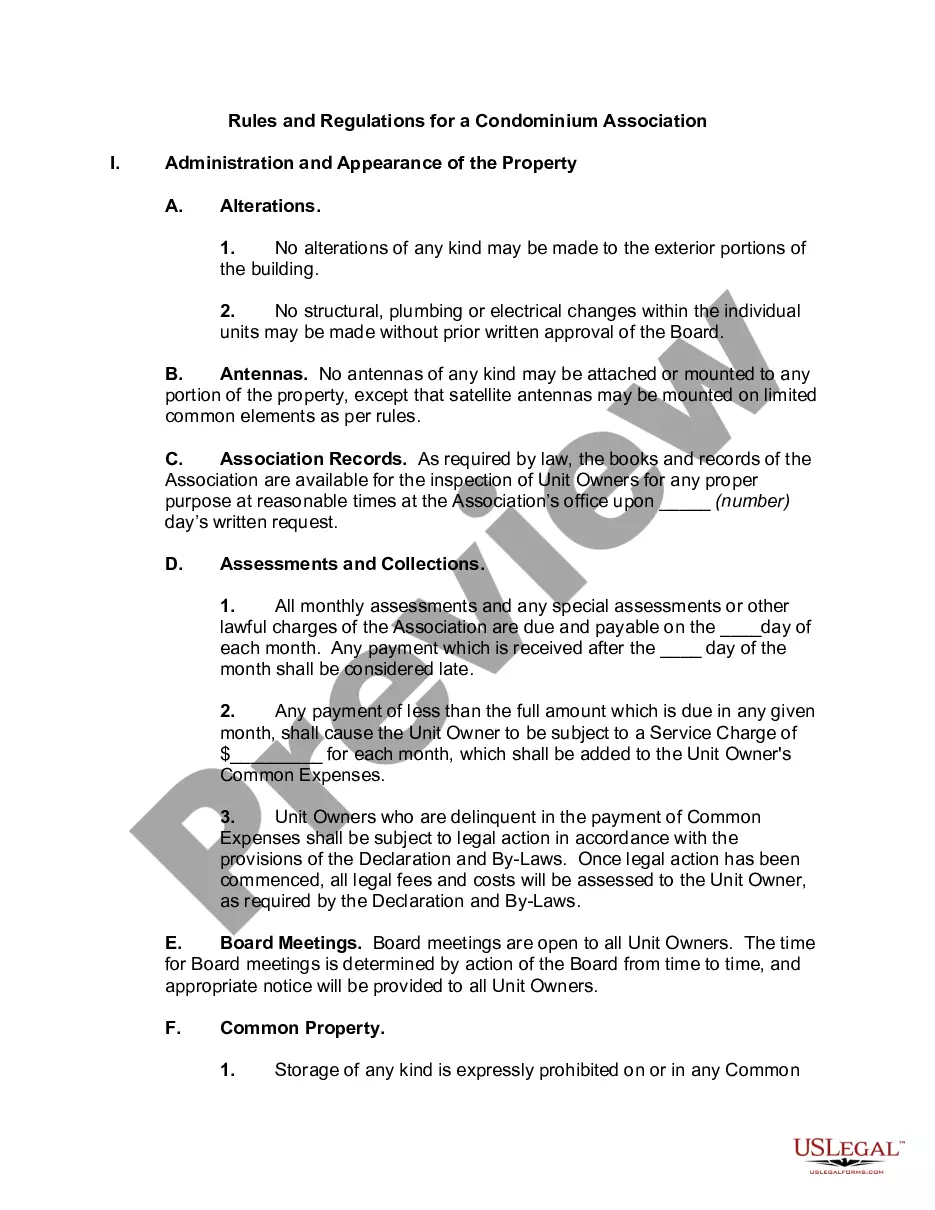
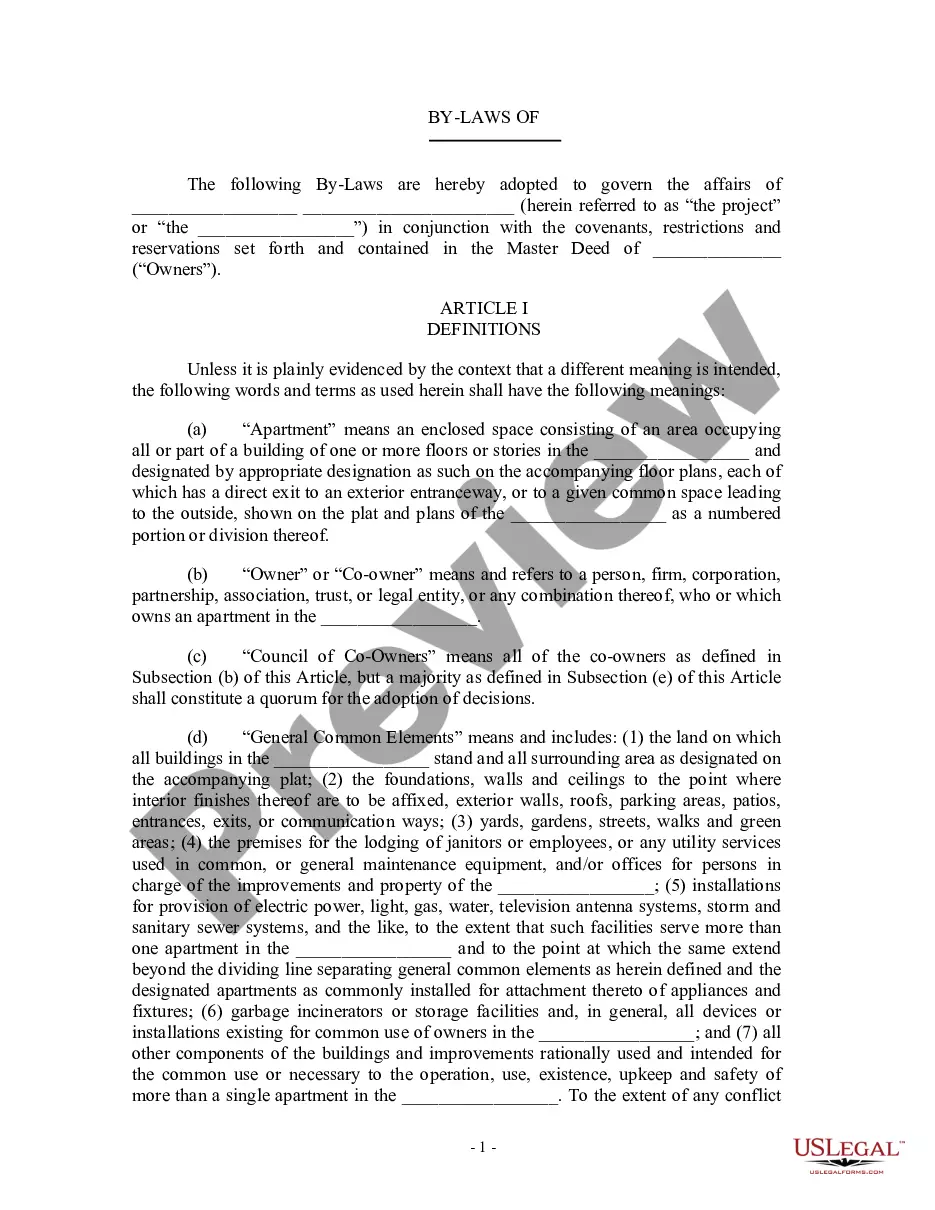
Get your form ready online
Our built-in tools help you complete, sign, share, and store your documents in one place.
Make edits, fill in missing information, and update formatting in US Legal Forms—just like you would in MS Word.
Download a copy, print it, send it by email, or mail it via USPS—whatever works best for your next step.
Sign and collect signatures with our SignNow integration. Send to multiple recipients, set reminders, and more. Go Premium to unlock E-Sign.
If this form requires notarization, complete it online through a secure video call—no need to meet a notary in person or wait for an appointment.
We protect your documents and personal data by following strict security and privacy standards.

Make edits, fill in missing information, and update formatting in US Legal Forms—just like you would in MS Word.

Download a copy, print it, send it by email, or mail it via USPS—whatever works best for your next step.

Sign and collect signatures with our SignNow integration. Send to multiple recipients, set reminders, and more. Go Premium to unlock E-Sign.

If this form requires notarization, complete it online through a secure video call—no need to meet a notary in person or wait for an appointment.

We protect your documents and personal data by following strict security and privacy standards.
Looking for another form?









Form popularity
FAQ
The inium Act is the New York State law which governs the establishment of iniums.
Section 339-s of the New York State Real Property Law requires any inium Declaration, and any amendment thereof, to be filed with the New York Department of State.
Homeowners' Associations in New York, or otherwise known as Common Interest Communities, are regulated by the Attorney General's office and must be set up as non-profit organizations. They are governed by NY Not-For-Profit Corporation Law, the Association's Articles of Declaration, and Bylaws.
The inium Act is the New York State law which governs the establishment of iniums. The decisions made by courts in cases involving the inium Act are the case law which interprets the statute.
To have a pleasant condo living experience, keep in mind these legal rights for condo owners. The Right to Access Condo Documents. The Right to Equality and Non-Discrimination. The Right to Notice and Meetings. The Right to Run and Vote During Elections. The Right to Protest.
In summary, condo board members in Florida may face personal liability in certain situations, contingent on the nature of the claim, liability source and available insurance coverage or indemnification.
Breach of Fiduciary Duty: Board members have a fiduciary duty to act in the best interests of the HOA and its members. If a board member breaches this duty by acting with gross negligence, engaging in self-dealing, or committing fraud, they may be personally liable for any resulting damages.
The three fiduciary duties board members of an HOA should uphold are the Duty of Care, the Duty of Loyalty, and the Duty to Act Within the Scope of Their Authority.
Directors bear fiduciary duties to protect the interests of the corporation and to act in the stockholders' best interests. When stockholders invest in a corporation, they entrust their capital to the corporation's directors.
The duties of HOA board members revolve around enforcing the community's governing documents, which include bylaws, covenants, conditions, and restrictions. The board ensures that these rules are followed, helping to maintain property values, enhance the quality of life, and uphold the community's standards.
