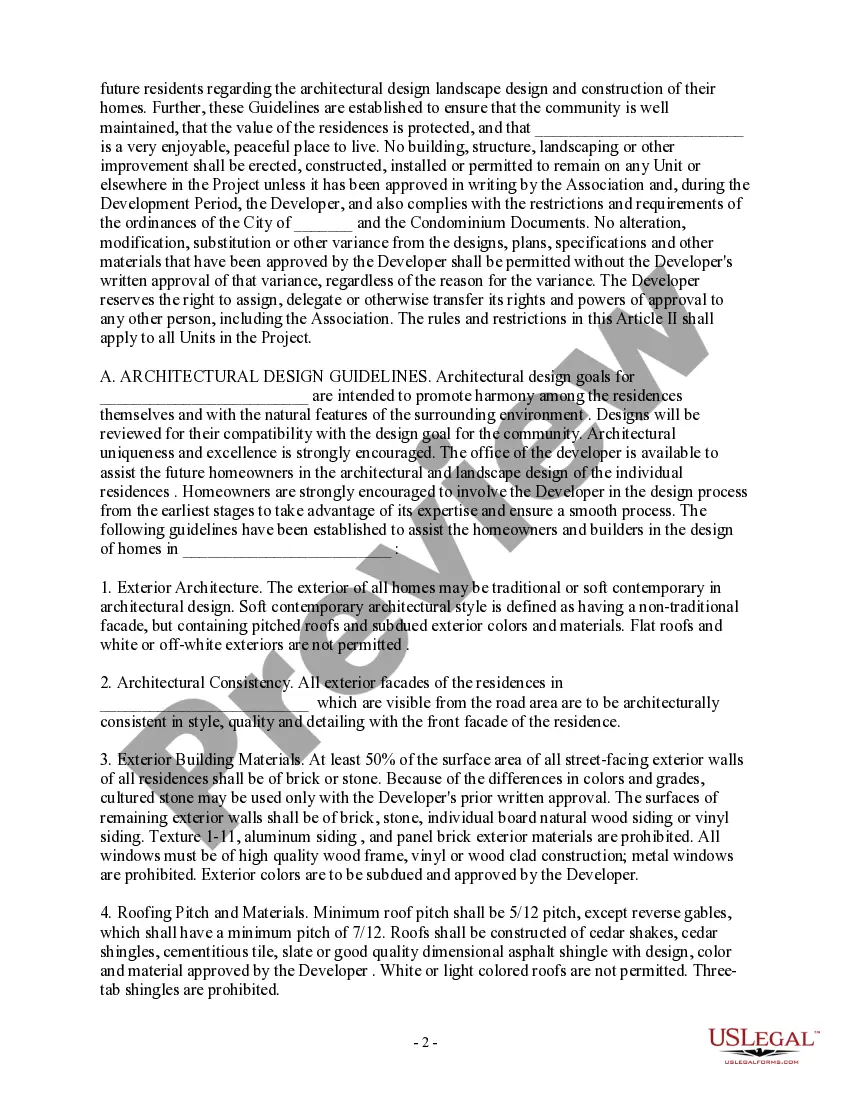
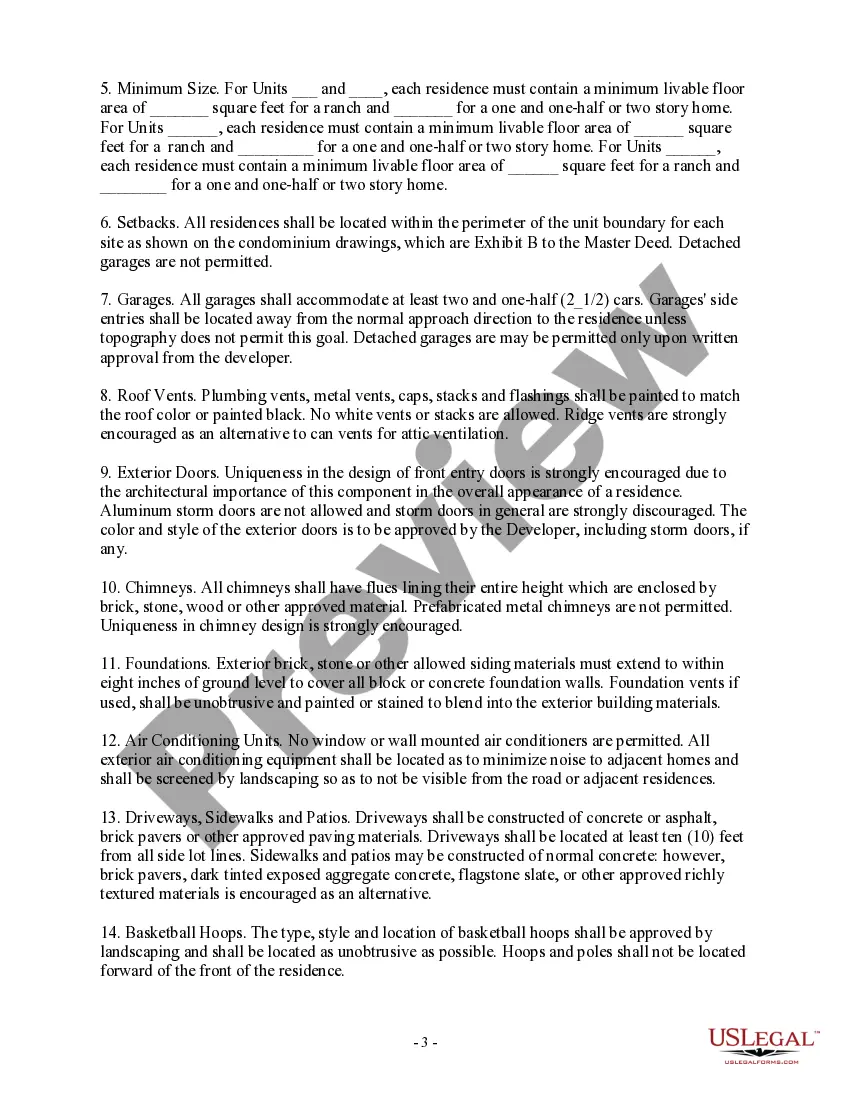
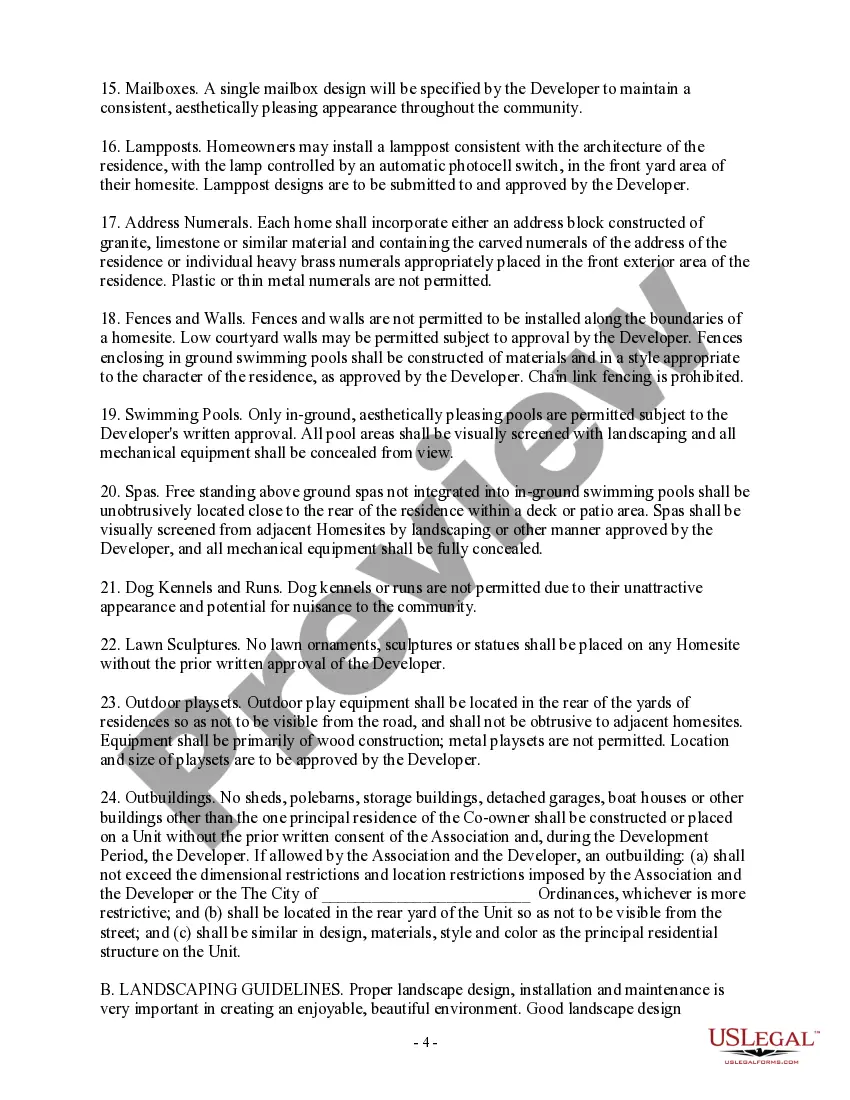
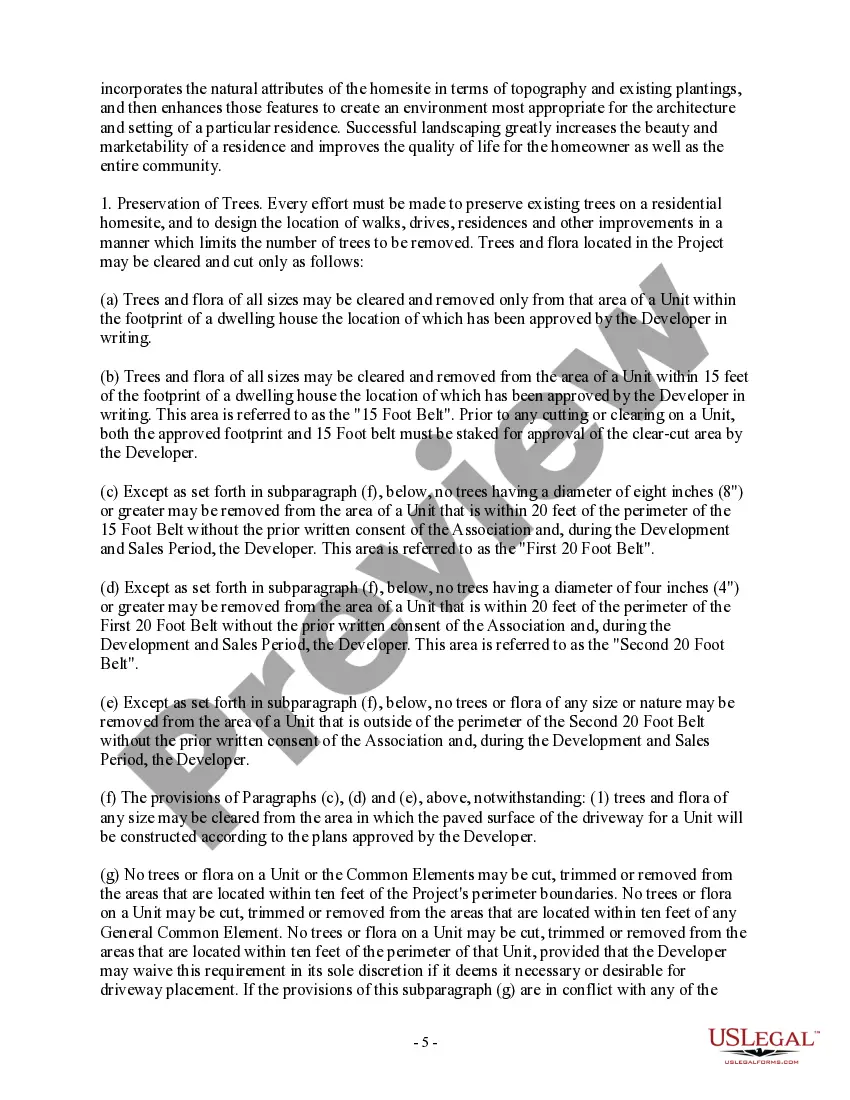
Bylaws For Condominium Association In Montgomery
Description



Get your form ready online
Our built-in tools help you complete, sign, share, and store your documents in one place.
Make edits, fill in missing information, and update formatting in US Legal Forms—just like you would in MS Word.
Download a copy, print it, send it by email, or mail it via USPS—whatever works best for your next step.
Sign and collect signatures with our SignNow integration. Send to multiple recipients, set reminders, and more. Go Premium to unlock E-Sign.
If this form requires notarization, complete it online through a secure video call—no need to meet a notary in person or wait for an appointment.
We protect your documents and personal data by following strict security and privacy standards.

Make edits, fill in missing information, and update formatting in US Legal Forms—just like you would in MS Word.

Download a copy, print it, send it by email, or mail it via USPS—whatever works best for your next step.

Sign and collect signatures with our SignNow integration. Send to multiple recipients, set reminders, and more. Go Premium to unlock E-Sign.

If this form requires notarization, complete it online through a secure video call—no need to meet a notary in person or wait for an appointment.

We protect your documents and personal data by following strict security and privacy standards.
Looking for another form?








Form popularity
FAQ
Federal Laws - In addition to state law regulations, the federal government has laws that govern the operation and management of common interest communities, iniums, cooperatives, and residential properties in the state of Maryland.
Contact the Attorney General's Consumer Protection Hotline at 1-888-743-0023 or use their website.
The statute of limitations for enforcing HOA debts and violations in Maryland is typically three years. This means that the HOA must take legal action within three years from the date the debt was incurred or the violation occurred to recover any monies or enforce compliance.
Section 11-111 - Rules and regulations (a) (1) The council of unit owners or the body delegated in the bylaws of a inium to carry out the responsibilities of the council of unit owners may adopt rules for the inium if: (i) Each unit owner is mailed or delivered: 1. A copy of the proposed rule; 2.
While homeowners' associations in Maryland are governed by the federal FDCPA, the state also has an additional legislature that regulates the collection of debt at the state level.
Contact the Attorney General's Consumer Protection Hotline at 1-888-743-0023 or use their website.
Homeowners should direct their complaints against a board member to the HOA board or the community manager. An effective board or manager will handle the complaint properly, even if it concerns one of their own. If need be, homeowners can request to enter dispute resolution.
