Condominium Bylaws Condo With Hoa In Minnesota
Description



Get your form ready online
Our built-in tools help you complete, sign, share, and store your documents in one place.
Make edits, fill in missing information, and update formatting in US Legal Forms—just like you would in MS Word.
Download a copy, print it, send it by email, or mail it via USPS—whatever works best for your next step.
Sign and collect signatures with our SignNow integration. Send to multiple recipients, set reminders, and more. Go Premium to unlock E-Sign.
If this form requires notarization, complete it online through a secure video call—no need to meet a notary in person or wait for an appointment.
We protect your documents and personal data by following strict security and privacy standards.

Make edits, fill in missing information, and update formatting in US Legal Forms—just like you would in MS Word.

Download a copy, print it, send it by email, or mail it via USPS—whatever works best for your next step.

Sign and collect signatures with our SignNow integration. Send to multiple recipients, set reminders, and more. Go Premium to unlock E-Sign.

If this form requires notarization, complete it online through a secure video call—no need to meet a notary in person or wait for an appointment.

We protect your documents and personal data by following strict security and privacy standards.
Looking for another form?






Form popularity
FAQ
What are association bylaws? Simply put, association bylaws are the legal guidelines for internal operations that an association needs to follow. They include the rules, regulations and processes that map out how to run an association day-to-day.
In summary, there is no case where HOA rules override state law. Considering the hierarchy, federal, state, and local laws always take precedence over an association's rules. Board members should have a solid grasp of these laws. In doing so, they can protect the HOA and mitigate the risk of liability.
Simply put, homeowners association bylaws dictate how an HOA should run. Since HOAs are considered corporations under law, albeit non-profit, they require bylaws to govern day-to-day operations. HOA bylaws are also sometimes referred to as neighborhood association bylaws or subdivision bylaws.
An HOA can't force a homeowner to sell their home for not following the HOA rules. However, it can enforce the rules and initiate reasonable fines for violations.
The bylaws go into detail about individual roles, terms, how to elect the President, and may list board powers one by one. The Declarations define the use and occupancy rules of the units and common areas. Condo bylaws outline the remedies for breach of these rules.
The inium bylaws govern the structure and operation of the association. They contain information regarding board meetings, elections, board terms, voting procedures, and the like. The bylaws are more about the management of the association than the rules that govern it and its members.
Yes, if the HOA fails to maintain common areas as required by the governing documents, you may have grounds for a lawsuit. Proper maintenance is often a primary duty of the HOA, and failure to uphold this duty can lead to property damage or safety hazards.
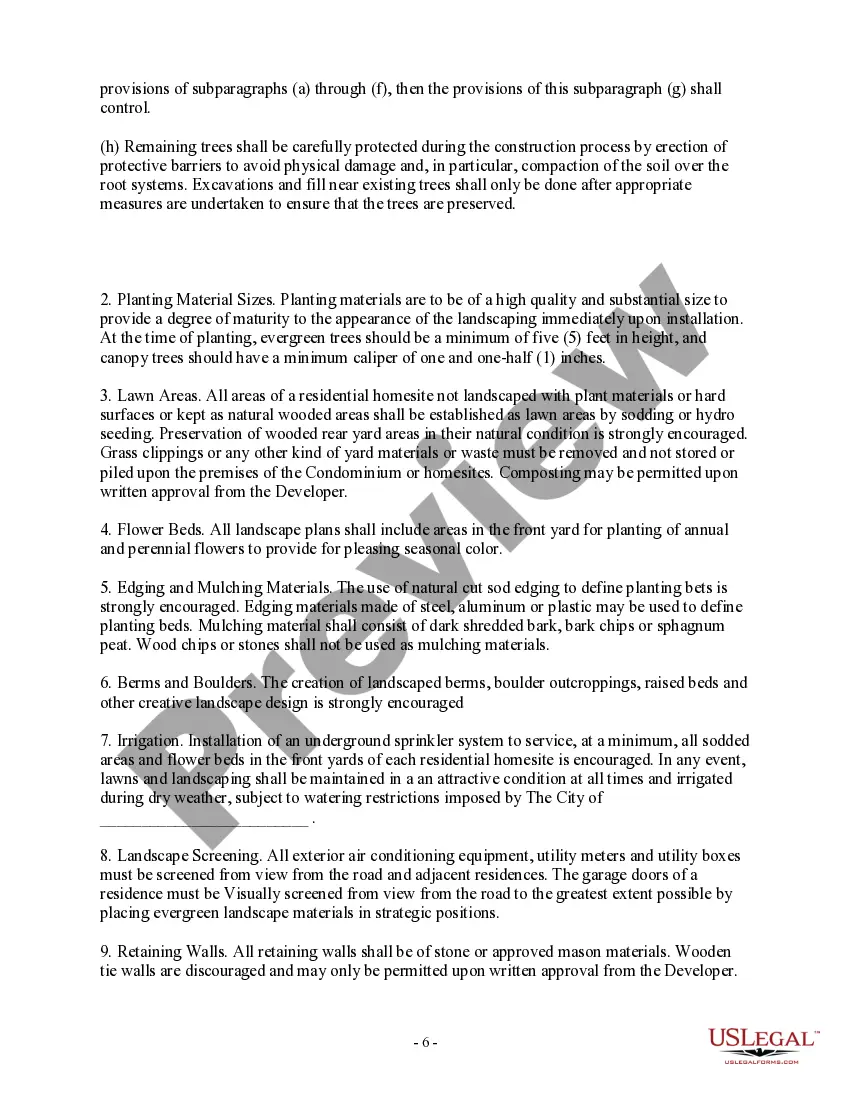
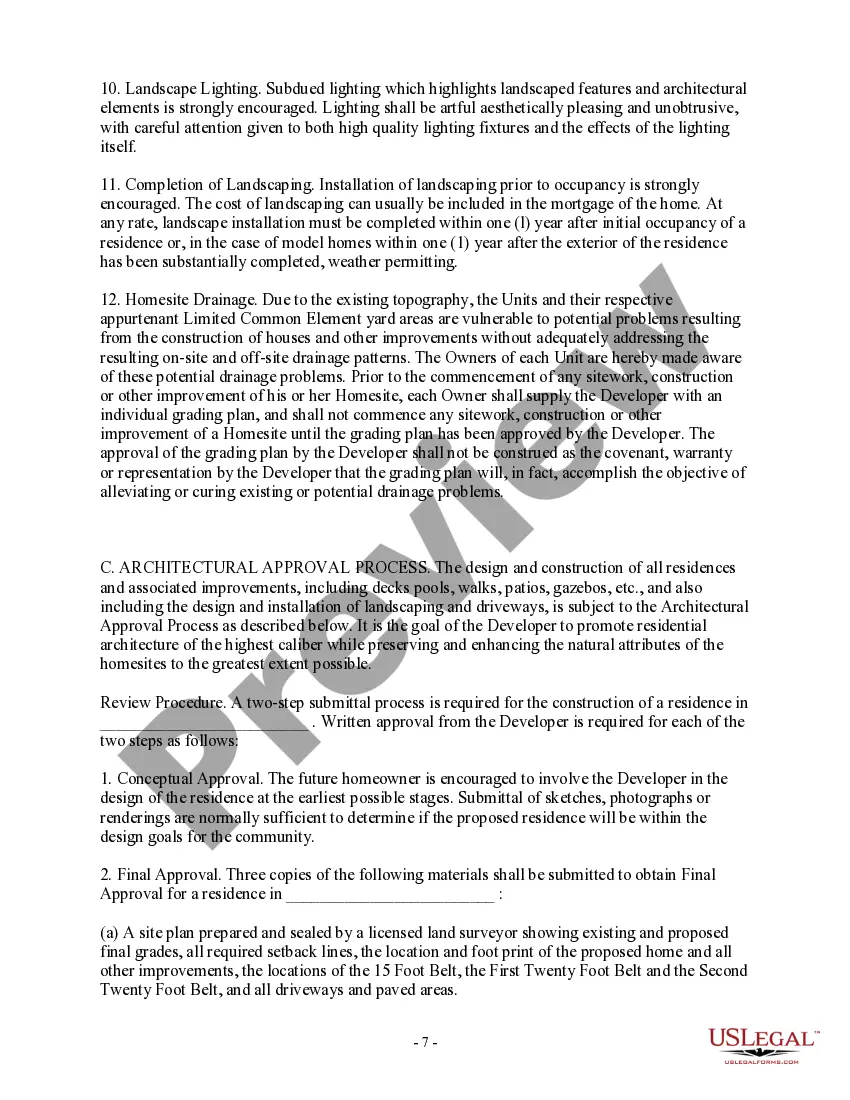
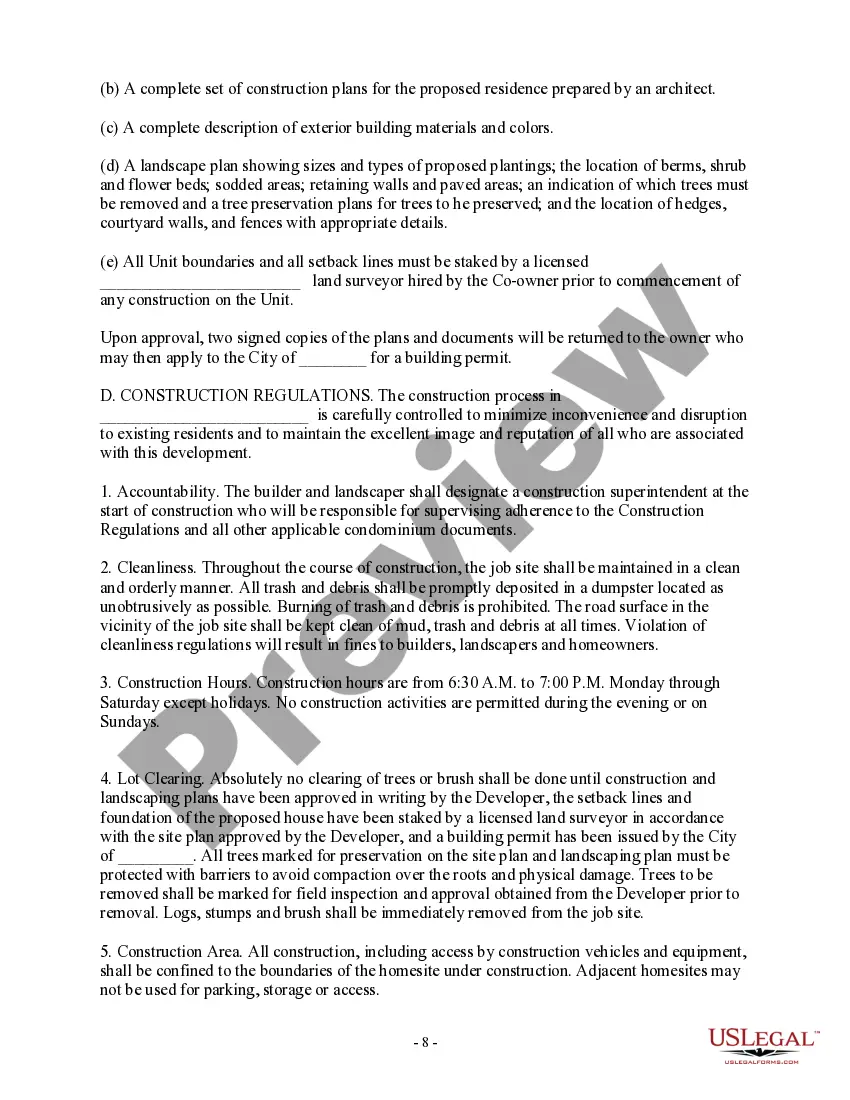
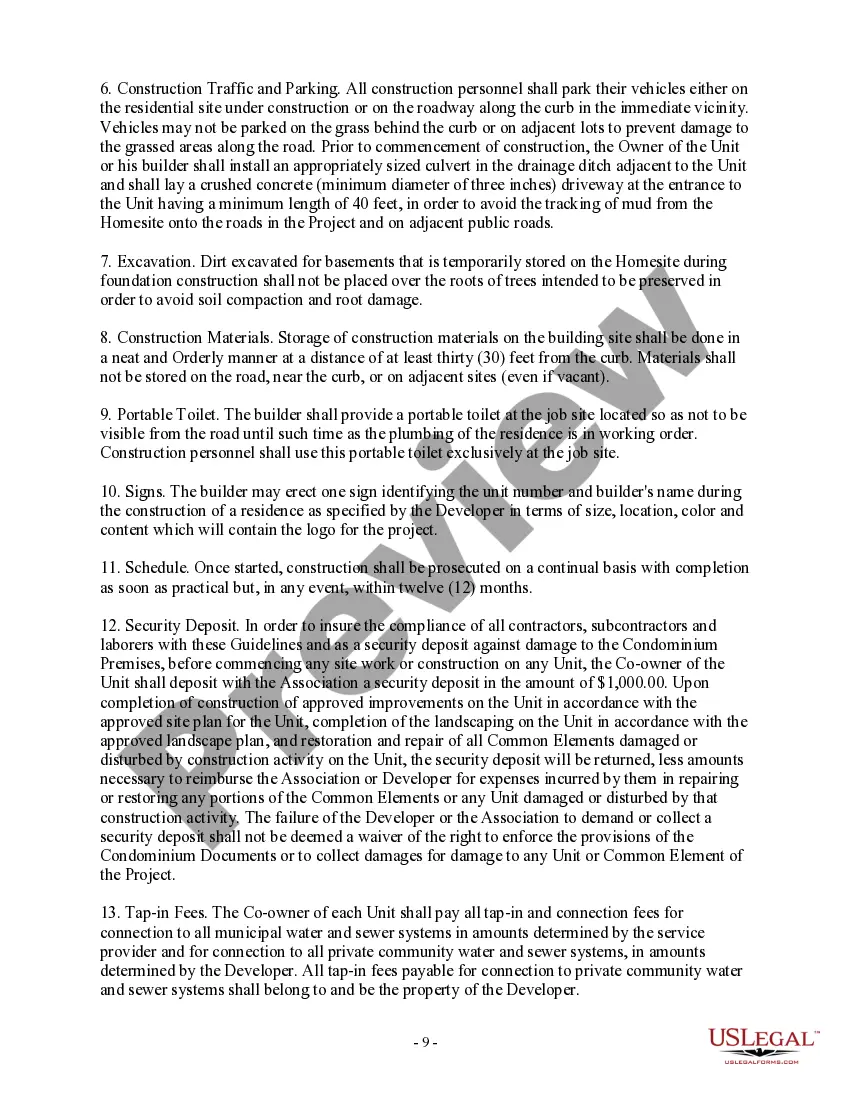
To initiate the process of dissolving your HOA in Minnesota, follow these steps: Gather all evidence of the HOA's failures, broken promises, and abuses of power, including unpaid dues and promised amenities not delivered. Consult an attorney to review your case and guide you through the process.
