Condo Rules For Noise In Middlesex
Description




Get your form ready online
Our built-in tools help you complete, sign, share, and store your documents in one place.
Make edits, fill in missing information, and update formatting in US Legal Forms—just like you would in MS Word.
Download a copy, print it, send it by email, or mail it via USPS—whatever works best for your next step.
Sign and collect signatures with our SignNow integration. Send to multiple recipients, set reminders, and more. Go Premium to unlock E-Sign.
If this form requires notarization, complete it online through a secure video call—no need to meet a notary in person or wait for an appointment.
We protect your documents and personal data by following strict security and privacy standards.

Make edits, fill in missing information, and update formatting in US Legal Forms—just like you would in MS Word.

Download a copy, print it, send it by email, or mail it via USPS—whatever works best for your next step.

Sign and collect signatures with our SignNow integration. Send to multiple recipients, set reminders, and more. Go Premium to unlock E-Sign.

If this form requires notarization, complete it online through a secure video call—no need to meet a notary in person or wait for an appointment.

We protect your documents and personal data by following strict security and privacy standards.
Looking for another form?




Form popularity
FAQ
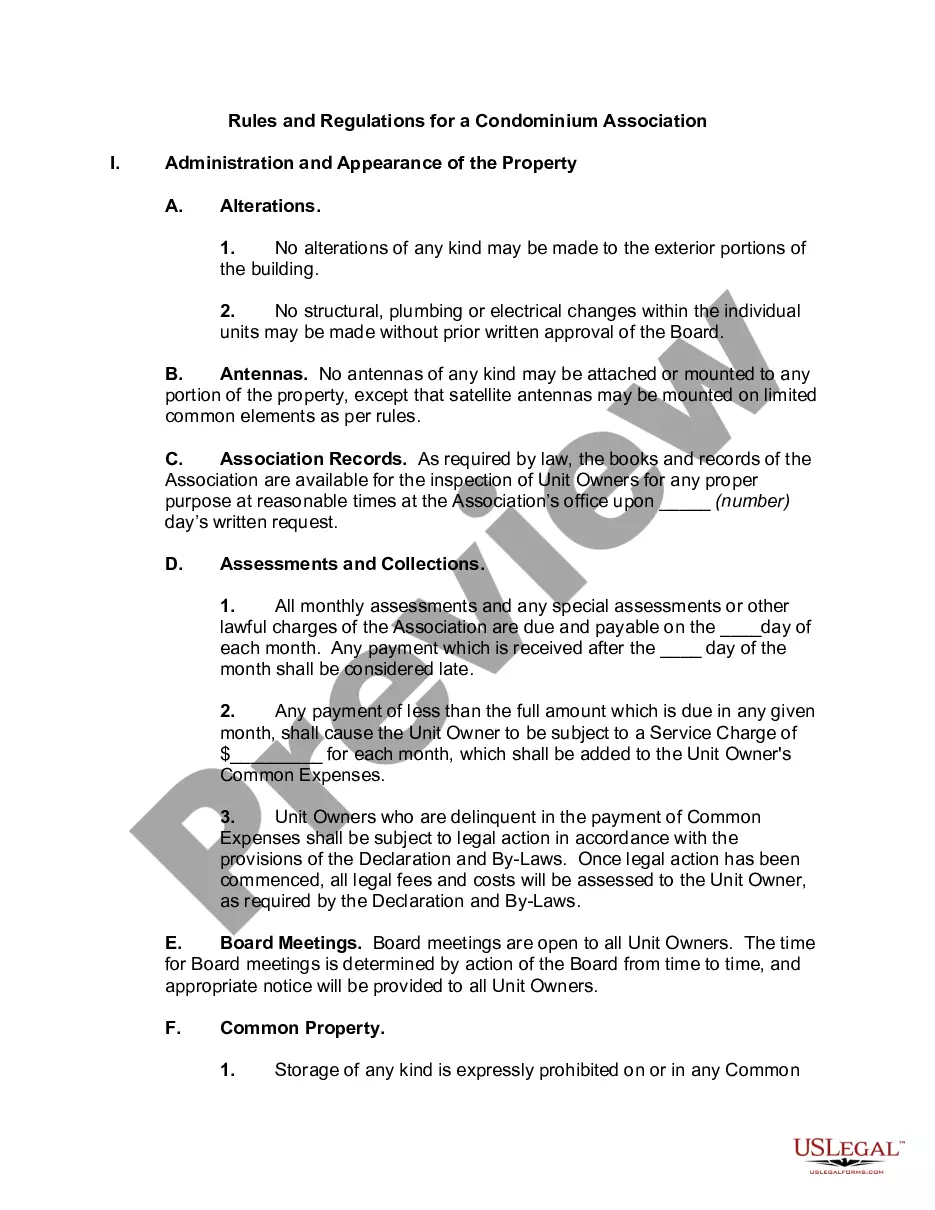
During the daytime, between 7 am and 11 pm, any noise must be kept below the decibel limits set in the Noise By-law (No. 2017-255). Overnight, between 11 pm and 7 am, any noise that disturbs someone may be considered a violation.
As a condo or townhouse tenant, you may recognize the sound of neighbors' voices through the walls or their footsteps above. Sound is created when something vibrates, and it must travel through objects, liquids or air to reach your ear.
Section 117 of the inium Act, 1998 (the “Act”) prohibits “dangerous activities” which in the past have been limited to the most egregious conduct.
The Condo Act prohibits anyone from causing a noise nuisance, annoyance or disruption in a condo. Corporations often also have prohibitions against creating unwanted noise in their governing documents. There may be municipal by-laws regarding noise, depending on where you live.
Noises are considered to be at an acceptable level if they are between 40 and 60 decibels, or match the ambient background noise – whichever is higher. Any sound above acceptable levels is generally considered noise pollution.
Yelling, shouting, whistling or singing between the hours of p.m. and a.m. from Sunday through Thursday, and between the hours of midnight to a.m. on Friday and Saturday, so as to create a noise disturbance across a residential real property boundary or on a public right-of-way or public property or so ...
