Condo Rules For Video Doorbells In Massachusetts
Description




Get your form ready online
Our built-in tools help you complete, sign, share, and store your documents in one place.
Make edits, fill in missing information, and update formatting in US Legal Forms—just like you would in MS Word.
Download a copy, print it, send it by email, or mail it via USPS—whatever works best for your next step.
Sign and collect signatures with our SignNow integration. Send to multiple recipients, set reminders, and more. Go Premium to unlock E-Sign.
If this form requires notarization, complete it online through a secure video call—no need to meet a notary in person or wait for an appointment.
We protect your documents and personal data by following strict security and privacy standards.

Make edits, fill in missing information, and update formatting in US Legal Forms—just like you would in MS Word.

Download a copy, print it, send it by email, or mail it via USPS—whatever works best for your next step.

Sign and collect signatures with our SignNow integration. Send to multiple recipients, set reminders, and more. Go Premium to unlock E-Sign.

If this form requires notarization, complete it online through a secure video call—no need to meet a notary in person or wait for an appointment.

We protect your documents and personal data by following strict security and privacy standards.
Looking for another form?







Form popularity
FAQ
You simply cannot record someone without their permission in Massachusetts. This blog explores Massachusetts' two-party consent law, its implications for various recording situations, and what you need to know about compliance.
You can fit a video doorbell if it only views your property/land and is does not overlook any of your neighbours' gardens, homes or any communal area.
272 s. 99, the so-called wiretap law. Massachusetts law requires all recorded parties to consent to being recorded. For video recording, a notice or sign in common areas suffices to inform people that they are being video recorded or surveilled.
You can fit a video doorbell if it only views your property/land and is does not overlook any of your neighbours' gardens, homes or any communal area.
Anyone who wants to place security cameras and record must avoid placing them in spaces that would affect someone's right to privacy, such as bathrooms, spaces inside your home and hotel rooms. Spaces like your front porch or an open field are not private places, so cameras are allowed.
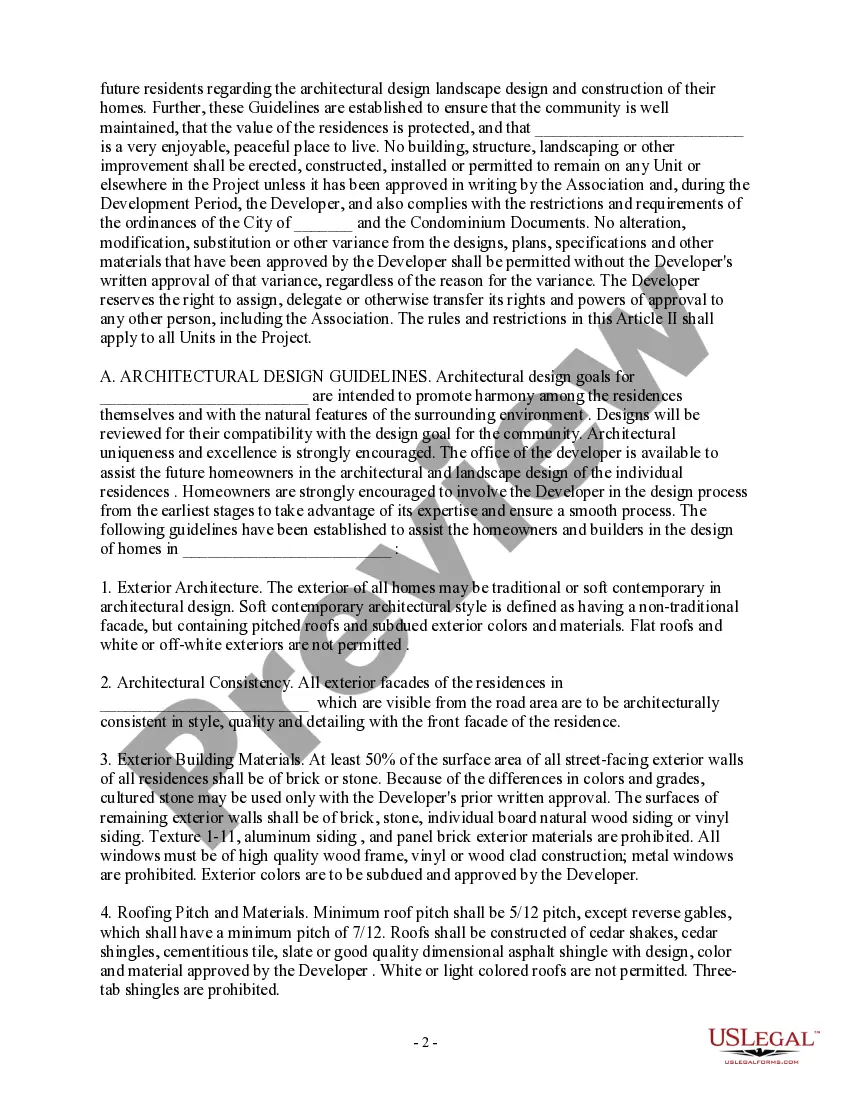
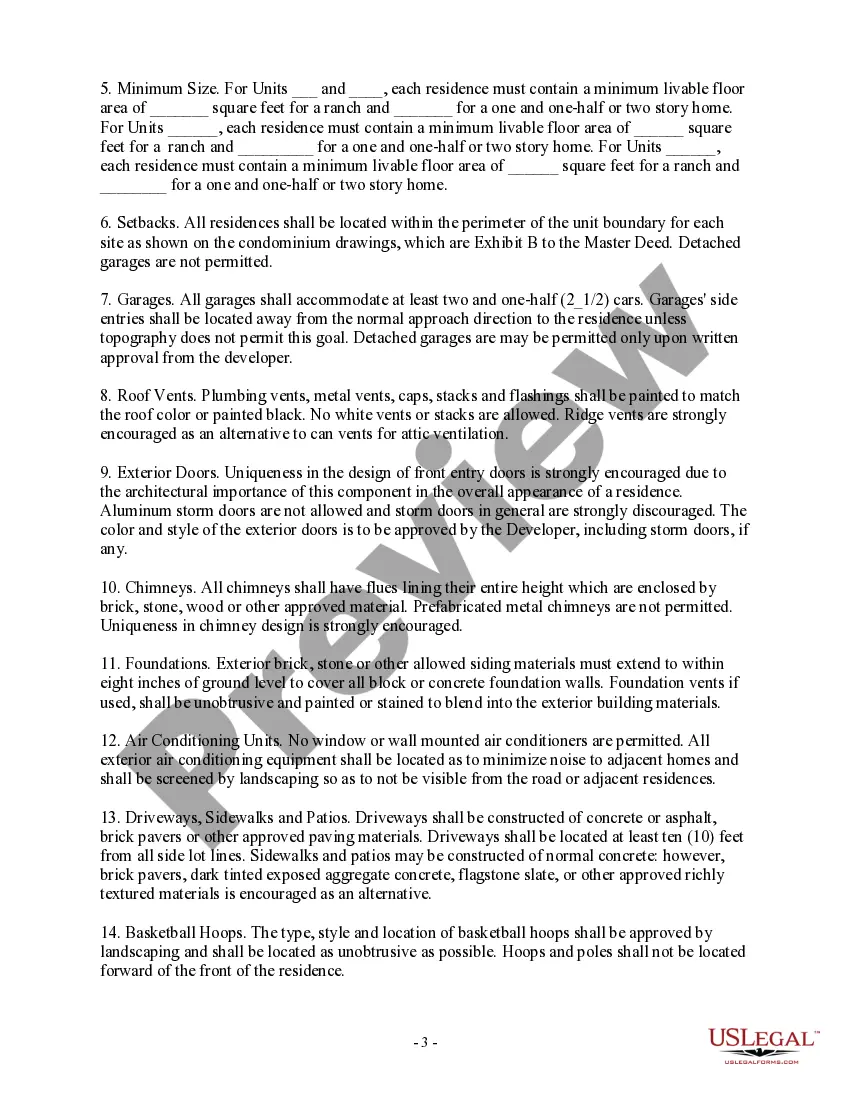
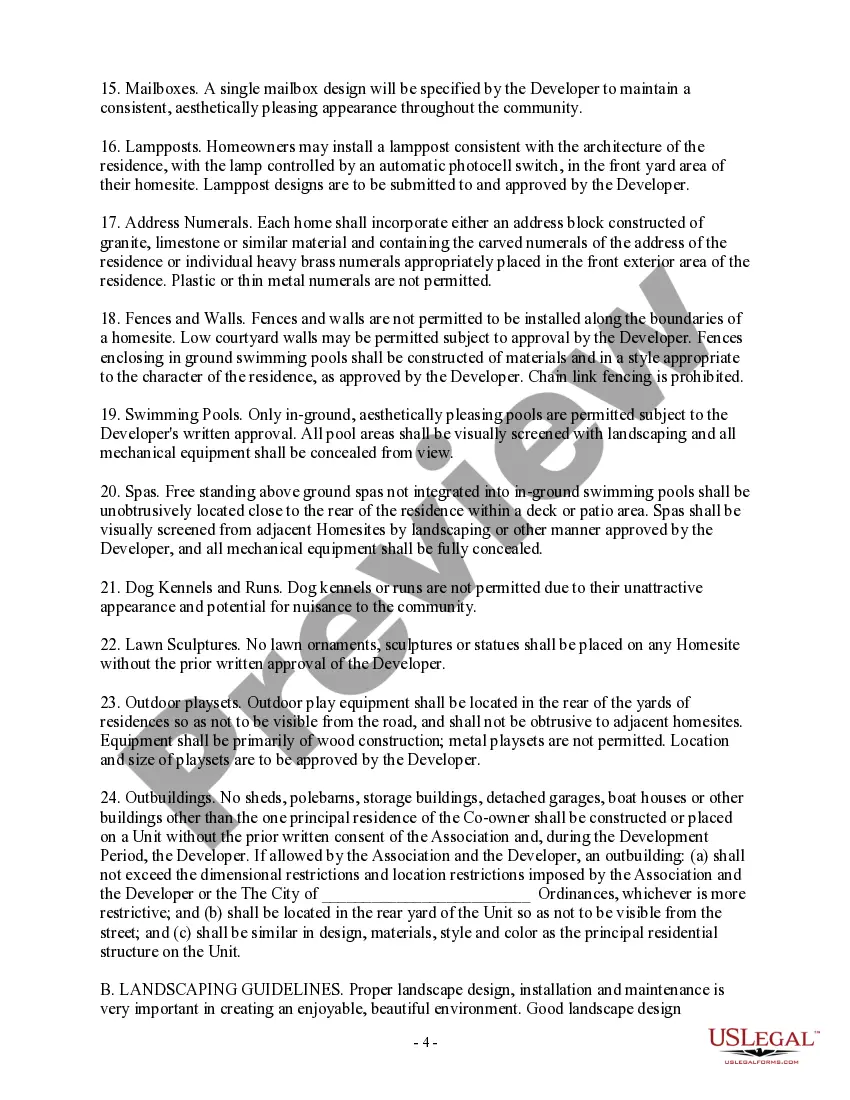
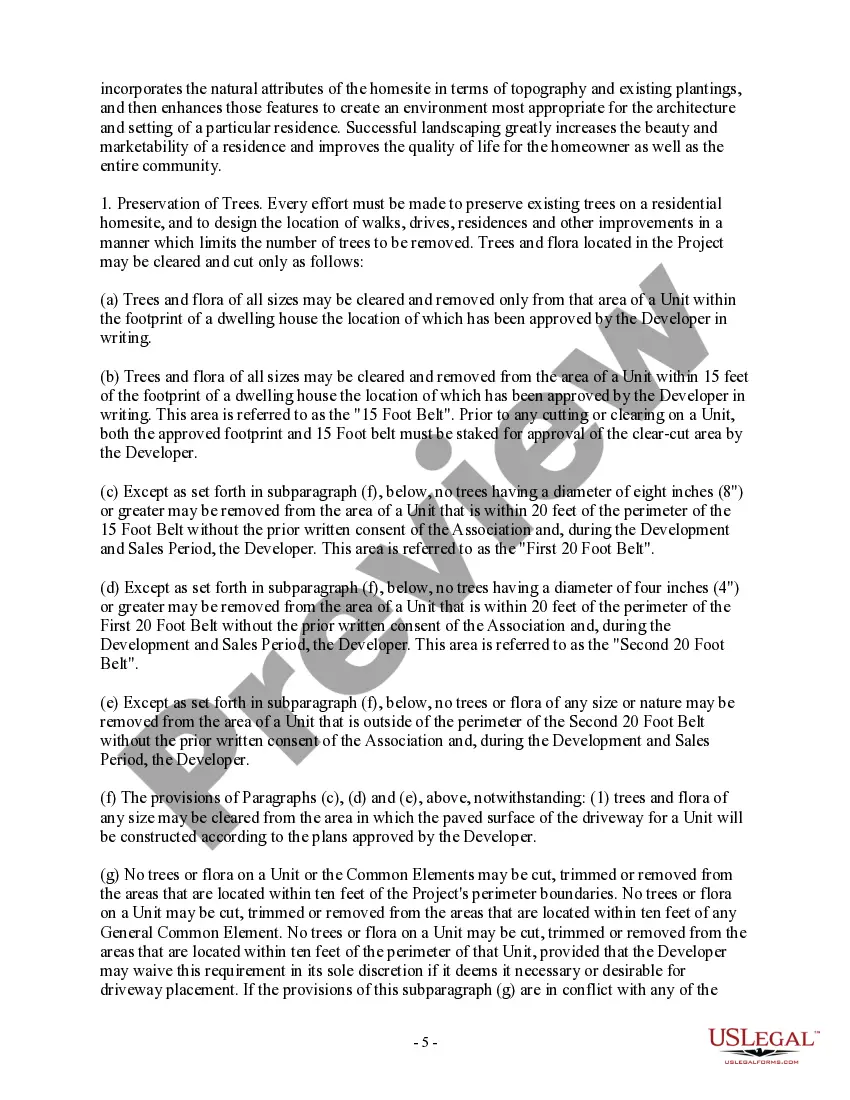
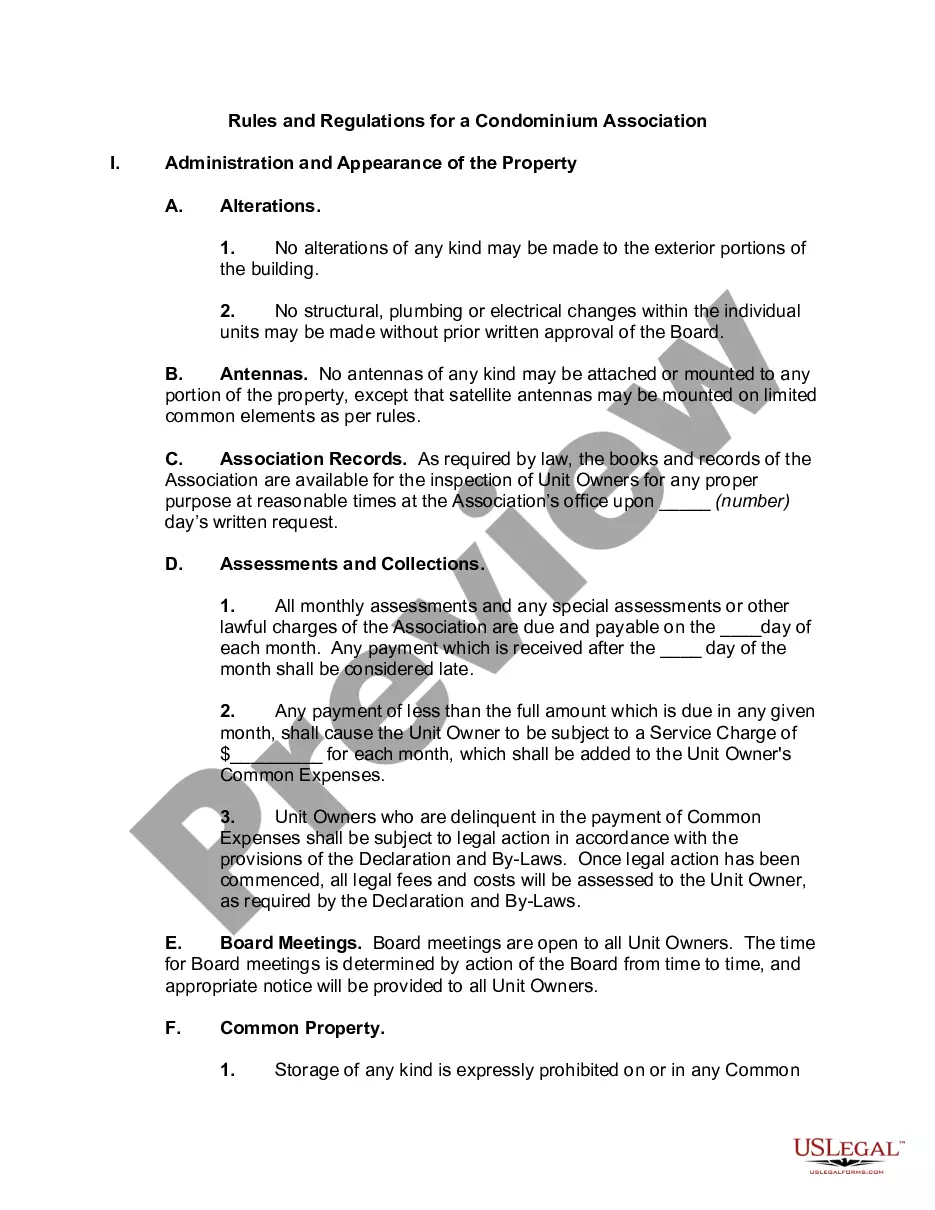
The master deed and bylaws for nearly all inium associations will likely require that a co-owner obtain the association's written approval before modifying the exterior of the unit, which would include obtaining approval before installing a doorbell camera.
If your neighbor has security cameras pointed at your house, they must avoid recording your home's interior. Your driveway is fair game for video recording, but recording your backyard depends on what they're recording. Again, your Boston neighbors need consent to take audio recordings.
Although video doorbells can also be considered as a type of security camera, they are designed for different application scenarios.
Even if a landlord grants consent, leaseholders must ensure the CCTV system/camera door bell does not cause a nuisance to other residents. If a camera records footage of shared spaces or neighbours' entrances or windows, this could infringe on their privacy and lead to disputes.
Massachusetts Senate Bill 25, a data privacy act, grants data rights and sets entity obligations.
