Condominium Bylaws Condo Association With Board Members In King
Description

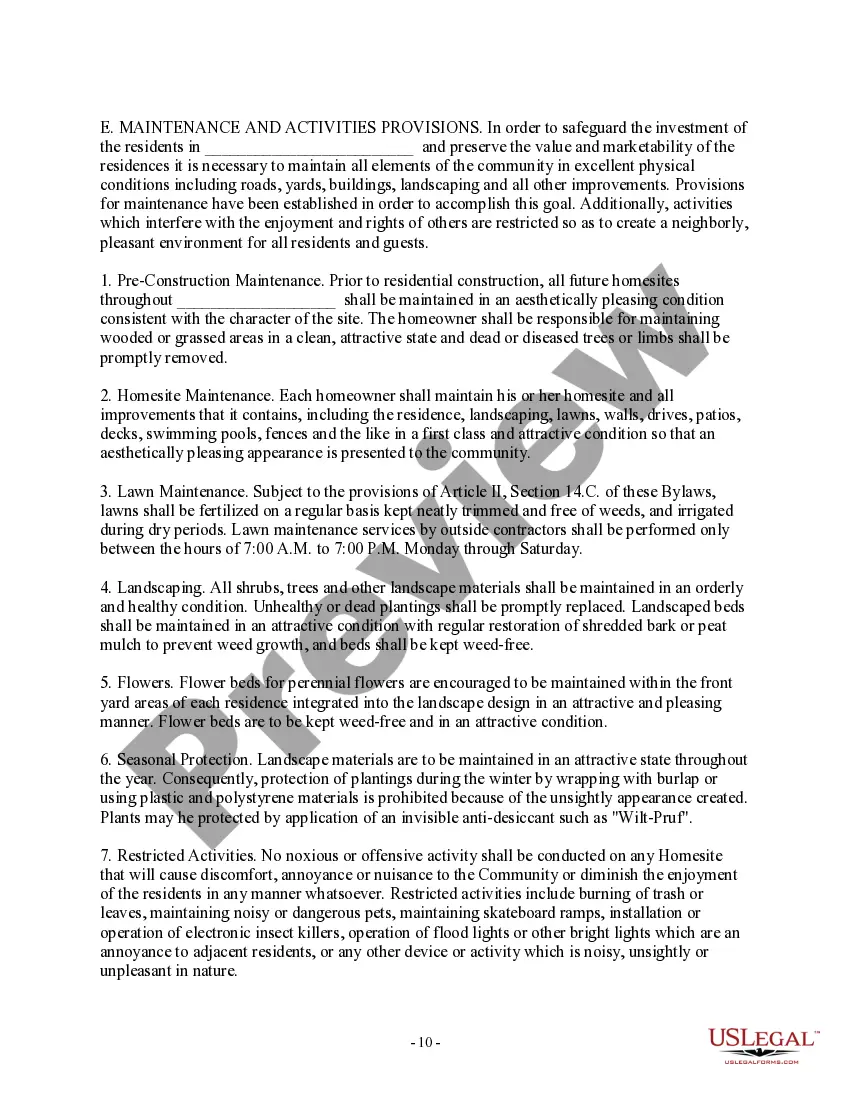


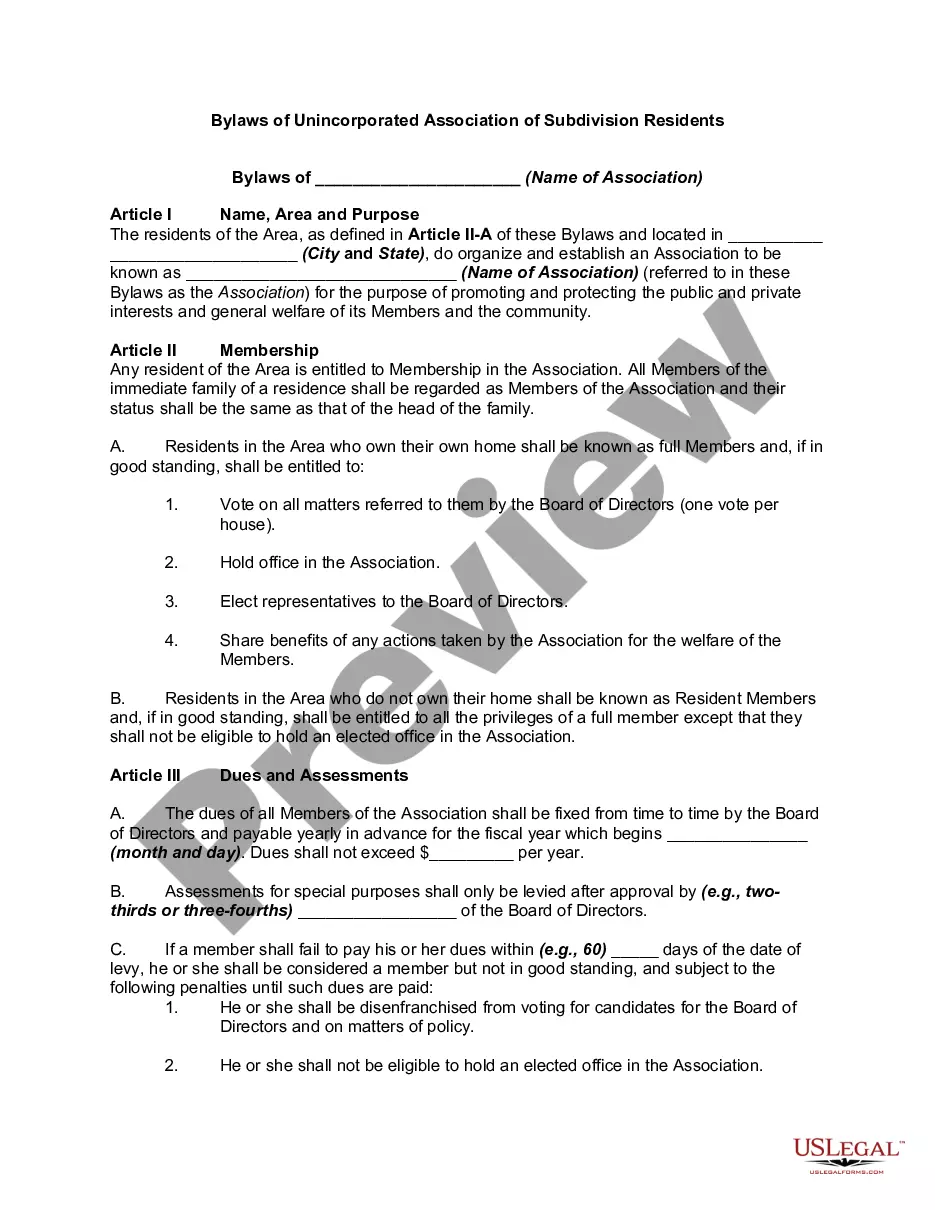
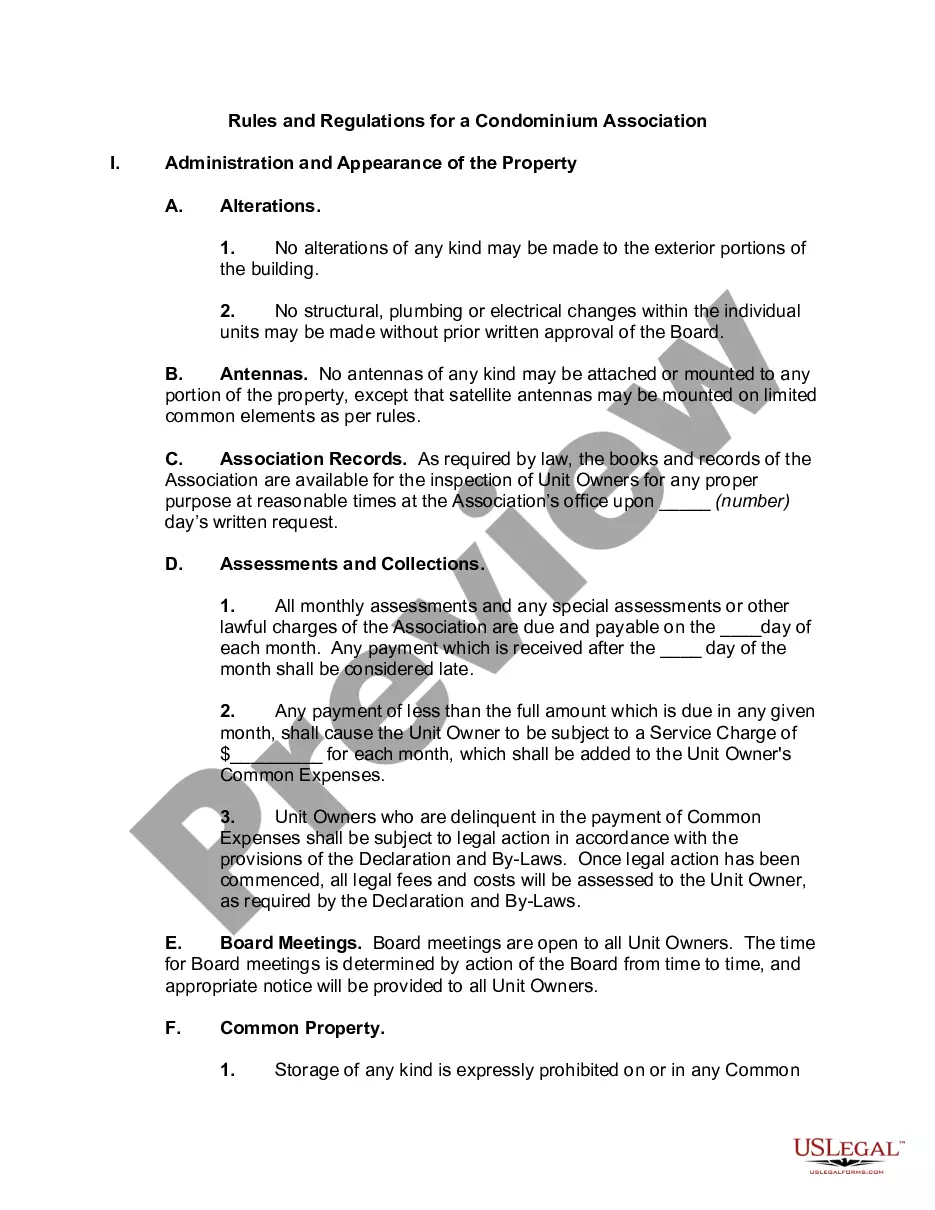
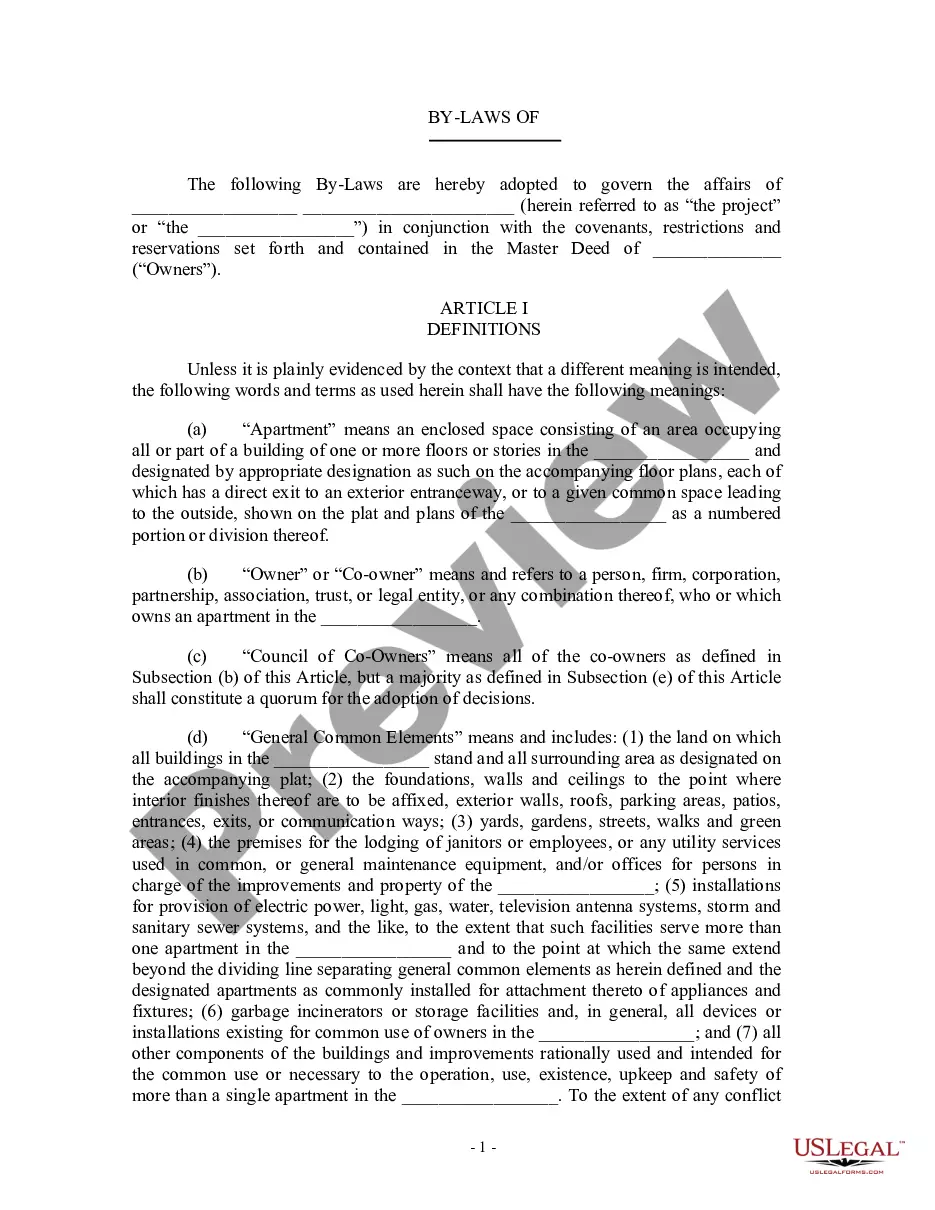
Get your form ready online
Our built-in tools help you complete, sign, share, and store your documents in one place.
Make edits, fill in missing information, and update formatting in US Legal Forms—just like you would in MS Word.
Download a copy, print it, send it by email, or mail it via USPS—whatever works best for your next step.
Sign and collect signatures with our SignNow integration. Send to multiple recipients, set reminders, and more. Go Premium to unlock E-Sign.
If this form requires notarization, complete it online through a secure video call—no need to meet a notary in person or wait for an appointment.
We protect your documents and personal data by following strict security and privacy standards.

Make edits, fill in missing information, and update formatting in US Legal Forms—just like you would in MS Word.

Download a copy, print it, send it by email, or mail it via USPS—whatever works best for your next step.

Sign and collect signatures with our SignNow integration. Send to multiple recipients, set reminders, and more. Go Premium to unlock E-Sign.

If this form requires notarization, complete it online through a secure video call—no need to meet a notary in person or wait for an appointment.

We protect your documents and personal data by following strict security and privacy standards.
Looking for another form?








Form popularity
FAQ
Once you buy a home that's part of an HOA, you automatically become a member of the HOA. HOA rules are legally binding, and you must adhere to all rules and regulations in the governing document. Yes, there are bylaws that you may not like, but there are no HOA loopholes.
In some states, such as California, HOA bylaws are considered public record and must be made available upon request. In other states, such as Virginia, HOA bylaws are not considered public record and therefore are not required to be made publicly available.
Homeowners often ask whether local laws supersede the rules and regulations set forth by their homeowner association (HOA). The short answer is yes, local laws do supersede HOA rules.
In a word, yes. There are certain decisions the board can make unilaterally. On the flip side, there are also some decisions that must go through a membership vote. The limitations of an HOA board's authority differ from one community to another.
Generally speaking, the declaration is the document that creates the inium. The bylaws spell out the day-to-day operations of the association. If your association is more than 10 years old and the bylaws have remained unchanged, board members may want to consider making updates.
Board members are volunteers who are elected to the position by other association members. Homeowners' association board responsibilities include handling a variety of tasks, including creating and enforcing guidelines, overseeing finances, and maintaining shared spaces.
The right to attend and participate in meetings of the unit owners' association held in ance with the provisions of the unit owners' association's inium instruments at least once each year, ing to and subject to the provisions of D.C. Official Code §42-1903.03(a).
Section 67 of the inium Property Act provides for broad court-ordered remedies in cases of “improper conduct” by, among others, inium corporations. When a court is satisfied that improper conduct has taken place, it may do a number of things to cause that improper conduct to cease.
The Alberta inium Property Act states that all windows and doors located on the exterior walls of a unit are the responsibility of the condo board— even if the windows and doors are solely used by the unit in question.
The District of Columbia's inium Act and Horizontal Property Act govern iniums and cooperative housing respectively. These laws outline the rights and responsibilities of inium owners and associations. Under the inium Act, associations must maintain common areas and establish clear rules.
