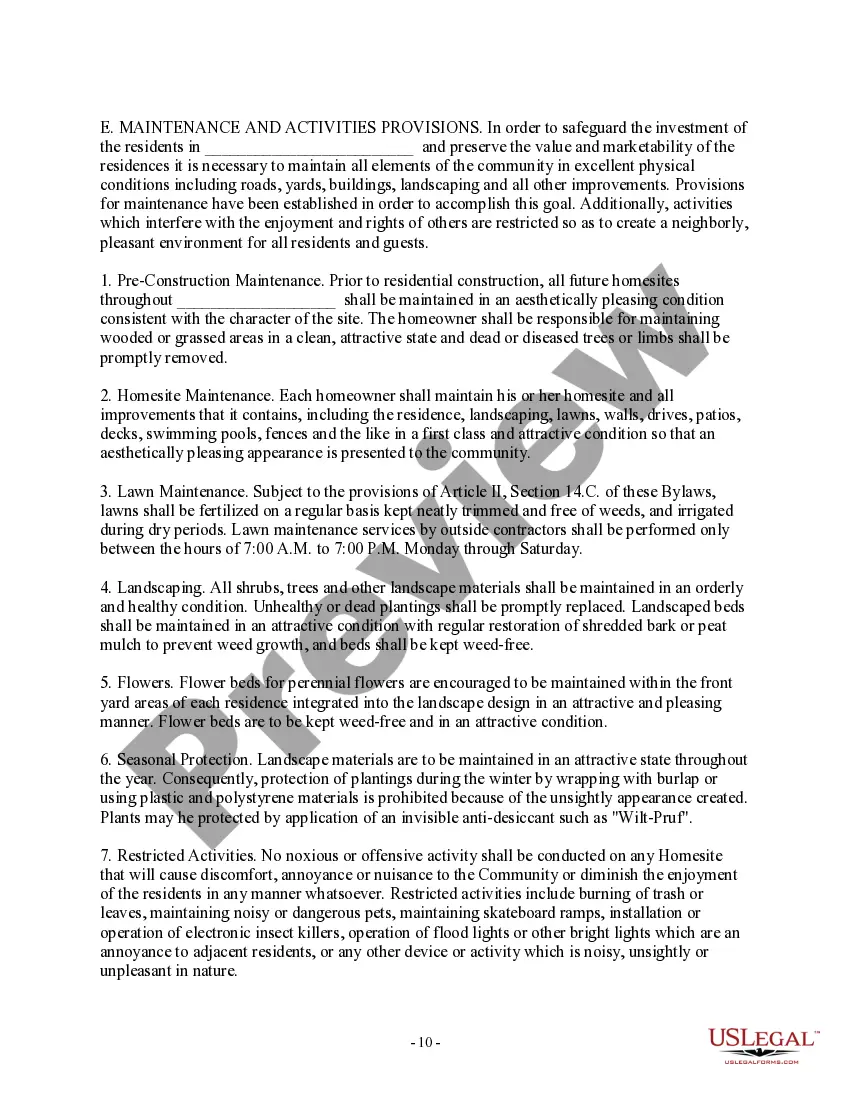
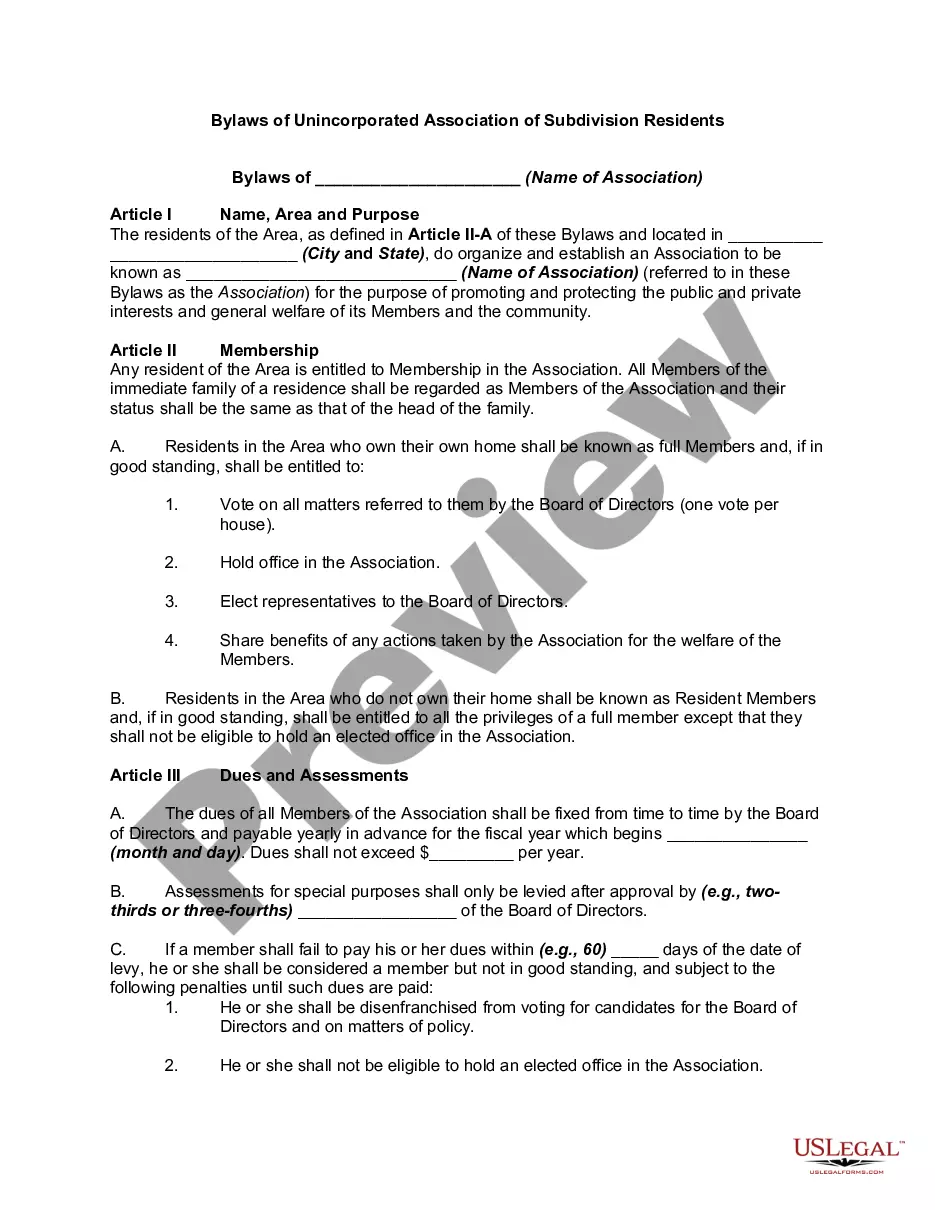
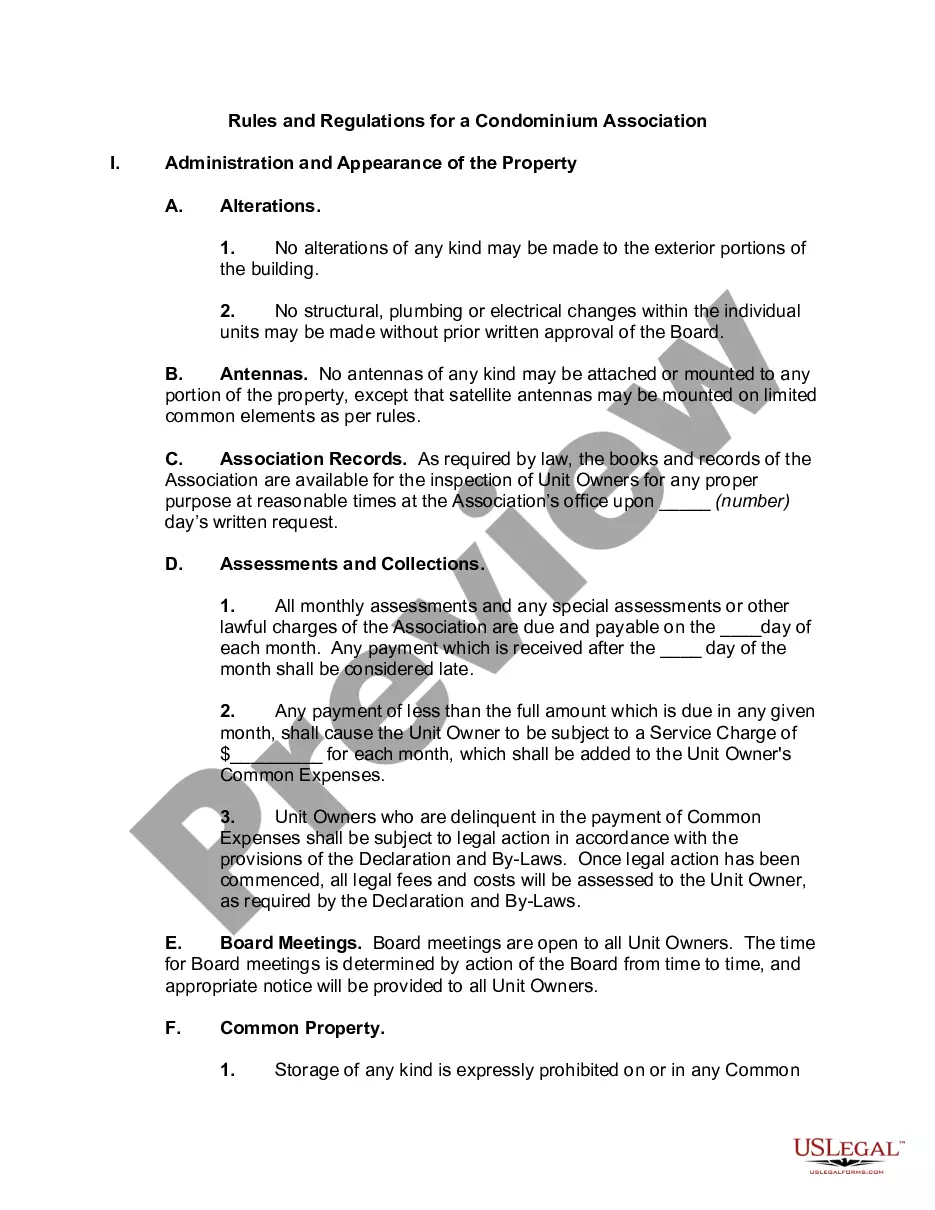
Condominium Bylaws Condo For Rent In Houston
Description

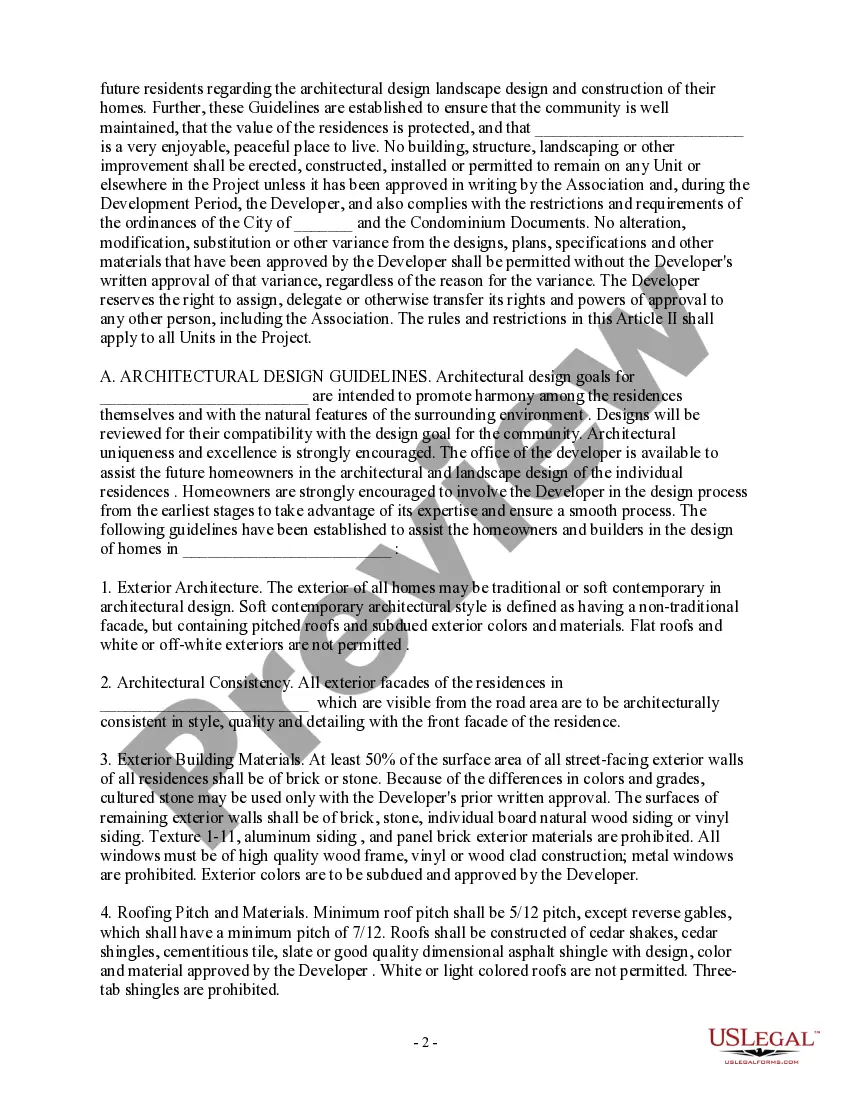
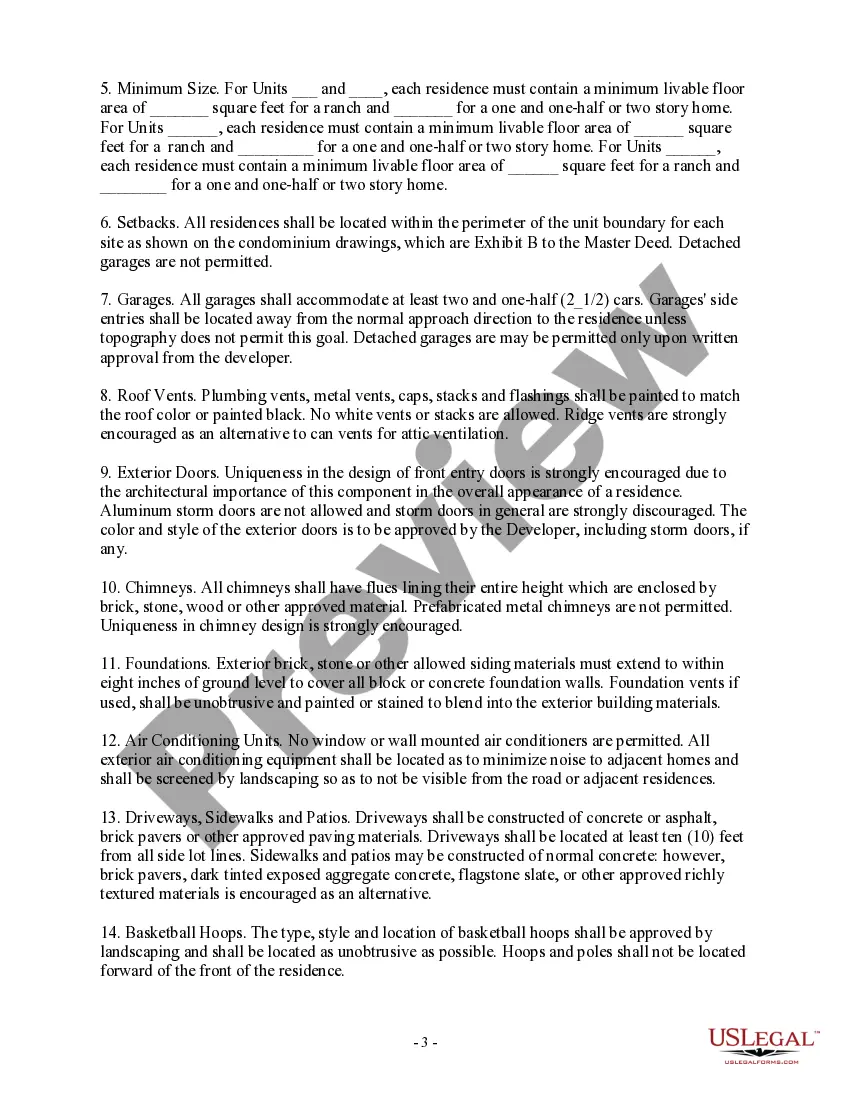
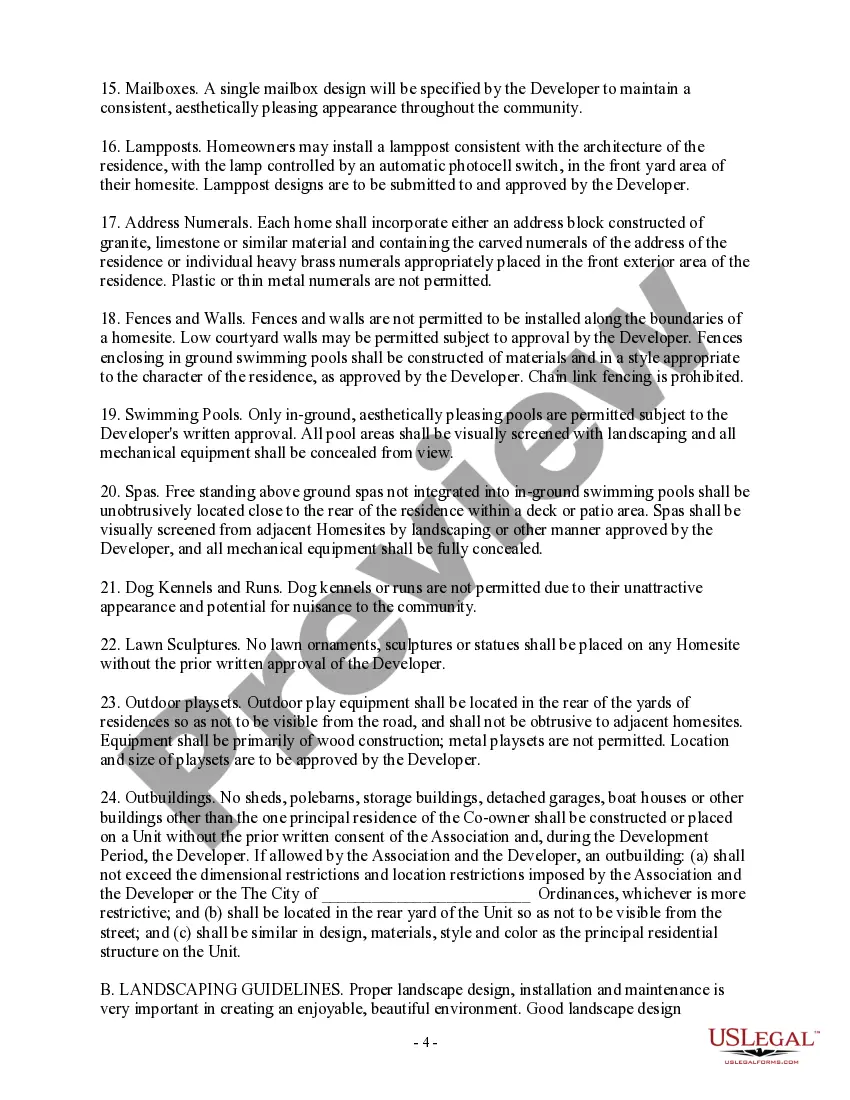
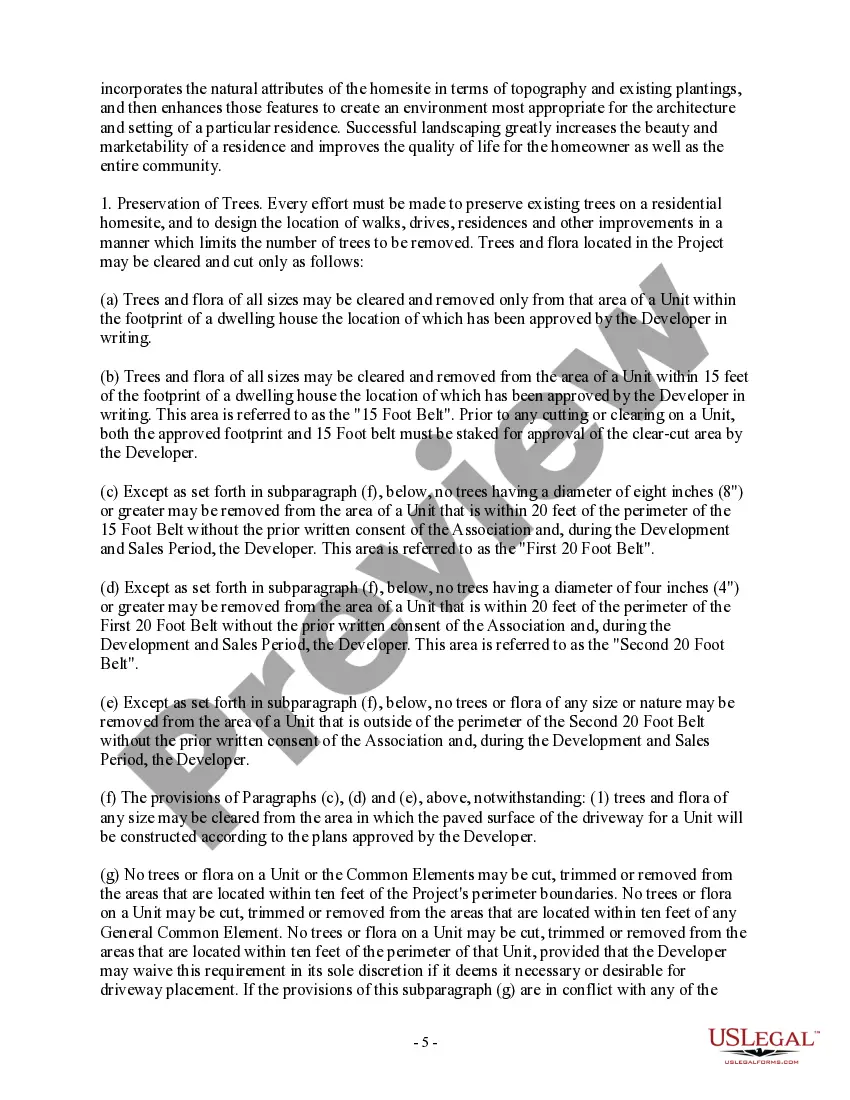
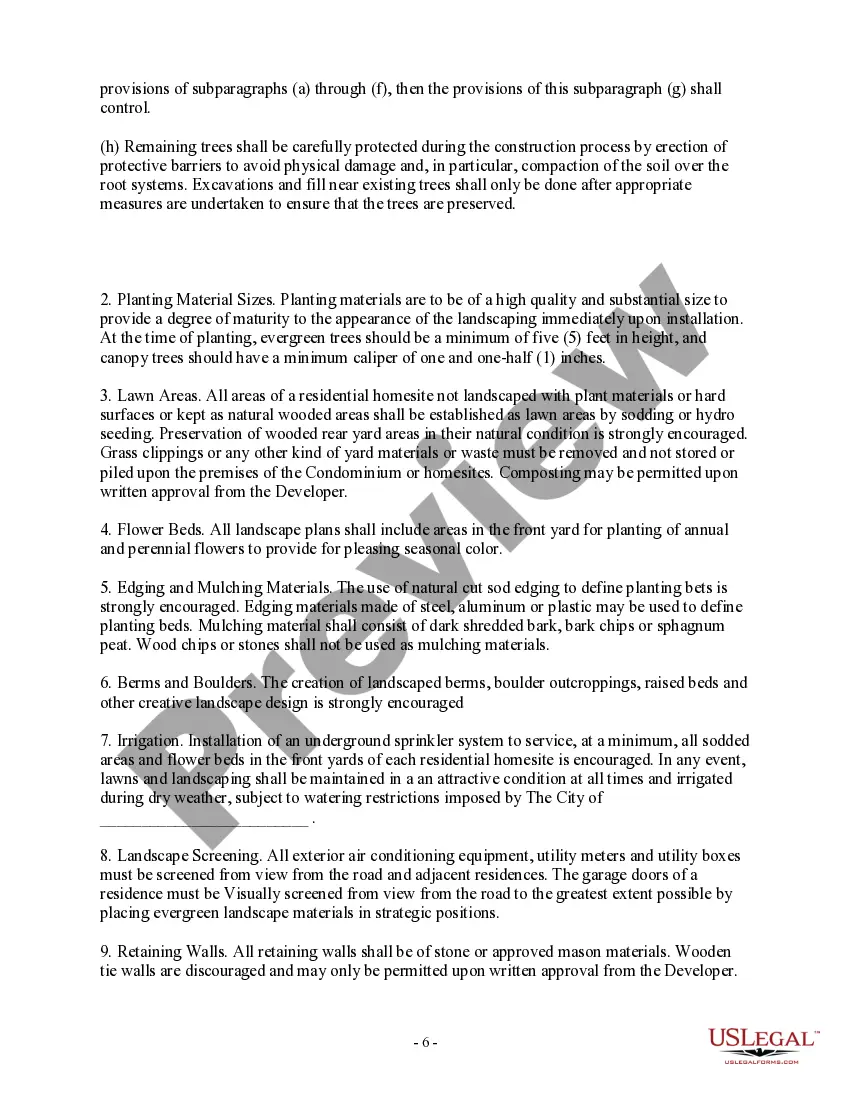
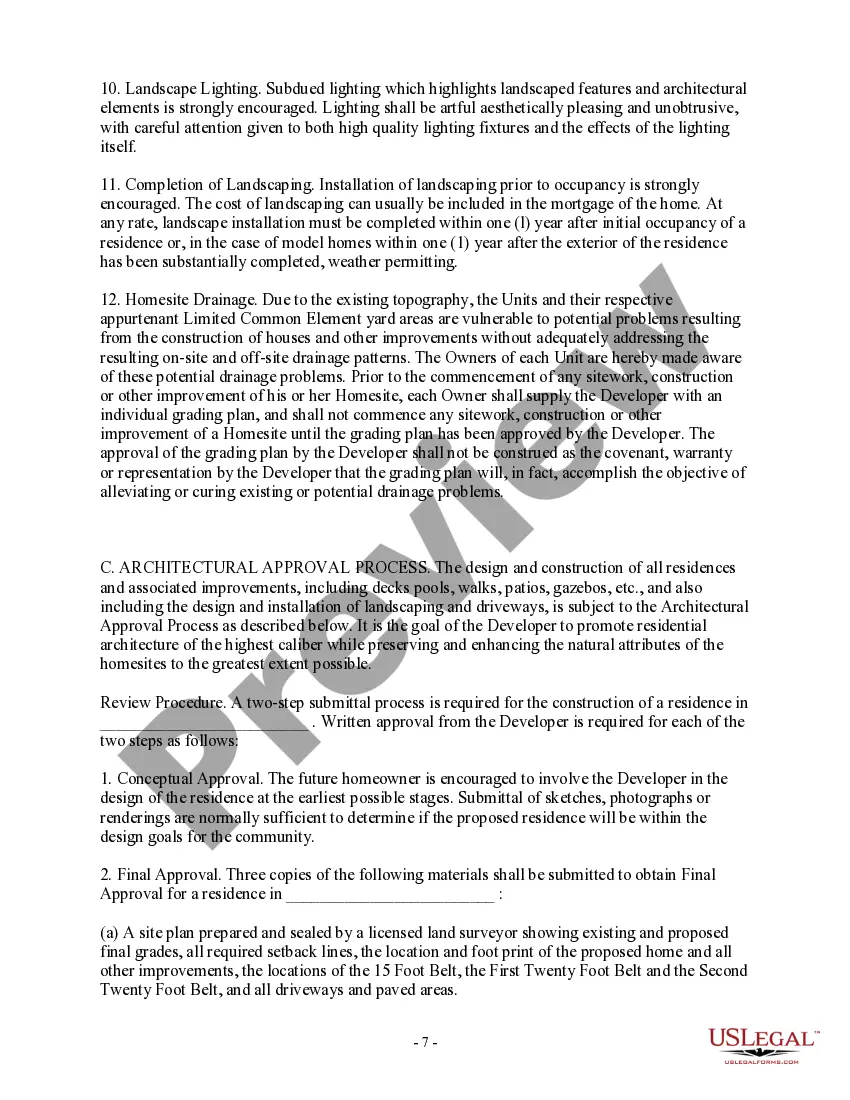
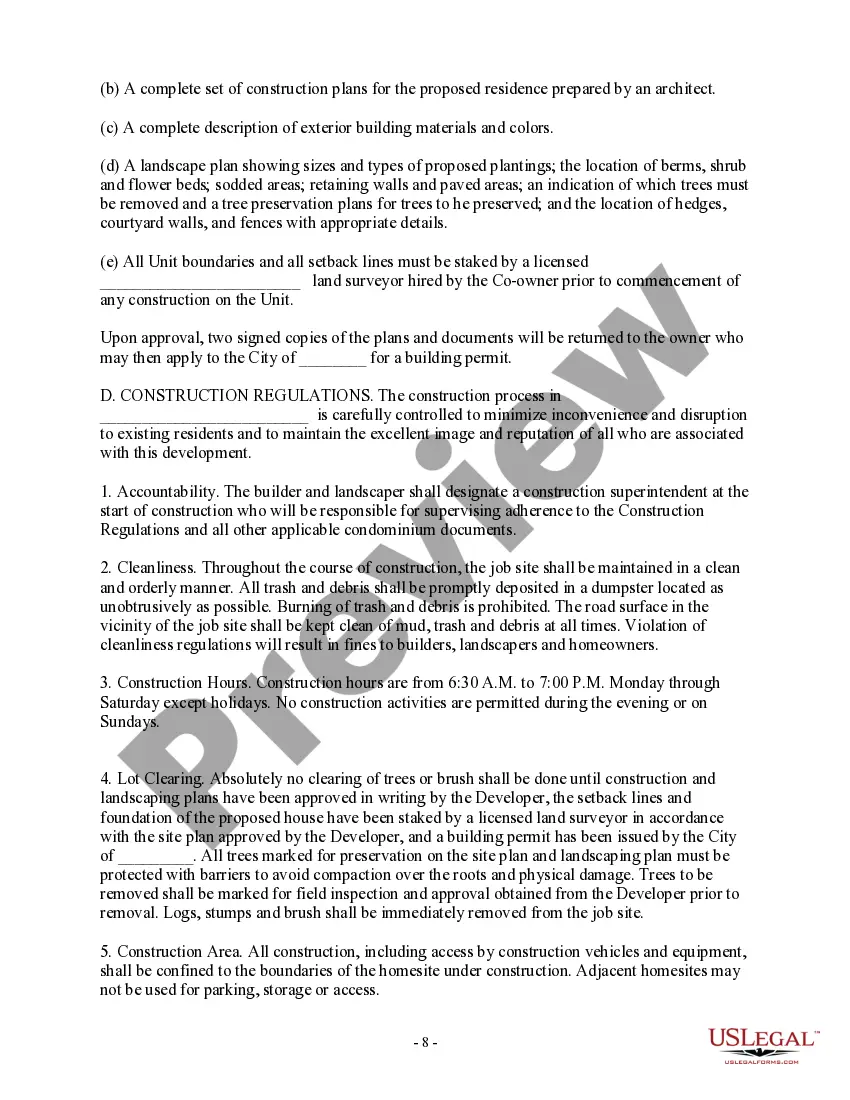
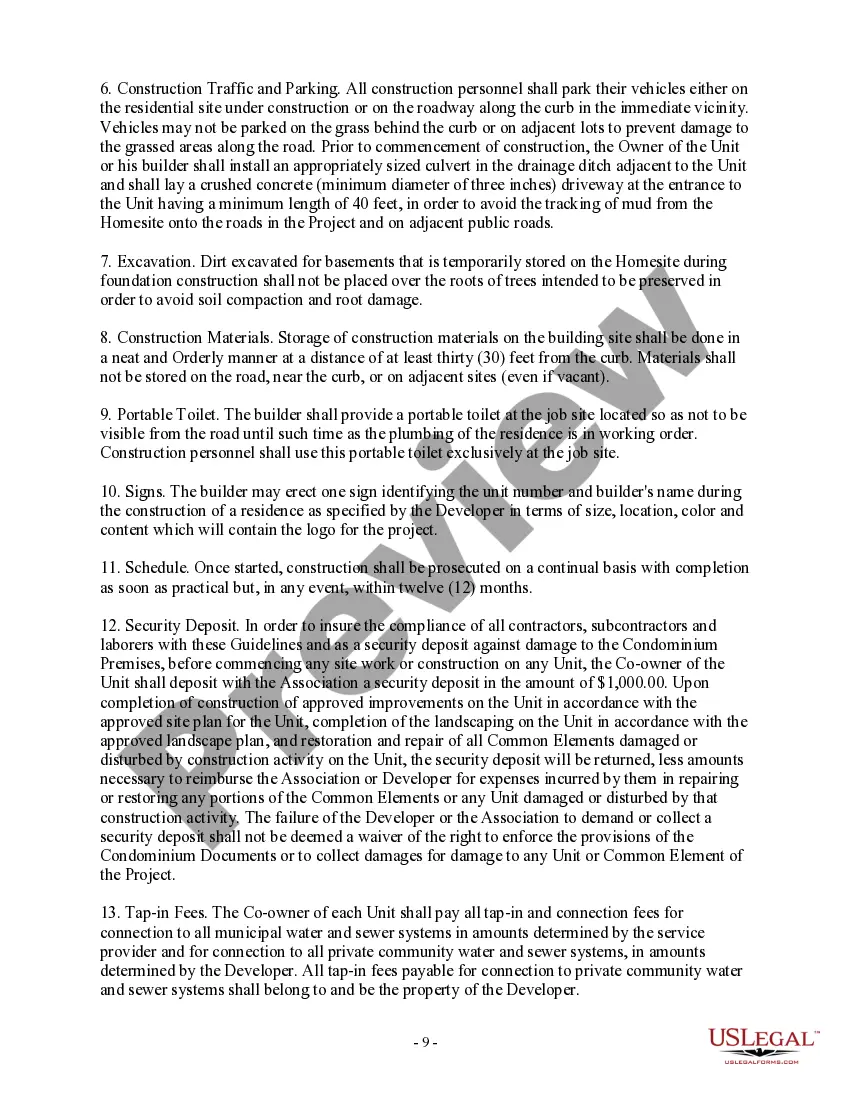



Get your form ready online
Our built-in tools help you complete, sign, share, and store your documents in one place.
Make edits, fill in missing information, and update formatting in US Legal Forms—just like you would in MS Word.
Download a copy, print it, send it by email, or mail it via USPS—whatever works best for your next step.
Sign and collect signatures with our SignNow integration. Send to multiple recipients, set reminders, and more. Go Premium to unlock E-Sign.
If this form requires notarization, complete it online through a secure video call—no need to meet a notary in person or wait for an appointment.
We protect your documents and personal data by following strict security and privacy standards.

Make edits, fill in missing information, and update formatting in US Legal Forms—just like you would in MS Word.

Download a copy, print it, send it by email, or mail it via USPS—whatever works best for your next step.

Sign and collect signatures with our SignNow integration. Send to multiple recipients, set reminders, and more. Go Premium to unlock E-Sign.

If this form requires notarization, complete it online through a secure video call—no need to meet a notary in person or wait for an appointment.

We protect your documents and personal data by following strict security and privacy standards.
Looking for another form?








Form popularity
FAQ
A inium, or condo, is an individually owned unit in a complex or building of units. A condo owner owns the space inside their condo and shares ownership interest in the community property, such as the floor, stairwells, and exterior areas.
How to rent a condo: 12 tips Create a list of what you need and want. This narrows your search. Avoid online scams. Visit the place at different times. When possible, deal directly with the owner. Read all documentation. Know your state and local laws. Check your lease for insurance requirements. Ask questions.
Expert-Verified Answer The best description of inium ownership is that the space inside the unit belongs to the unit owner, while all owners share ownership of the common elements.
The main difference between an apartment and a inium lies in ownership structure. In an apartment, tenants rent units from landlords or property management companies, with no ownership rights. In contrast, a inium involves individual ownership of units within a larger complex or building.
In Texas, the laws for short term rentals are crafted at the city level, with no specific state limitations on operations. Hosts are required to register with the Texas Comptroller's Office for state hotel occupancy tax collection but do not need a state license for running a vacation rental.
Notably, Texas HOA's with 60 or more lots are legally required to have an HOA Website, ensuring transparency and accessibility for all members. The HOA Website Law in Texas is designed to facilitate better communication and provide a centralized location for important association information.
House Bill 614 guarantees your right to a hearing before the HOA board to contest the violation or the proposed fine. This ensures a fair and transparent process where you can voice your concerns and advocate for your interests.
1. Check Local Requirements for Landlord License. In the state of Texas, getting a landlord license is not required. However, many of the local jurisdictions may require a license, so it is best to check first.
A inium is type of living residence within a multi-unit complex where each unit is individually owned. iniums are commonly called condos, for short. The origin of the term 'inium' comes from Latin meaning "joint rule."
A project comprised of two, three, or four residential units in which each unit is evidenced by its own title and deed. A two- to four-unit condo project may be either a new or established project and may be comprised of attached and/or detached units. A project consisting partially or solely of manufactured homes.
