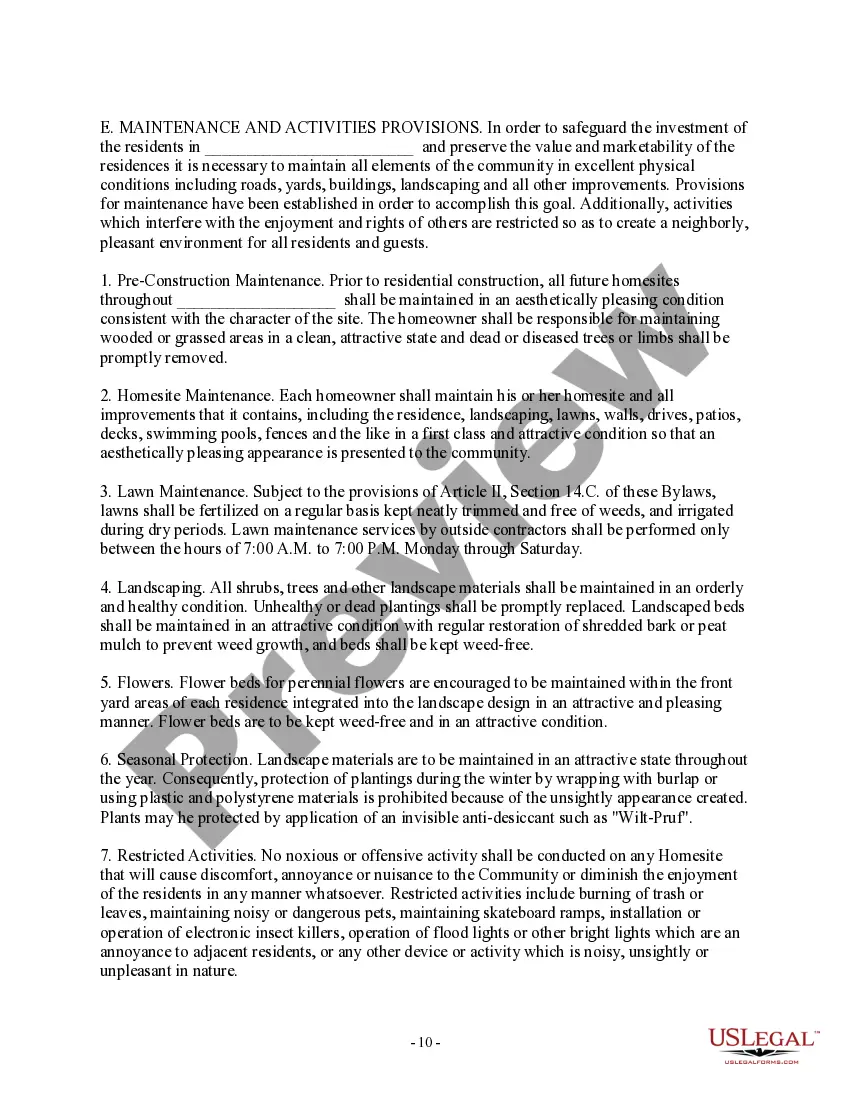
Condominium Bylaws Association With Hoa In Georgia
Description





Get your form ready online
Our built-in tools help you complete, sign, share, and store your documents in one place.
Make edits, fill in missing information, and update formatting in US Legal Forms—just like you would in MS Word.
Download a copy, print it, send it by email, or mail it via USPS—whatever works best for your next step.
Sign and collect signatures with our SignNow integration. Send to multiple recipients, set reminders, and more. Go Premium to unlock E-Sign.
If this form requires notarization, complete it online through a secure video call—no need to meet a notary in person or wait for an appointment.
We protect your documents and personal data by following strict security and privacy standards.

Make edits, fill in missing information, and update formatting in US Legal Forms—just like you would in MS Word.

Download a copy, print it, send it by email, or mail it via USPS—whatever works best for your next step.

Sign and collect signatures with our SignNow integration. Send to multiple recipients, set reminders, and more. Go Premium to unlock E-Sign.

If this form requires notarization, complete it online through a secure video call—no need to meet a notary in person or wait for an appointment.

We protect your documents and personal data by following strict security and privacy standards.
Looking for another form?




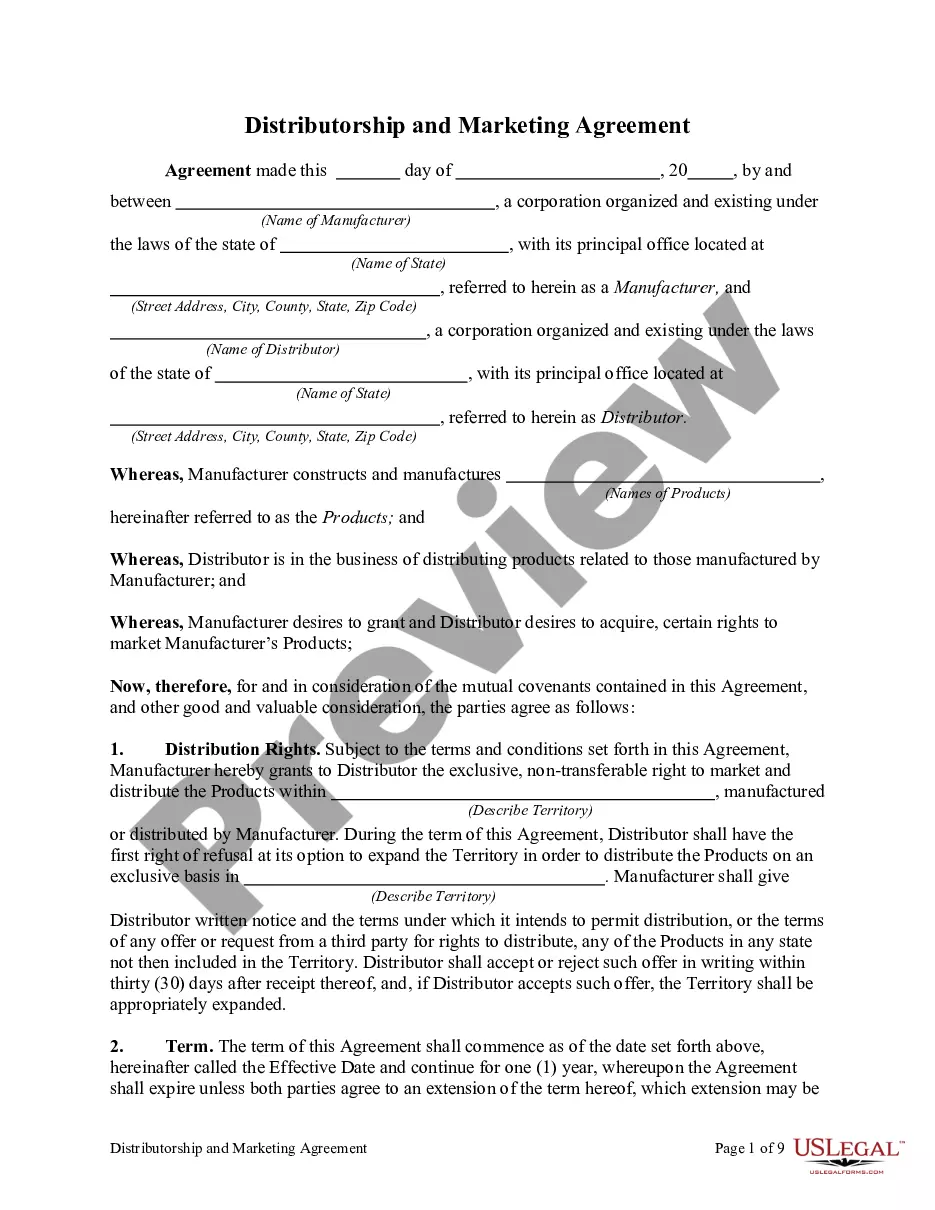
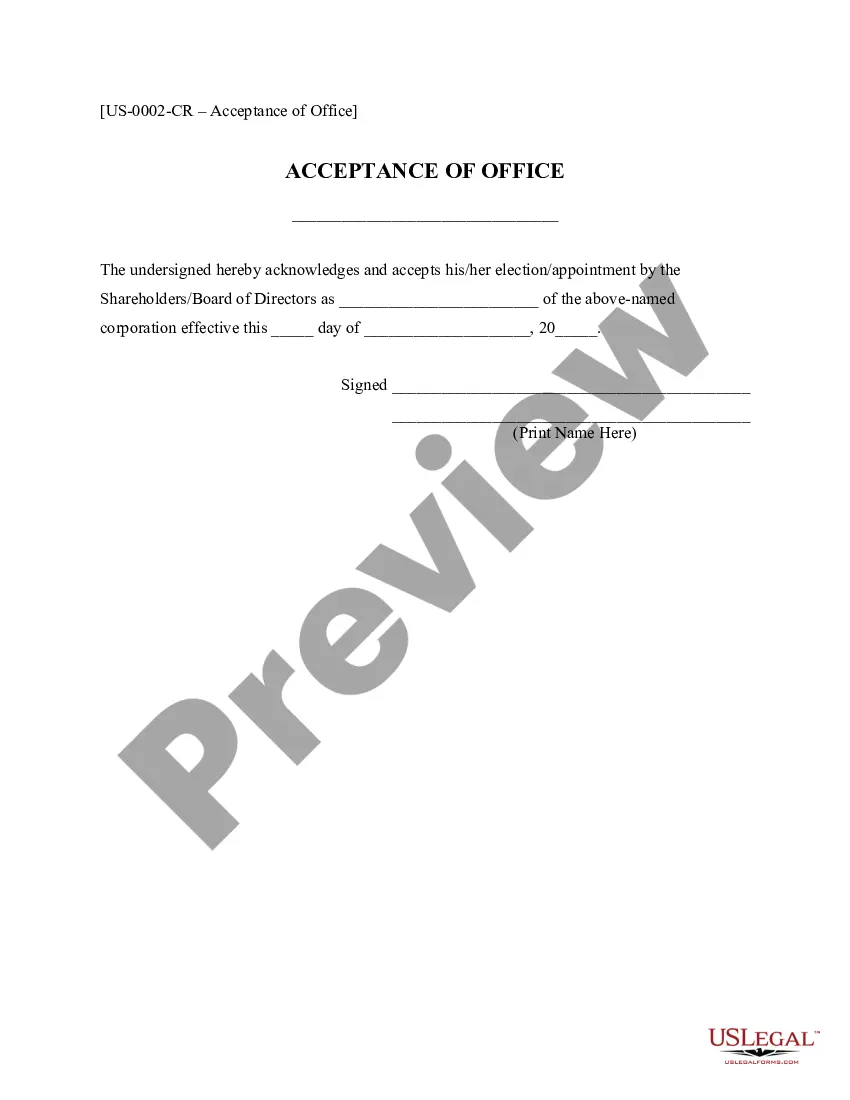


Form popularity
FAQ
The Max Interest for Late Assessments in a Georgia HOA Covenants used to expire after 20 years in Georgia, but POAs allow them to renew automatically which reduces the need to facilitate costly renewal votes.
The Board shall elect from its members a Chairperson and a Vice-Chairperson in January of odd numbered years. Each shall serve a term of two years, or until their successor has been elected.
Also, for the decisions made by an HOA, except for the cases provided for by Article 7(4) of this Law, the HOA members shall be liable, personally and jointly, in proportion to their share in the common property of HOA members.
In Georgia, an HOA's authority is regulated by state laws such as the Georgia inium Act and the Georgia Property Owners Association Act, which set boundaries on what HOAs can and cannot do, ensuring they operate within legal parameters.
To file a complaint against an HOA, homeowners should first attempt to resolve the dispute through the association's internal complaint process. If this does not work, the next step is to seek mediation or arbitration. As a last resort, filing a lawsuit in state court may be necessary.
In Georgia, homeowners associations are generally established as nonprofit corporations by filing Articles of Incorporation with the Secretary of State. This process follows the Georgia Nonprofit Corporations Act, which outlines the necessary steps for legal recognition and ensures the association's legal status.
In Georgia, homeowners associations are generally established as nonprofit corporations by filing Articles of Incorporation with the Secretary of State. This process follows the Georgia Nonprofit Corporations Act, which outlines the necessary steps for legal recognition and ensures the association's legal status.
In addition to filing a complaint with a federal or state court, homeowners may use one of the following to take action against a homeowners' association in Georgia: Federal Trade Commission. Georgia Consumer Protection Division. Consumer Financial Protection Bureau.
