Condo Rules For Renters In Florida
Description

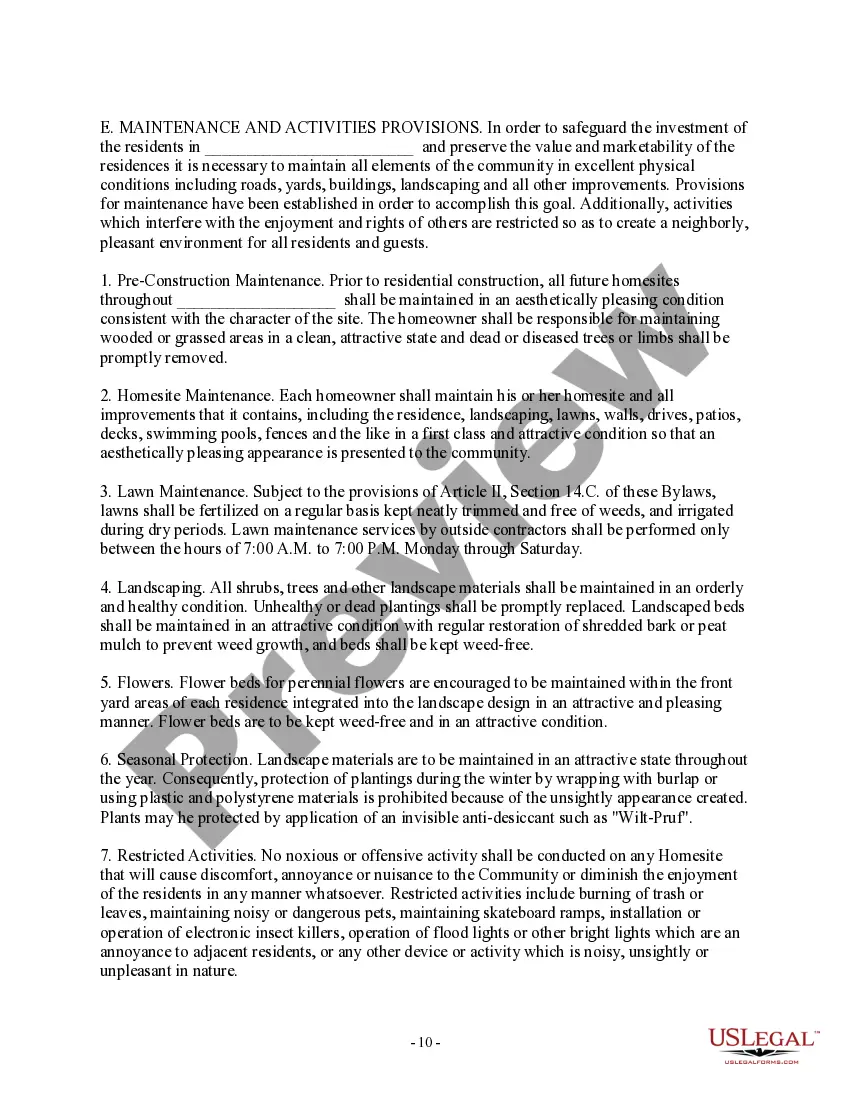


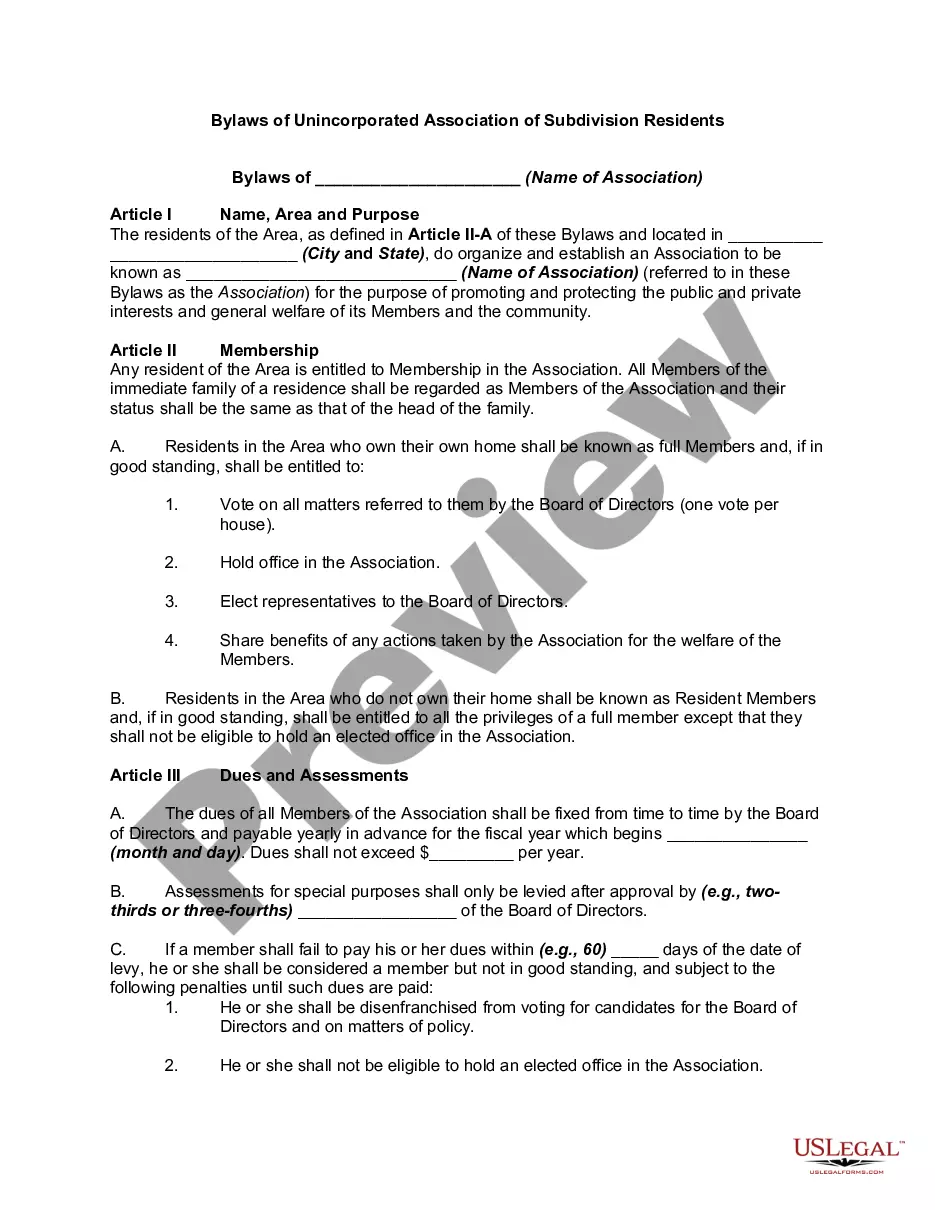
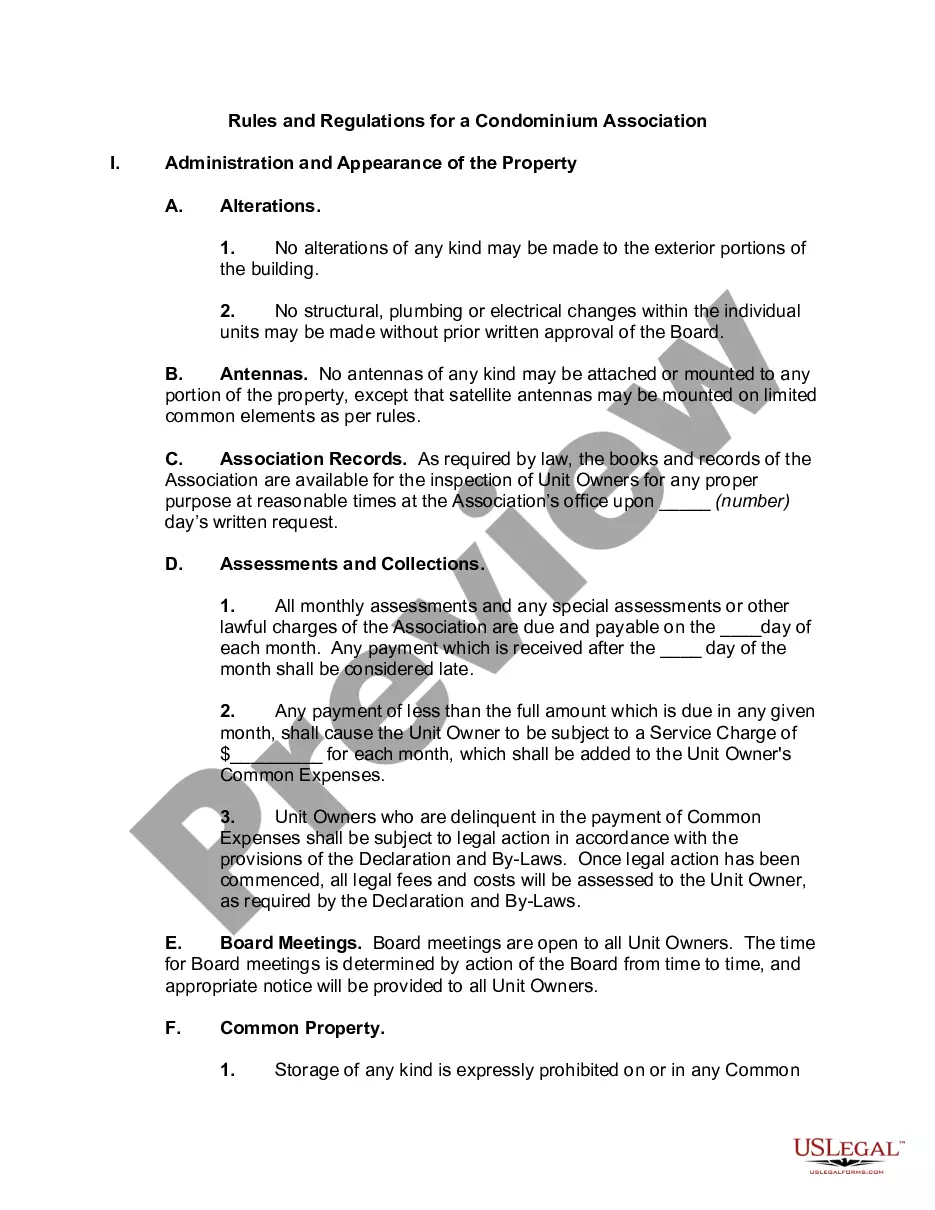

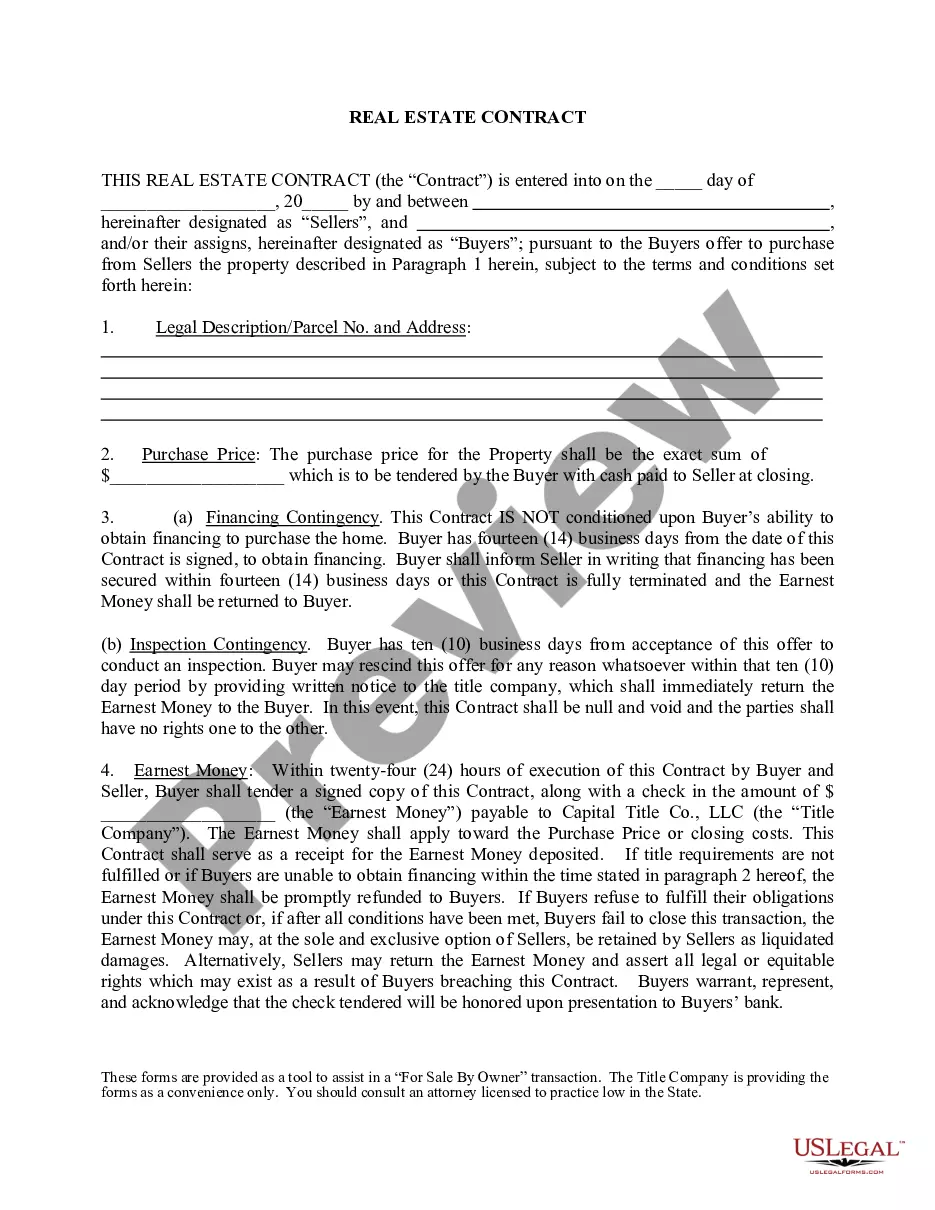
Get your form ready online
Our built-in tools help you complete, sign, share, and store your documents in one place.
Make edits, fill in missing information, and update formatting in US Legal Forms—just like you would in MS Word.
Download a copy, print it, send it by email, or mail it via USPS—whatever works best for your next step.
Sign and collect signatures with our SignNow integration. Send to multiple recipients, set reminders, and more. Go Premium to unlock E-Sign.
If this form requires notarization, complete it online through a secure video call—no need to meet a notary in person or wait for an appointment.
We protect your documents and personal data by following strict security and privacy standards.

Make edits, fill in missing information, and update formatting in US Legal Forms—just like you would in MS Word.

Download a copy, print it, send it by email, or mail it via USPS—whatever works best for your next step.

Sign and collect signatures with our SignNow integration. Send to multiple recipients, set reminders, and more. Go Premium to unlock E-Sign.

If this form requires notarization, complete it online through a secure video call—no need to meet a notary in person or wait for an appointment.

We protect your documents and personal data by following strict security and privacy standards.
Looking for another form?







Form popularity
FAQ
Chapter 720 of the Florida Statutes governs homeowners' associations (HOAs) in Florida. Unlike iniums or cooperatives, homeowners' associations typically govern single-family homes in a specific development or community.
Florida homeowner associations have the authority to regulate common areas, collect charges to maintain these areas, enforce community covenants, and impose fines or liens against non-compliant homeowners, all within the limits of Florida law and their own governing documents.
Residents may file a inium/Cooperative Complaint Form (PDF) directly with the Division of Florida iniums, Timeshares and Mobile Homes. Hardcopies of the form can be obtained by calling 1.800. 226.9101 or 850.488. 1122.
Tenant/Landlord Law in Florida is regulated by the Florida Department of Agricultural and Consumer Services. For an overview of the law and information on how to file a complaint go to: Landlord/Tenant Law in FL: .
Homeowners associations in Florida can generally restrict or prohibit rentals. If an HOA wishes to amend its declaration to include rental restrictions, the amendment shall only apply to owners who acquire the title to the parcel after July 1, 2021, or to owners who consent to the amendment.
HOA/Condo laws in Florida allow HOAs considerable discretion in approving or denying potential buyers and renters. While associations can apply the screening process to deny buyers and renters, the decision cannot be discriminatory or violate the Fair Housing Act.
Tenants in Florida have specific rights to ensure fair and safe living conditions. Their main rights include the following: Habitable property: Living in a habitable property that meets local housing and health codes. Non-discriminatory housing: Seeking housing without discrimination from prospective landlords.
The state of Florida does not impose any limits on how much you can increase the rent or how frequently you can do so.
Landlords use the 3X rent rule as a risk management tool to ensure that tenants are financially capable of handling their rent and living expenses. By requiring that tenants' gross monthly income is at least three times the rent, landlords reduce the likelihood of missed or late payments.
