Condo Association Rules For Renting In California
Description




Get your form ready online
Our built-in tools help you complete, sign, share, and store your documents in one place.
Make edits, fill in missing information, and update formatting in US Legal Forms—just like you would in MS Word.
Download a copy, print it, send it by email, or mail it via USPS—whatever works best for your next step.
Sign and collect signatures with our SignNow integration. Send to multiple recipients, set reminders, and more. Go Premium to unlock E-Sign.
If this form requires notarization, complete it online through a secure video call—no need to meet a notary in person or wait for an appointment.
We protect your documents and personal data by following strict security and privacy standards.

Make edits, fill in missing information, and update formatting in US Legal Forms—just like you would in MS Word.

Download a copy, print it, send it by email, or mail it via USPS—whatever works best for your next step.

Sign and collect signatures with our SignNow integration. Send to multiple recipients, set reminders, and more. Go Premium to unlock E-Sign.

If this form requires notarization, complete it online through a secure video call—no need to meet a notary in person or wait for an appointment.

We protect your documents and personal data by following strict security and privacy standards.
Looking for another form?






Form popularity
FAQ
Any rental unit built after 2/1/95, as well as houses and condos, are not under rent restrictions. Even where these rent restrictions do not apply, eviction protections do continue.
A wave of new legislation strengthening tenant protections in California goes into effect in 2024. These laws limit evictions, cap security deposits, extend rent control, and make it easier for tenants to fight back against landlords trying to skirt housing regulations.
California Landlord Tenant Rental Laws & Rights for 2024 Key rights include limits on rent increases through state and local rent control ordinances, just cause eviction requirements, and the right to a habitable living space.
Code § 4160.) The majority of the rights granted to members under the association's governing documents or the Davis-Stirling Act therefore do not extend to renters, nor may they be validly transferred to renters.
The new California law puts a statewide ceiling on rent hikes each year. Rent can go up 5% plus the local rate of inflation. But no more than 10% maximum in a 12-month period. It applies to most rental units built over 15 years ago.
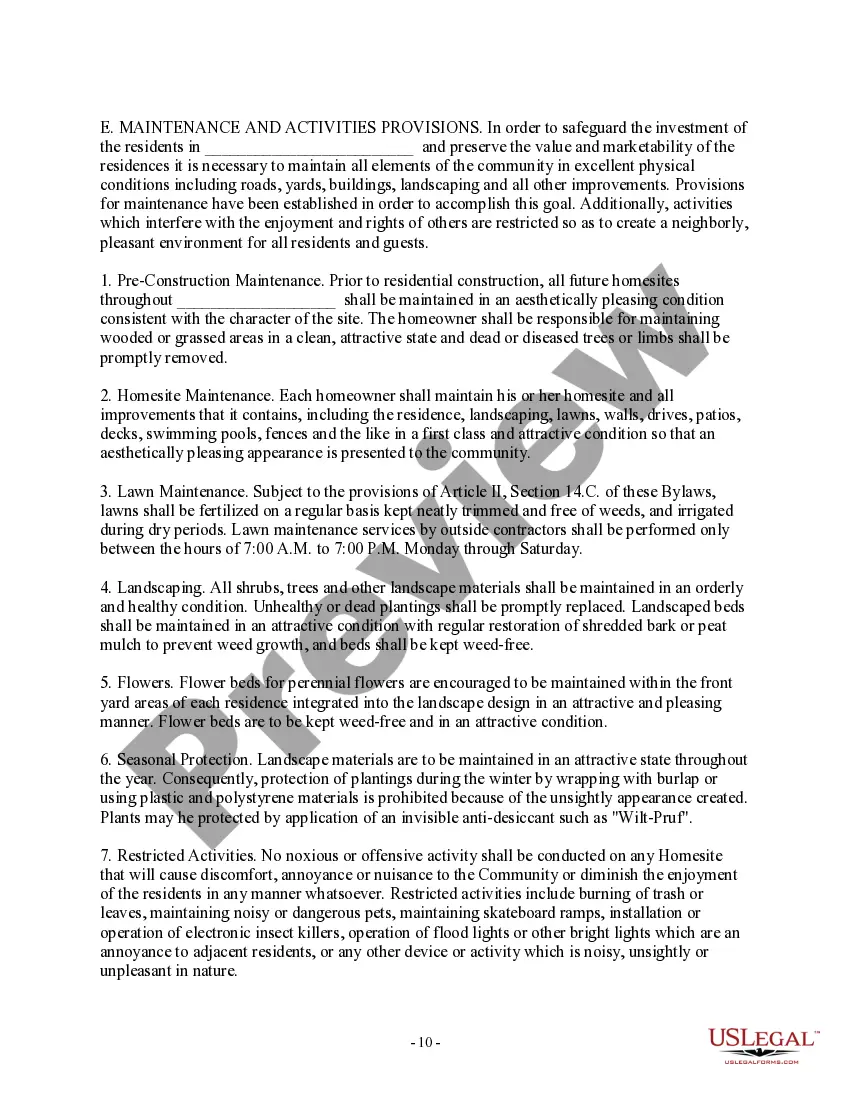
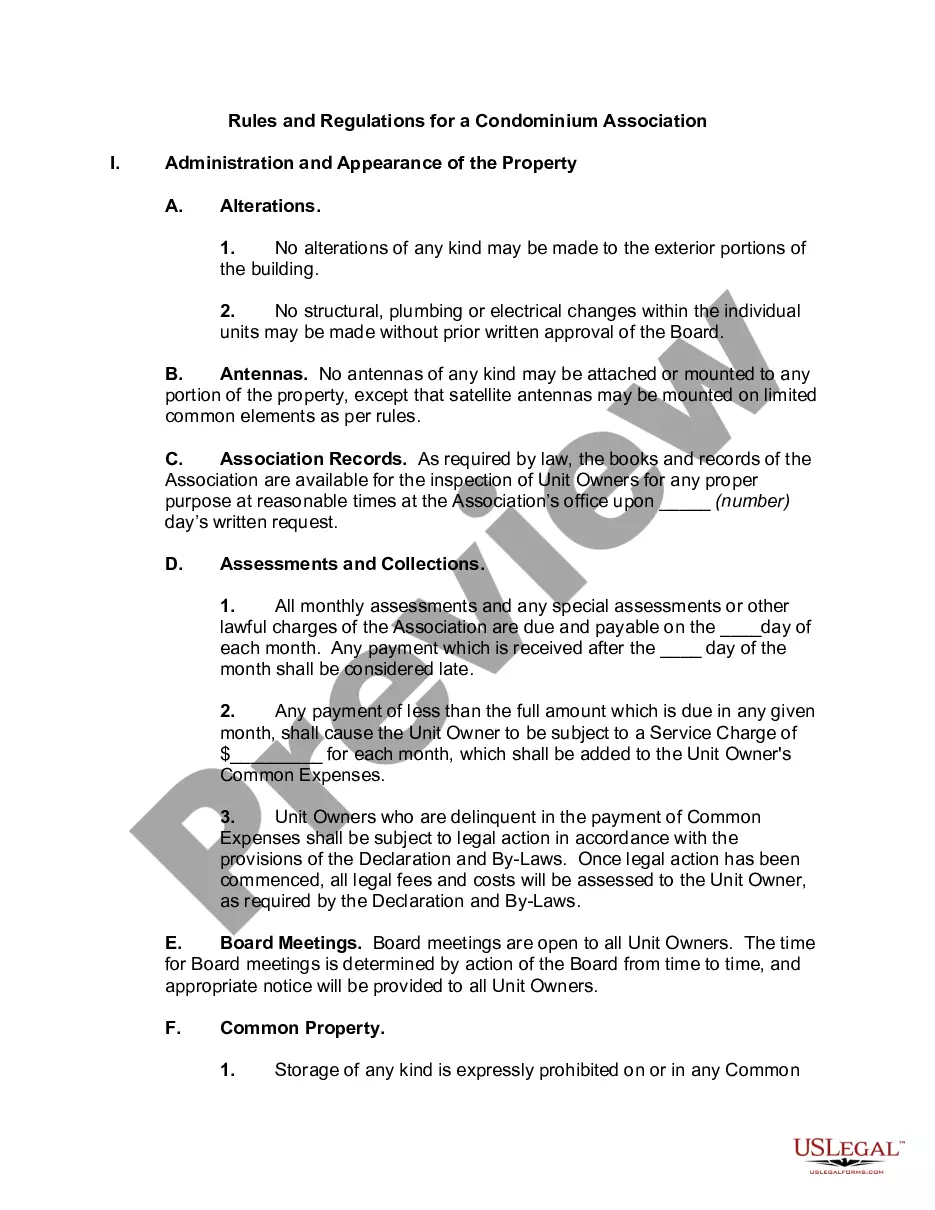
This restriction is less common but may be implemented in communities that value owner-occupancy. In California, however, Civil Code Section 4741 does not allow HOAs to prohibit or unreasonably restrict owners from renting out their homes.
Specifically, HOAs can't enforce rental caps that limit rentals to less than 25% of the units, nor can they impose upfront fees to lease a property. By limiting rental caps, AB 3182 aims to increase the availability of rental housing in California.
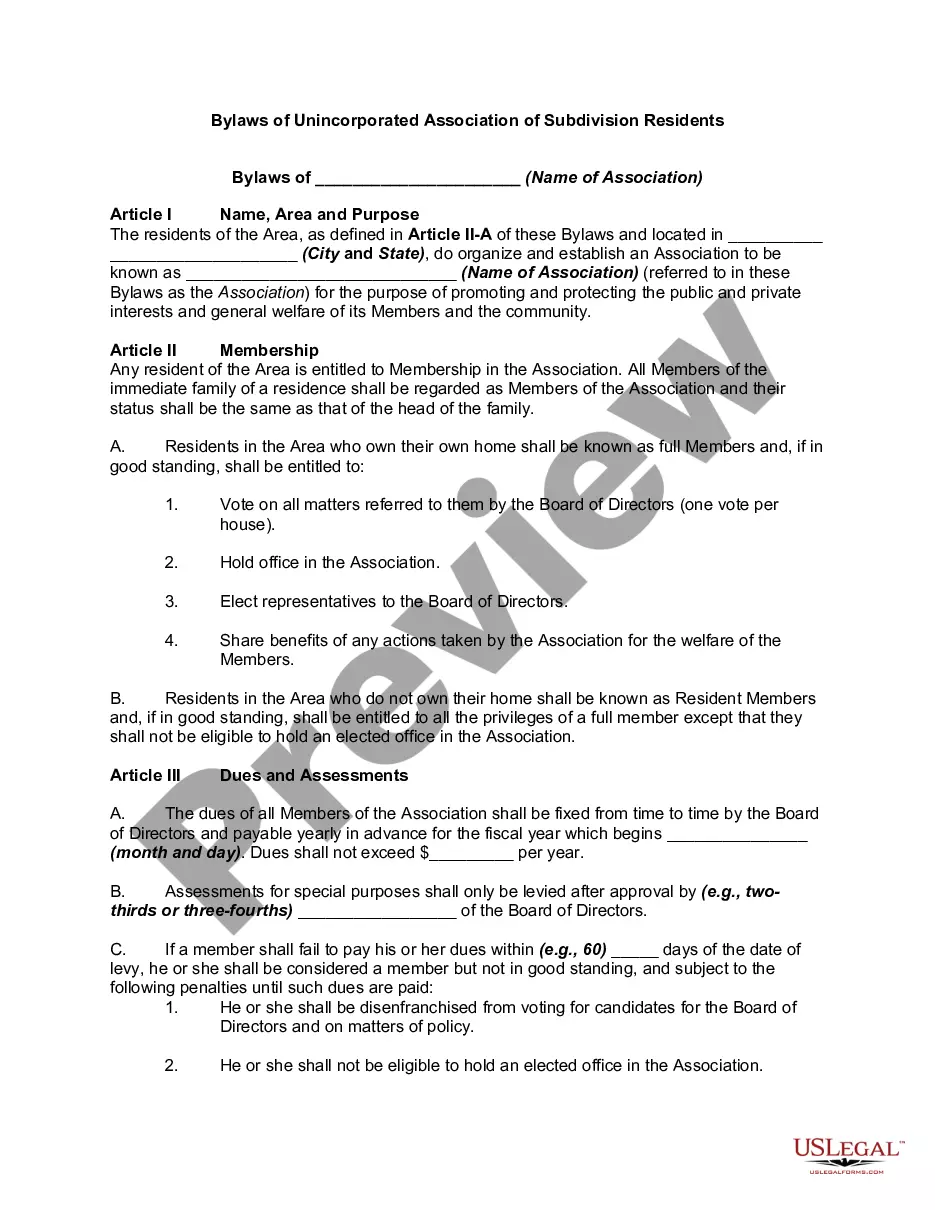
An HOA has the authority to enforce the rules and regulations of the community using the community rules, or “bylaws and covenants.” These rules are considered “agreed upon” since homeowners approve them through board-elected representatives.
Any rental unit built after 2/1/95, as well as houses and condos, are not under rent restrictions. Even where these rent restrictions do not apply, eviction protections do continue.
