Condominium Bylaws And Declarations In Bronx
Description

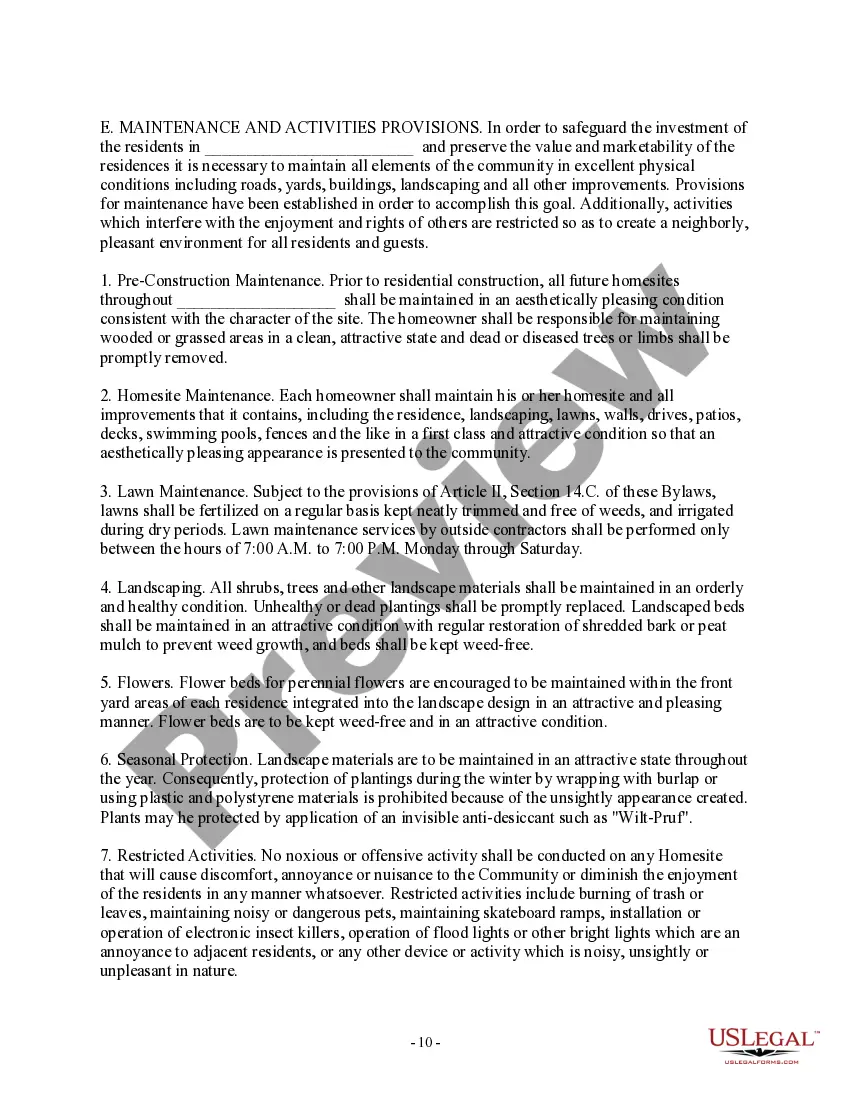


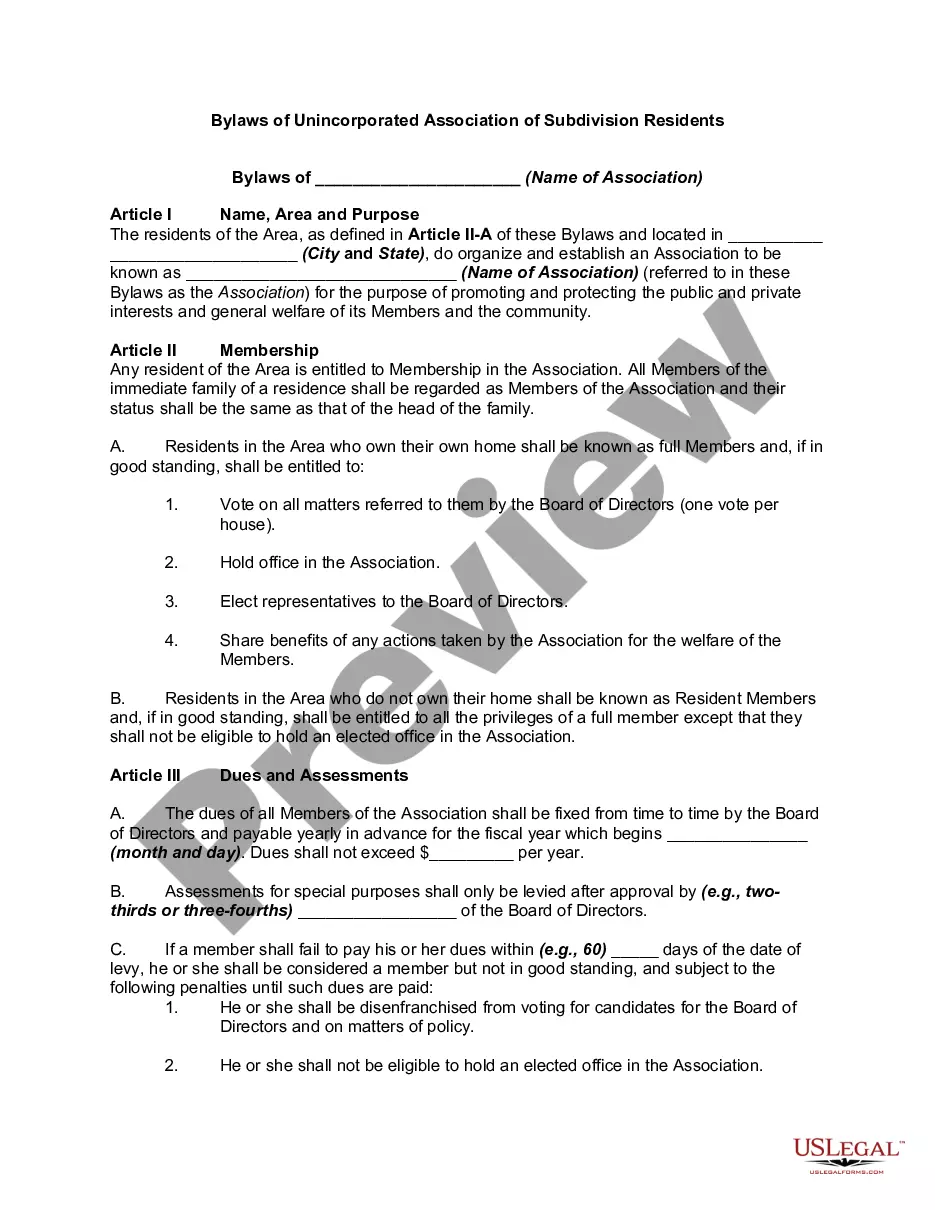
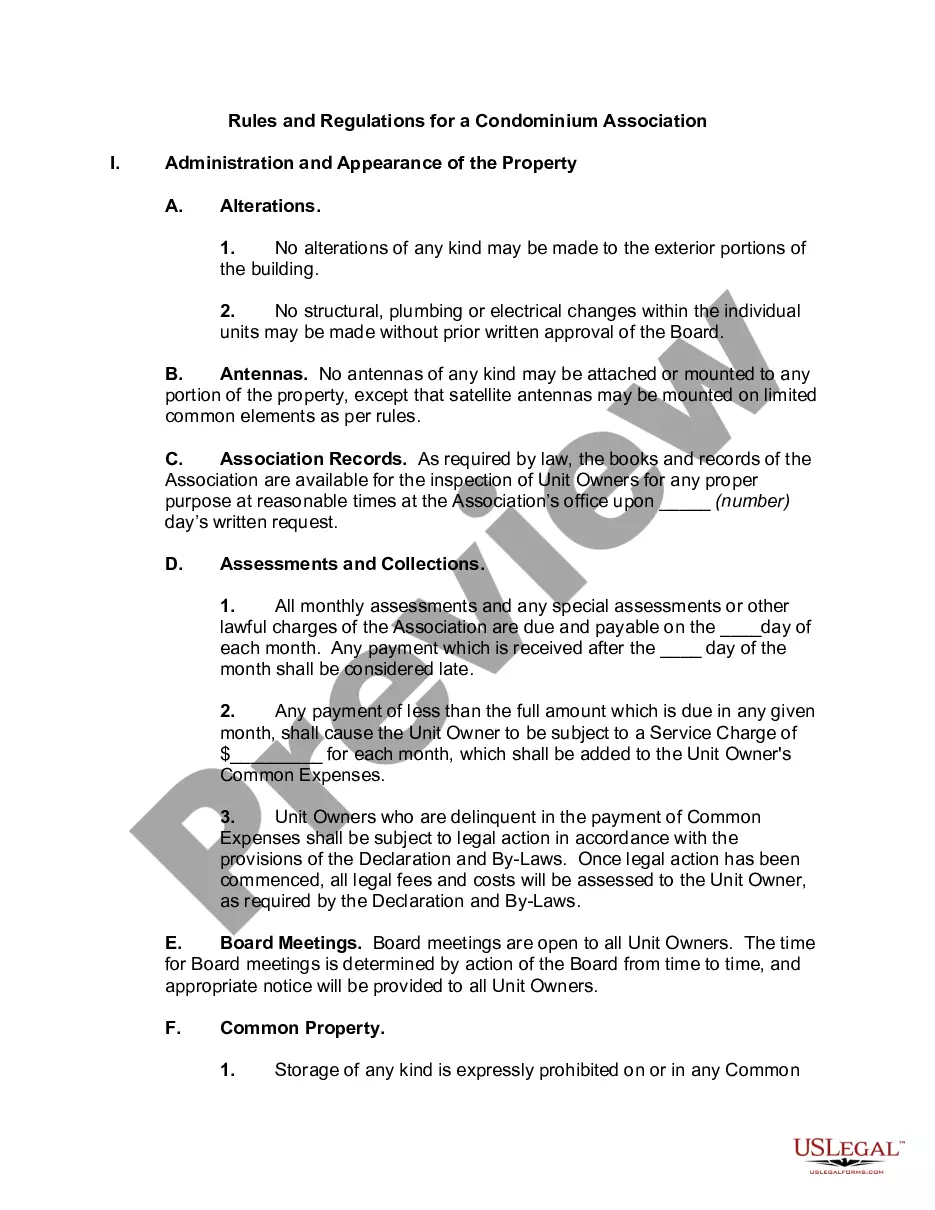

Get your form ready online
Our built-in tools help you complete, sign, share, and store your documents in one place.
Make edits, fill in missing information, and update formatting in US Legal Forms—just like you would in MS Word.
Download a copy, print it, send it by email, or mail it via USPS—whatever works best for your next step.
Sign and collect signatures with our SignNow integration. Send to multiple recipients, set reminders, and more. Go Premium to unlock E-Sign.
If this form requires notarization, complete it online through a secure video call—no need to meet a notary in person or wait for an appointment.
We protect your documents and personal data by following strict security and privacy standards.

Make edits, fill in missing information, and update formatting in US Legal Forms—just like you would in MS Word.

Download a copy, print it, send it by email, or mail it via USPS—whatever works best for your next step.

Sign and collect signatures with our SignNow integration. Send to multiple recipients, set reminders, and more. Go Premium to unlock E-Sign.

If this form requires notarization, complete it online through a secure video call—no need to meet a notary in person or wait for an appointment.

We protect your documents and personal data by following strict security and privacy standards.
Looking for another form?








Form popularity
FAQ
It is typically created by the developer of the inium and is recorded with the local government as a part of the inium's legal documents.
The bylaws go into detail about individual roles, terms, how to elect the President, and may list board powers one by one. The Declarations define the use and occupancy rules of the units and common areas. Condo bylaws outline the remedies for breach of these rules.
The Declaration of Covenants, Conditions and Restrictions, or “CC&Rs”, is the primary and most important governing document for a inium or planned development, and is required for all iniums and planned developments.
Generally speaking, the declaration is the document that creates the inium. The bylaws spell out the day-to-day operations of the association. If your association is more than 10 years old and the bylaws have remained unchanged, board members may want to consider making updates.
As a condo owner, you have the right to request and view all of the following documents: The condo association's governing documents, Financial reports, Annual budgets, Board meeting minutes, Vendor contracts, Reserve accounts statements, and. Insurance policies.
Ultimately, one of the main purposes of a condo association is to ensure your safety and convenience, as well as that of the other unit owners and residents in your complex or building. Another objective is maintaining property values so the community continues to be a good investment.
An HOA's governing documents are usually in the form of a Declaration of Covenants, Conditions, and Restrictions (CC&Rs) and bylaws. The CC&Rs explain the rules of the HOA community, while the bylaws cover how the HOA operates.
A condo declaration is a legal document that outlines the rules and regulations governing a inium development. It is typically created by the developer of the inium and is recorded with the local government as a part of the inium's legal documents.
Bylaws state when the meetings of the association are held. Standing rules tell where and what time association meetings are held, and when executive board meetings are held. Bylaws give the primary responsibilities of officers and chairmen. Standing rules give the specifics.
