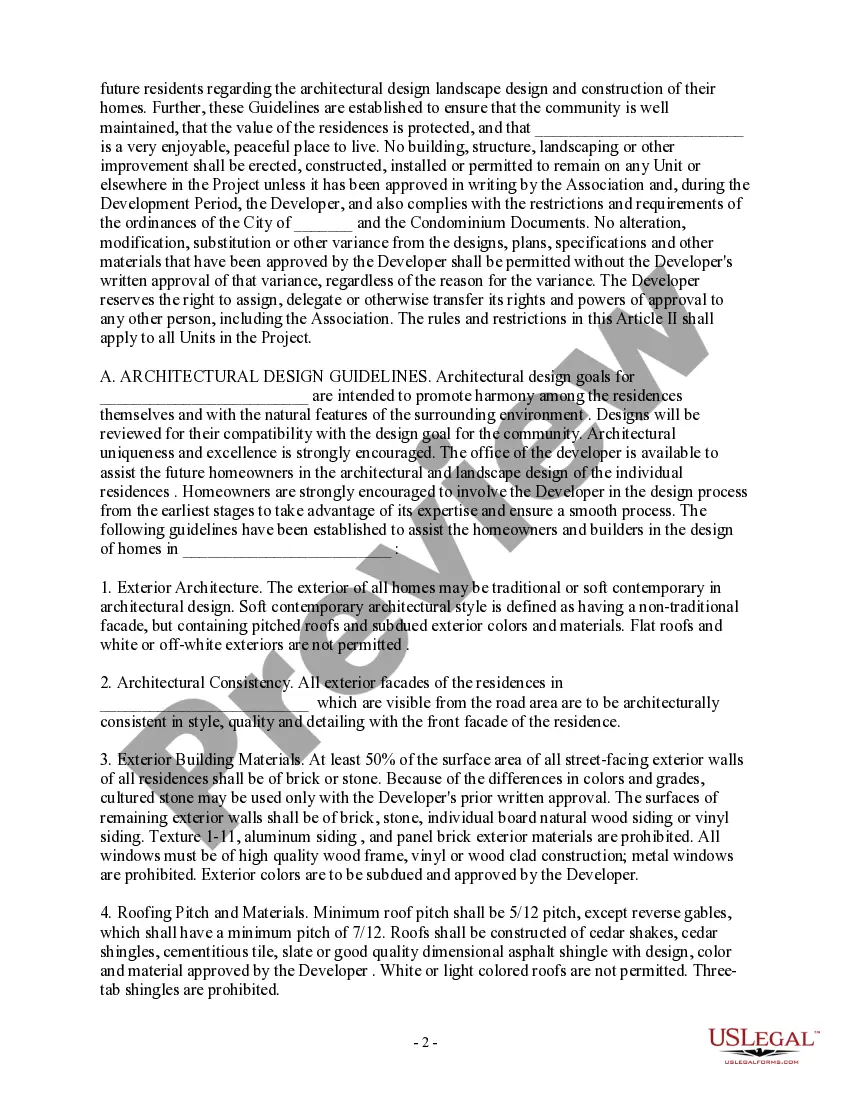
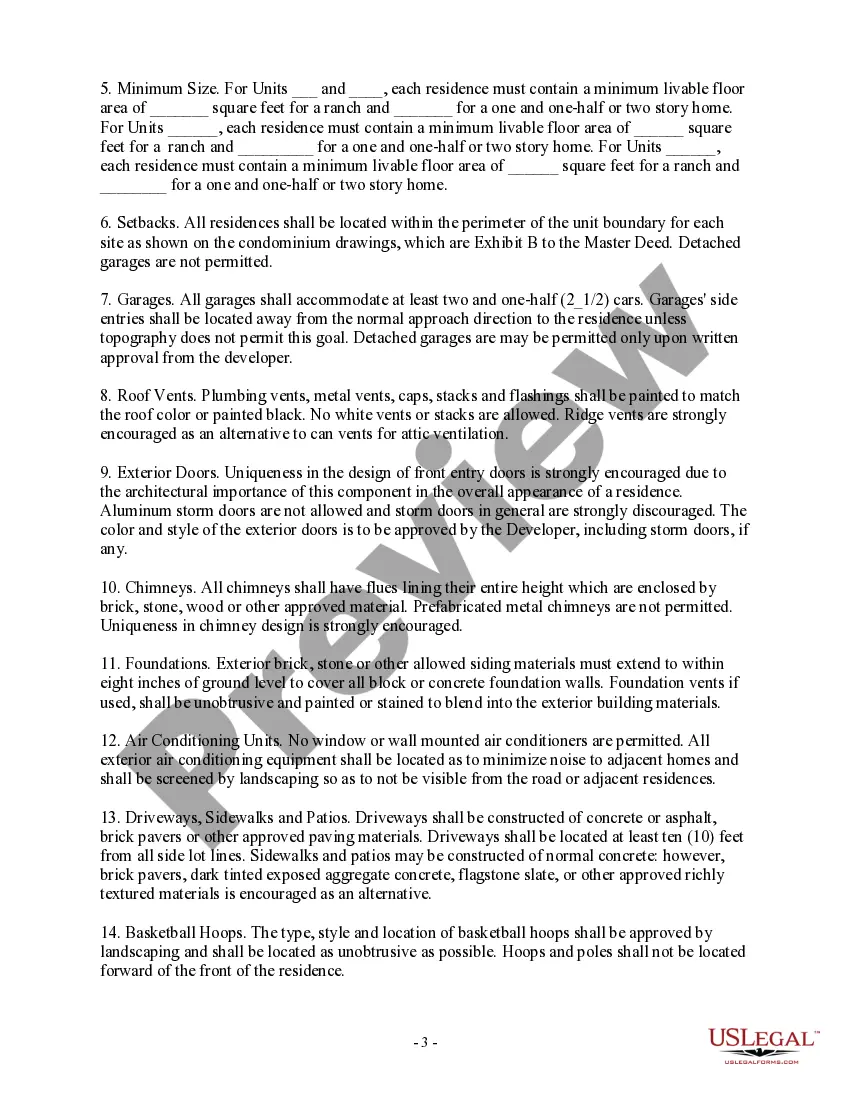
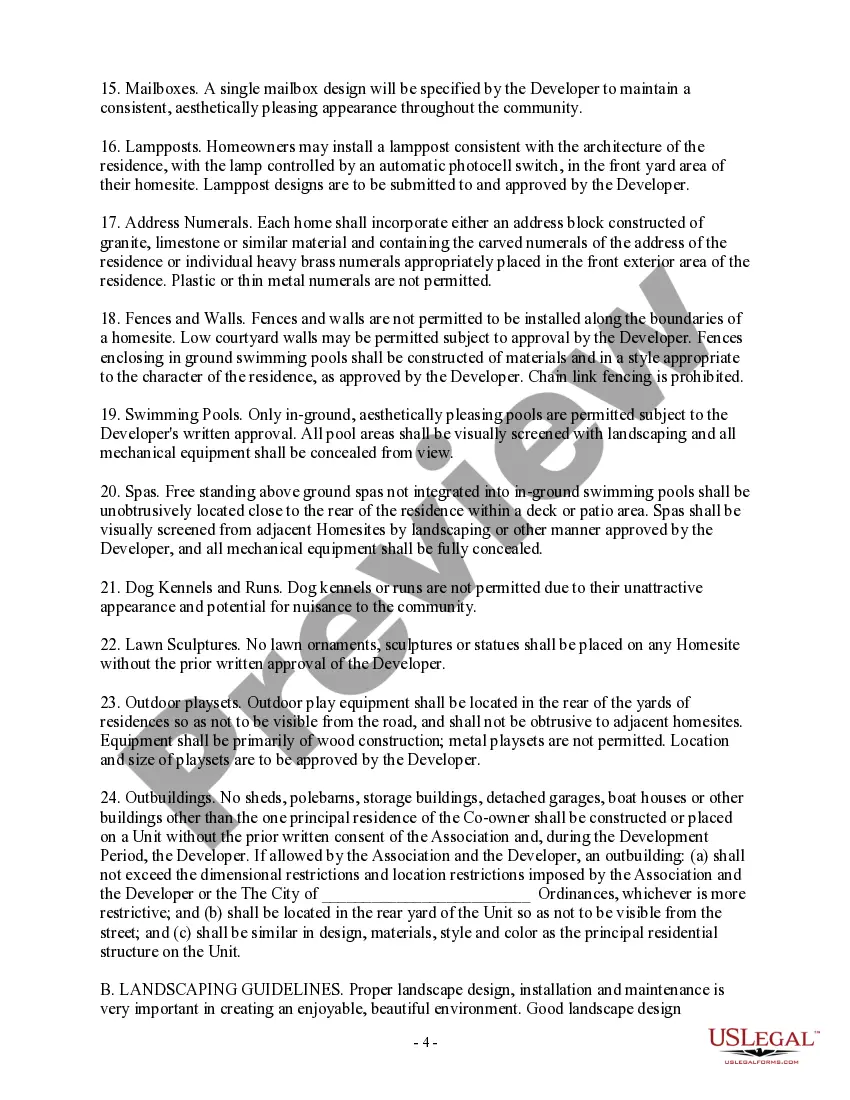
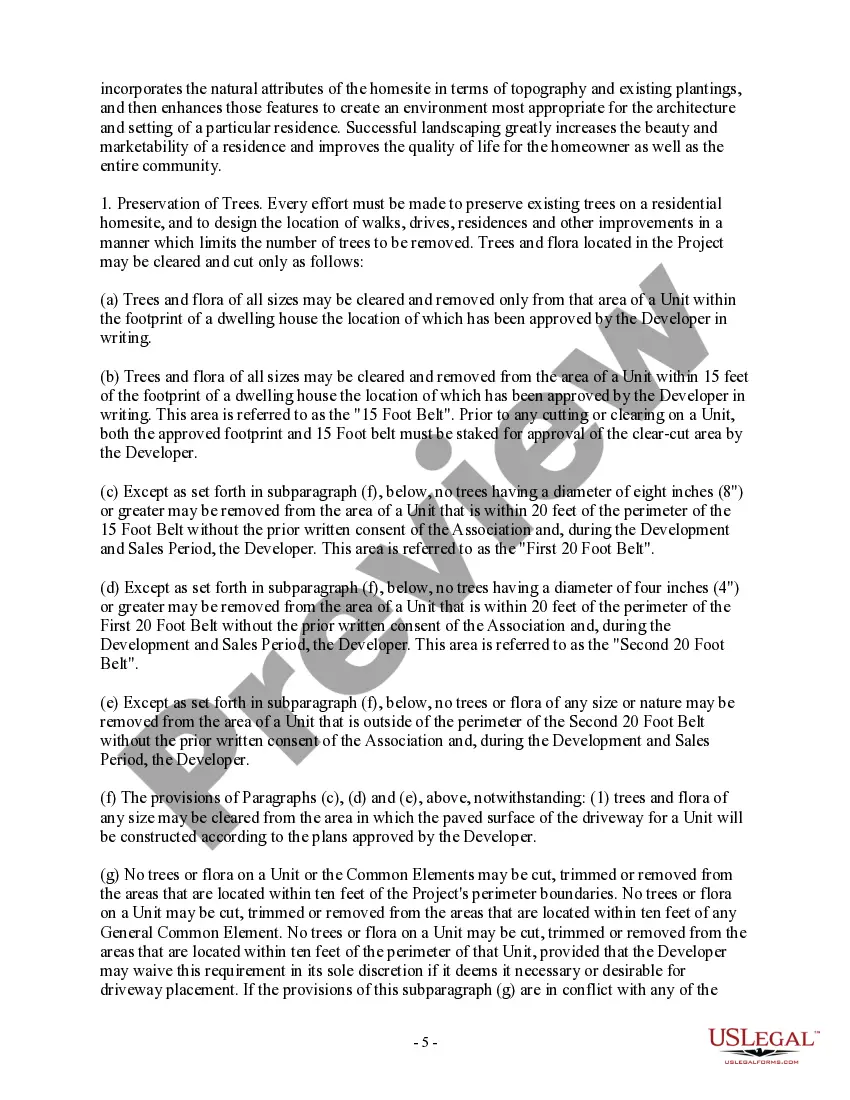
Bylaws Condo Association With Hoa In Bronx
Description

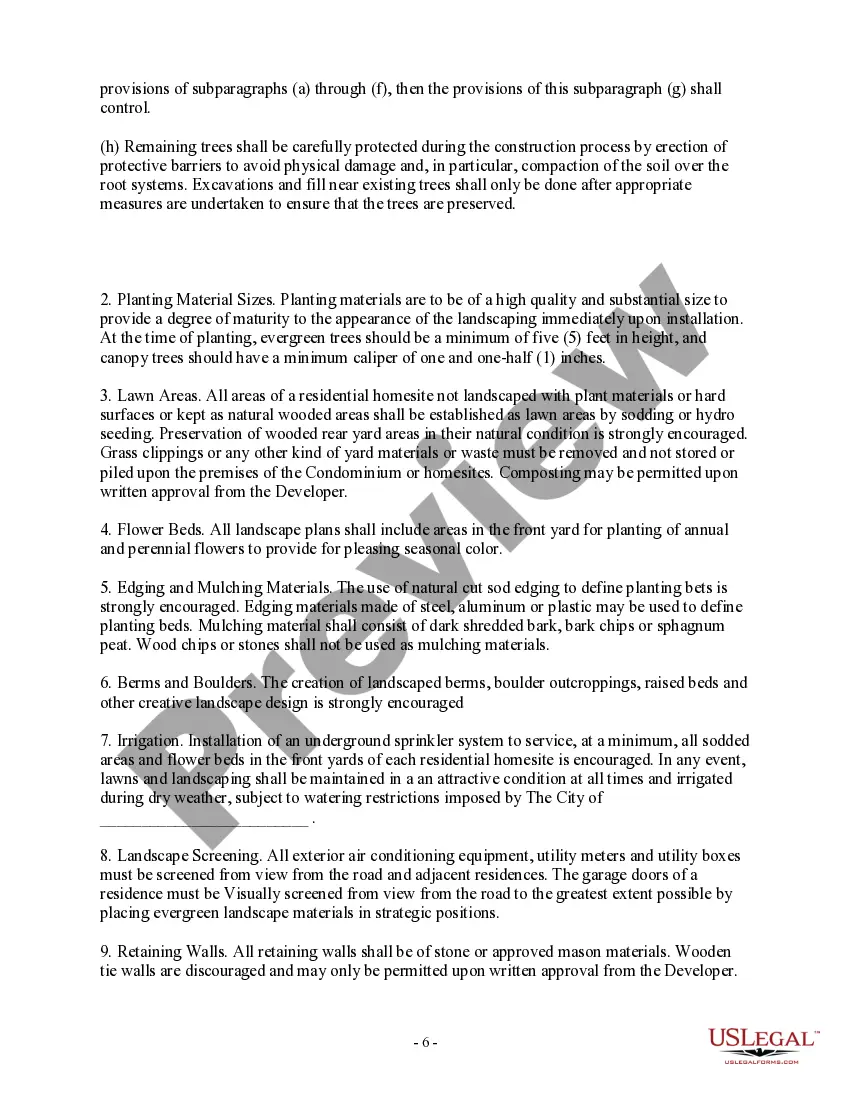
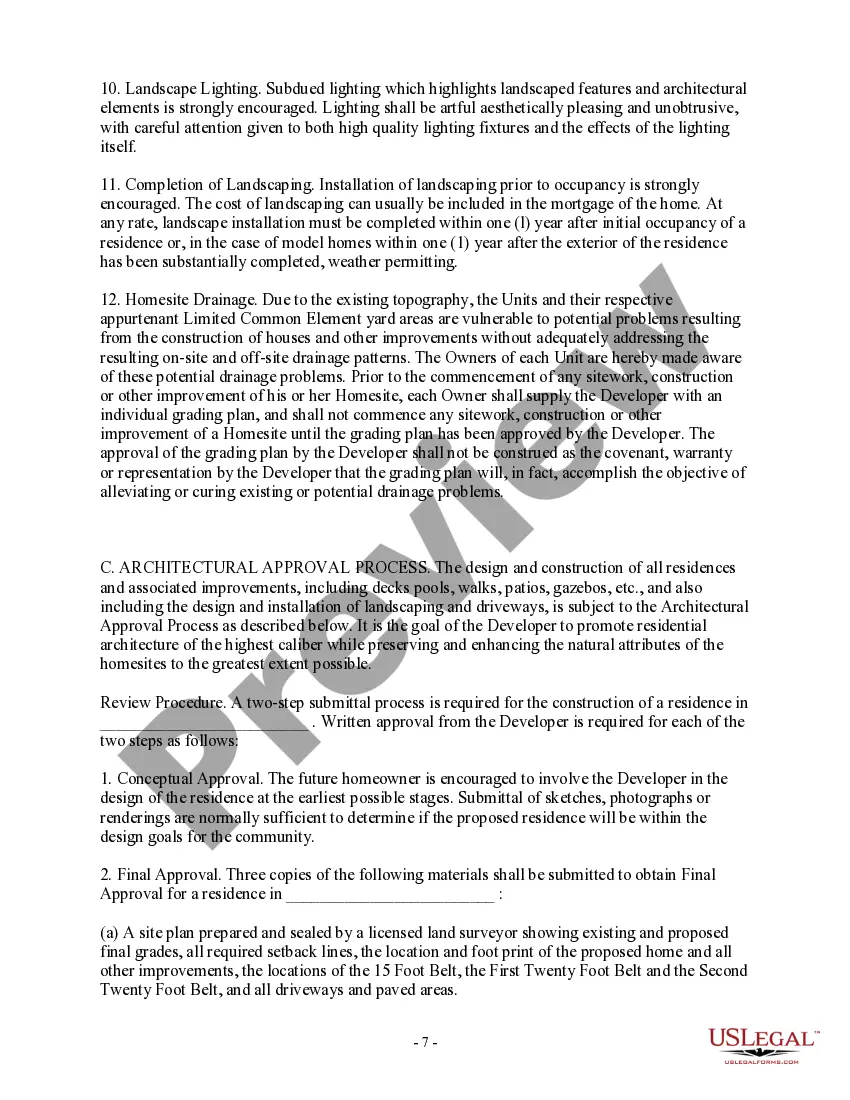
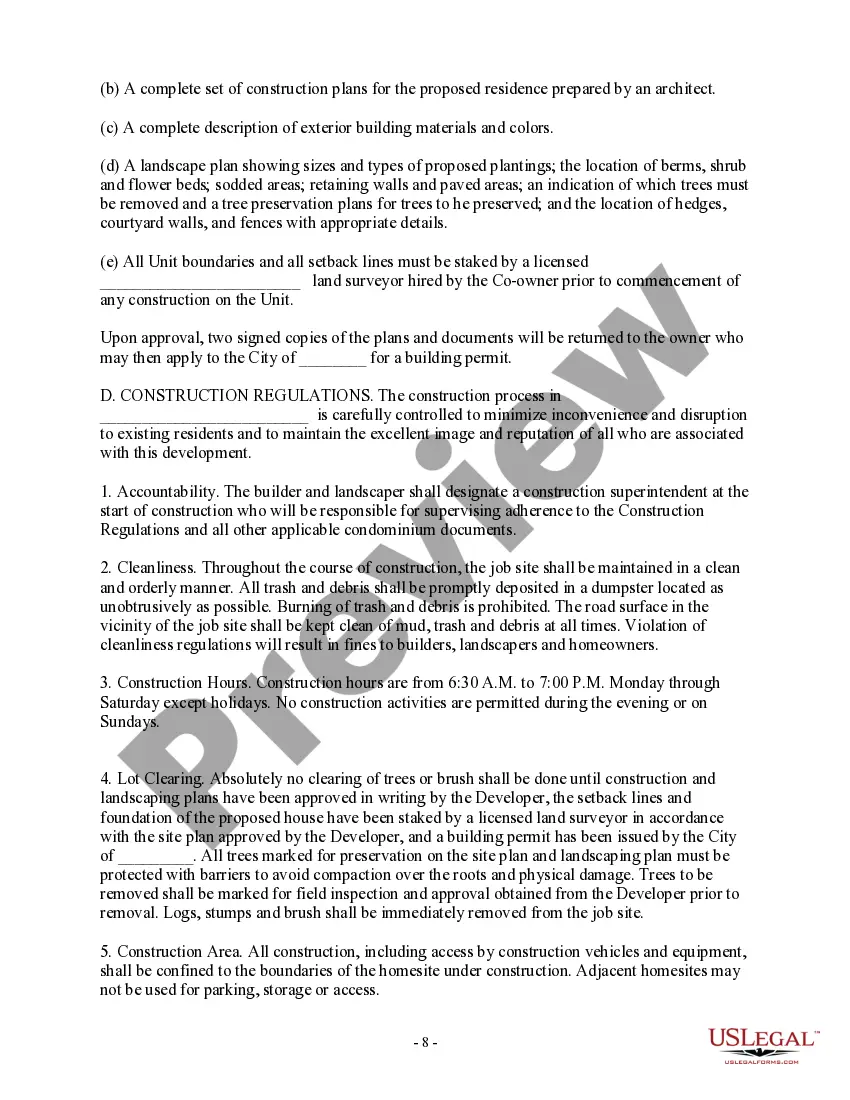
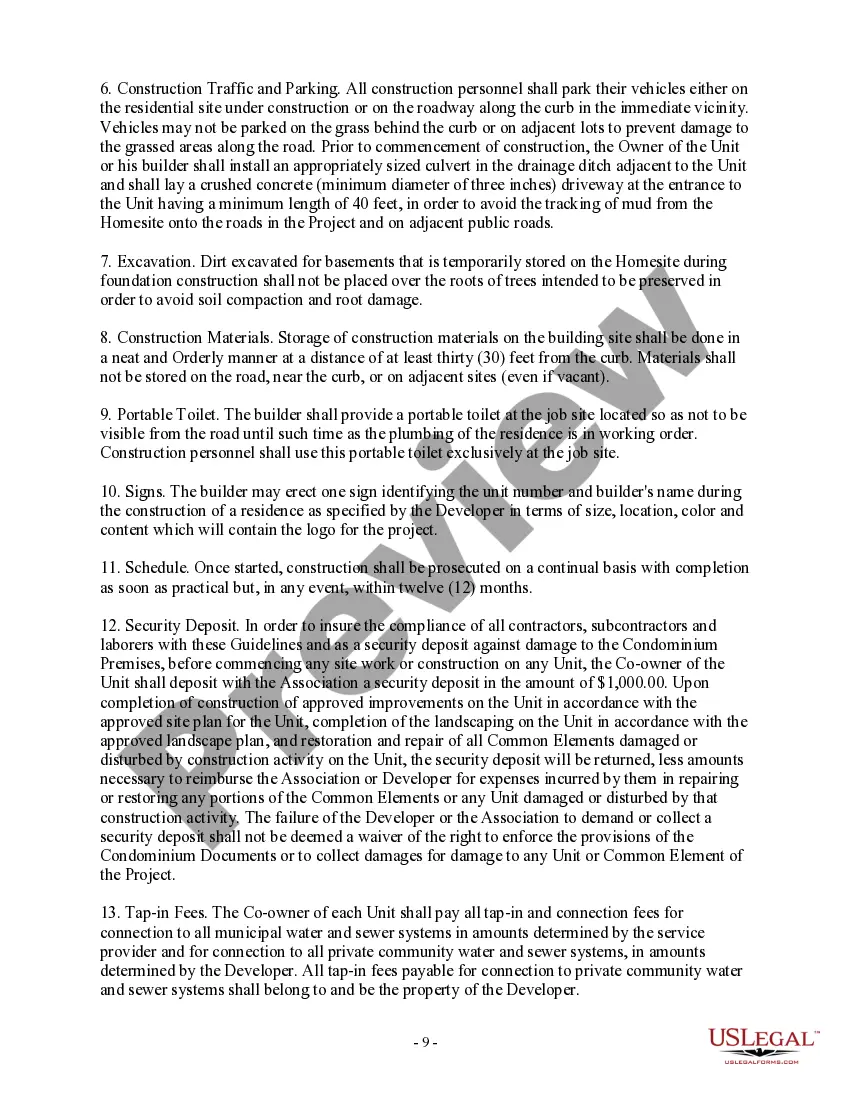
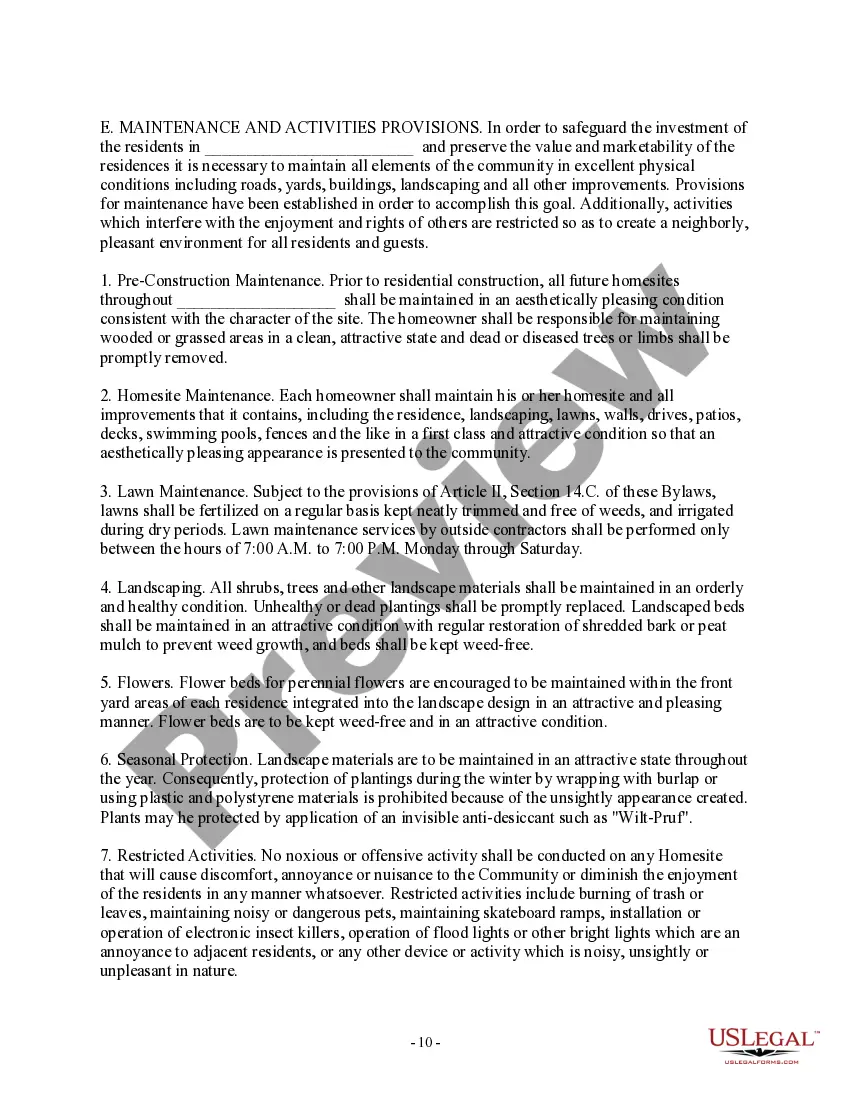


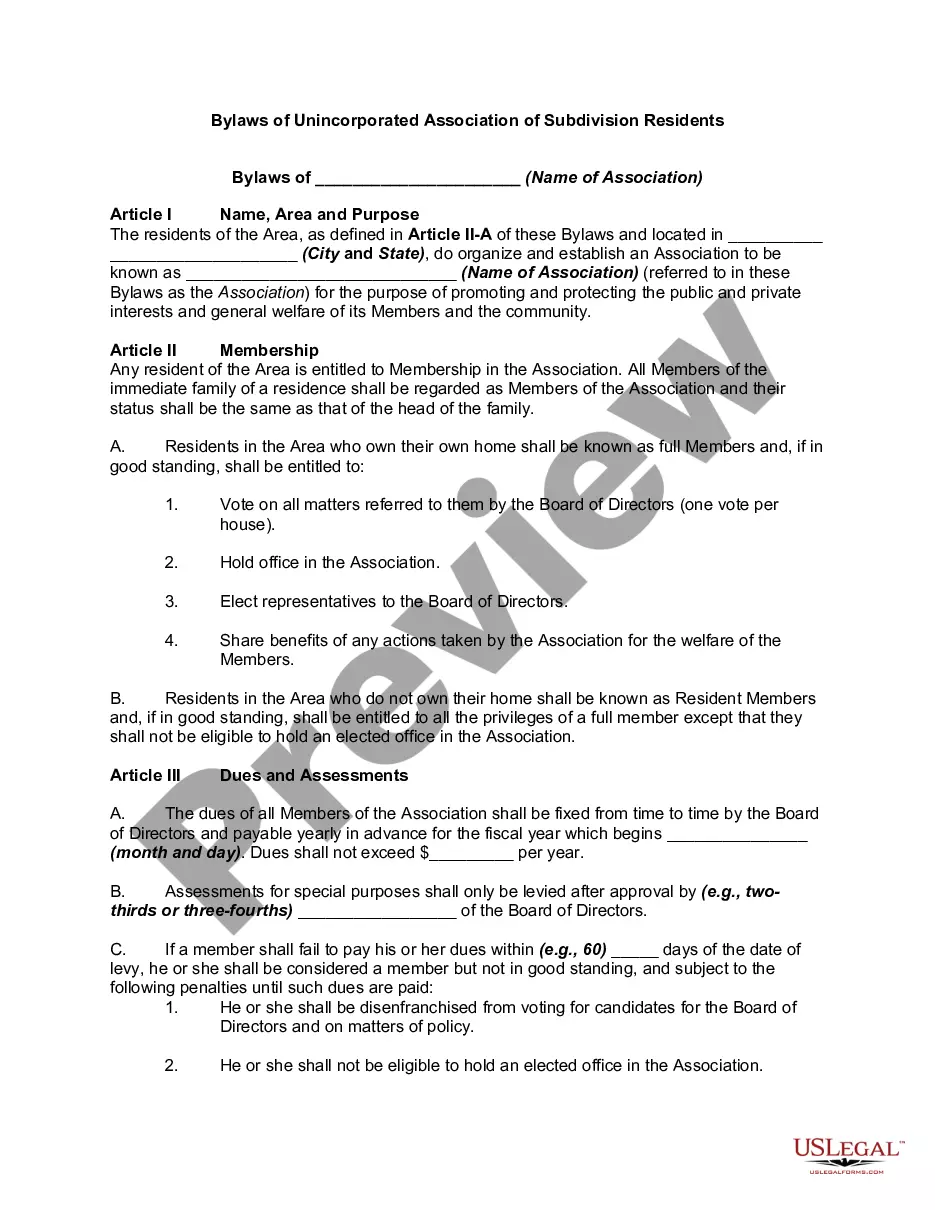
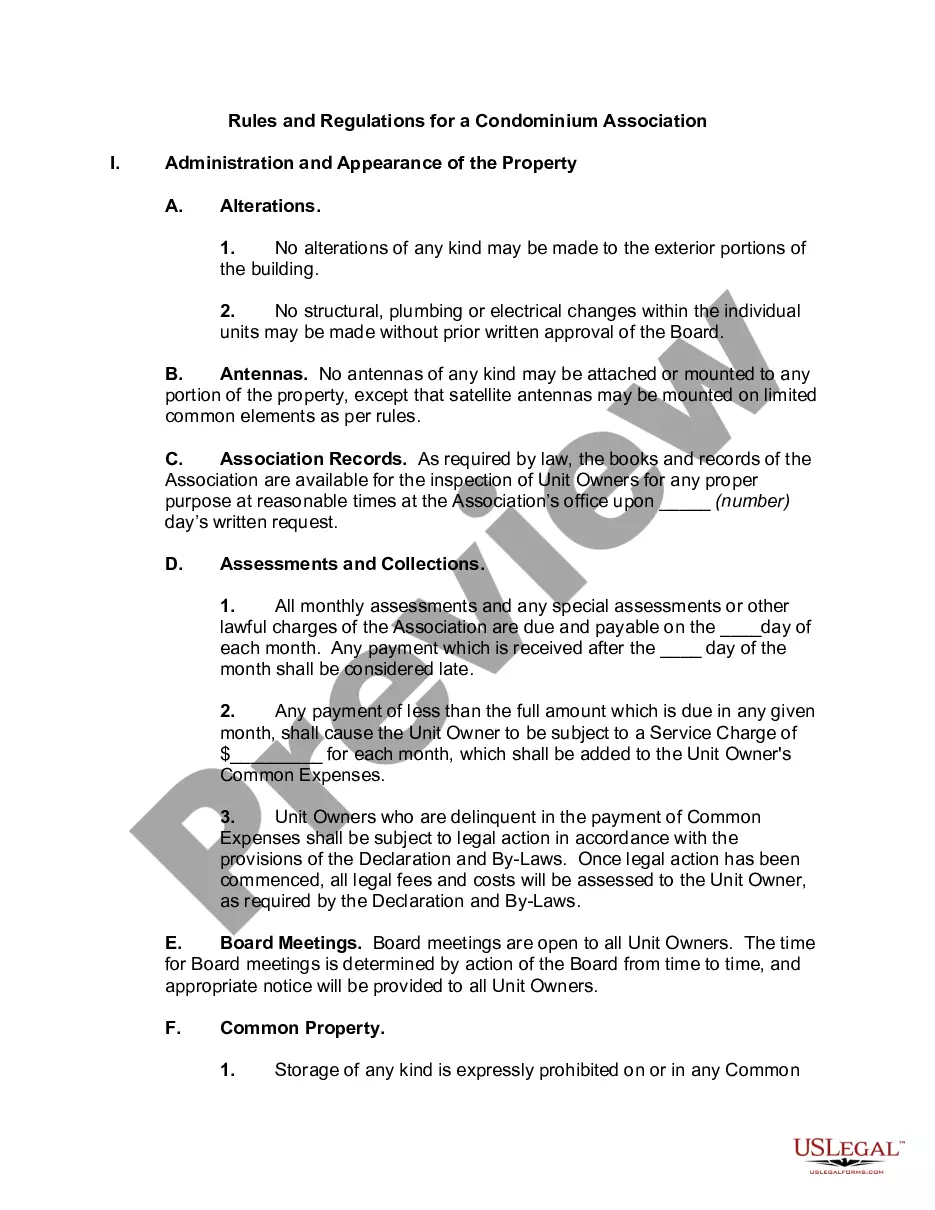
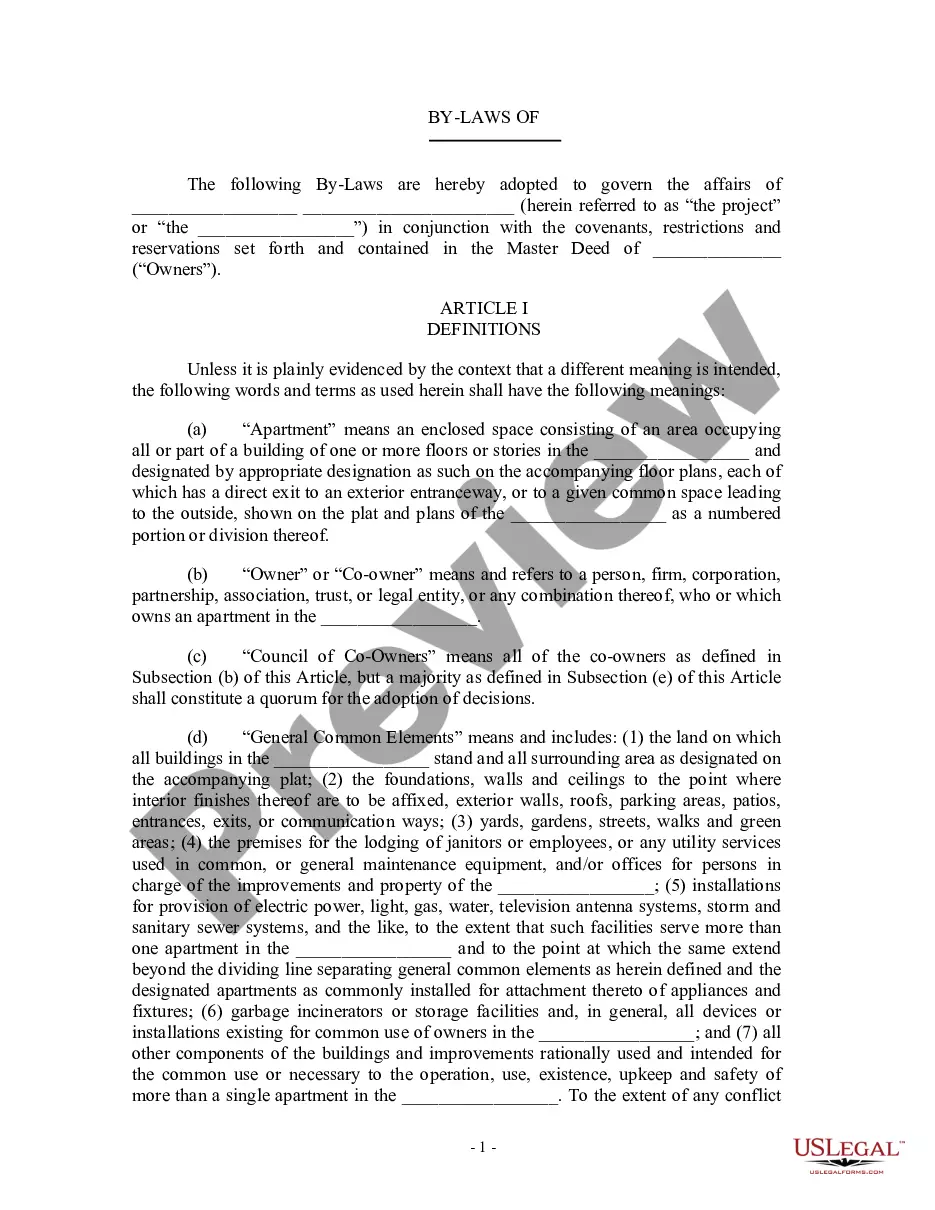
Get your form ready online
Our built-in tools help you complete, sign, share, and store your documents in one place.
Make edits, fill in missing information, and update formatting in US Legal Forms—just like you would in MS Word.
Download a copy, print it, send it by email, or mail it via USPS—whatever works best for your next step.
Sign and collect signatures with our SignNow integration. Send to multiple recipients, set reminders, and more. Go Premium to unlock E-Sign.
If this form requires notarization, complete it online through a secure video call—no need to meet a notary in person or wait for an appointment.
We protect your documents and personal data by following strict security and privacy standards.

Make edits, fill in missing information, and update formatting in US Legal Forms—just like you would in MS Word.

Download a copy, print it, send it by email, or mail it via USPS—whatever works best for your next step.

Sign and collect signatures with our SignNow integration. Send to multiple recipients, set reminders, and more. Go Premium to unlock E-Sign.

If this form requires notarization, complete it online through a secure video call—no need to meet a notary in person or wait for an appointment.

We protect your documents and personal data by following strict security and privacy standards.
Looking for another form?








Form popularity
FAQ
Property taxes in NYC are either collected semi-annually or quarterly, and it's determined by the tax amount: Semi-annually for more than $250,000 in property taxes and quarterly for less than $250,000 in property taxes. Neither HOA fees nor condo common charges covers property taxes.
The local law supersedes the rules and regulations of the HOA, meaning that HOAs must ensure they are operating under the law.
Once you buy a home that's part of an HOA, you automatically become a member of the HOA. HOA rules are legally binding, and you must adhere to all rules and regulations in the governing document. Yes, there are bylaws that you may not like, but there are no HOA loopholes.
No, there is not a way to ``leave the HOA'' without moving. The HOA covenants are tied to the property permanently.
To have a pleasant condo living experience, keep in mind these legal rights for condo owners. The Right to Access Condo Documents. The Right to Equality and Non-Discrimination. The Right to Notice and Meetings. The Right to Run and Vote During Elections. The Right to Protest.
To comply with New York law, there are three primary pathways to establish an HOA: obtaining a no-action letter under 13 NYCRR Section 22.8, utilizing the Cooperative Policy Statement No. 7 (CPS-7), or filing an offering plan pursuant to 13 NYCRR Part 22 (Part 22).
The best way to strategize on short-term rental restrictions is to speak to a board member. At the same time, you can consult the CC&Rs' (Covenants, conditions, and restrictions) advice. Knowing the potential risks of getting around HOA's restrictions is important. And we highly recommend doing it the legal way.
Property taxes in NYC are either collected semi-annually or quarterly, and it's determined by the tax amount: Semi-annually for more than $250,000 in property taxes and quarterly for less than $250,000 in property taxes. Neither HOA fees nor condo common charges covers property taxes.
Key Takeaways: HOAs Cannot Directly Evict Tenants – While HOAs enforce rules and maintain community standards, they cannot directly evict tenants. However, rule violations, unpaid fees, or legal actions initiated by the HOA can impact the property owner, potentially leading to eviction through the landlord.
Inium is a Latin word that means "Owning property together." That's what it is like when someone buys a condo unit. They have an "interest" in the land beneath the building, but the building's association owns the actual land.
