Educational Assistance Employees With Mental Health Issues In Travis
Description

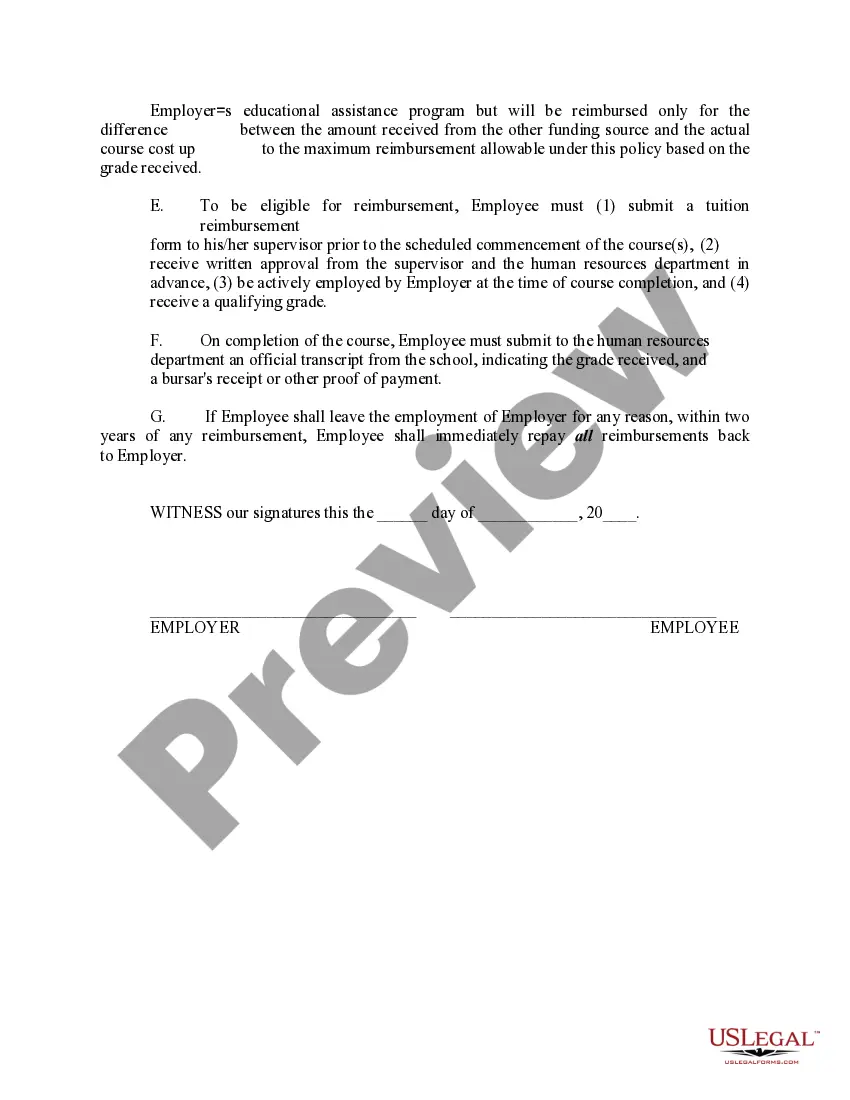
Get your form ready online
Our built-in tools help you complete, sign, share, and store your documents in one place.
Make edits, fill in missing information, and update formatting in US Legal Forms—just like you would in MS Word.
Download a copy, print it, send it by email, or mail it via USPS—whatever works best for your next step.
Sign and collect signatures with our SignNow integration. Send to multiple recipients, set reminders, and more. Go Premium to unlock E-Sign.
If this form requires notarization, complete it online through a secure video call—no need to meet a notary in person or wait for an appointment.
We protect your documents and personal data by following strict security and privacy standards.

Make edits, fill in missing information, and update formatting in US Legal Forms—just like you would in MS Word.

Download a copy, print it, send it by email, or mail it via USPS—whatever works best for your next step.

Sign and collect signatures with our SignNow integration. Send to multiple recipients, set reminders, and more. Go Premium to unlock E-Sign.

If this form requires notarization, complete it online through a secure video call—no need to meet a notary in person or wait for an appointment.

We protect your documents and personal data by following strict security and privacy standards.
Looking for another form?









Form popularity
FAQ
Helping someone to feel comfortable But it's important to let them know they can talk about their mental health at any time. This could include arranging appropriate follow up conversations if concerns continue. To help the person feel comfortable talking, you should: talk to them in private.
How the average American employee rates their mental health. 15% of employees ages 18-29 rated their mental health as “somewhat poor.” Entry-level employees are less likely to say their mental health is “very good” compared to the executive-level employees (35% and 48%, respectively).
Be informed. Develop a helpful approach toward the person suffering. Say what you think in a positive way. Encourage the person suffering to seek help when necessary. Express your feelings. Take care of yourself. Solve one problem at a time. Respect your limits and seek help when necessary.
For this reason it's vital you have a meaningful conversation with your employee about their needs and really listen to them. Be positive – focus on what employees can do, rather than what they can't. Work together and involve people in finding solutions as much as possible.
5 Key things to consider when managing employees with mental health issues Be clear on your obligations. Employers are responsible for helping employees manage work related stress. Take proactive steps. Know the signs and triggers. Keep communication open. Follow a robust performance management process.
Show support by being available to listen to your employee. If they share their struggle, encourage them to utilize an employee assistance program, use their time-off balances or take personal mental health days as needed.
How to support someone with a mental health problem Talking about mental health. Set time aside with no distractions. Let them share as much or as little as they want to. Don't try to diagnose or second guess their feelings. Keep questions open ended. Talk about self-care. Listen carefully to what they tell you.
The 5Cs are competence, confidence, character, caring, and connection. The anxiety dimensions are Social anxiety, Physical symptoms, Separation anxiety, and Harm avoidance.
