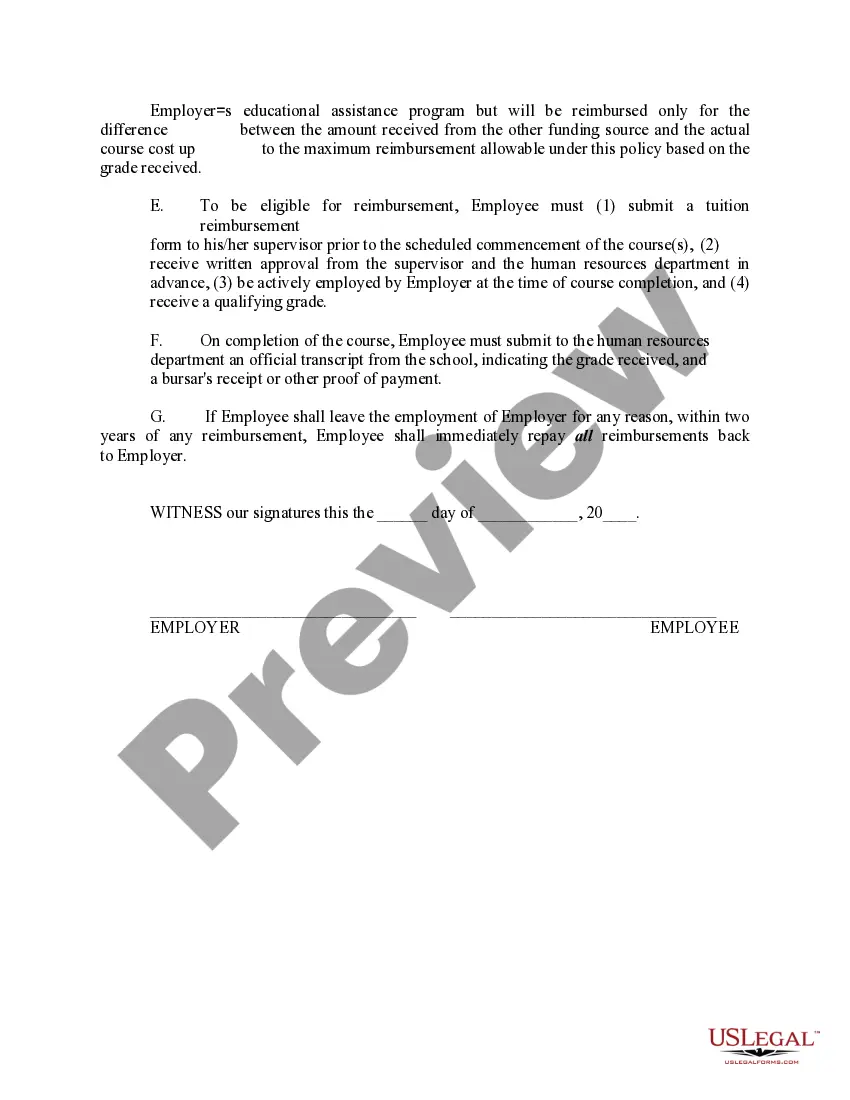
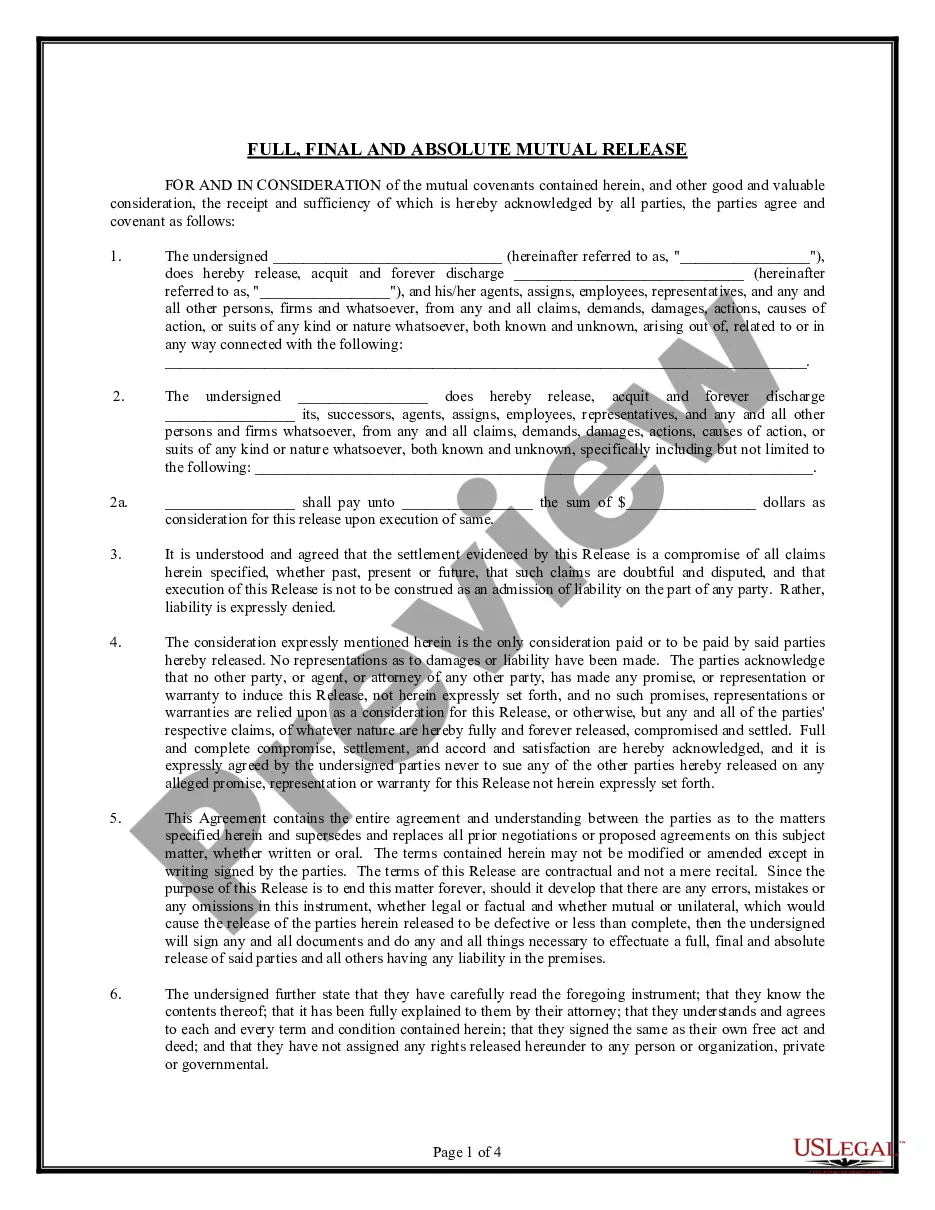
Employee Whereas Assistance With Employees In Pennsylvania
Description

Get your form ready online
Our built-in tools help you complete, sign, share, and store your documents in one place.
Make edits, fill in missing information, and update formatting in US Legal Forms—just like you would in MS Word.
Download a copy, print it, send it by email, or mail it via USPS—whatever works best for your next step.
Sign and collect signatures with our SignNow integration. Send to multiple recipients, set reminders, and more. Go Premium to unlock E-Sign.
If this form requires notarization, complete it online through a secure video call—no need to meet a notary in person or wait for an appointment.
We protect your documents and personal data by following strict security and privacy standards.

Make edits, fill in missing information, and update formatting in US Legal Forms—just like you would in MS Word.

Download a copy, print it, send it by email, or mail it via USPS—whatever works best for your next step.

Sign and collect signatures with our SignNow integration. Send to multiple recipients, set reminders, and more. Go Premium to unlock E-Sign.

If this form requires notarization, complete it online through a secure video call—no need to meet a notary in person or wait for an appointment.

We protect your documents and personal data by following strict security and privacy standards.
Looking for another form?

Form popularity
FAQ
Beginning with the Spring 2023 term, Commonwealth of Pennsylvania employees and eligible dependents will be able to apply to the PASSHE Foundation for a grant of up to $2,000 per academic year for full-time students and up to $1,000 for part-time students.
Salaried employees in Pennsylvania can work up to 4o hours. Any additional worked hours beyond 40 are compensated at 1.5 times the employee's hourly rate. Can an employer reduce your salary in Pennsylvania? The Commonwealth of Pennsylvania prohibits any unauthorized deductions for an employee's salary.
The Public Employee Relations Act of 1970, also known as Act 195, grants public employees the right to form unions and engage in collective bargaining with their chosen representatives.
To qualify for unemployment benefits in Pennsylvania Some separations, however, are disqualifying. In Pennsylvania, you are not eligible for benefits if you voluntarily quit your job without cause of a necessitous and compelling nature, or you were discharged or suspended for willful misconduct.
An employer may terminate the services of an “at will” employee, with or without cause, at any time — as long as an employee is not let go for an unlawful purpose, such as age or racial discrimination.
If you did not earn enough wages and work enough weeks, you will not be eligible for benefits. 2. Why are you no longer working for your past employer? The reason you are no longer employed or working reduced hours helps determine whether you can receive UC benefits.
The law generally says if you were fired through no fault of your own, such as not having the skills to do the job, you may be eligible for unemployment benefits. If you are fired or suspended for misconduct or gross misconduct, you will not qualify for unemployment benefits.
Pennsylvania is an at-will employment state, which means that in the absence of a written employment or collective bargaining agreement, either the employer or the employee may terminate employment for any reason that is not contrary to law. Stumpp v. Stroudsburg Mun. Auth., 658 A.
Section 402(b) of the Pennsylvania UC Law provides, in part that a claimant shall be ineligible for benefits for any week in which his/her unemployment is due to voluntarily leaving work without cause of a necessitous and compelling nature.
In PA you can quit and still receive Unemployment if you Quit for reasons of Health, School or Harassment. Any other reason and you will be denied.
