Educational Assistance Employees With Disabilities In North Carolina
Description

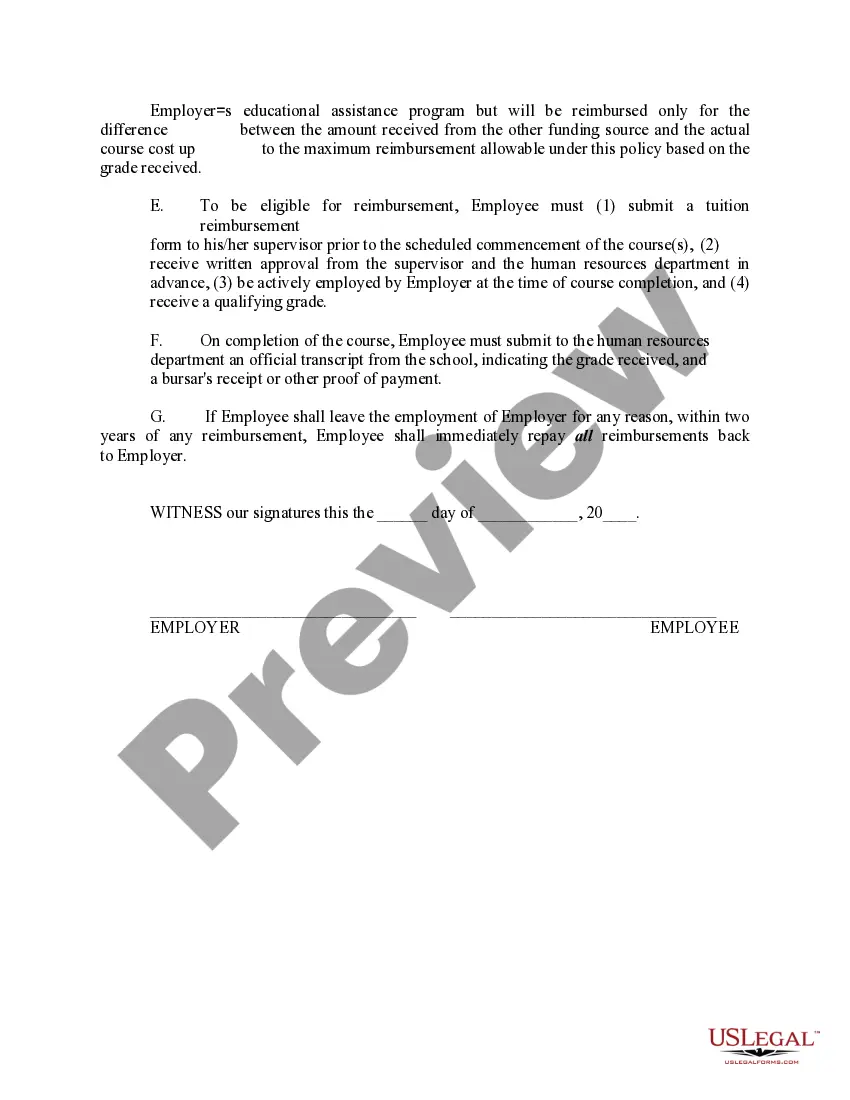
Get your form ready online
Our built-in tools help you complete, sign, share, and store your documents in one place.
Make edits, fill in missing information, and update formatting in US Legal Forms—just like you would in MS Word.
Download a copy, print it, send it by email, or mail it via USPS—whatever works best for your next step.
Sign and collect signatures with our SignNow integration. Send to multiple recipients, set reminders, and more. Go Premium to unlock E-Sign.
If this form requires notarization, complete it online through a secure video call—no need to meet a notary in person or wait for an appointment.
We protect your documents and personal data by following strict security and privacy standards.

Make edits, fill in missing information, and update formatting in US Legal Forms—just like you would in MS Word.

Download a copy, print it, send it by email, or mail it via USPS—whatever works best for your next step.

Sign and collect signatures with our SignNow integration. Send to multiple recipients, set reminders, and more. Go Premium to unlock E-Sign.

If this form requires notarization, complete it online through a secure video call—no need to meet a notary in person or wait for an appointment.

We protect your documents and personal data by following strict security and privacy standards.
Looking for another form?



Form popularity
FAQ
You're disabled under the Equality Act 2010 if you have a physical or mental impairment that has a 'substantial' and 'long-term' negative effect on your ability to do normal daily activities. The Equality Act 2010 does not apply to Northern Ireland.
The NC ABLE Program allows eligible individuals the opportunity to save and fund a variety of qualified disability expenses while maintaining Medicaid, SSI1 and other public supports.
The Americans with Disability Act of 1990 (ADA), as amended by the ADA Amendments Act of 2008, requires the Department to make reasonable modifications in policies, practices, and procedures to ensure equal opportunity access for individuals with disabilities.
NC Persons with Disabilities Protection Act—168A-7 This follows Title II of the ADA and prohibits government entities (including higher ed institutions) from excluding individuals from participating in or denying benefits of services, programs, or activities because of a person's disability.
(a) It is a discriminatory practice for a covered governmental entity to exclude a qualified person with a disability from participation in or deny the benefits of services, programs, or activities because of a disability or to refuse to provide reasonable accommodations, including auxiliary aids and services necessary ...
Who Is Eligible? If you work in a permanent, probationary or time-limited position at least 20 hours a week at a state agency, university, participating community college or participating charter school, then NCFlex benefits are available to you. For the Disability plan you must work 30 or more hours per week.
Students are eligible for NC Reach if they are: Legal residents of North Carolina, eligible for in-state tuition rates. Adopted from NC Division of Social Services (DSS) foster care after the age of 12, OR, aged out of NC DSS foster care at age 18 (they must have been in care on their 18th birthday)
There are no eligibility requirements to take advantage of NC Promise. All undergraduate students, including full and part-time new freshmen, returning students, transfer students, and students in online programs, receive the NC Promise tuition rate.
What conditions qualify for disability in North Carolina? Any condition that will prevent you from working for a year or more can qualify for disability benefits. Some of the most common conditions include musculoskeletal disorders, mental disorders, nervous system diseases, and circulatory system diseases.
