Employee Whereas Assistance For Mental Health In Franklin
Description

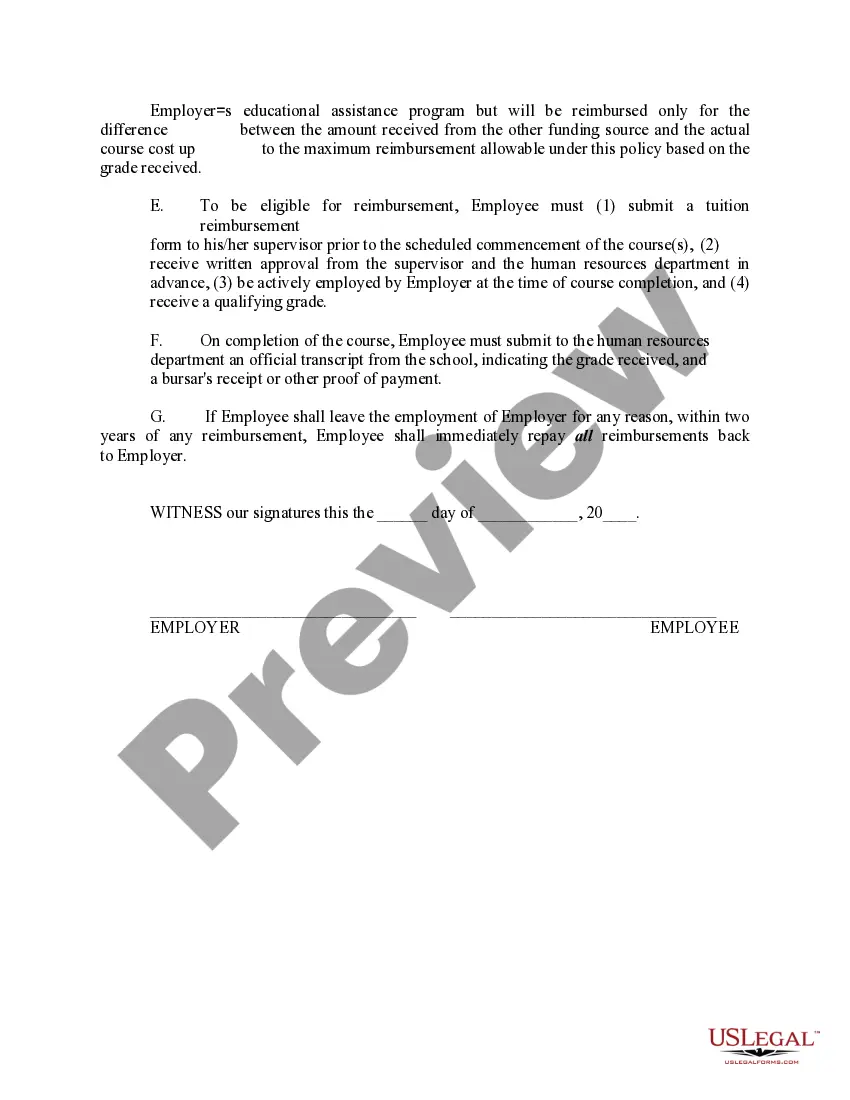
Get your form ready online
Our built-in tools help you complete, sign, share, and store your documents in one place.
Make edits, fill in missing information, and update formatting in US Legal Forms—just like you would in MS Word.
Download a copy, print it, send it by email, or mail it via USPS—whatever works best for your next step.
Sign and collect signatures with our SignNow integration. Send to multiple recipients, set reminders, and more. Go Premium to unlock E-Sign.
If this form requires notarization, complete it online through a secure video call—no need to meet a notary in person or wait for an appointment.
We protect your documents and personal data by following strict security and privacy standards.

Make edits, fill in missing information, and update formatting in US Legal Forms—just like you would in MS Word.

Download a copy, print it, send it by email, or mail it via USPS—whatever works best for your next step.

Sign and collect signatures with our SignNow integration. Send to multiple recipients, set reminders, and more. Go Premium to unlock E-Sign.

If this form requires notarization, complete it online through a secure video call—no need to meet a notary in person or wait for an appointment.

We protect your documents and personal data by following strict security and privacy standards.
Looking for another form?


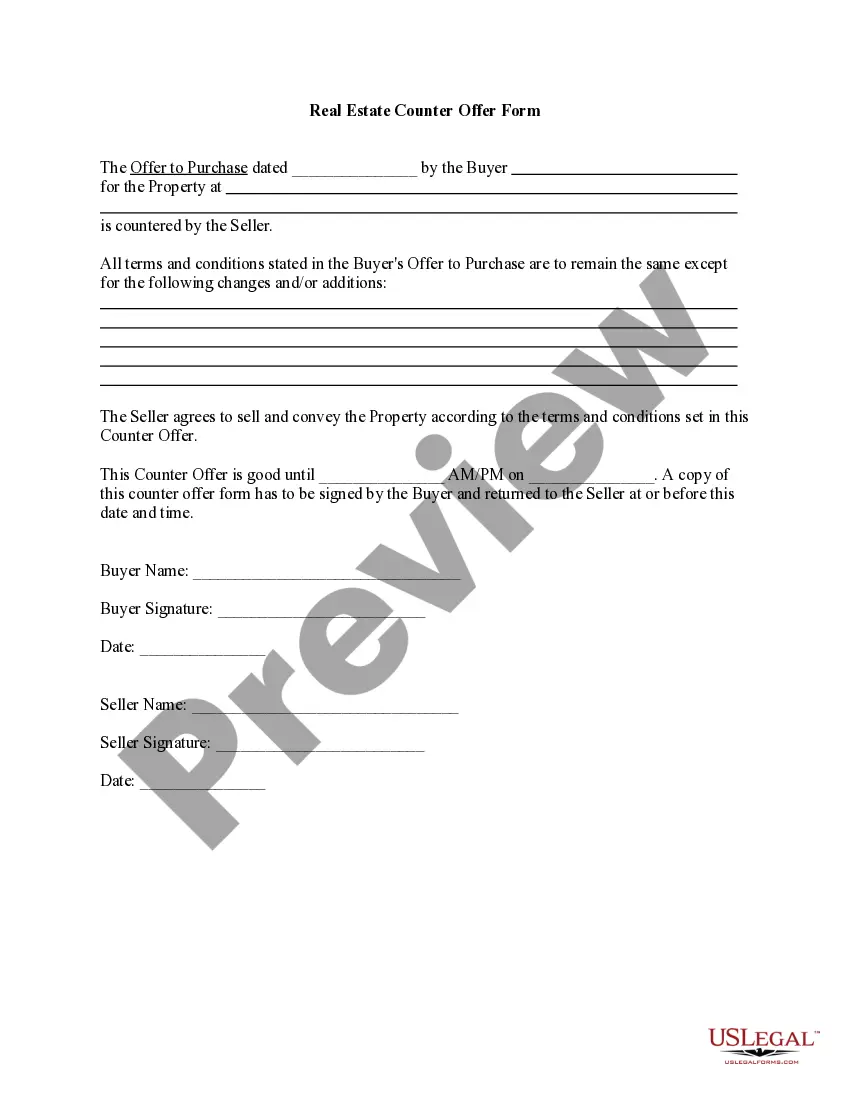
Form popularity
FAQ
Yes. Mental health is a valid reason to call in sick.
Stress leave comes under personal leave "That can be taken when suffering from, and trying to recover from, either physical or mental illness or injury, including those related to work-related stress."
Start by choosing a time when your boss is likely to be available and not rushed. Clearly state your request and be prepared to explain, if necessary, without divulging too much personal information. If your employer is supportive, they might engage in a discussion about your well-being and how the company can help.
Be clear and concise, stating the specifics of how your mental health problems are impacting your work. The point here is to keep it professional and appropriate--your boss is not a therapist or close friend, so you need to stick to what matter's to the workplace.
Ask simple, open and non-judgmental questions and let people explain in their own words how their mental health problem manifests, the triggers, how it impacts on their work and what support they need.
Most employees will need to take sick leave at some point in their working lives. Both physical and mental health problems can count as sickness. Employers must treat mental and physical health as equally important.
Talk about the job duties that are most central to their job, the reason their job exists, and whether or not they need an accommodation to perform those job duties. Ask them if they need mental health leave. Sometimes people need time off to work on mental health issues, and sometimes they don't.
The most common are anxiety disorders major depression and bipolar disorder.
Show support by being available to listen to your employee. If they share their struggle, encourage them to utilize an employee assistance program, use their time-off balances or take personal mental health days as needed.
If you think your employer will be understanding and you'd like to explain, you might adapt one of the following phrases to suit your situation: “I'd like to take time off as I'm not in a good frame of mind. “My depression symptoms have worsened and I need a day off to recover.
