Educational Assistance Programme Employees With Disabilities In Cook
Description

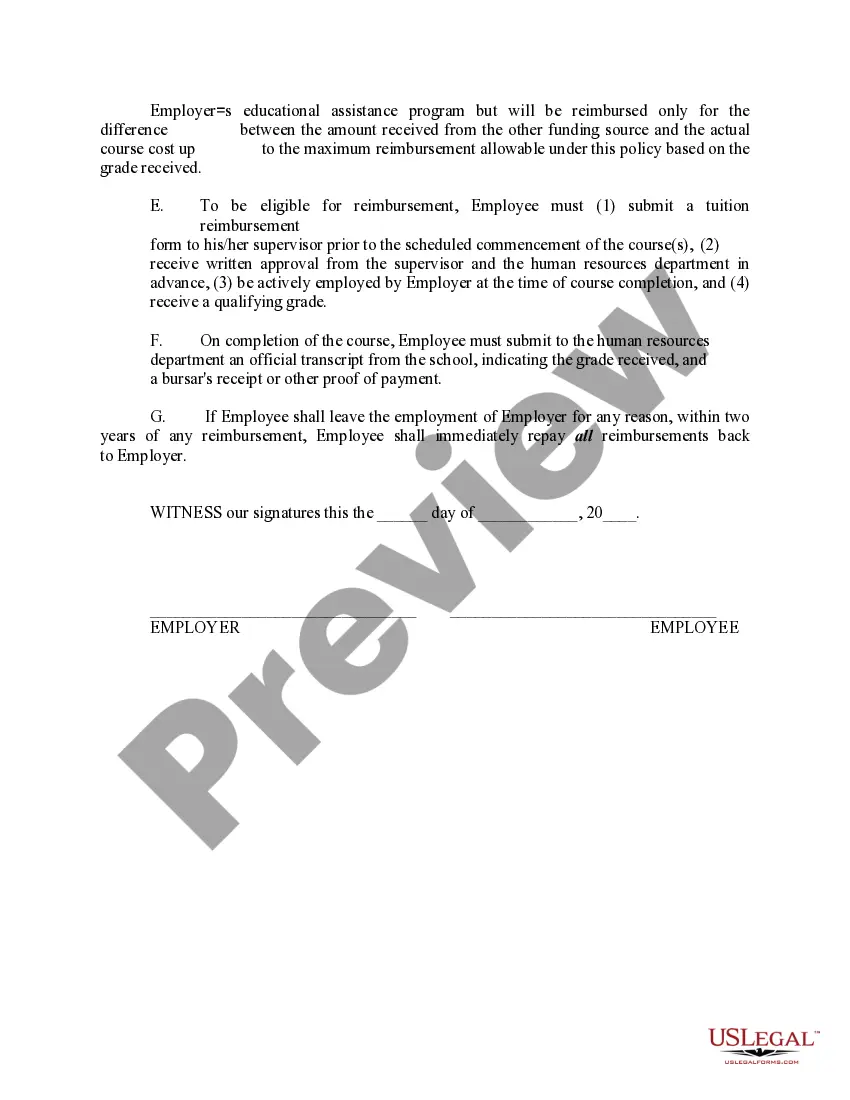
Get your form ready online
Our built-in tools help you complete, sign, share, and store your documents in one place.
Make edits, fill in missing information, and update formatting in US Legal Forms—just like you would in MS Word.
Download a copy, print it, send it by email, or mail it via USPS—whatever works best for your next step.
Sign and collect signatures with our SignNow integration. Send to multiple recipients, set reminders, and more. Go Premium to unlock E-Sign.
If this form requires notarization, complete it online through a secure video call—no need to meet a notary in person or wait for an appointment.
We protect your documents and personal data by following strict security and privacy standards.

Make edits, fill in missing information, and update formatting in US Legal Forms—just like you would in MS Word.

Download a copy, print it, send it by email, or mail it via USPS—whatever works best for your next step.

Sign and collect signatures with our SignNow integration. Send to multiple recipients, set reminders, and more. Go Premium to unlock E-Sign.

If this form requires notarization, complete it online through a secure video call—no need to meet a notary in person or wait for an appointment.

We protect your documents and personal data by following strict security and privacy standards.
Looking for another form?
Form popularity
FAQ
Cooking can be challenging when you live with a disability. But with the right tools and techniques, many people can find their way around the kitchen. Here are some tips you can try. Automatic and adaptive devices can make many cooking activities easier.
“People with a learning disability can cook”, Delaney says, “they just need the information given to them in a different way”. Symbol-supported ingredients lists are sometimes accompanied by step-by-step cooking videos.
The Disabled Chef: Paraplegic Cooks Exotic Recipes A man with MS from the UK, James Coke, aka The Disabled Chef, cooks a variety of exotic recipes from his wheelchair. His belief system is teaching wheelchair users how to cook so they can reclaim their kitchen and their pocketbook.
People with disabilities have significantly higher rates of stress-related health conditions than the general population, including obesity, hypertension, diabetes, and sleep disturbances (2) and these conditions often occur at earlier ages among those with disabilities than in the general population (3, 4).
Yes, many disabled individuals can live alone, depending on their specific needs, abilities, and the level of support available to them. Factors that influence this include: Type and Severity of Disability: The nature of the disability can greatly affect a person's capability to live independently.
The Disability Standards for Education 2005 clarify the obligations of education and training providers under the Disability Discrimination Act 1992. and seek to ensure that students with disability can access and participate in education on the same basis as students without disability.
The Disability Standards for Education require that all Australian schools: ensure that students with disability are able to access and participate in education on the same basis as students without disability. make or provide 'reasonable adjustments' for students where necessary to enable their access and ...
Inclusive education recognises the right of every child and young person – without exception – to be included in general education settings. It involves adapting the environment and teaching approaches to ensure genuine and valued full participation of all children and young people.
In the early 1970s, the Karmel Report (Kannel, 1973), Schools in Australia, recommended Govemment support for integration, resulting in Commonwealth funding being directed to Govemment schools in 1974 and extended to the private sectors in 1975.
Inclusion––the preferred term––involves supporting students with disabilities through individual learning goals, accommodations, and modifications so that they are able to access the general education curriculum (in the general education classroom) and be held to the same high expectations as their peers.
