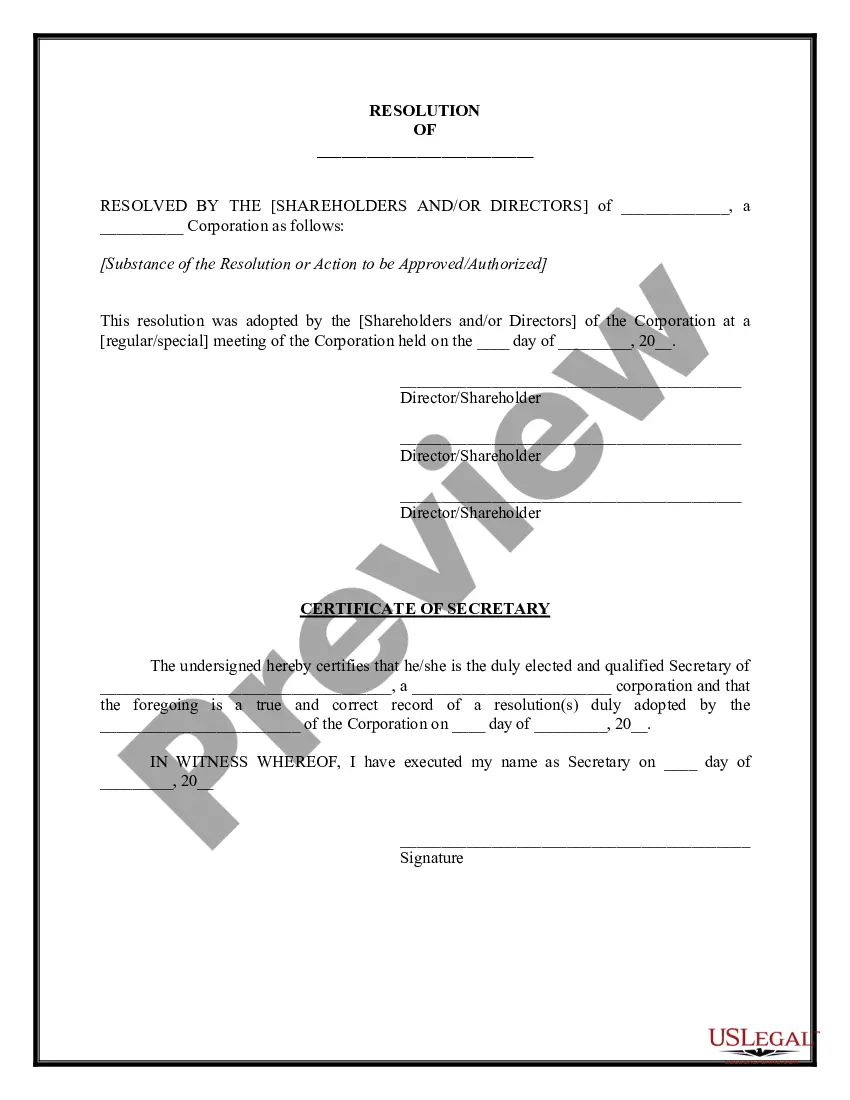
Credit Card Form Statement For Payment In Pennsylvania
Description
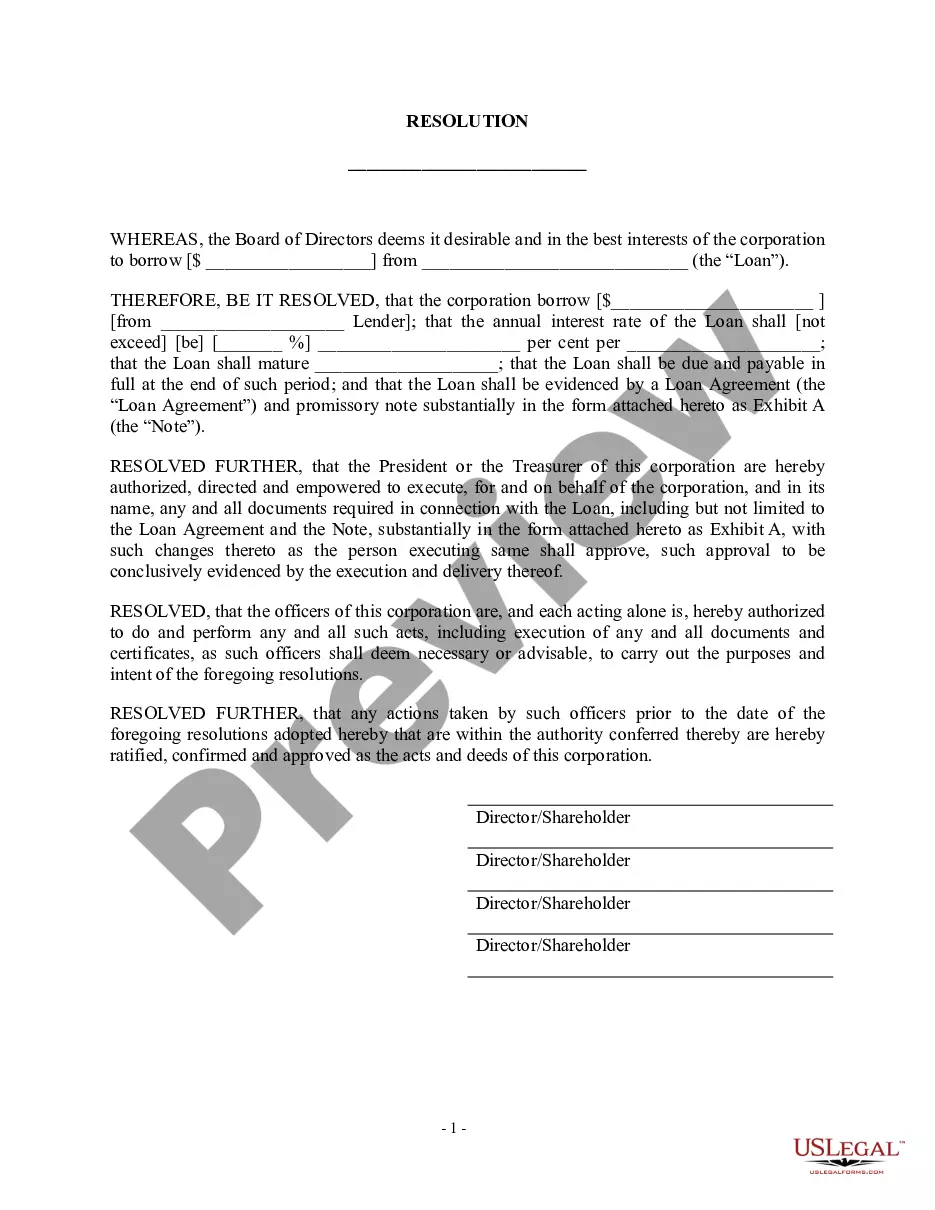
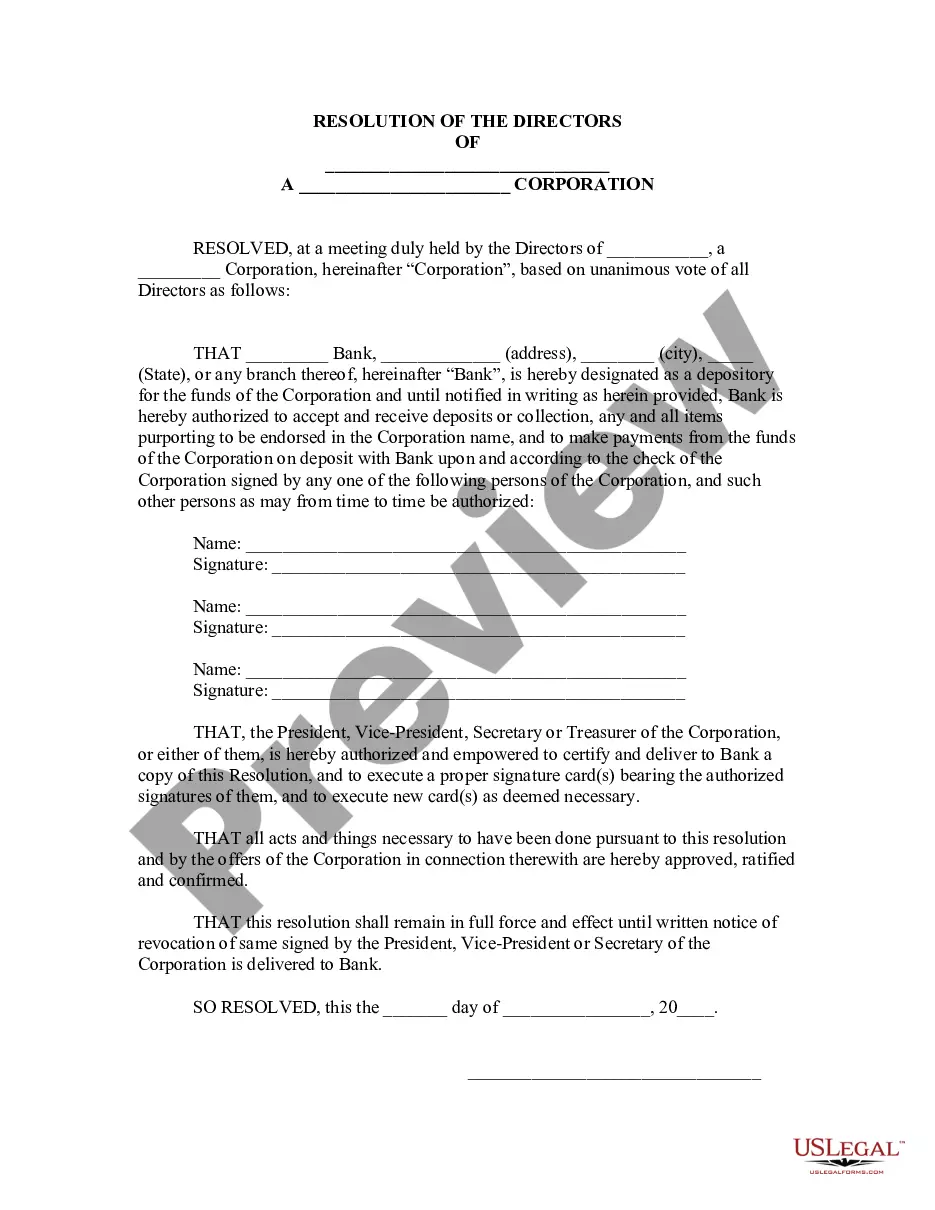
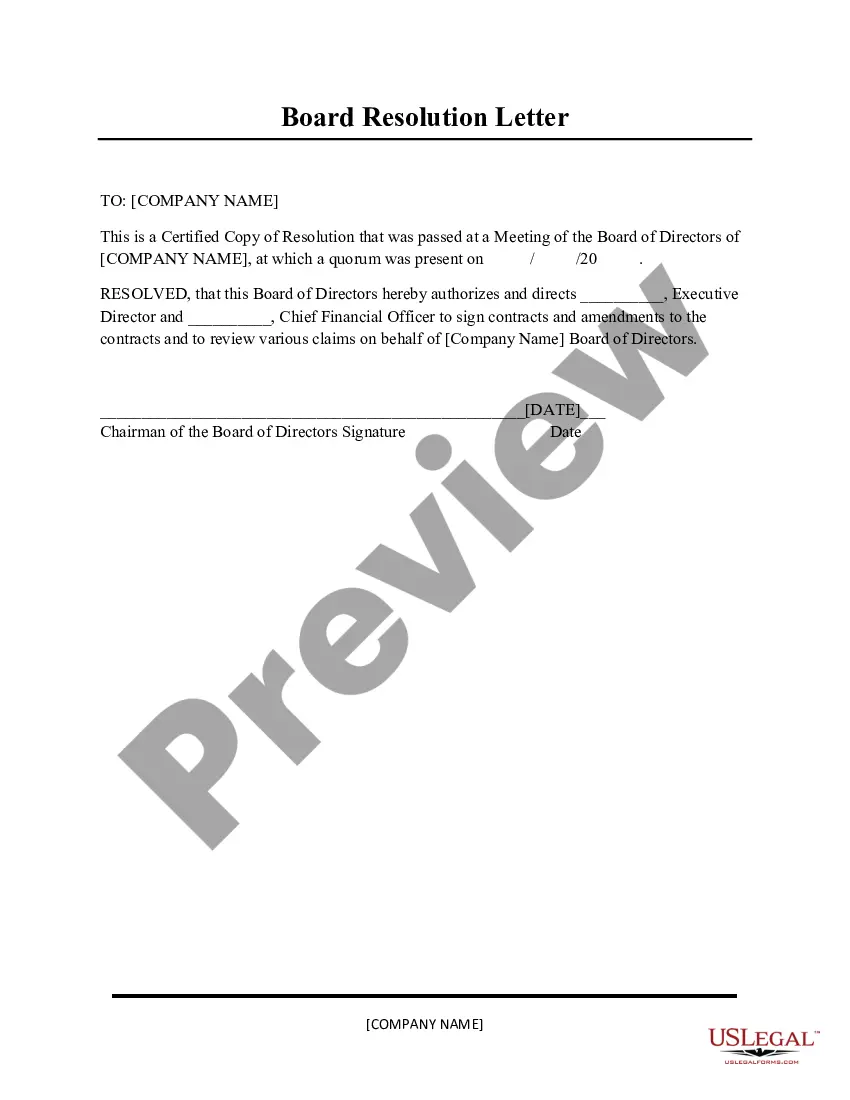
Get your form ready online
Our built-in tools help you complete, sign, share, and store your documents in one place.
Make edits, fill in missing information, and update formatting in US Legal Forms—just like you would in MS Word.
Download a copy, print it, send it by email, or mail it via USPS—whatever works best for your next step.
Sign and collect signatures with our SignNow integration. Send to multiple recipients, set reminders, and more. Go Premium to unlock E-Sign.
If this form requires notarization, complete it online through a secure video call—no need to meet a notary in person or wait for an appointment.
We protect your documents and personal data by following strict security and privacy standards.

Make edits, fill in missing information, and update formatting in US Legal Forms—just like you would in MS Word.

Download a copy, print it, send it by email, or mail it via USPS—whatever works best for your next step.

Sign and collect signatures with our SignNow integration. Send to multiple recipients, set reminders, and more. Go Premium to unlock E-Sign.

If this form requires notarization, complete it online through a secure video call—no need to meet a notary in person or wait for an appointment.

We protect your documents and personal data by following strict security and privacy standards.
Looking for another form?








Form popularity
FAQ
Who Must File a PA Tax Return? If you are a PA resident, nonresident or a part-year PA resident, you must file a 2024 PA tax return if: You received total PA gross taxable income in excess of $33 during 2024, even if no tax is due with your PA return; and/or.
Electronic filing mandate Pennsylvania law requires tax preparers who file 11 or more Corporate Tax Returns (RCT-101) or PA S Corporation/Partnership Information Return (PA-20S/PA-65) for the same tax year to file the returns electronically. For more information, refer to the Pennsylvania DOR website.
The Personnel File Inspection Act provides that an employer shall, at reasonable times, upon an employee's request, permit the employee to inspect the employee's personnel file used to determine qualifications for employment, promotion, additional compensation, termination or disciplinary action.
Every resident, part-year resident or nonresident individual must file a Pennsylvania Income Tax Return (PA-40) when he or she realizes income generating $1 or more in tax, even if no tax is due (e.g., when an employee receives compensation where tax is withheld).
Electronic filing mandate Pennsylvania law requires tax preparers who file 11 or more Corporate Tax Returns (RCT-101) or PA S Corporation/Partnership Information Return (PA-20S/PA-65) for the same tax year to file the returns electronically. For more information, refer to the Pennsylvania DOR website.
Benefits of Electronic Filing E-filing has brought about increased flexibility in the filing of taxes and is a lot more convenient since one's taxes can now be filed from the comfort of their home or workspace at their own time. They can do it whenever they wish to, as it no longer serves to be a 9 to 5 task.
Every resident, part-year resident or nonresident individual must file a Pennsylvania Income Tax Return (PA-40) when he or she realizes income generating $1 or more in tax, even if no tax is due (e.g., when an employee receives compensation where tax is withheld).
To connect with the PA Governor's Center for Local Government Services (GCLGS), email ra-dcedclgs@pa or telephone (888) 223-6837. Pennsylvania does not have a form similar to the federal W-4 form, since Pennsylvania Personal Income Tax is based on a flat tax rate and everyone pays the same rate.
Pennsylvania has a flat 3.07 percent individual income tax rate. There are also jurisdictions that collect local income taxes. Pennsylvania has an 7.99 percent corporate income tax rate. Pennsylvania has a 6.00 percent state sales tax rate and an average combined state and local sales tax rate of 6.34 percent.