Completion Certificate For Residential Building In Massachusetts
Description
Get your form ready online
Our built-in tools help you complete, sign, share, and store your documents in one place.
Make edits, fill in missing information, and update formatting in US Legal Forms—just like you would in MS Word.
Download a copy, print it, send it by email, or mail it via USPS—whatever works best for your next step.
Sign and collect signatures with our SignNow integration. Send to multiple recipients, set reminders, and more. Go Premium to unlock E-Sign.
If this form requires notarization, complete it online through a secure video call—no need to meet a notary in person or wait for an appointment.
We protect your documents and personal data by following strict security and privacy standards.
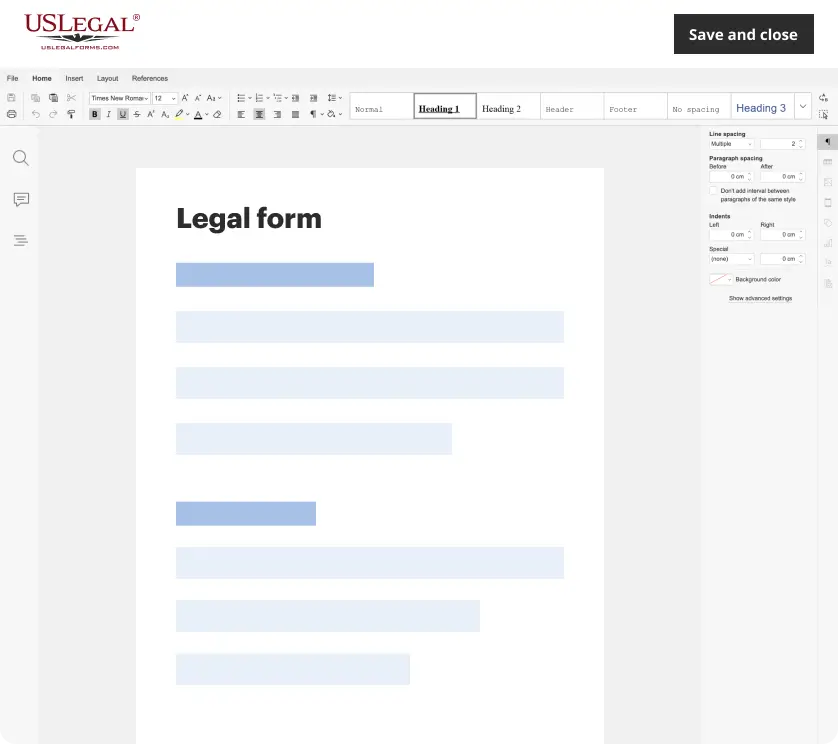
Make edits, fill in missing information, and update formatting in US Legal Forms—just like you would in MS Word.
Download a copy, print it, send it by email, or mail it via USPS—whatever works best for your next step.
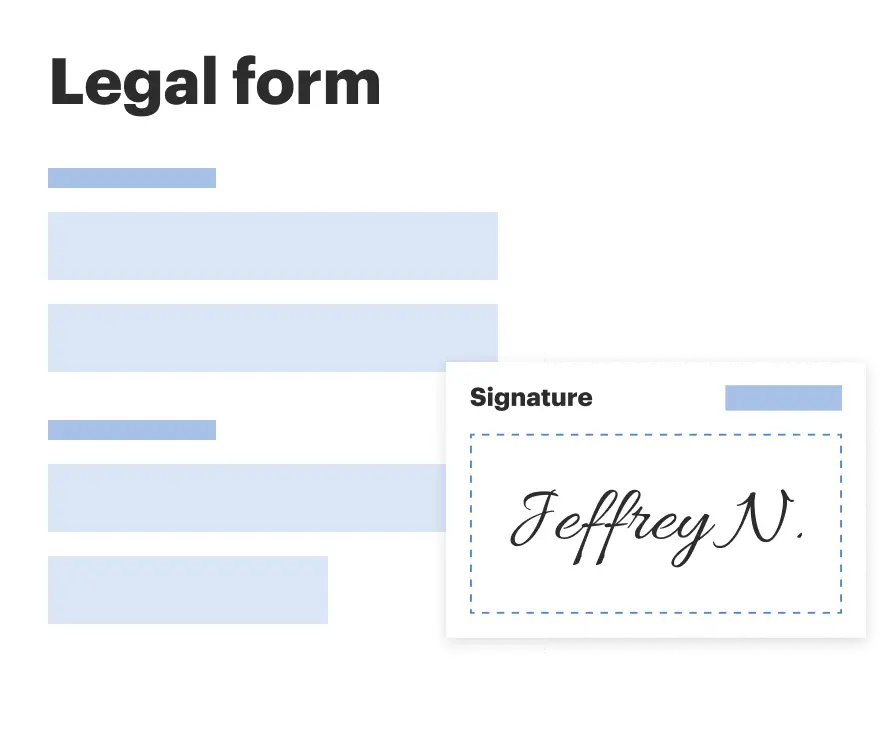
Sign and collect signatures with our SignNow integration. Send to multiple recipients, set reminders, and more. Go Premium to unlock E-Sign.

If this form requires notarization, complete it online through a secure video call—no need to meet a notary in person or wait for an appointment.
We protect your documents and personal data by following strict security and privacy standards.
Looking for another form?






Form popularity
FAQ
How to Become a Home and Building Inspector in Massachusetts Step 1: Complete a Training Program. All aspiring home and building inspectors in Massachusetts must complete an approved training program. Step 2: Pass the National Examination. Step 3: Conduct Supervised Home Inspections.
The Inspection Certification Associates 75-hour, 8-day classroom course is approved to fulfill this requirement. See below for times and availability.
How to become a building inspector Get a relevant education. Obtain work experience and training in building inspection. Develop the necessary skills. Earn a professional certification.
Is a Certificate of Use/Occupancy always required? No. A Certificate of Occupancy is generally issued only for new construction (new houses, additions, decks, etc.) or for changes in use of an existing area (finishing an attic, etc.). Certificates are also issued for wood stoves.
You don't need formal qualifications to become a field inspector. For an entry-level field inspector position, your fastest path to becoming qualified is to get training from an experienced field inspector at a field services company.
Generally, for buildings containing 35,000 cubic feet of enclosed space or more, not including detached one or two family homes or any accessory buildings thereto, a Massachusetts Registered Design Professional shall provide “Construction Control” oversight. There are some exceptions to this requirement.
The Certificate of Completion (CCL) in General Business is designed to provide business training for various entry-level positions in business. The courses include an introduction to business concepts, accounting and computer principles, and legal issues related to business.
A Certification of Completion is like receiving a stamp in your passport after an enriching journey. It signifies that you have successfully completed a course, program, or training module. The focus is on the journey – attending all required classes, engaging actively in discussions, and submitting assignments.
Certificate of Completion: This certificate indicates that an individual has finished a course or program. It confirms participation and completion of the required material but does not necessarily reflect the mastery of the content or skills.
Use a certificate of completion message that conveys respect and acknowledgment, such as "This certificate is awarded to." Include the date. Make sure to add the date when the course or training was completed. Provide a signature.