Completion Report Of Construction Work In Los Angeles
Description
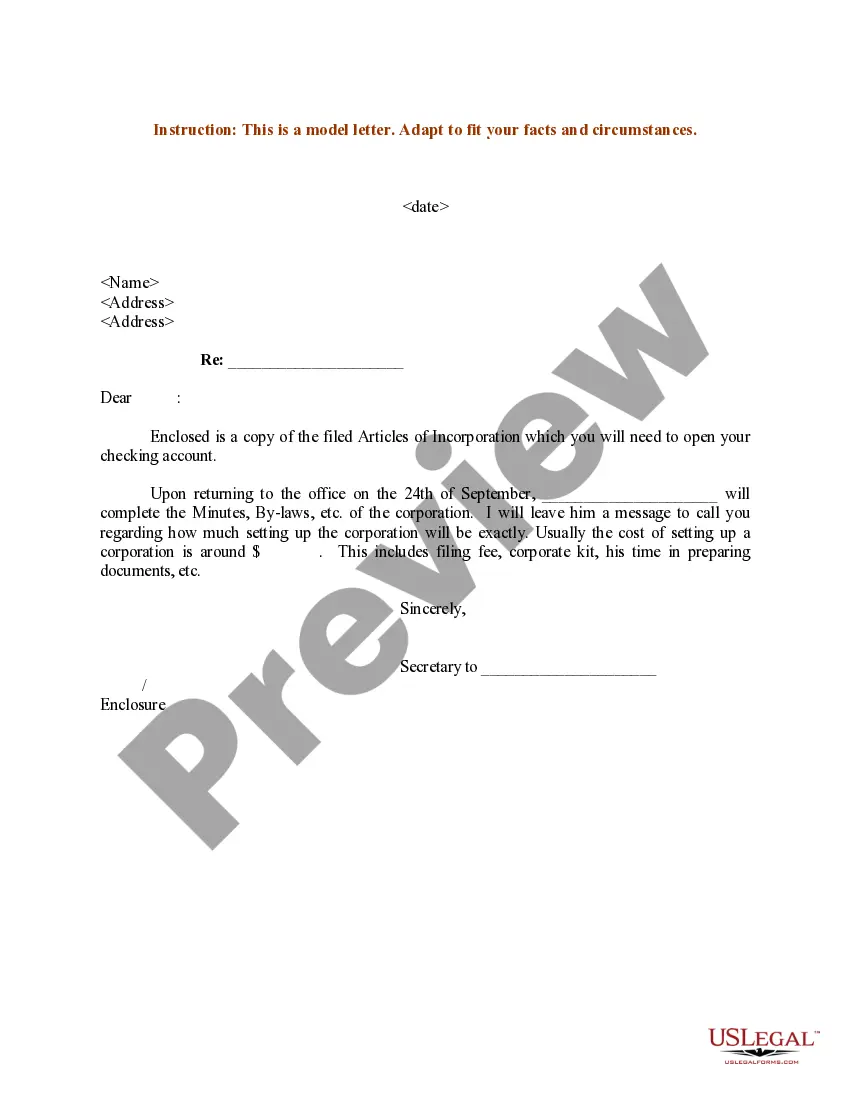
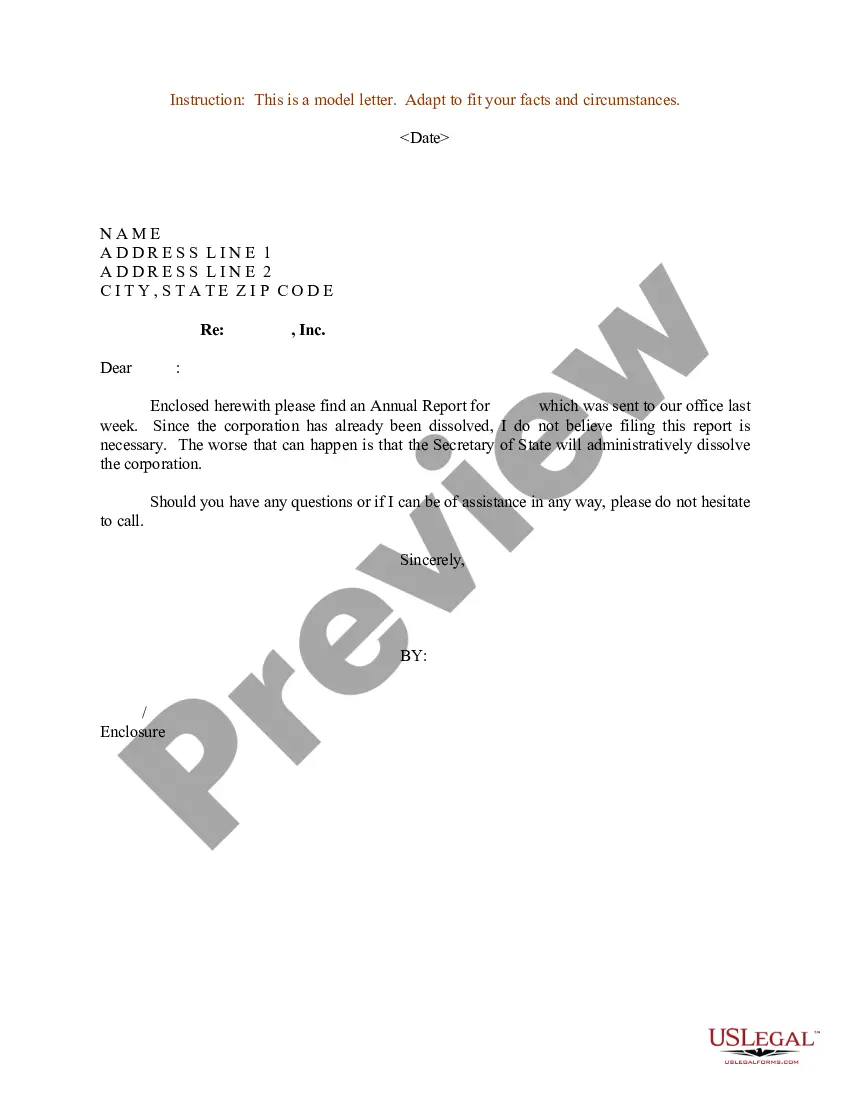
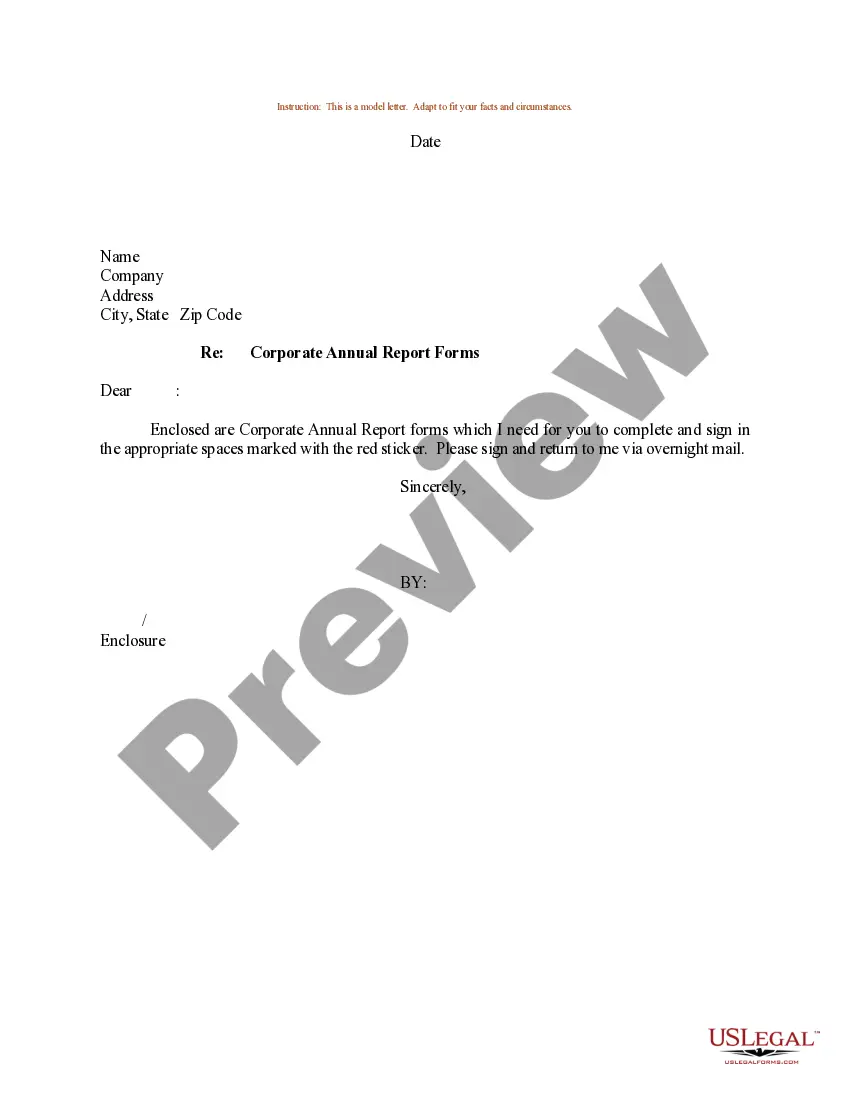
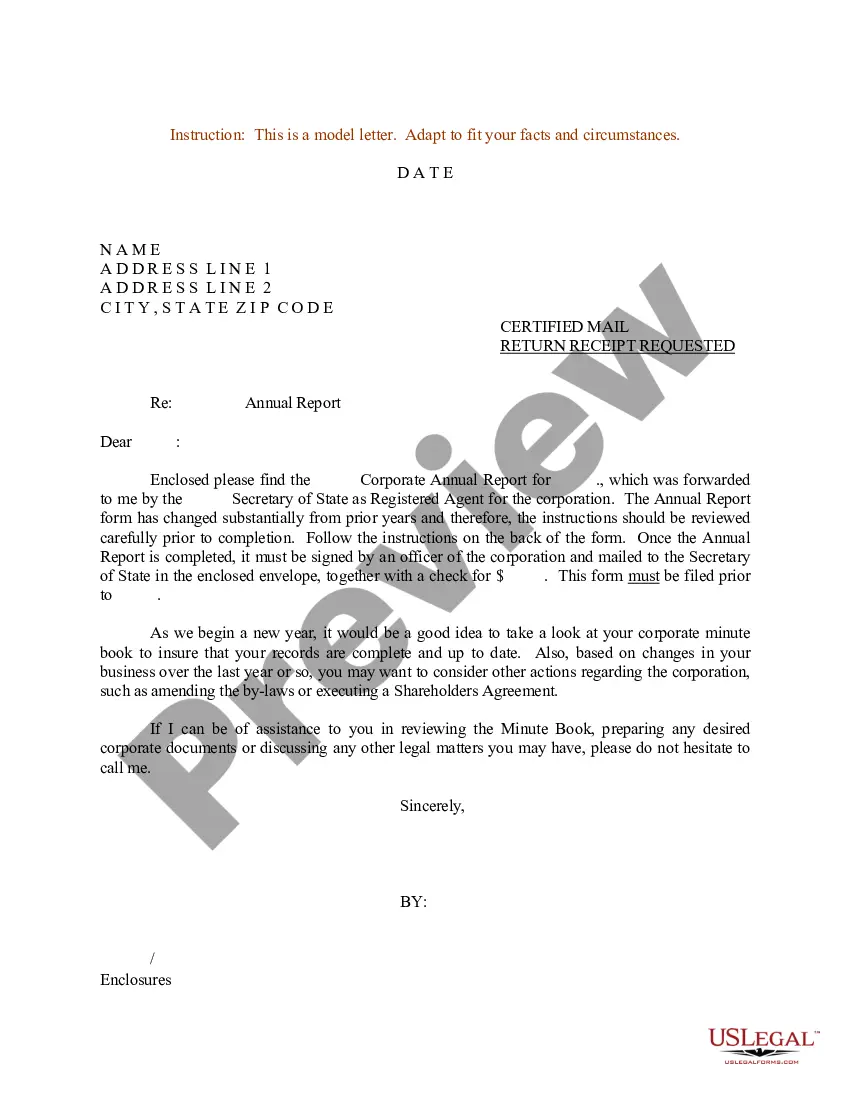
Get your form ready online
Our built-in tools help you complete, sign, share, and store your documents in one place.
Make edits, fill in missing information, and update formatting in US Legal Forms—just like you would in MS Word.
Download a copy, print it, send it by email, or mail it via USPS—whatever works best for your next step.
Sign and collect signatures with our SignNow integration. Send to multiple recipients, set reminders, and more. Go Premium to unlock E-Sign.
If this form requires notarization, complete it online through a secure video call—no need to meet a notary in person or wait for an appointment.
We protect your documents and personal data by following strict security and privacy standards.

Make edits, fill in missing information, and update formatting in US Legal Forms—just like you would in MS Word.

Download a copy, print it, send it by email, or mail it via USPS—whatever works best for your next step.

Sign and collect signatures with our SignNow integration. Send to multiple recipients, set reminders, and more. Go Premium to unlock E-Sign.

If this form requires notarization, complete it online through a secure video call—no need to meet a notary in person or wait for an appointment.

We protect your documents and personal data by following strict security and privacy standards.
Looking for another form?


Form popularity
FAQ
Through it, project managers and team members can collaborate to evaluate the project's success and plan for future endeavors. The work completion report is a summary highlighting achievements, challenges, and lessons learned.
The final report is your opportunity to share the significant features of your project and present information about the results your project achieved. The document should be written as if the reader has no previous knowledge of your project's activities. The report should cover the entire period of performance.
The practice of project completion report finalizes all project activities completed across all phases of the project to formally complete the project and transfer the completed or cancelled project as appropriate.
The closeout process includes a variety of physical and administrative tasks, such as collecting documents, ensuring compliance with specifications, site cleanup, and finalizing contracts. It's a complex process and, if not done right, often takes as long as the physical construction itself.
What Are The Stages Of A Construction Project? Step 1: Design. The design phase is a critical stage in any construction project, laying the foundation for the entire build. Step 2: Pre-Construction. Step 3: Procurement. Step 4: Construction. Step 5: Commissioning. Step 6: Owner Occupancy. Step 7: Project Closeout.
A final report is prepared by the contract administrator at the end at the end of the defects liability period once all defects have been rectified. The final report should provide a summary of activities during the construction phase, describing: The works that have been completed.
Handover and Occupancy: The final step in the construction process is handover and occupancy, where the building is turned over to the client for use and occupancy.
Regular inspections are those performed Monday-Friday 7am-pm. They can be requested up to 3 days in advance. Before you can request an inspection, you must first obtain the required permit(s) for the work you intend to do.
Getting an Inspection When the work is ready to be inspected, you can request an inspection online or by calling 311 locally, or (213) 473-3231 if you are outside of the Los Angeles area. The inspector will make sure that the work is being performed in ance with the applicable codes and standards.
Building. Building Permits are required for new constructions, additions, alterations, and demolition/removal of a building or structure. Electrical. Electrical Permits are required for any electrical work. Elevator/Pressure Vessel. Fire Sprinkler. Grading. Mechanical HVAC. Plumbing. Disabled Access.

