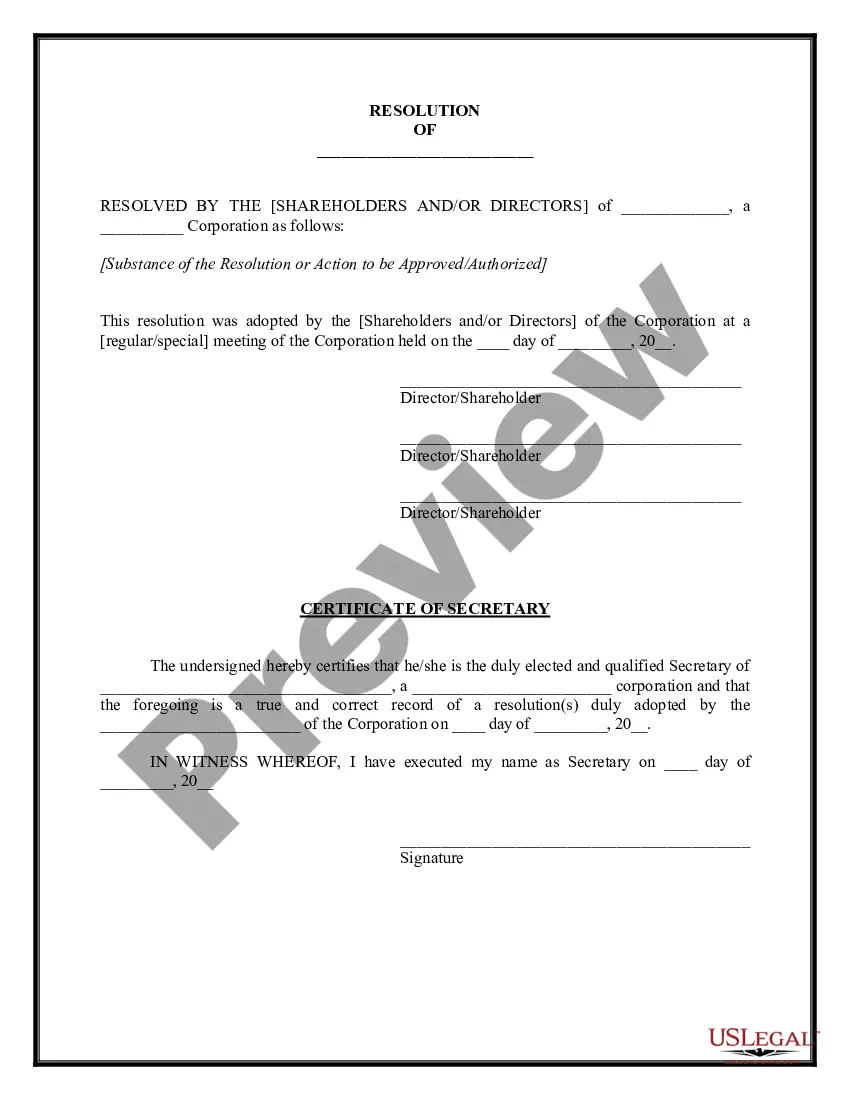
Completion Certificate For Building In Bronx
Description
Get your form ready online
Our built-in tools help you complete, sign, share, and store your documents in one place.
Make edits, fill in missing information, and update formatting in US Legal Forms—just like you would in MS Word.
Download a copy, print it, send it by email, or mail it via USPS—whatever works best for your next step.
Sign and collect signatures with our SignNow integration. Send to multiple recipients, set reminders, and more. Go Premium to unlock E-Sign.
If this form requires notarization, complete it online through a secure video call—no need to meet a notary in person or wait for an appointment.
We protect your documents and personal data by following strict security and privacy standards.

Make edits, fill in missing information, and update formatting in US Legal Forms—just like you would in MS Word.

Download a copy, print it, send it by email, or mail it via USPS—whatever works best for your next step.

Sign and collect signatures with our SignNow integration. Send to multiple recipients, set reminders, and more. Go Premium to unlock E-Sign.

If this form requires notarization, complete it online through a secure video call—no need to meet a notary in person or wait for an appointment.

We protect your documents and personal data by following strict security and privacy standards.
Looking for another form?






Form popularity
FAQ
On average, it takes about 1-3 months to get a building permit in NYC. Permitting timelines depend on the type of permit you applied for. Current timelines for the DOB to review an initial permit application are: Alt1 (standard filing): 3-4 months.
If work has been performed without a permit and an applicant seeks a permit for the unpermitted work before a notice of violation is issued, the penalty for such unpermitted work is $600 when performed on a one-family or two-family dwelling or $6,000 when performed on a building other than a one-family or two-family ...
Use the Building Information Search in the Buildings Information System (BIS) to search by property address. From the Property Profile Page select View Certificates of Occupancy. If a Certificate of Occupancy has been issued, it will be listed on this page and can be printed by selecting the hyperlinked pdf file.
Not having a C of O doesn't mean that you can't sell your home; it just means that the new owner can't live in the house until proper repairs have been made and it passes a home inspection. But some jurisdictions such as New York state make an exception for single-family homes.
The Law requires landlords to have a certificate of occupancy to collect rent or evict tenants for non-payment of rent. A certificate of occupancy is a document that proves that the building is reasonably safe and clean. This rule applies to buildings that have three or more units built after 1952.
Owners must make sure a building or unit has a Certificate of Occupancy. In some circumstances, the Department may determine that a property is safe to occupy, but there are outstanding issues requiring final approval.
If a building doesn't have a proper Certificate of Occupancy, the city could theoretically issue a vacate order at any time. No one may legally occupy a building until the DOB has issued a CO or Temporary Certificate of Occupancy.
A TCO is the easiest to obtain, and the whole process takes about 6 months, or more, to complete. All you need are temporary approvals from the NYC DOB on the following essential items: Temporary Construction Sign Off.
Applicants/Contractors withdrawing from a permitted application must: submit a letter of request to withdraw to the Borough Commissioner's office; list corresponding permits; and provide the status of work completed.
Once the project is completed, the owner or the owner's authorized representative must ensure the following items/tasks are completed/submitted prior to project sign-off: completed reports for all the required Special Inspections submitted by SIA's; all required Department inspections are performed; self-certification ...