Engagement Letter In Auditing In Wayne
Description
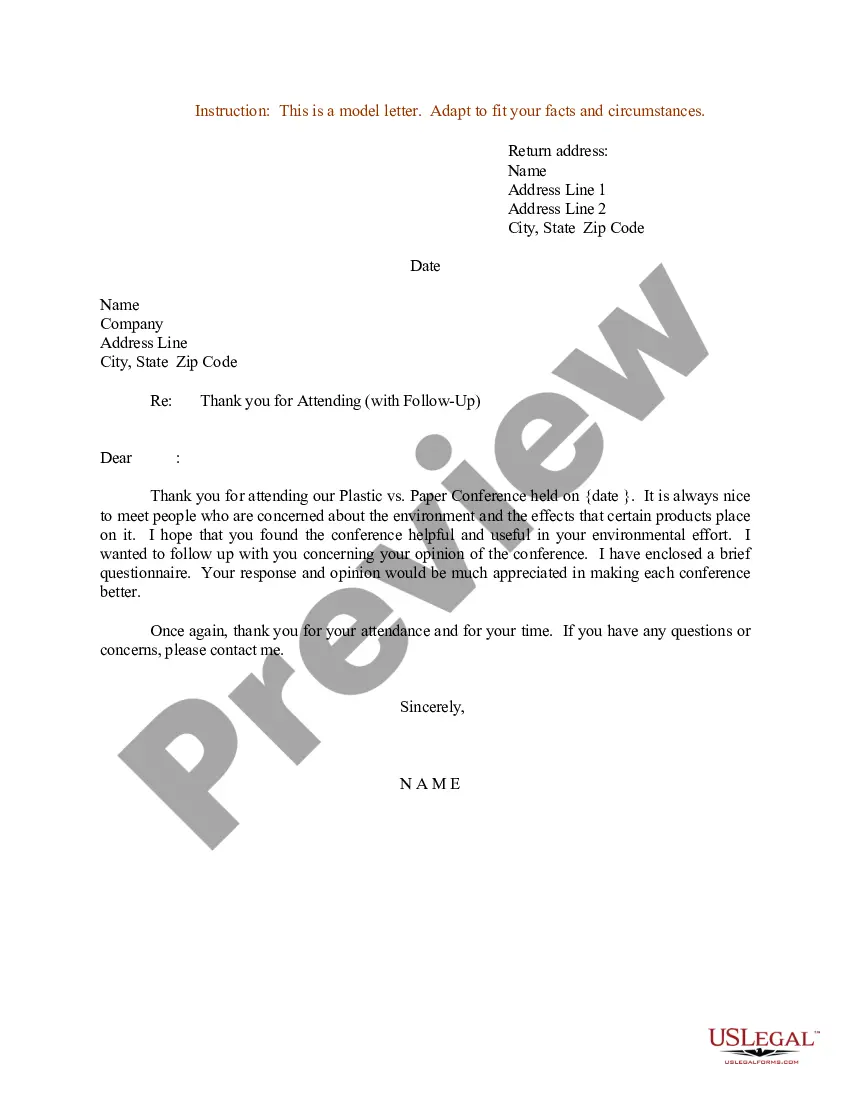
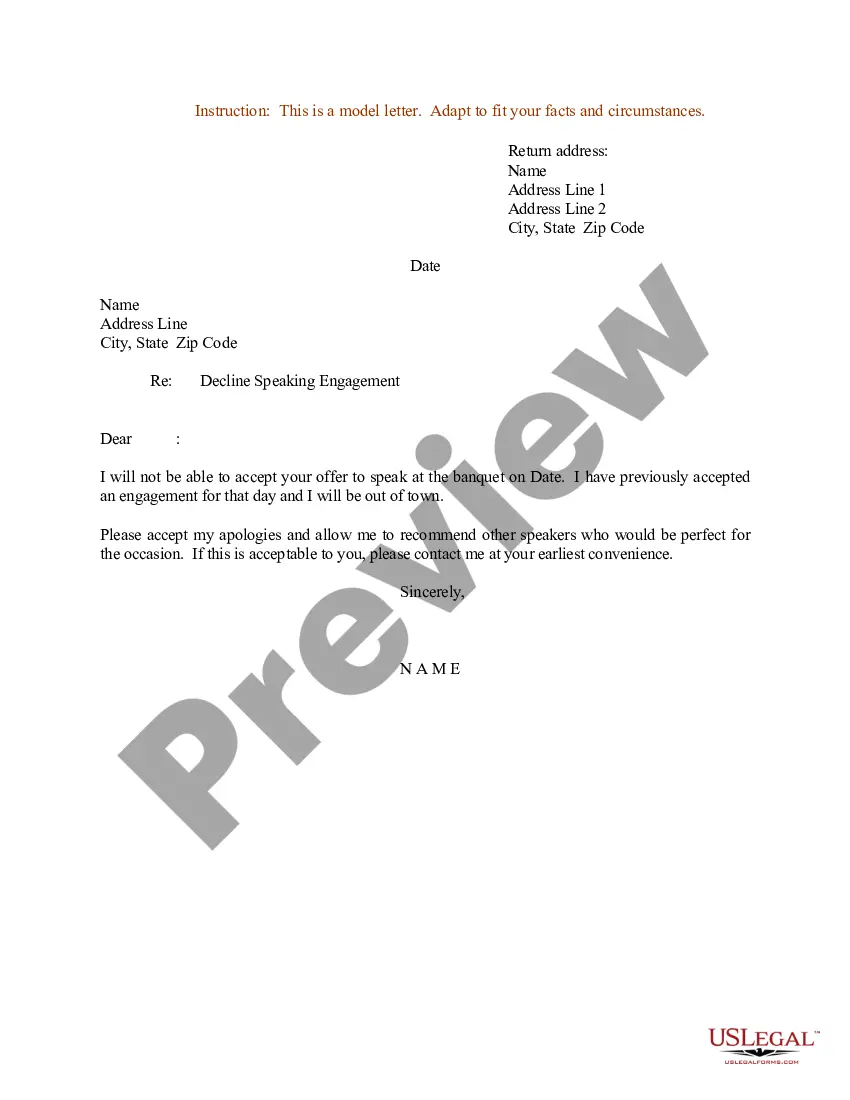
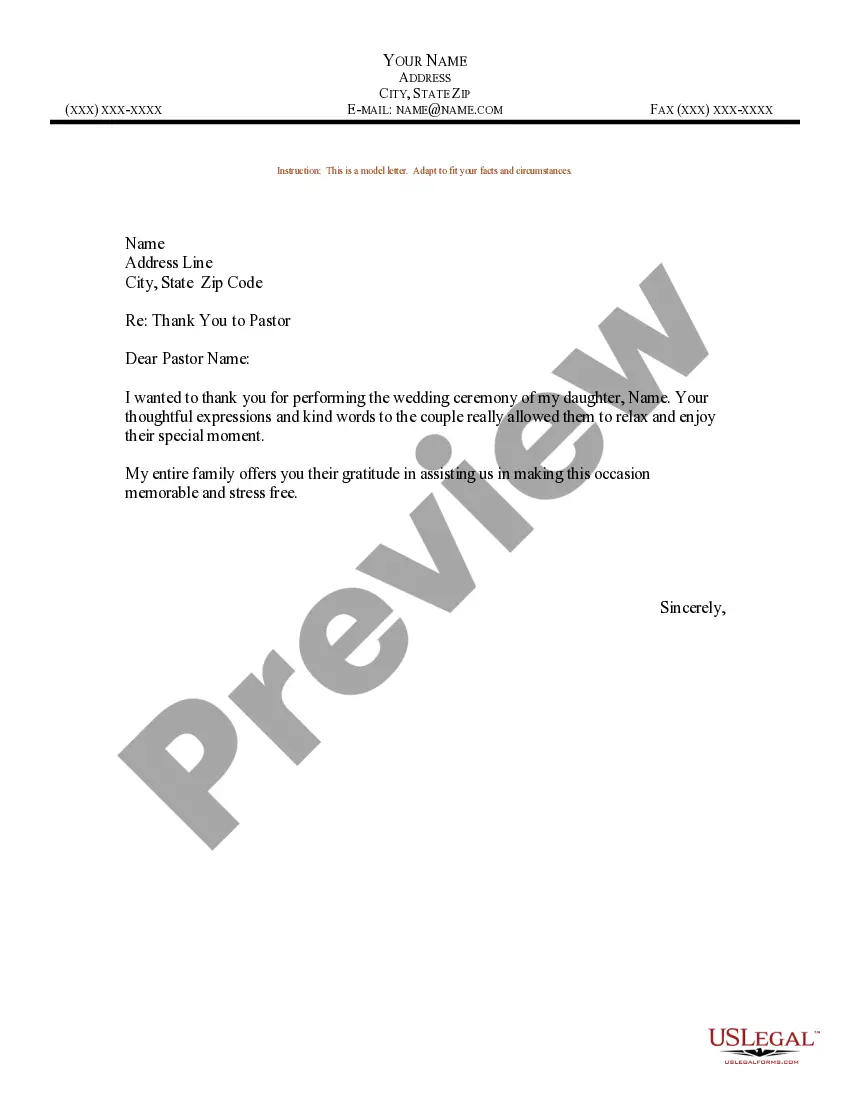
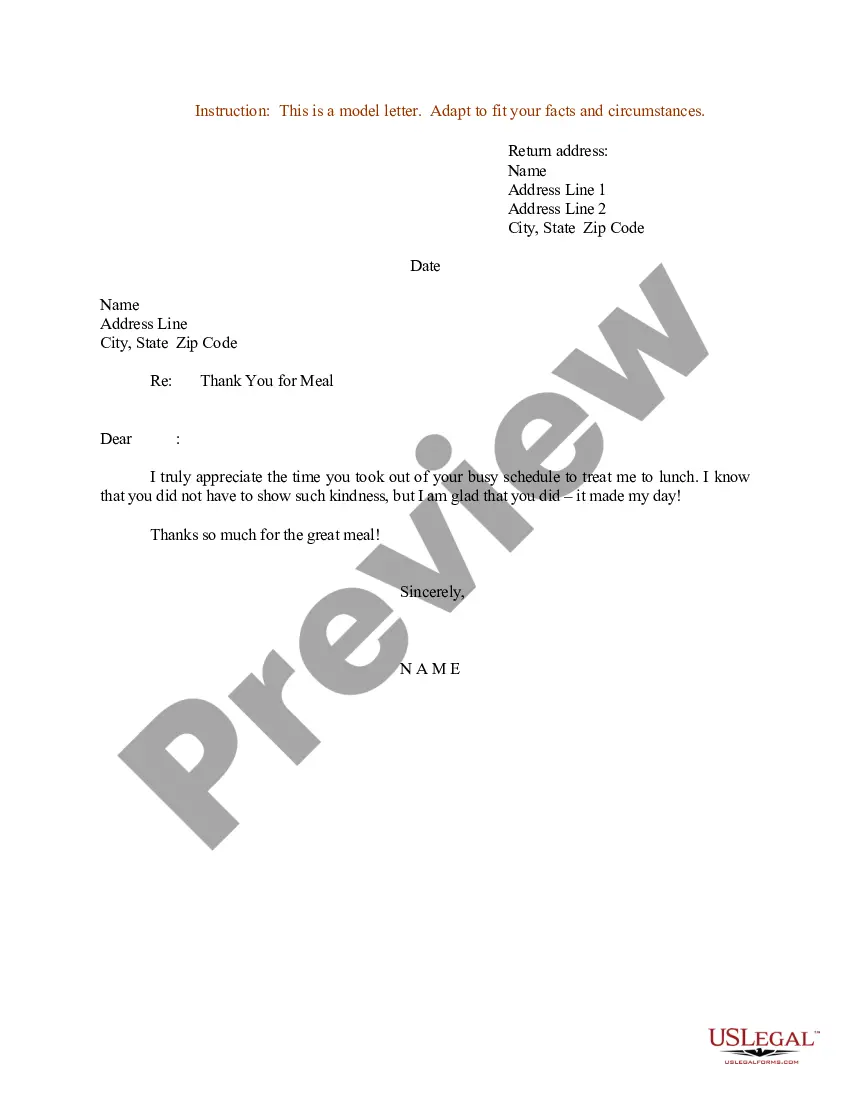
Get your form ready online
Our built-in tools help you complete, sign, share, and store your documents in one place.
Make edits, fill in missing information, and update formatting in US Legal Forms—just like you would in MS Word.
Download a copy, print it, send it by email, or mail it via USPS—whatever works best for your next step.
Sign and collect signatures with our SignNow integration. Send to multiple recipients, set reminders, and more. Go Premium to unlock E-Sign.
If this form requires notarization, complete it online through a secure video call—no need to meet a notary in person or wait for an appointment.
We protect your documents and personal data by following strict security and privacy standards.

Make edits, fill in missing information, and update formatting in US Legal Forms—just like you would in MS Word.

Download a copy, print it, send it by email, or mail it via USPS—whatever works best for your next step.

Sign and collect signatures with our SignNow integration. Send to multiple recipients, set reminders, and more. Go Premium to unlock E-Sign.

If this form requires notarization, complete it online through a secure video call—no need to meet a notary in person or wait for an appointment.

We protect your documents and personal data by following strict security and privacy standards.
Looking for another form?









Form popularity
FAQ
It is in the interests of both the entity and the auditor that the auditor sends an audit engagement letter before the commencement of the audit to help avoid misunderstandings with respect to the audit.
It is in the interests of both the entity and the auditor that the auditor sends an audit engagement letter before the commencement of the audit to help avoid misunderstandings with respect to the audit.
The auditor may decide not to send a new engagement letter each period. However, the following factors may make it appropriate to send a new letter: Any indication that the client misunderstands the objective and scope of the audit. Any revised or special terms of the engagement.
The internal auditor and the auditee should agree on the terms of the engagement before commencement. The agreed terms would need to be recorded in an engagement letter.
The service provider typically prepares the Letter of Engagement, be it a law firm, accounting agency, consultancy, or any professional offering services.
When should the engagement letter be sent and signed? The audit engagement letter should be sent after verbal confirmation of the appointment of you as the auditor and ideally signed before the start of any audit work.
When Should an Engagement Letter Be Sent? Engagement letters need to be presented to the client at the beginning of the relationship before work commences. They should also periodically be reissued, especially when the scope of services changes or if the business changes its prices.
What Does an Audit Engagement Letter Typically Include? Introduction and Purpose. Scope of the Audit. Auditor's Responsibilities. Client's Responsibilities. Audit Limitations. Applicable Standards. Fees and Payment Terms. Confidentiality and Data Security.
This Revised Standard on Auditing (SA 210) deals with the auditor's responsibilities in agreeing to the terms of the audit engagement with management. SA 210 establishes the preconditions for an audit, terms of an audit engagement and changes thereof, segregates the responsibility of the management and auditors etc.
An auditor's engagement letter generally includes matters such as management's responsibility for the entity's compliance with laws and regulations, the factors to be considered in setting preliminary judgments about materiality, and the auditor's responsibility to guarantee accuracy of the financial statements.

