Letter Speaking Engagement With Client In Virginia
Description
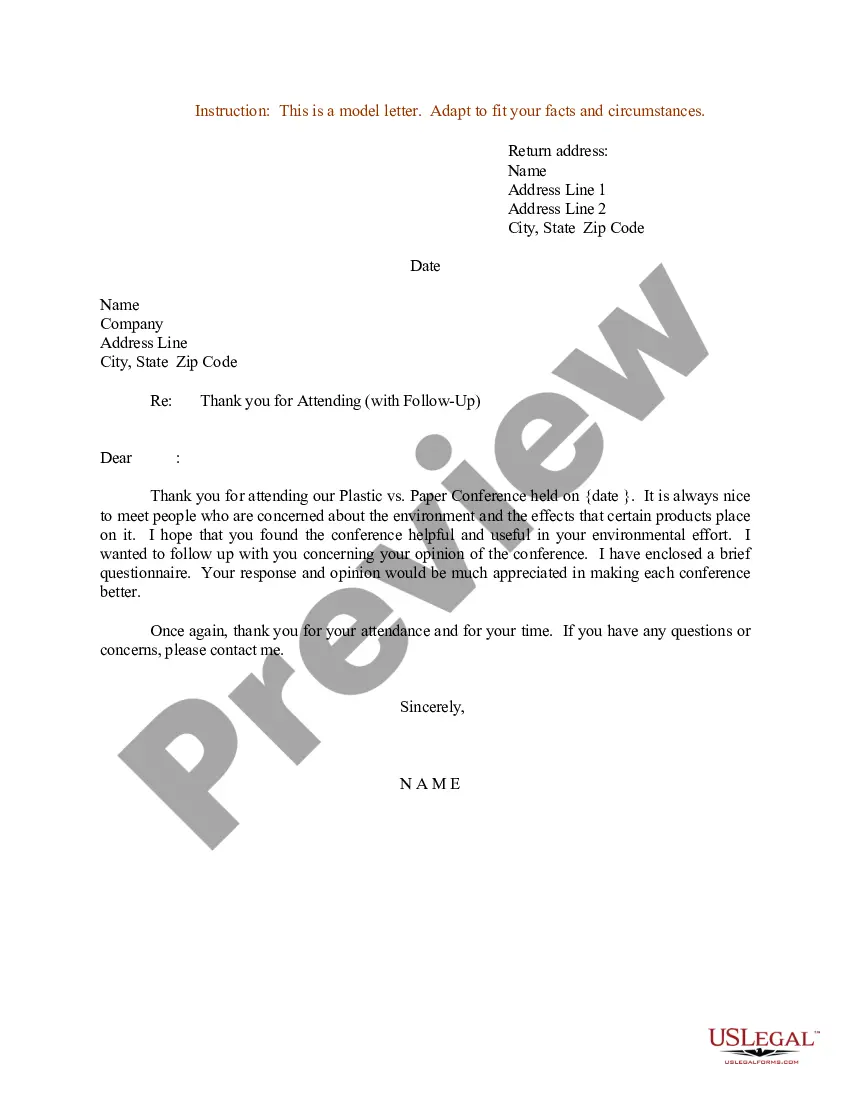
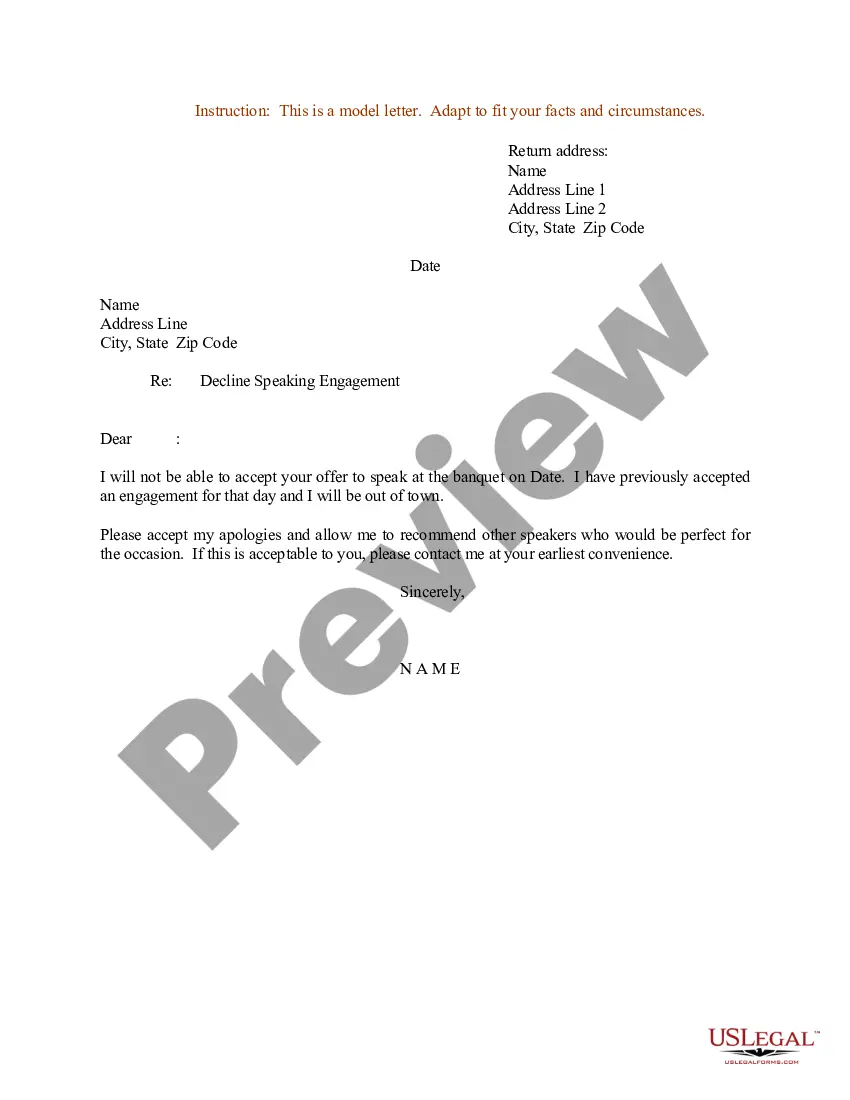
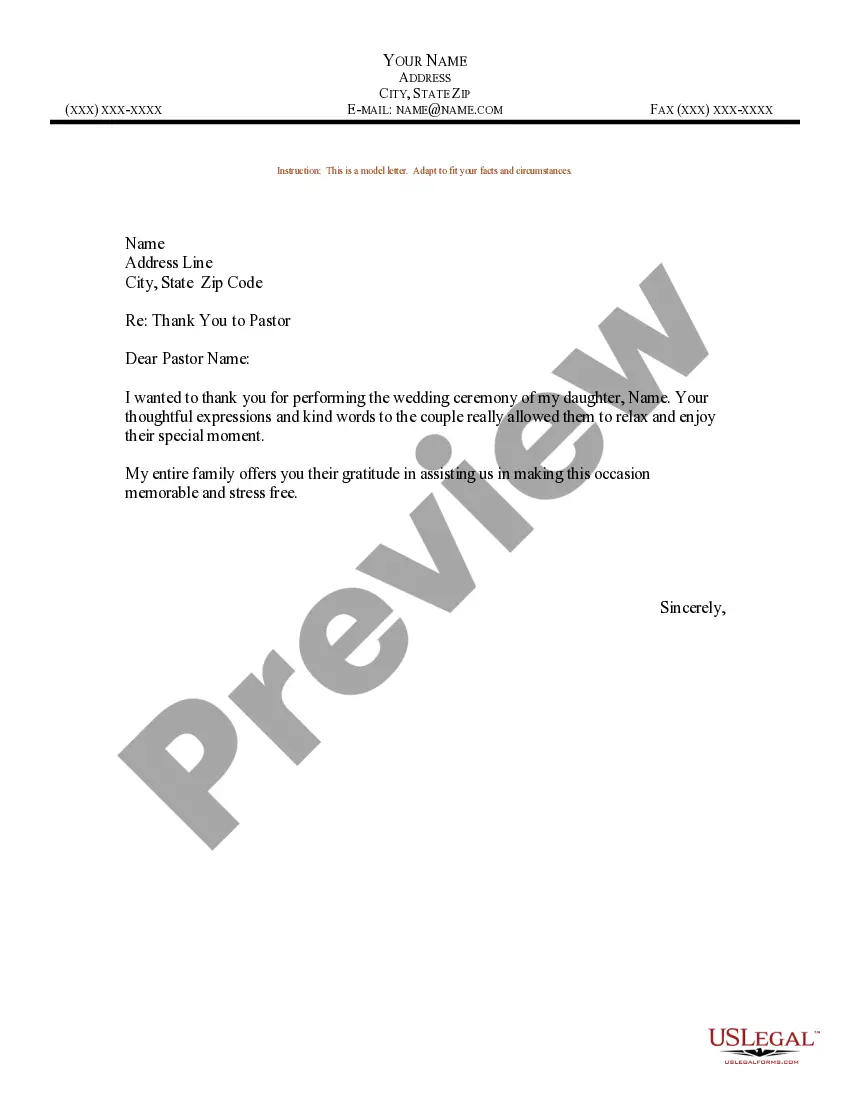
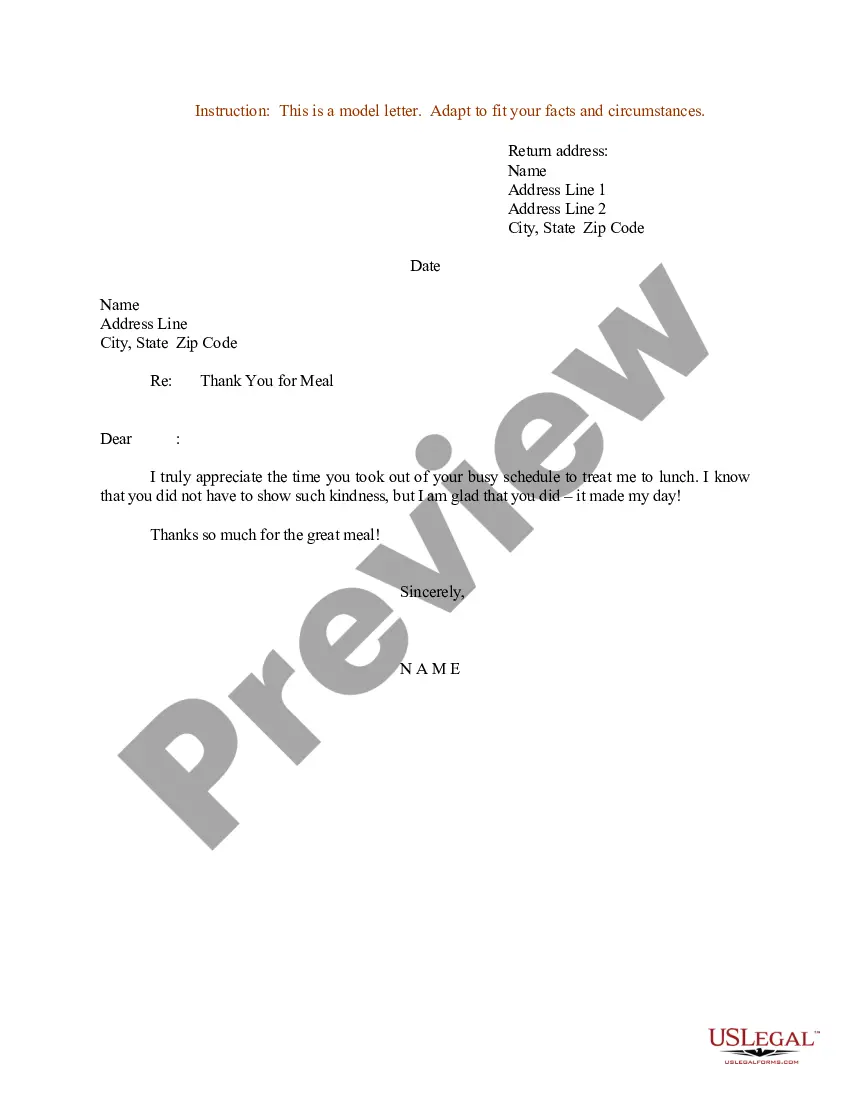
Get your form ready online
Our built-in tools help you complete, sign, share, and store your documents in one place.
Make edits, fill in missing information, and update formatting in US Legal Forms—just like you would in MS Word.
Download a copy, print it, send it by email, or mail it via USPS—whatever works best for your next step.
Sign and collect signatures with our SignNow integration. Send to multiple recipients, set reminders, and more. Go Premium to unlock E-Sign.
If this form requires notarization, complete it online through a secure video call—no need to meet a notary in person or wait for an appointment.
We protect your documents and personal data by following strict security and privacy standards.

Make edits, fill in missing information, and update formatting in US Legal Forms—just like you would in MS Word.

Download a copy, print it, send it by email, or mail it via USPS—whatever works best for your next step.

Sign and collect signatures with our SignNow integration. Send to multiple recipients, set reminders, and more. Go Premium to unlock E-Sign.

If this form requires notarization, complete it online through a secure video call—no need to meet a notary in person or wait for an appointment.

We protect your documents and personal data by following strict security and privacy standards.
Looking for another form?






Form popularity
FAQ
We are pleased to accept the instruction to act as your bookkeeper/accountant and we are writing to confirm the terms of our appointment. The purpose of this letter is to set out our terms for carrying out the work and to clarify our respective responsibilities.
An engagement letter is a written agreement that describes the business relationship to be entered into by a client and a company. The letter details the scope of the agreement, its terms, and costs. The purpose of an engagement letter is to set expectations on both sides of the agreement.
An engagement letter is a short agreement that outlines the scope of work, fees, and other important details, while a contract is a more comprehensive document that outlines the legal obligations of both parties and provides more detailed information about the project or service.
Engagement letters set the terms of the agreement between two parties and include details such as the scope, fees, and responsibilities, among others. Some of the benefits of engagement letters are that they are legally binding documents, they reduce misunderstandings, and they set clear expectations.
Standard format for letters of engagement Addressee: Typically addressed to the senior management (e.g. CEO) of the client.
A lawyer shall not reveal information protected by the attorney-client privilege under applicable law or other information gained in the professional relationship that the client has requested be held inviolate or the disclosure of which would be embarrassing or would be likely to be detrimental to the client unless ...
Rule 3.7 - Lawyer As Witness (a) A lawyer shall not act as an advocate in an adversarial proceeding in which the lawyer is likely to be a necessary witness except where: (1) the testimony relates to an uncontested issue; (2) the testimony relates to the nature and value of legal services rendered in the case; or (3) ...
Rule 5.5 - Unauthorized Practice of Law; Multijurisdictional Practice of Law (a) A lawyer shall not practice law in a jurisdiction in violation of the regulation of the legal profession in that jurisdiction, or assist another in doing so.
Rule 4.2 of the Virginia Rules of Professional Conduct states that: Page 2 in representing a client, a lawyer shall not communicate about the subject of the representation with a person the lawyer knows to be represented by another lawyer in the matter, unless the lawyer has the consent of the other lawyer or is ...
(a) During the course of representing a client, a lawyer shall not communicate or cause another to communicate about the subject of the representation with a person known to be represented by another lawyer in the matter, unless the lawyer has the prior consent of the lawyer representing such other person or is ...

