Letter Speaking Engagement Without Disclosures In Utah
Description
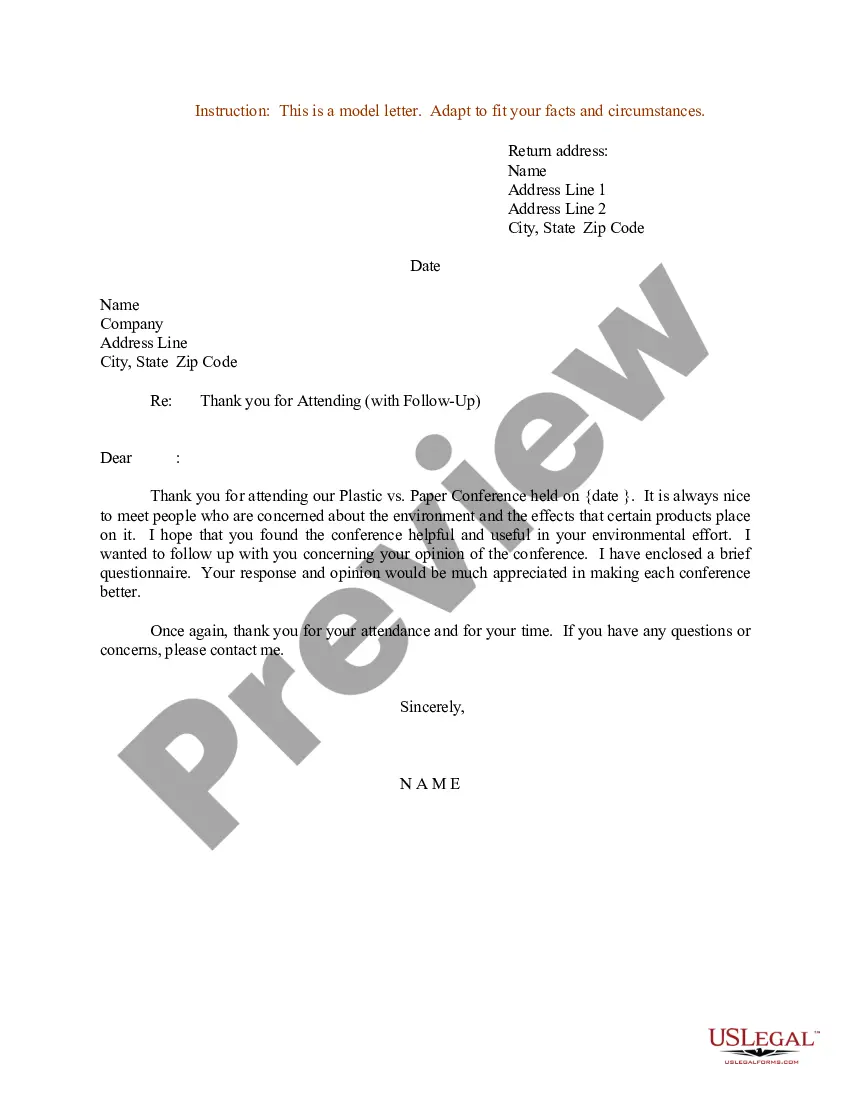
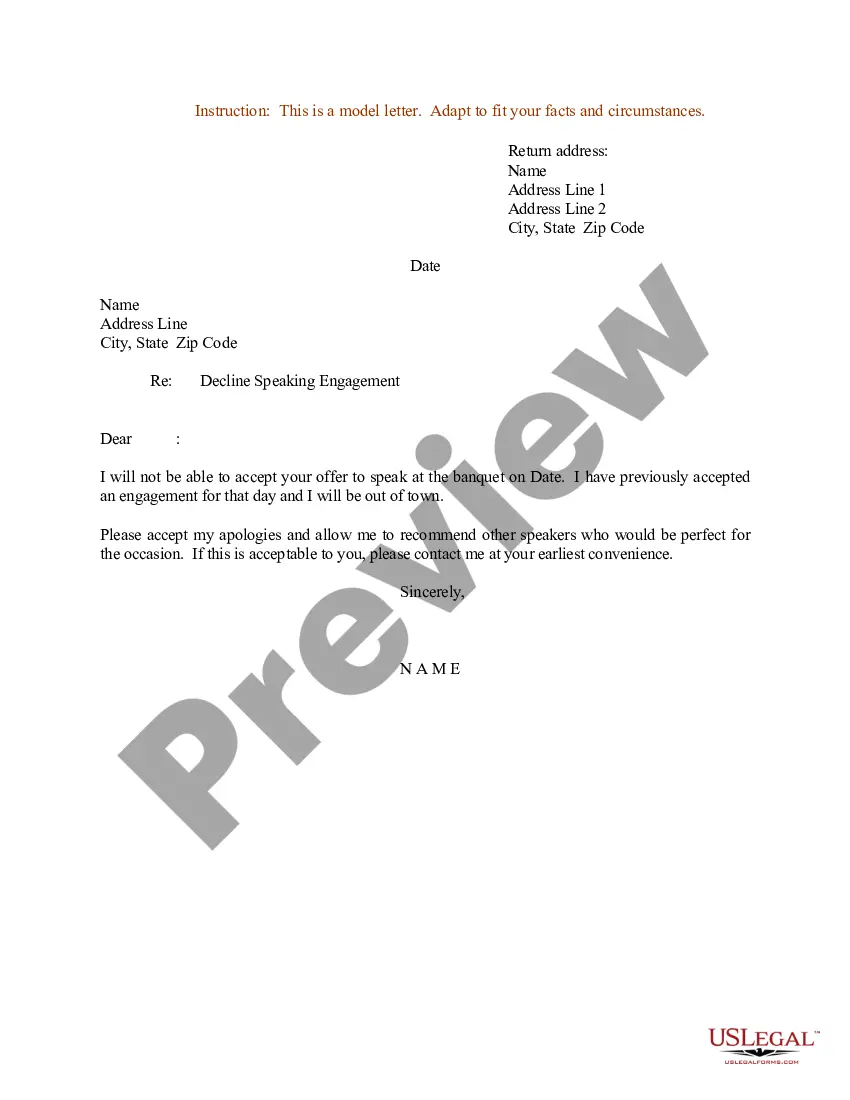
Get your form ready online
Our built-in tools help you complete, sign, share, and store your documents in one place.
Make edits, fill in missing information, and update formatting in US Legal Forms—just like you would in MS Word.
Download a copy, print it, send it by email, or mail it via USPS—whatever works best for your next step.
Sign and collect signatures with our SignNow integration. Send to multiple recipients, set reminders, and more. Go Premium to unlock E-Sign.
If this form requires notarization, complete it online through a secure video call—no need to meet a notary in person or wait for an appointment.
We protect your documents and personal data by following strict security and privacy standards.

Make edits, fill in missing information, and update formatting in US Legal Forms—just like you would in MS Word.

Download a copy, print it, send it by email, or mail it via USPS—whatever works best for your next step.

Sign and collect signatures with our SignNow integration. Send to multiple recipients, set reminders, and more. Go Premium to unlock E-Sign.

If this form requires notarization, complete it online through a secure video call—no need to meet a notary in person or wait for an appointment.

We protect your documents and personal data by following strict security and privacy standards.
Looking for another form?


Form popularity
FAQ
General disclosure requirements A list of the people who know about the case and what they know. This includes people who could provide information to support the case or defenses to the case. A list of witnesses they might call who can support of their case, and a summary of what they will say.
Rule 11 was designed to highlight the importance of constitutional rights by requiring the judge in district court to discuss these rights with the defendant before accepting his plea. In other words, Rule 11 was created to help the defendant understand the basic consequences of the decision to plead guilty.
(7) a reply to an answer if ordered by the court. (b) Motions. A request for an order must be made by motion. The motion must be in writing unless made during a hearing or trial, must state the relief requested, and must state the grounds for the relief requested.
(a)(1) Every pleading, written motion, and other paper must be signed by at least one attorney of record, or, if the party is not represented, by the party. (a)(2) A person may sign a paper using any form of signature recognized by law as binding.
Some of the information must be disclosed to the other parties, which means the party with the information must provide it to the others without being asked for it. Other information must be discovered, which means the party with the information must provide it, but only if asked for it.
Basics of Rule 7 in Utah Criminal Procedure This is when you first appear before a judge in court with your Utah criminal defense lawyer at your side. Rule 7 encompasses your “first appearance,” which is often called your “arraignment,” as well as your initial bail determination hearing and your preliminary hearing.
The disclosures must be in writing, signed, and served, unless otherwise ordered by the court. See Court Opinions. They do not need to be filed unless ordered by the court.
Initial disclosure within the Business and Property Courts is governed by the Civil Procedure Rules (CPR) Practice Direction 57AD. This practice note serves as a critical guide for legal professionals navigating the initial disclosure requirements, exemptions, and procedural steps under this specific directive.
In the federal courts , disclosure requires parties to automatically share routine evidentiary information that would otherwise be available during discovery . Disclosure comes in three stages. First, at the beginning of the suit , each party must disclose: Basic information about each witness the party plans to call.

