Letter Engagement Form Without Disclosures In Utah
Description
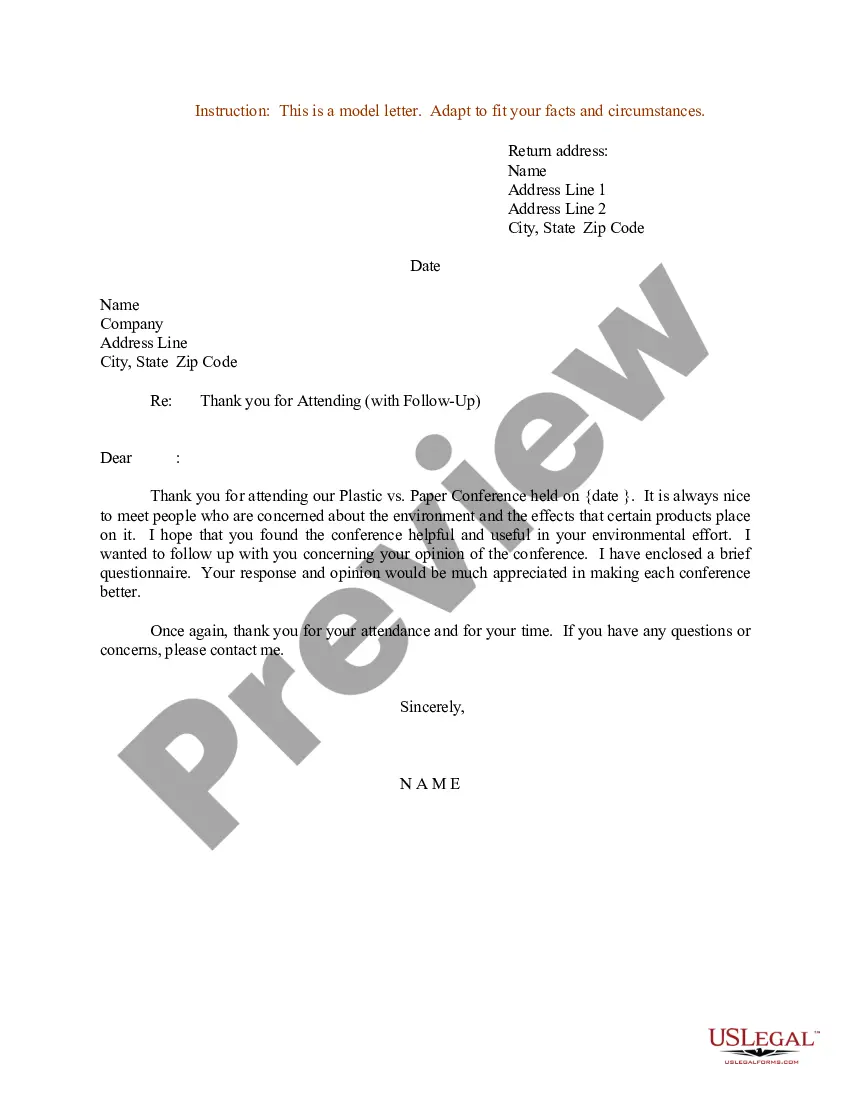
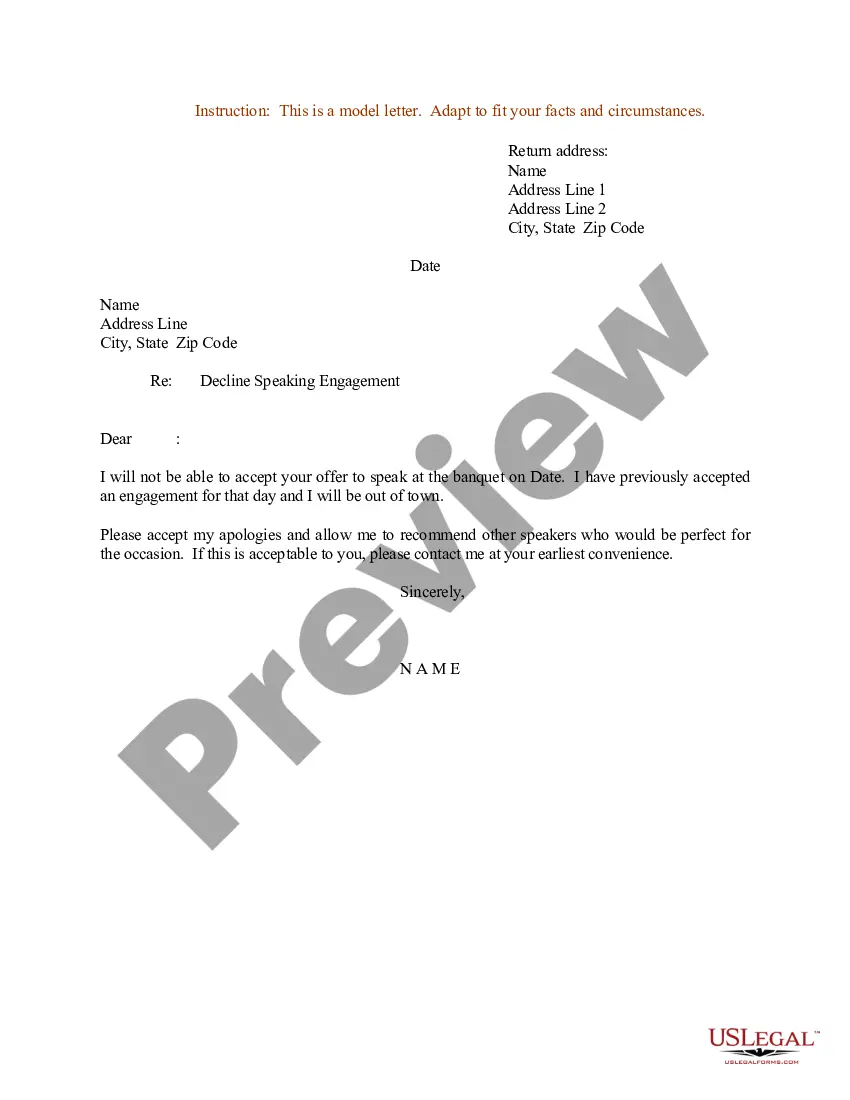
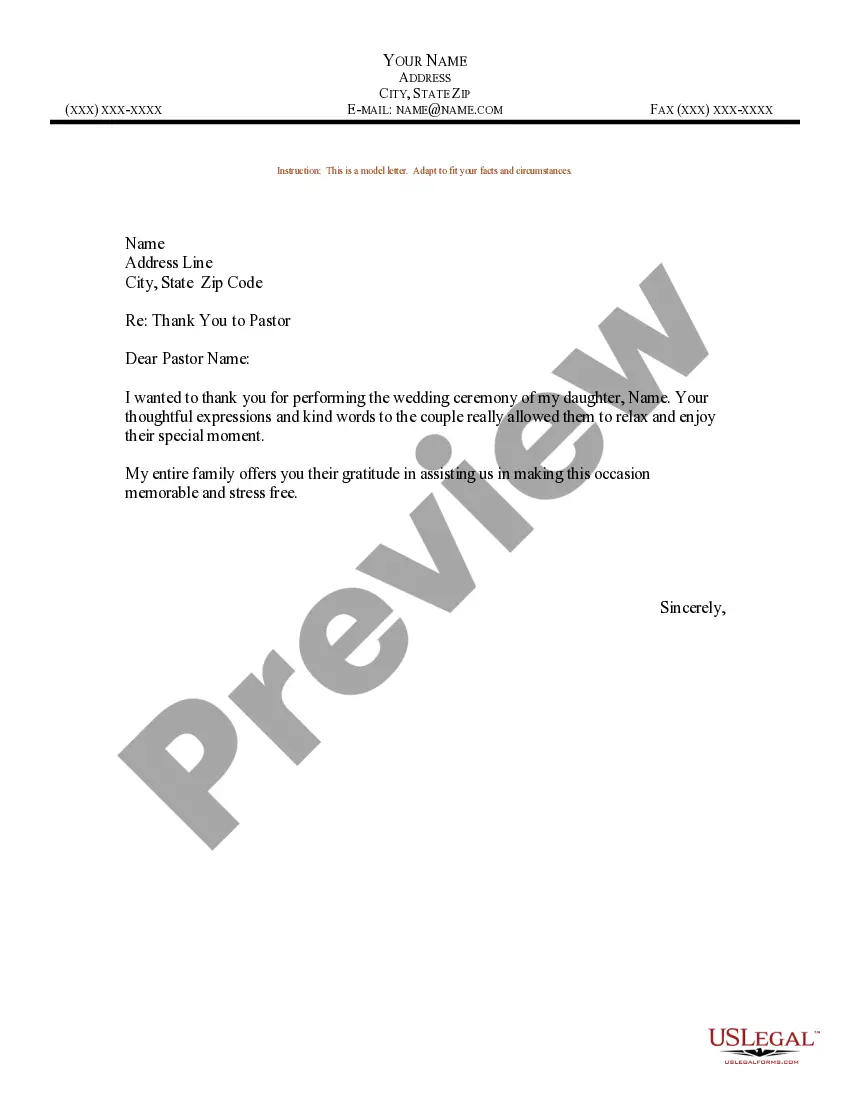
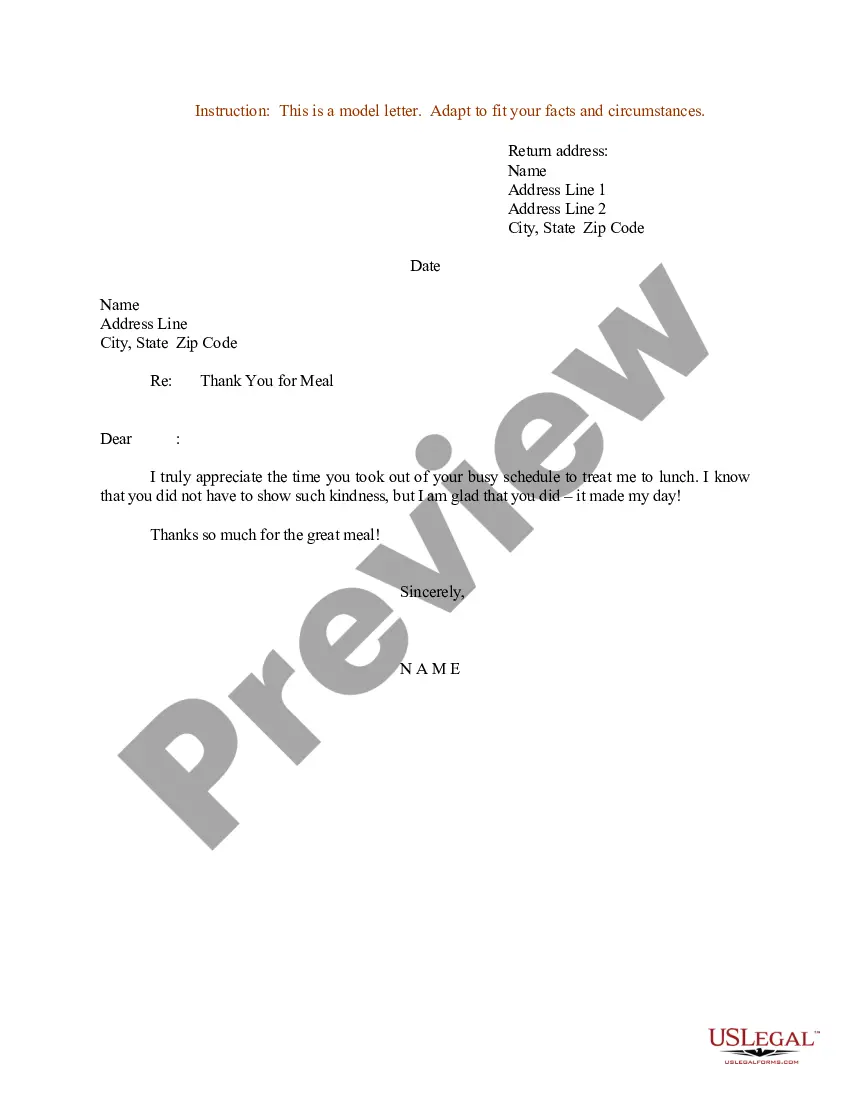
Get your form ready online
Our built-in tools help you complete, sign, share, and store your documents in one place.
Make edits, fill in missing information, and update formatting in US Legal Forms—just like you would in MS Word.
Download a copy, print it, send it by email, or mail it via USPS—whatever works best for your next step.
Sign and collect signatures with our SignNow integration. Send to multiple recipients, set reminders, and more. Go Premium to unlock E-Sign.
If this form requires notarization, complete it online through a secure video call—no need to meet a notary in person or wait for an appointment.
We protect your documents and personal data by following strict security and privacy standards.

Make edits, fill in missing information, and update formatting in US Legal Forms—just like you would in MS Word.

Download a copy, print it, send it by email, or mail it via USPS—whatever works best for your next step.

Sign and collect signatures with our SignNow integration. Send to multiple recipients, set reminders, and more. Go Premium to unlock E-Sign.

If this form requires notarization, complete it online through a secure video call—no need to meet a notary in person or wait for an appointment.

We protect your documents and personal data by following strict security and privacy standards.
Looking for another form?









Form popularity
FAQ
General disclosure requirements A list of the people who know about the case and what they know. This includes people who could provide information to support the case or defenses to the case. A list of witnesses they might call who can support of their case, and a summary of what they will say.
Currently, there are a number of non-disclosure states. They include Alaska, Idaho, Kansas, Louisiana, Mississippi, Montana, New Mexico, North Dakota, South Dakota, Texas, Utah, and Wyoming. Before investing, real estate professionals should familiarize themselves with this list of non-disclosure states.
SELLER IS OBLIGATED UNDER LAW TO DISCLOSE TO BUYERS DEFECTS IN THE PROPERTY AND FACTS KNOWN TO SELLER THAT MATERIALLY AND ADVERSELY AFFECT THE USE AND VALUE OF THE PROPERTY THAT CANNOT BE DISCOVERED BY A REASONABLE INSPECTION BY AN ORDINARY PRUDENT BUYER.
'Disclosure Requirement' refers to the mandatory rules and regulations that dictate the full reporting of financial transactions, including contributions and expenditures, related to political campaigns or organizations.
Motions to compel disclosure or discovery. URCP 37. If a party does not respond to a discovery request, the party seeking discovery can file a motion asking the judge to compel discovery and impose sanctions.
1. Understand Initial Disclosures – Disclosures are lists that tell the other parties what evidence will be used in the case. It is important that your Disclosures are complete. Provide all the information that you currently know and that you can figure out.
Rule 26 - Written Orders, Judgments and Decrees (a) In all pretrial and postconviction rulings by a court, counsel for the party or parties obtaining the ruling shall within 14 days, or within a shorter time as the court may direct, file with the court a proposed order, judgment, or decree in conformity with the ruling ...
Initial disclosure is the first step in a legal process where parties involved in a case have to share important information with each other. This includes the names and contact information of people who have relevant information, copies of important documents, and any insurance agreements.
Initial disclosures are due 14 days after you have had your initial conference with opposing counsel ing to Federal Rule of Civil Procedure 26(f). This document is used to describe what evidence and witnesses that you already have or are aware of at the beginning of your case.
Initial disclosure within the Business and Property Courts is governed by the Civil Procedure Rules (CPR) Practice Direction 57AD. This practice note serves as a critical guide for legal professionals navigating the initial disclosure requirements, exemptions, and procedural steps under this specific directive.

