Installment Contract In Law Definition In Maricopa
Description

Get your form ready online
Our built-in tools help you complete, sign, share, and store your documents in one place.
Make edits, fill in missing information, and update formatting in US Legal Forms—just like you would in MS Word.
Download a copy, print it, send it by email, or mail it via USPS—whatever works best for your next step.
Sign and collect signatures with our SignNow integration. Send to multiple recipients, set reminders, and more. Go Premium to unlock E-Sign.
If this form requires notarization, complete it online through a secure video call—no need to meet a notary in person or wait for an appointment.
We protect your documents and personal data by following strict security and privacy standards.

Make edits, fill in missing information, and update formatting in US Legal Forms—just like you would in MS Word.

Download a copy, print it, send it by email, or mail it via USPS—whatever works best for your next step.

Sign and collect signatures with our SignNow integration. Send to multiple recipients, set reminders, and more. Go Premium to unlock E-Sign.

If this form requires notarization, complete it online through a secure video call—no need to meet a notary in person or wait for an appointment.

We protect your documents and personal data by following strict security and privacy standards.
Looking for another form?







Form popularity
FAQ
Contracts are made up of three basic parts – an offer, an acceptance and consideration. The offer and acceptance are what the purpose of the agreement is between the parties. A public relations firm offers to provide its services to a potential client.
Every contract, whether simple or complex, is considered legally enforceable when it incorporates six essential elements: Offer, Acceptance, Awareness, Consideration, Capacity and Legality. It is critical that all six elements are present—just one missing element can make a contract invalid and unenforceable.
A contract is created at law when there is a mutual exchange of promises upon reasonably understandable terms and conditions. A contract does not have to be reduced to writing in order to be enforceable; however, for the purposes of this manual, the term contract is intended to mean a written form of communication.
A contract is created at law when there is a mutual exchange of promises upon reasonably understandable terms and conditions. A contract does not have to be reduced to writing in order to be enforceable; however, for the purposes of this manual, the term contract is intended to mean a written form of communication.
Although a document must be signed by each party to be considered legally binding, the mere presence of signatures does not guarantee that an agreement is enforceable in court. To be considered a legally binding contract or document, three critical elements must also be present: Subject, Consideration, and Capacity.
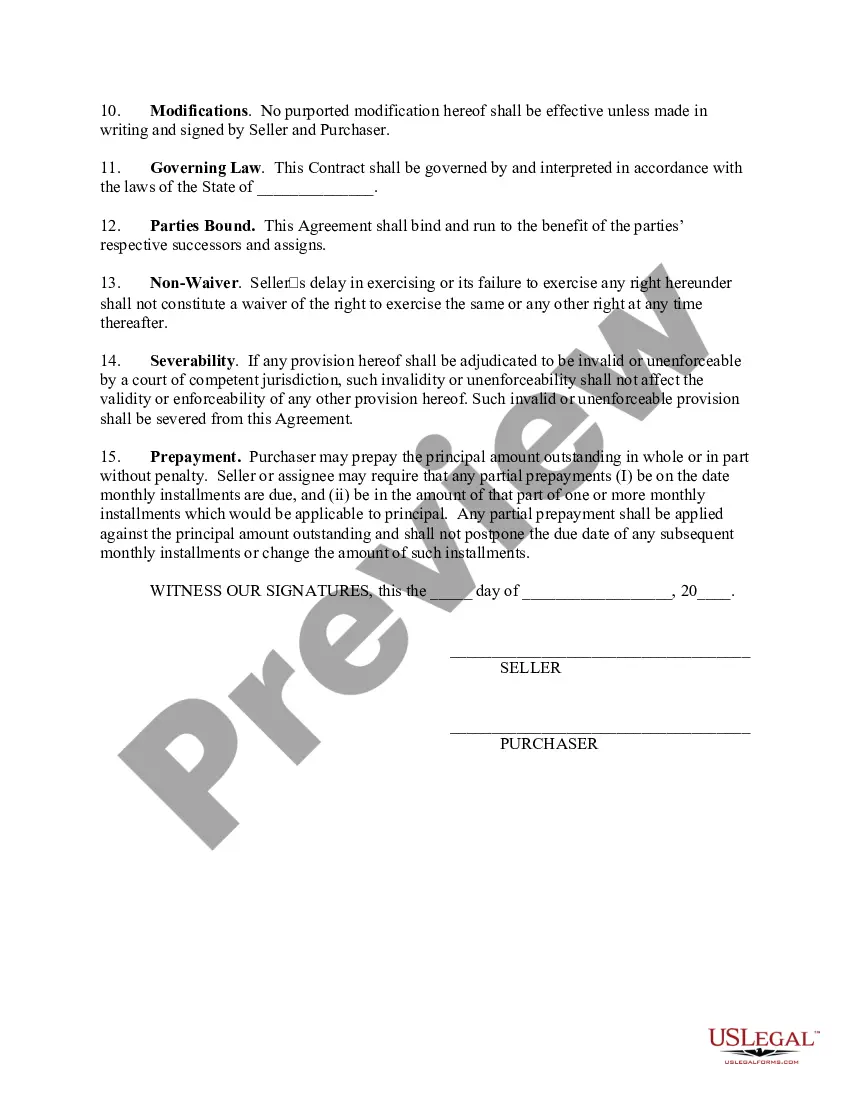
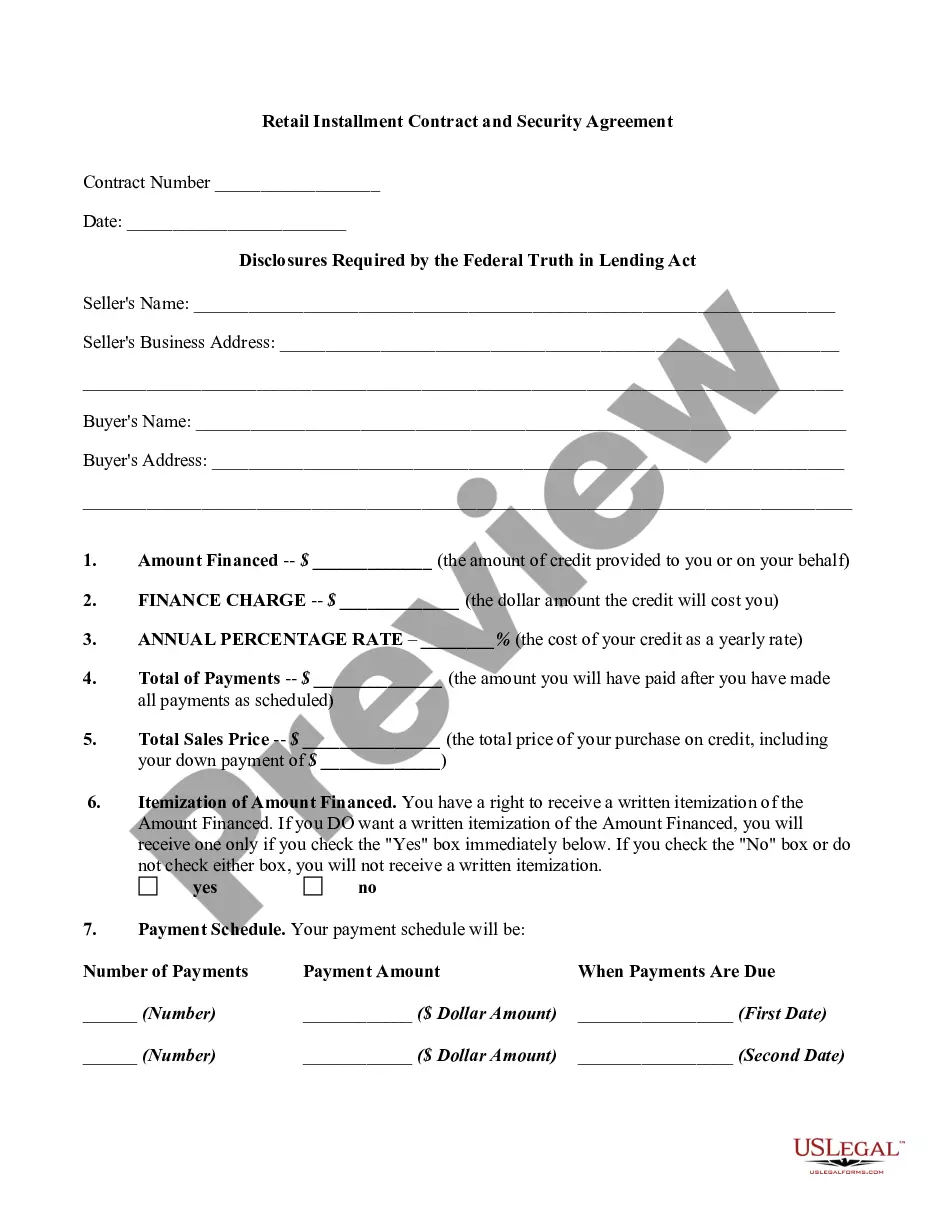
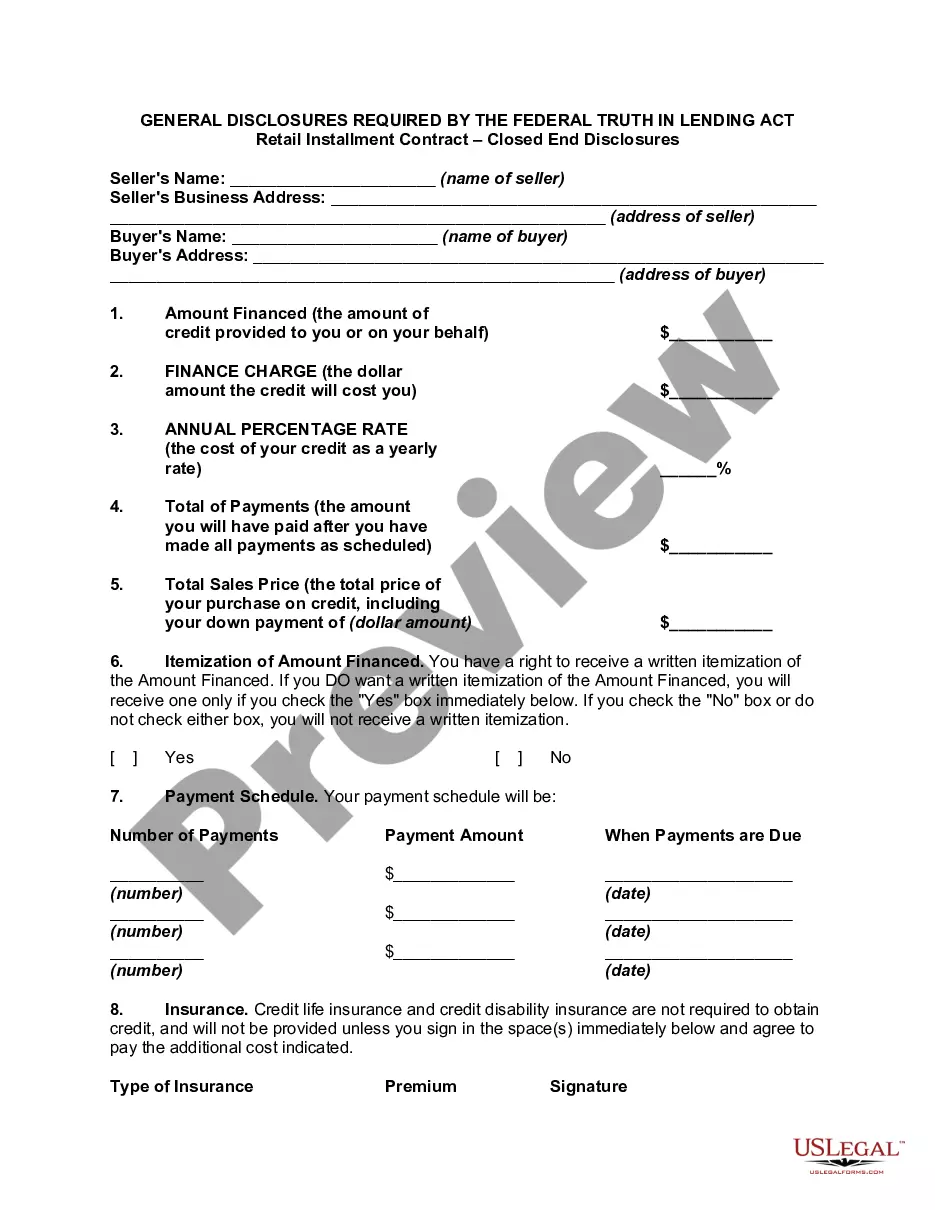
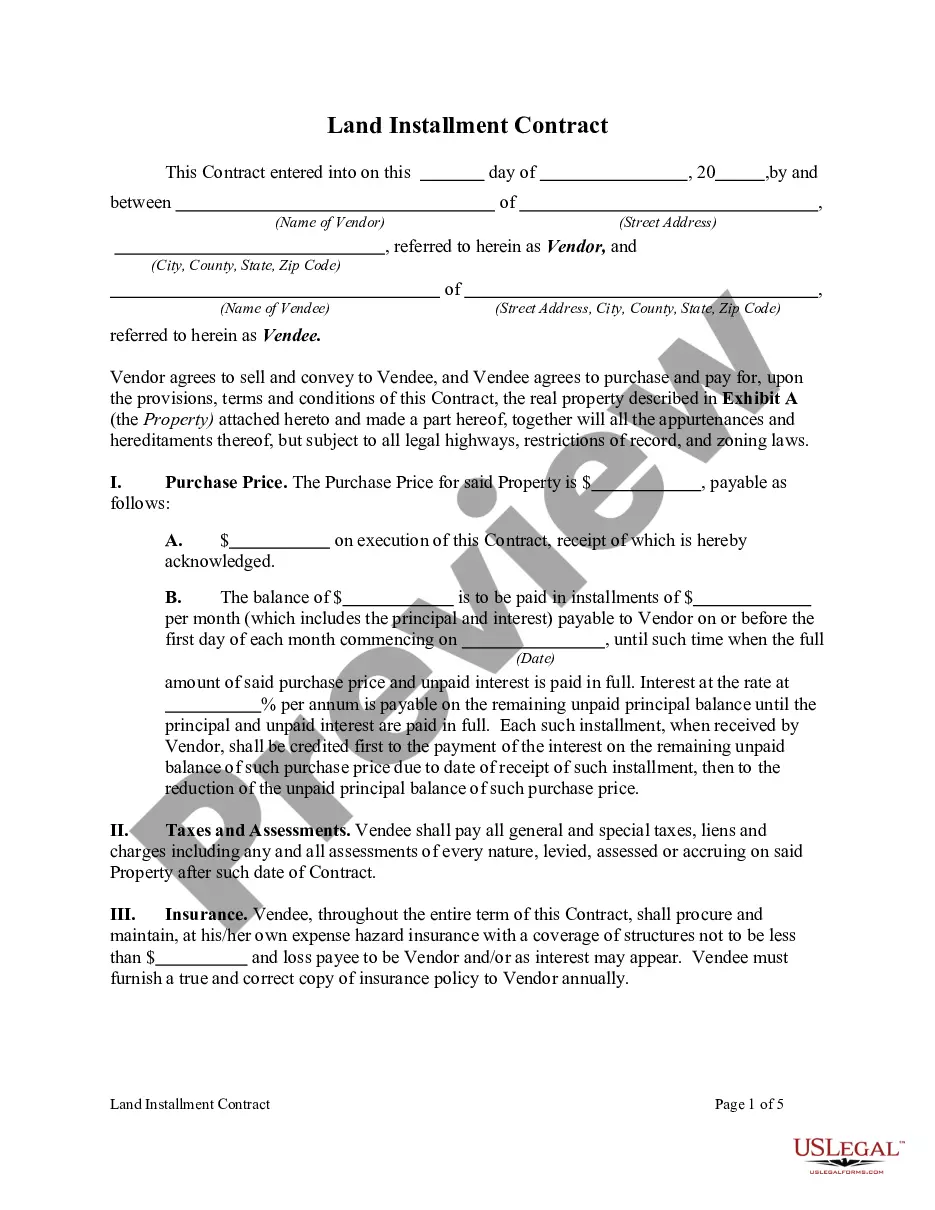
(A) An "installment contract" is one which requires or authorizes the delivery of goods in separate lots to be separately accepted, even though the contract contains a clause "each delivery is a separate contract" or its equivalent.
An installment contract is a single contract that is completed by a series of performances –such as payments, performances of a service, or delivery of goods–rather than being performed all at one time. Installment contracts can provide that installments are to be performed by either one or both parties .
Computer Service Contracts: Contracts for computer or technology services, such as software subscriptions, often involve installment payments being made over a set period of time; Agricultural Sales Contracts: In these contracts, the goods are subject to seasonal cycles, such as produce or agricultural goods.
An instalment sale agreement between you and a credit provider allows you to buy a vehicle or asset using the principal debt, which you repay by means of regular instalments over an agreed period, with fees and interest.
