Letter Engagement Form With Two Points In Utah
Description
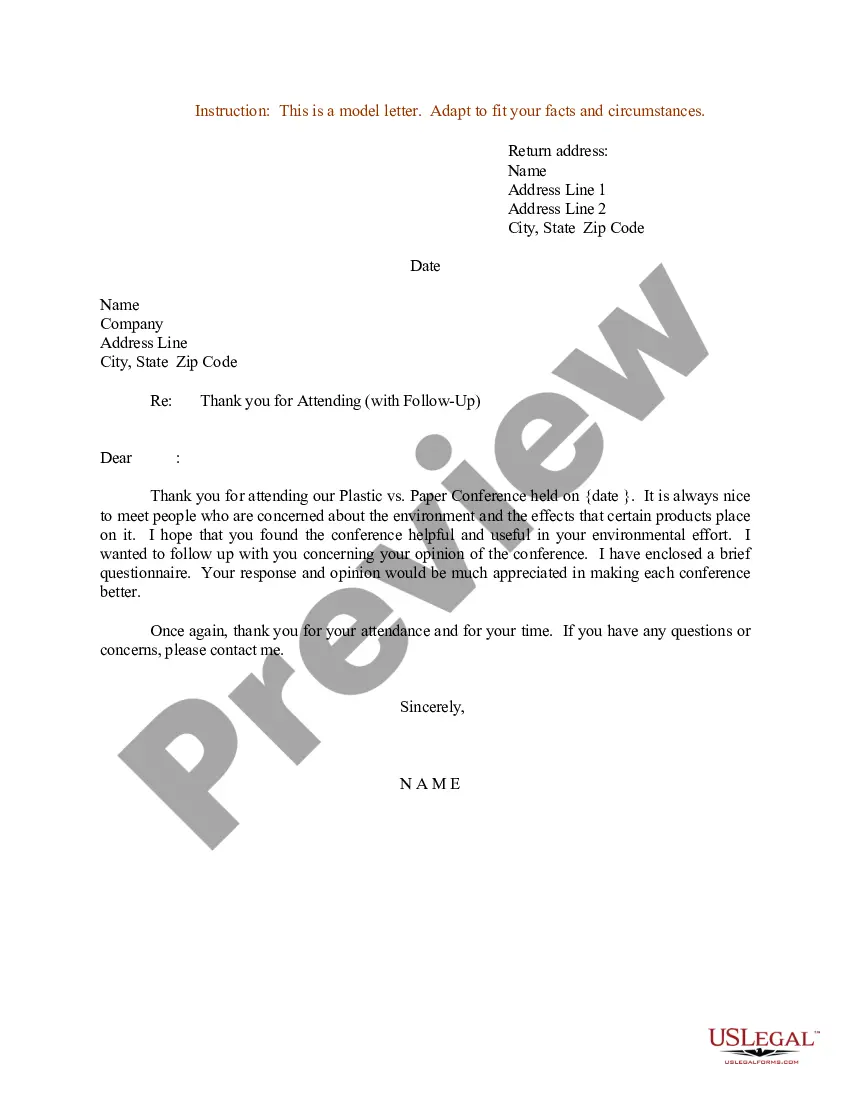
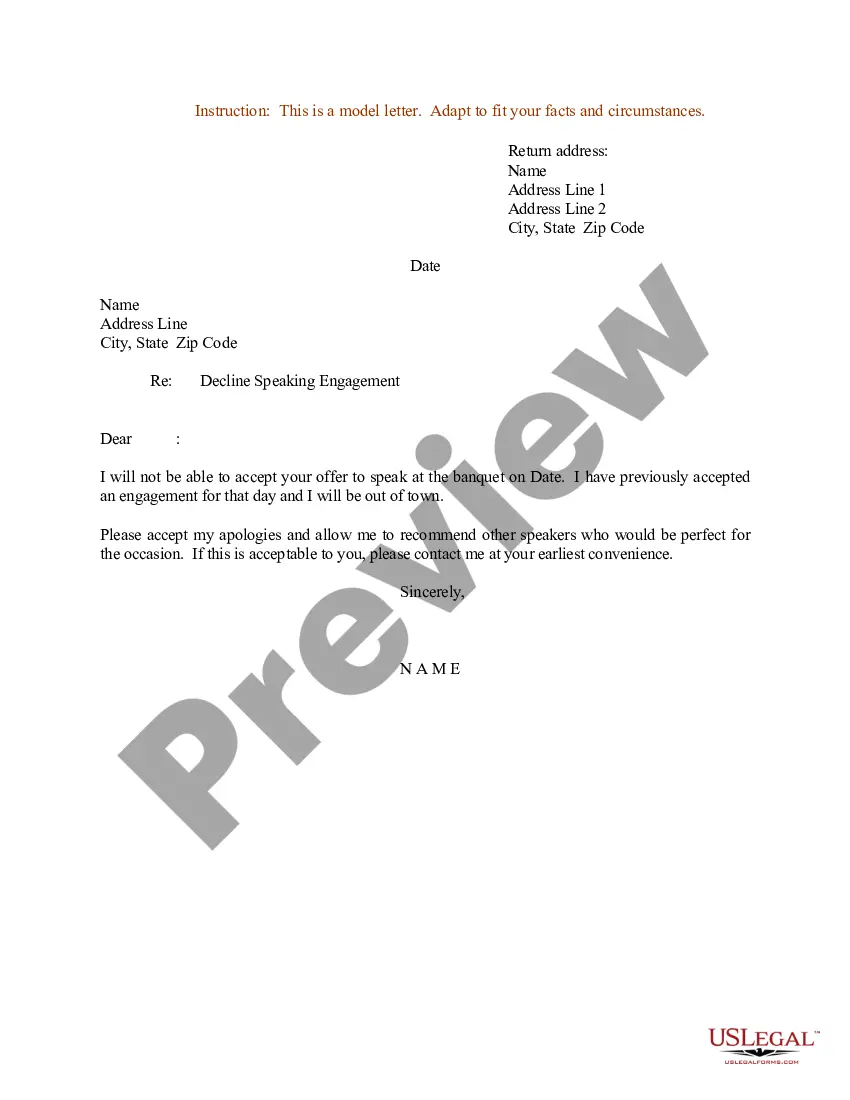
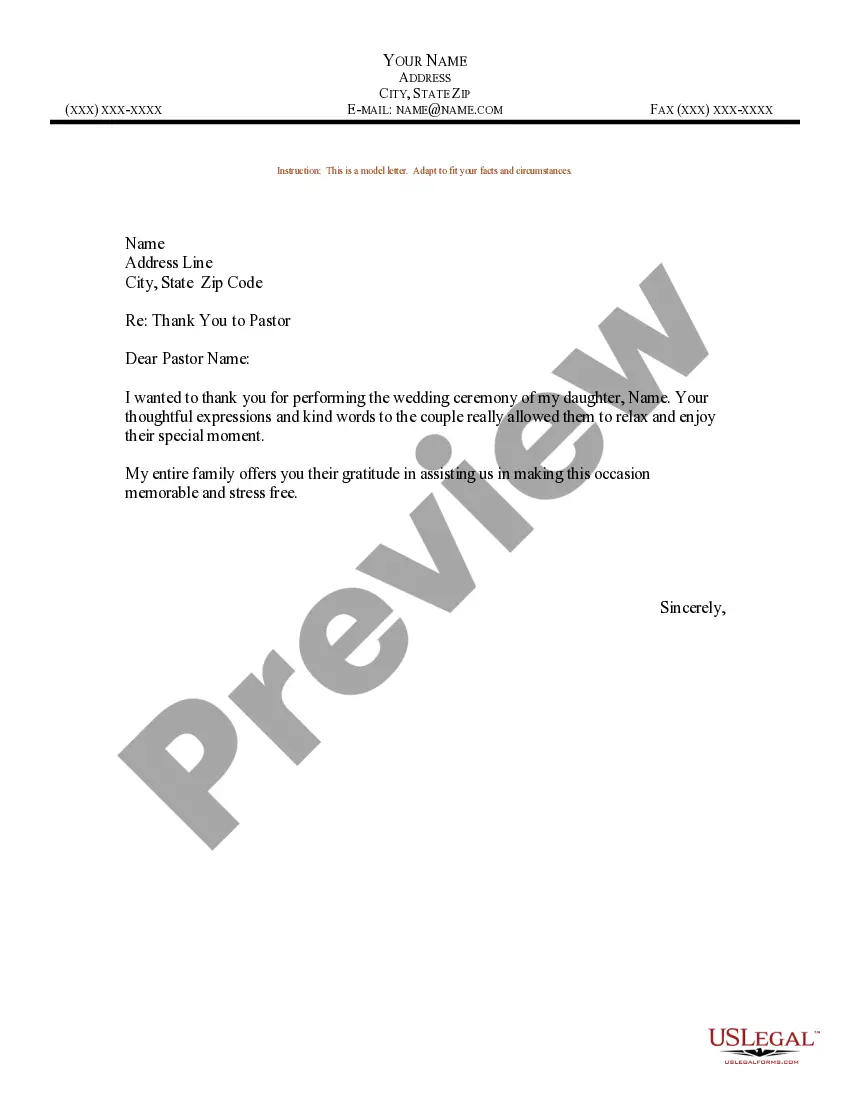
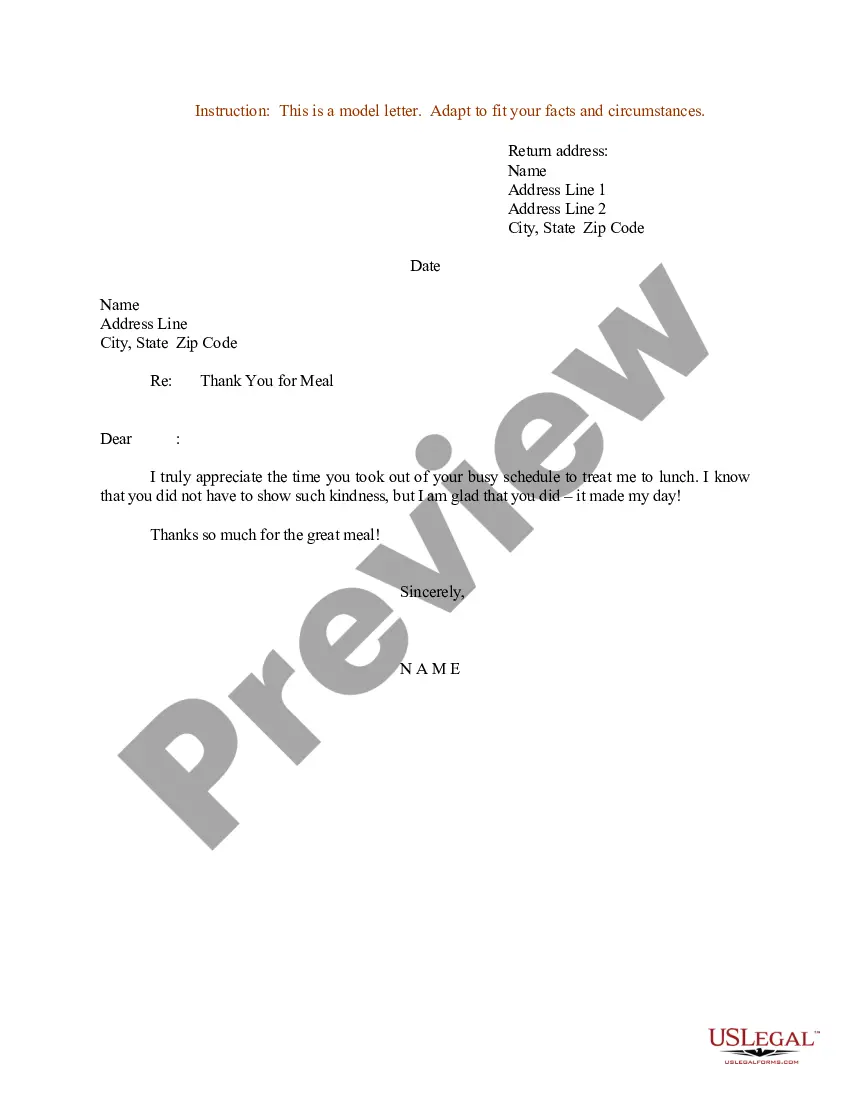
Get your form ready online
Our built-in tools help you complete, sign, share, and store your documents in one place.
Make edits, fill in missing information, and update formatting in US Legal Forms—just like you would in MS Word.
Download a copy, print it, send it by email, or mail it via USPS—whatever works best for your next step.
Sign and collect signatures with our SignNow integration. Send to multiple recipients, set reminders, and more. Go Premium to unlock E-Sign.
If this form requires notarization, complete it online through a secure video call—no need to meet a notary in person or wait for an appointment.
We protect your documents and personal data by following strict security and privacy standards.

Make edits, fill in missing information, and update formatting in US Legal Forms—just like you would in MS Word.

Download a copy, print it, send it by email, or mail it via USPS—whatever works best for your next step.

Sign and collect signatures with our SignNow integration. Send to multiple recipients, set reminders, and more. Go Premium to unlock E-Sign.

If this form requires notarization, complete it online through a secure video call—no need to meet a notary in person or wait for an appointment.

We protect your documents and personal data by following strict security and privacy standards.
Looking for another form?
Form popularity
FAQ
Executing a power of attorney under Utah law The power of attorney document must be signed by the principal before a notary public.
A Utah tax power of attorney (Form TC-737) allows a professional tax accountant or attorney to represent a taxpayer's interests with the Utah Tax Commission. This entity will ultimately need to approve this document so that such a representative can act.
It should not be typed or written by someone else. A holographic will does not require formal language. It only needs to be clear and easy to understand. You do not need to have any witnesses or have it notarized, but you can do both if you want.
More often than not, our clients opt for the General Durable Power of Attorney (a mix of the Durable and General Power of Attorney) for it's ease of use by the Agent, and sustainability over the lifetime of the Prinicipal.
How to Amend a 2024 Return On the top of TC-40, page 1, on the “Amended Return” line, enter the code number from the list (below) that best describes your Reason for Amending. Enter the corrected figures on the return and/or schedules. Enter all other amounts as shown on your original return.
Types of partnerships: Liability & tax considerations In Utah, partnerships are generally taxed as pass-through entities, meaning the profit and losses from the businesses pass directly into the partners' personal incomes. Utah does require a yearly partnership return from each partnership within the state.
To submit the TC-65 form, ensure all fields are accurately filled out and signed. You can submit electronically through the Utah Tax Commission's e-filing portal or mail the completed form to the provided address: Utah State Tax Commission, 210 North 1950 West, Salt Lake City, Utah 84134.
